Merguez Sausage Guide Spices, Cooking and the Best Ways to Eat It
Everything you need to know about North Africa’s famous spicy sausage: what goes in it, how to cook it perfectly, how to make it at home and what to serve it with.
Merguez is a thin, spicy red sausage from North Africa made with lamb, beef or both, seasoned with chili or harissa, cumin, garlic and fennel, and stuffed into a narrow sheep casing. It is a fresh sausage, so it must be cooked before eating. Grill or pan-fry it for about 8 to 12 minutes until it reaches 160°F inside, then serve it in a baguette with harissa, over couscous or with eggs.
Your Complete Merguez Guide
Walk past any North African grill, a Paris street market or a summer barbecue in Algiers and you will smell the smoke before you see the grill. These skinny red sausages sizzle fast, drip spiced fat onto the coals and taste of chili, cumin and garlic. They are one of the most loved foods of the Maghreb.
This guide covers where merguez comes from, what is inside, how to cook it on a grill, in a pan or in the oven, how to make a simple homemade version, and eight favorite ways to eat it. Most of the flavor comes from pantry staples you can find in our sauces and condiments and Moroccan spices collections.
Merguez at a Glance
What Is Merguez and Where Does It Come From?
Merguez is a fresh, red, heavily spiced sausage from the Maghreb, the region of North Africa that includes Algeria, Tunisia and Morocco. It is traditionally made from lamb or mutton, sometimes mixed with beef, and it is traditionally made without pork, so it is enjoyed by Muslim and Jewish communities across the region.
Its roots are old. According to the English Wikipedia entry, the Arabic word appears in sources as early as the 12th century, in forms such as mirkas. The same entry notes that the Spanish words morcilla and morcón are thought to come from it.
Exactly which country invented it is debated. Algeria is most often named, and Tunisia also claims it, as the French Wikipedia article explains. What is certain is that the sausage is part of daily life in all three countries.
How merguez became famous in France
The sausage reached a wide European audience from the mid-20th century, when French settlers returning from Algeria and Algerian immigrants opened butcher shops and restaurants in France. Today it is a barbecue classic there, sold in supermarkets and served in sandwiches at markets and street fairs.
What Is Inside a Merguez Sausage?
Recipes vary from butcher to butcher, but a good link always balances fatty meat, bold spice and a thin, snappy casing.
The meat
Lamb or mutton gives the classic rich, slightly gamey taste. Beef makes a milder sausage, and many commercial brands mix the two. Fat matters: a sausage with too little fat turns dry and crumbly on the grill.
The casing
The meat is stuffed into narrow sheep casings, which is why it is so thin, about 2 cm across. That small diameter means it cooks in minutes and gets lots of crispy, charred surface.
The spices
The core flavors are chili, either harissa or ground hot pepper, plus cumin and garlic. Many recipes add sweet paprika, fennel, coriander, caraway or sumac, and some include a little dried mint.
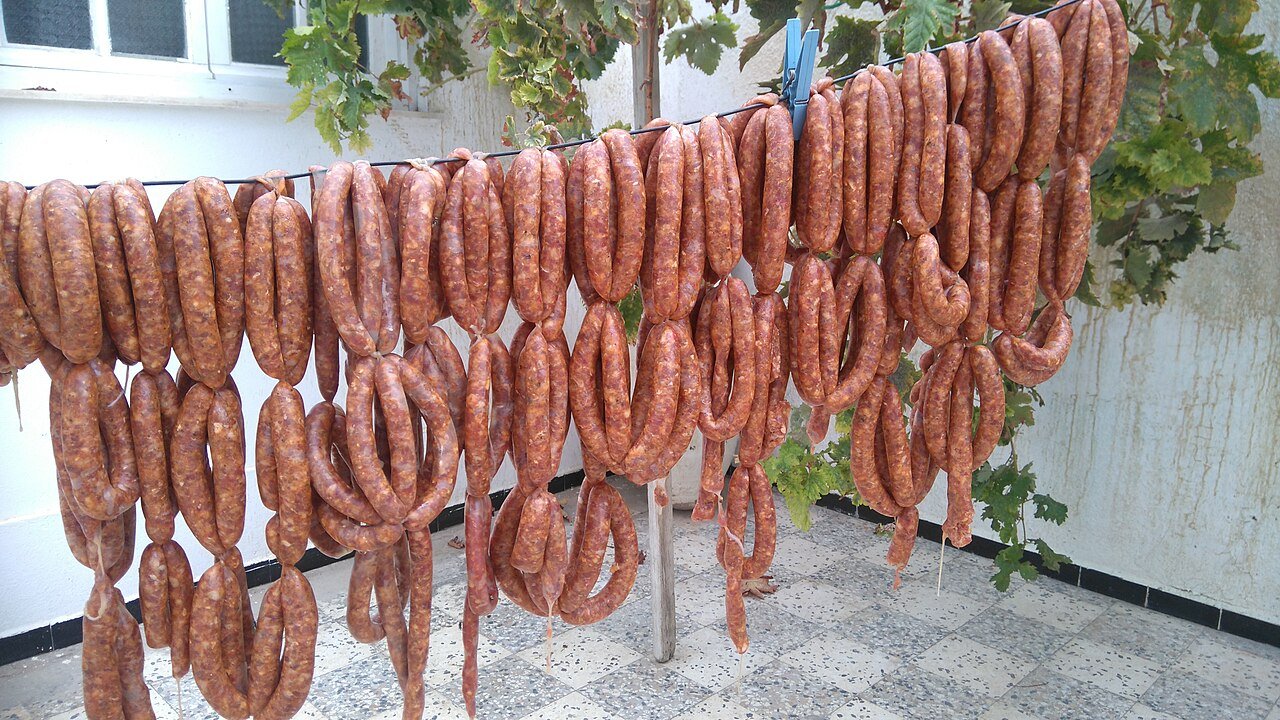
The classic spice profile
| Ingredient | What it adds | Our pick |
|---|---|---|
| Harissa or hot chili | Heat and the signature red color | El Hara Algerian Harissa |
| Sweet paprika | Deep color without extra heat | Casablanca Paprika |
| Cumin | Warm, earthy, savory backbone | Ground Cumin |
| Fennel seed | Light anise sweetness | Fennel Seeds |
| Coriander seed | Citrusy, floral lift | Coriander Seeds |
| Sumac | Tangy, lemony brightness | Ground Sumac |
| Garlic | Pungent depth | Fresh cloves |

How to Cook Merguez Perfectly
Because the sausage is thin, it cooks quickly, but it is still a fresh raw sausage. The goal is a crisp, browned outside and a juicy center that is fully cooked.
Ground lamb and beef, including sausages, should reach 160°F (71°C), according to the FoodSafety.gov temperature chart. An instant-read thermometer slid into the end of the sausage is the easiest check.
Do not prick the casing
Piercing lets the spiced fat run out and dries the sausage. Cook it whole over moderate heat, and turn it often so it browns evenly without splitting.
Cooking methods and times
| Method | Heat | Approximate time | Best for |
|---|---|---|---|
| Charcoal or gas grill | Medium, not flaming | 8 to 12 minutes, turning often | Smoky char and barbecue parties |
| Skillet | Medium, a few drops of oil | 10 to 12 minutes | Weeknights and sandwiches |
| Oven | 400°F on a lined tray | 15 to 20 minutes, turning once | Large batches |
| Simmered in sauce | Gentle simmer after browning | 10 to 15 minutes in the sauce | Ojja, chakchouka, stews |
Times depend on thickness and whether the sausages are chilled, so always confirm with a thermometer. Watch for flare-ups on the grill: these links release a lot of fat, so move it to a cooler spot if flames jump up.
Air fryer and leftovers
An air fryer also works well for thin sausages. Many cooks use about 375°F for 10 to 12 minutes, shaking the basket halfway, but models vary, so check the center with a thermometer. Line the basket if your model allows it, because the spiced fat drips freely.
Leftover cooked links are great sliced cold into salads or reheated in a dry pan for a few minutes. Reheat them until steaming hot all the way through before serving.
Homemade Merguez Without Special Equipment
Fresh links can be hard to find in parts of the US. This simple recipe makes the same spiced mixture as patties or skinless links, no sausage stuffer needed. Makes about 8 links or patties.
Ingredients
- 1 lb (450 g) ground lamb, or half lamb and half beef (about 20 percent fat)
- 2 garlic cloves, finely grated
- 1 to 2 tbsp harissa paste, to taste
- 1 1/2 tsp sweet paprika
- 1 tsp ground cumin
- 1 tsp fennel seeds, lightly crushed
- 1/2 tsp ground coriander or crushed coriander seeds
- 1/2 tsp sumac (optional)
- 1/4 to 1/2 tsp cayenne, to taste
- 1 tsp salt and 1 tbsp olive oil
- Optional: 1 tsp dried mint
Method
- Mix the spices. Stir the harissa, garlic, spices, salt and olive oil into a paste in a large bowl.
- Add the meat. Add the cold ground meat and mix with your hands for 1 to 2 minutes until the paste is evenly spread and the mixture feels slightly sticky.
- Rest it. Cover and refrigerate for at least 1 hour, or overnight, so the flavors meld.
- Test the seasoning. Fry a small piece, taste it, and add more salt, harissa or cayenne if needed.
- Shape. With damp hands, roll the mixture into thin logs about 5 inches long and 3/4 inch thick, or press it into small patties. Chill for 20 minutes to firm up.
- Cook. Pan-fry or grill over medium heat, turning gently, until browned and 160°F inside, about 8 to 10 minutes.
8 Delicious Ways to Eat Merguez
This sausage is versatile. From street-food sandwiches to slow-cooked stews, these are the classic ways North Africans and French cooks serve it.
Merguez sandwich
Tuck grilled links into a baguette with fries, onions and harissa. In France it is often finished with sauce algérienne, like Tayeb Algerienne Sauce.
Couscous with merguez
Grilled sausages over steamed couscous and vegetable broth is a restaurant favorite in France. Start with Dari medium couscous.
Ojja merguez
Sliced sausage simmered in a spicy tomato and pepper sauce, finished with eggs. A fast Tunisian lunch.
With chakchouka
Peppers and tomatoes cooked down with olive oil, with sausage slices added for a richer version of the vegetable stew.
Mixed grill
Serve the links next to lamb chops and kebabs with salads and bread. Kids often prefer a milder beef version.
With white beans
Brown the sausages, then simmer with white beans, tomato and cumin until thick. Hearty and cheap.
Sausage and eggs
Fry sliced sausage until crisp, push it aside and scramble or fry eggs in the spiced fat.
Pizza and pasta
Crumble the meat from the casing onto pizza or into a quick tomato pasta sauce for an instant chili kick.

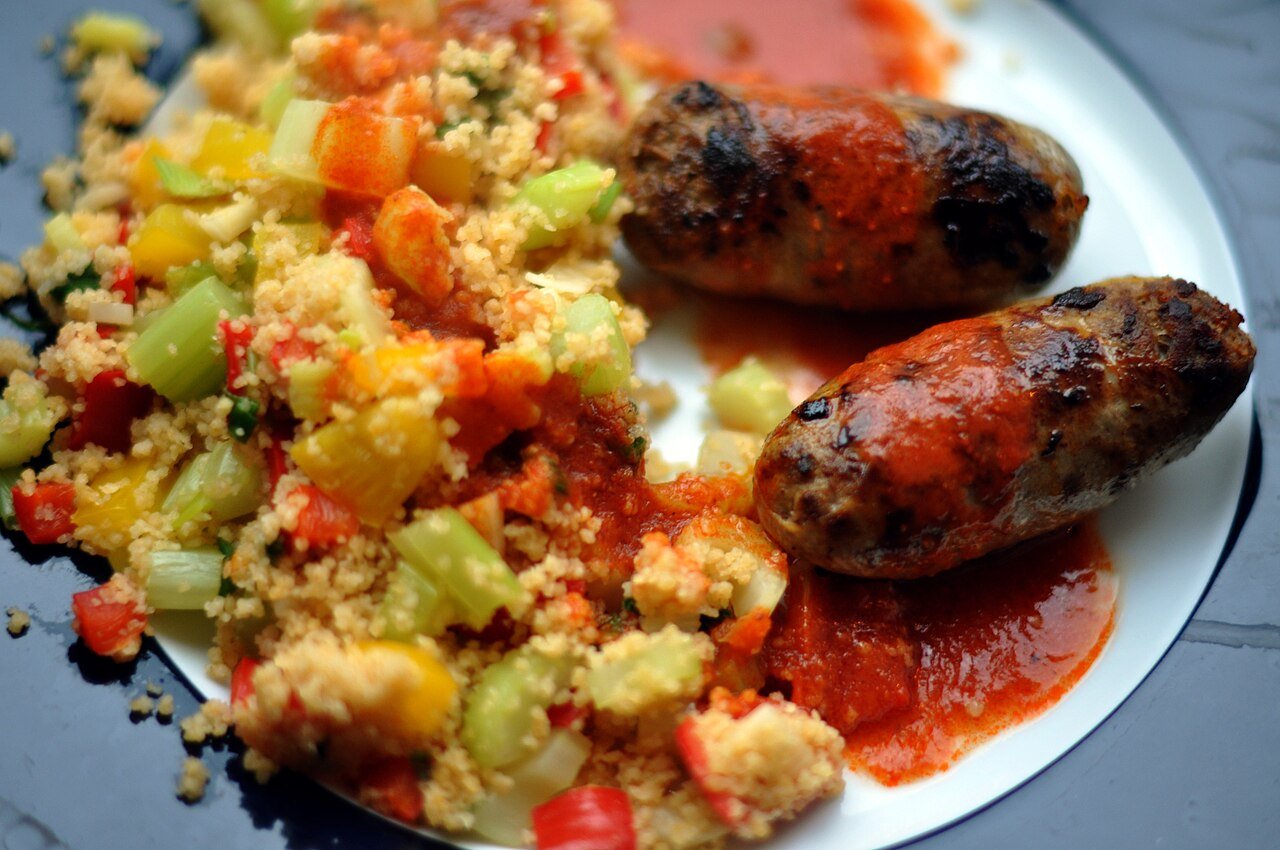
Quick ojja merguez for two
Brown 4 links, sliced, in a spoon of olive oil. Add 1 sliced bell pepper, 2 garlic cloves, 1 tablespoon of tomato paste and 1 teaspoon of harissa, then a cup of crushed tomatoes and a pinch of caraway. Simmer for 10 minutes, crack in 3 eggs, cover until set, and serve with bread.
Merguez Across the Maghreb and Beyond
The sausage is shared across the region, but every country has its habits.
Grill and street food
Often named as the birthplace of the sausage. It is a staple of summer grills and family celebrations, usually served with bread, salads and harissa.
Ojja and sun-dried links
Tunisians cook it in ojja and stews, and some still hang links to dry in the sun. Tunisian harissa is the classic partner.
Snack stalls and tagines
In Morocco it is popular at grill stalls and in sandwiches, and it sometimes goes into tagines and egg dishes.
France and the US
In France the sausage is so common that couscous with merguez appears on menus everywhere, and fast food chains have even offered versions of the sandwich. In the US you will find it at halal butchers, North African and Middle Eastern markets, some farmers’ markets and a growing number of supermarkets.
American versions vary a lot. Some are made with beef only, some with chicken or turkey, and some with lamb from local farms. Read labels for heat level and meat type before you buy.

How to Buy and Store Merguez Sausage
Good links should look deep red, feel firm and smell of spice rather than sour. Thin, even links with a tight casing cook most evenly.
Check the meat type
Lamb or mutton gives the traditional flavor; beef-only is milder. Check the label if anyone avoids a particular meat.
Look for certification
If you need halal sausages, buy from a certified halal butcher or a package with a recognized halal mark.
Ask about spice level
Some shops make mild and hot versions. If you cook for children, start mild and add harissa at the table.
Cook fresh links soon
Keep raw links cold and cook it within a couple of days of buying, or by the date on the package.
Freeze for later
Wrap links tightly and freeze. Thaw them in the fridge overnight before grilling for even cooking.
Reheat thoroughly
Refrigerate cooked sausages promptly and reheat leftovers to 165°F, as recommended for all leftovers.
General information only, not medical advice. This sausage is rich, salty and often high in fat, like most sausages. Enjoy it as part of a varied diet with plenty of vegetables, salads and grains, and check with a health professional if you follow a low-sodium or low-fat diet.
Best Merguez Pairings to Buy in the USA
We do not sell fresh sausages, but we stock the harissas, sauces, spices and couscous that make it taste like home. Shipped to all 50 states.
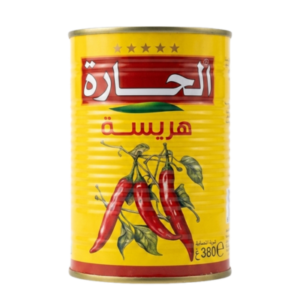
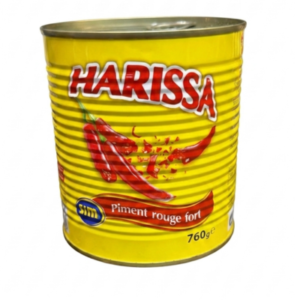


Like a sharper bite? Try Star Dijon mustard, a classic French partner for grilled sausages, read our guide to harissa, and see our shipping policy for delivery times.
Merguez FAQs
What is merguez made of?
It is made of ground lamb, mutton, beef or a mix, seasoned with chili or harissa, cumin, garlic and often paprika, fennel and coriander. The mixture is stuffed into a narrow sheep casing, which gives the sausage its thin shape.
Is merguez pork?
The traditional recipe never contains pork. It is made from lamb or beef, which is why it is popular in Muslim and Jewish communities. If you need it to be halal, choose a product or butcher with halal certification.
Is merguez spicy?
Most versions are moderately spicy, with heat from chili pepper or harissa. Spice levels vary by maker, and some shops offer mild versions for people who prefer less heat.
Is merguez already cooked?
No. It is a fresh raw sausage and must be cooked through before eating. Grill or pan-fry it until the center reaches 160°F, which usually takes about 8 to 12 minutes.
How long do you cook merguez?
On a grill or in a skillet over medium heat, plan on about 8 to 12 minutes, turning often. In a 400°F oven, allow about 15 to 20 minutes. Always check with a thermometer.
What do you eat with merguez?
Classic partners are bread, harissa, fries, couscous, grilled peppers and fresh salads. In Tunisia it is cooked with eggs in ojja, and in France it is often eaten in a baguette with spicy sauce.
Can I make merguez at home?
Yes. Mix ground lamb or beef with harissa, garlic, paprika, cumin, fennel and salt, rest it in the fridge, then shape it into skinless links or patties. A sausage stuffer and sheep casings give a more traditional result.
Further reading: Merguez (Wikipedia) · Merguez (French Wikipedia) · Safe minimum internal temperatures (FoodSafety.gov)
Fire Up the Grill This Weekend
Harissa, sauces, spices and couscous for the perfect merguez feast, delivered anywhere in the USA.
Shop Sauces and Condiments Shop All Products