What Is Harissa? Tunisian, Algerian & Moroccan Harissa Guide
Learn what harissa is made of and how spicy it really is. See how the three Maghreb styles differ, then try 15 easy ways to use it, a homemade recipe and our pick of the best brands.
Harissa is a spicy red chili paste from Tunisia. It is made from dried red chilies, garlic, salt, olive oil and spices such as caraway and coriander. It tastes smoky, garlicky and warm rather than sour like most hot sauces. You can use it as a condiment, a marinade, a soup base or a dip. Tunisian, Algerian and Moroccan harissa each have their own style, and all three ship from our pantry to all 50 states.
Your Complete Harissa Guide
If you have ever eaten a bowl of Tunisian lablabi, a Friday couscous in Algiers, or a plate of grilled merguez in Marseille, you have tasted harissa. This bright red paste is one of the most important flavors of the Maghreb. In 2022, UNESCO even added Tunisian harissa to its list of the intangible cultural heritage of humanity.
Here is where harissa comes from, how hot it is, how the three Maghreb styles differ and how to cook with it. If you want to try it today, browse our North African sauces & condiments collection.
- 01Harissa at a glance
- 02What is harissa?
- 03A short history of harissa
- 04Taste and heat level
- 05Harissa ingredients
- 06Tunisian vs Algerian vs Moroccan
- 07Tube, can, jar or powder?
- 0815 ways to use harissa
- 09Classic dishes with harissa
- 10Homemade harissa recipe
- 11Best harissa substitutes
- 12How to store harissa
- 13Is harissa healthy?
- 14Best harissa to buy
- 15Harissa FAQs
Harissa at a Glance
What Is Harissa?
Harissa (هريسة) is a hot chili pepper paste that started in Tunisia. It later became a staple across North Africa, including Algeria, Libya and Morocco. Traditional harissa is made by sun-drying red chilies, removing stems and seeds, then pounding or grinding them with garlic, salt and spices. Olive oil is added on top to protect the paste.
The name comes from the Arabic root harasa, which means “to pound” or “to crush.” That makes sense, because harissa was originally made with a mortar and pestle. Today most families and producers use grinders, but the idea is the same: a thick, concentrated paste that brings heat and deep flavor to everything it touches.
Harissa is not a thin, vinegary hot sauce. It is closer to a seasoning paste. You might add a spoonful to a stew the way you would add tomato paste. You might stir it into olive oil as a dip for bread, or rub it on chicken before grilling. In Tunisia it is served almost every day, often at the start of a meal with olive oil, olives and tuna.
From Cap Bon to the World
Chili peppers are not native to Africa. They came from the Americas after the Columbian exchange and reached Tunisia in the 1500s. Historians usually link their arrival to the Spanish presence in Tunisia between 1535 and 1574. Tunisian farmers took to the new crop quickly, and the fertile Cap Bon peninsula, with the town of Nabeul at its heart, became the center of harissa making.
For centuries harissa was a home product, usually prepared by women at the end of summer. Families would string red peppers and hang them on walls and rooftops to dry in the sun. Then they would gather to clean, grind and season them for the year ahead.

According to UNESCO’s listing for harissa, this work often takes place in “a convivial and festive family or neighbourhood setting.”
In December 2022, UNESCO added harissa to the Representative List of the Intangible Cultural Heritage of Humanity. The listing recognizes the knowledge, skills and social practices around it, not just the recipe. Nabeul still celebrates the chili every year with a harissa festival. Tunisia remains the world’s largest exporter of prepared harissa, which is why so many famous brands carry the name Cap Bon.
From Tunisia, harissa spread to Algeria and Libya, and then to Morocco. It went to France with North African families and from there to kitchens around the world. The best versions still come from the Maghreb.
What Does Harissa Taste Like, and How Spicy Is It?
Good harissa tastes like much more than heat. Expect four layers of flavor:
- Smoky and fruity chili: dried red chilies bring a rich, almost raisin-like depth that fresh chilies do not have.
- Garlic: sharp and savory, it is the backbone of most recipes.
- Warm, earthy spice: caraway, coriander and sometimes cumin give harissa its North African character. Caraway in particular is what makes harissa taste like harissa.
- Salt and olive oil: they round out the paste and carry the flavor into whatever you cook.
Unlike Sriracha or Louisiana-style hot sauce, harissa has little or no vinegar and very little sugar, so it tastes savory and deep rather than tangy or sweet. Some versions add tomato or roasted red pepper for a softer taste, and Moroccan-style blends may add a hint of preserved lemon or rose.
How hot is harissa?
Harissa is usually medium-hot. Traditional Tunisian harissa uses local peppers such as Baklouti, which are commonly estimated at roughly 4,000 to 5,000 Scoville heat units. That puts them in a range most people compare to a jalapeño. The heat of a finished paste depends on the chili, the brand and how much you use.
| Condiment | Typical heat | Flavor profile |
|---|---|---|
| Tunisian harissa paste | Medium-hot | Garlicky, smoky, caraway, salty |
| Algerian harissa | Medium to hot | Bold chili, garlic, often thicker |
| Moroccan harissa sauce | Mild to medium | Softer, often more tomato and oil |
| Sriracha | Mild-medium | Sweet, garlicky, vinegary |
| Gochujang | Mild-medium | Sweet, fermented, sticky |
| Sambal oelek | Medium-hot | Fresh chili, vinegar, no spice blend |

Harissa Ingredients
There is no single official recipe, but almost every traditional harissa contains:
- Dried red chili peppers, the main ingredient, usually 60–80% of the paste.
- Garlic
- Salt, for flavor and preservation.
- Caraway seeds (karwiya), the signature spice.
- Coriander seeds (tabel)
- Olive oil, mixed in and poured on top to seal the paste.
Optional additions include ground cumin, tomato paste, roasted red bell pepper, lemon juice, mint and smoked paprika. Commercial pastes in tubes and cans often include tomato, citric acid or a little vegetable oil for a smooth, stable texture. Always read the label if you have allergies or watch your salt intake.
If you plan to make your own harissa or build North African spice blends, our Moroccan spices range has the basics, including whole cumin seeds, ground cumin and the classic Casablanca Ras El Hanout.
Tunisian vs Algerian vs Moroccan Harissa
All three countries love harissa, but each has its own style. Here is how they compare.
| Tunisian harissa | Algerian harissa | Moroccan harissa | |
|---|---|---|---|
| Role | Everyday staple, eaten at almost every meal | Key seasoning for soups, stews and couscous | Side condiment or added to tagines and grills |
| Heat | Medium-hot to hot | Medium to hot | Usually milder |
| Texture | Thick paste, coarse when homemade | Thick, often sold in larger cans | Looser, sauce-like, more oil |
| Signature flavor | Caraway, coriander, garlic | Chili-forward, garlic | Gentler spice, sometimes lemon or tomato |
| Famous uses | Lablabi, ojja, kafteji, tuna plates | Chorba, couscous, chakhchoukha | Tagines, kefta, grilled fish |
Tunisian harissa
The original and, for many people, the gold standard. It is concentrated, garlicky and noticeably spiced with caraway. A Tunisian table is rarely without a small plate of harissa topped with olive oil. If you are buying harissa for the first time, a Tunisian paste is the classic place to start.
Cap Bon tube · Le Phare du Cap Bon can · All Tunisian products
Algerian harissa
In Algeria, harissa is less often eaten on its own and more often cooked into food. It gives color and kick to chorba (soup), marqa (stew) and couscous sauces, especially in the east around Annaba. Families usually buy larger cans because they cook with it every day.
El Hara Hot harissa · Akfadou olive oil · All Algerian products
Moroccan harissa
Morocco is better known for ras el hanout and chermoula, but harissa has a firm place there as a side condiment for tagines, kefta and grilled fish. Moroccan-style harissa is often milder and more saucy, a great “gateway” harissa for people new to spicy food.
Tube, Can, Jar or Powder?
- Tube: the most convenient choice for small households. You squeeze out only what you need and the rest stays fresh. Try the Le Phare du Cap Bon 70g tube or the larger 140g Cap Bon tube.
- Small can (around 135g): the classic Tunisian format, and good value. Once opened, move the paste to a glass jar. Try the Le Phare du Cap Bon 135g can.
- Large can (380g–800g): best for families and anyone who cooks North African food every week. Our options include El Hara 380g, Sim Harissa 760g and Jeblia Harissa 800g.
- Jar or sauce bottle: often looser and more oil-rich, so it is easy to spoon or drizzle. The Casablanca Moroccan harissa is a good example.
- Powder or spice mix: a dry blend you mix with oil or water. It is handy for dry rubs, but most cooks prefer paste for flavor.

15 Easy Ways to Use Harissa
Harissa is one of the most versatile ingredients in any pantry. Here are 15 ideas, from traditional dishes to everyday American cooking.
The Tunisian plate
Spread harissa on a small plate, pour olive oil over it and add olives and canned tuna. Scoop it up with crusty bread.
Harissa olive oil dip
Mix 1 tbsp harissa with 4 tbsp good olive oil, such as Mina Moroccan extra virgin olive oil, plus salt and lemon.
Harissa yogurt sauce
Stir 1–2 tsp into Greek yogurt with garlic and lemon. Serve with grilled meat, falafel or roasted vegetables.
Harissa mayo
Mix equal parts harissa and mayonnaise for burgers, fries and chicken sandwiches.
Roast chicken rub
Combine harissa, olive oil, lemon juice, garlic and salt. Rub it under the skin and roast.
Shakshouka
Add a spoonful to the tomato and pepper base before cracking in the eggs.
Spicy couscous
Stir harissa into the vegetable broth. Our couscous collection has fine, medium and barley couscous.
Soups and stews
One teaspoon in lentil soup, chickpea soup or chorba adds instant depth and color.
Roasted vegetables
Toss carrots, potatoes or cauliflower with harissa and oil. Add it in the last 10 minutes so the chili doesn’t burn.
Harissa butter
Mash equal parts softened butter and harissa. Melt it over steak, corn on the cob or grilled fish.
Pasta and pizza
Swirl into tomato sauce or brush on pizza crust for a North African twist.
Eggs, any style
Add to scrambled eggs, omelets or deviled egg filling.
Tuna or egg salad
Mix a little into the dressing, or skip a step with Mario tuna in harissa sauce.
Fish and shrimp
Harissa, olive oil, garlic, cumin and lemon. Marinate 20–30 minutes and grill.
Honey-harissa glaze
Mix harissa with honey for wings, salmon or roasted carrots. Sweet, spicy and addictive.

Classic Dishes Made with Harissa
Lablabi
A humble chickpea soup served over torn stale bread and topped with cumin, olive oil, a soft egg, capers and a big spoonful of harissa. Tunisia’s favorite winter breakfast and street food.
Ojja
Tunisia’s cousin of shakshouka. Eggs are cooked in a spicy tomato and harissa sauce, often with merguez sausage or shrimp.
Kafteji
Fried peppers, potatoes, squash and tomatoes chopped together with fried eggs and seasoned with harissa. A much-loved street sandwich filling.
Chorba and couscous
Harissa colors the broth of many soups and couscous sauces, from Tunisian fish couscous to red-sauce couscous in eastern Algeria.
Merguez
These spicy lamb or beef sausages owe their red color and kick to harissa or chili. A staple of North African grills.
Salads and starters
Harissa goes into slata mechouia (grilled pepper salad) and omek houria (spiced carrot salad).

Easy Homemade Harissa (Tunisian Style)
Store-bought harissa is excellent and saves time, but homemade harissa is easy and rewarding. This version makes about one cup.
Ingredients
- 2 oz (about 55g) dried red chilies, such as guajillo, New Mexico or a mix with a few hotter chilies
- 4 cloves garlic
- 1 tsp caraway seeds
- 1 tsp coriander seeds
- ½ tsp cumin seeds
- 1 tsp salt
- 1 tbsp lemon juice (optional)
- 3–4 tbsp extra virgin olive oil, plus more to cover
Method
- Soak the chilies. Remove the stems and most of the seeds. Cover with hot water and soak for 20–30 minutes until soft. Drain, keeping a few tablespoons of the water.
- Toast the spices. Toast the caraway, coriander and cumin in a dry pan for 1–2 minutes until fragrant, then grind.
- Blend. Put the chilies, garlic, ground spices, salt and lemon juice in a food processor. Pulse while adding olive oil until you have a thick paste. Add a spoon of soaking water if needed.
- Taste and adjust. Add more salt, garlic or a pinch of cayenne if you want more heat.
- Store. Spoon into a clean jar, press down and cover with a thin layer of olive oil. Refrigerate.
Best Harissa Substitutes
These swaps get you close, although nothing tastes exactly the same:
- Sriracha + spices: 2 tsp Sriracha, 1 tsp olive oil, ½ tsp red pepper flakes, ½ tsp chili powder and a pinch of ground caraway or cumin. This is a version of the swap suggested by Milk Street.
- Sambal oelek: similar heat and texture. Add garlic and ground caraway.
- Red pepper flakes + tomato paste: mix 1 tbsp tomato paste, 1 tsp red pepper flakes, olive oil, garlic and cumin.
- Chipotle in adobo: smoky and spicy, but sweeter and tangier.
- Gochujang: works in marinades, but it is sweeter and fermented.
How to Store Harissa
| Type | After opening | Best way to store |
|---|---|---|
| Tube | Several weeks to a few months | Close the cap tightly and refrigerate |
| Can | Transfer at once, then several weeks | Glass jar, olive oil on top, refrigerate |
| Jar / sauce | Follow the label | Refrigerate, clean spoon only |
| Homemade | About 2–3 weeks | Glass jar, oil layer, refrigerate |
Unopened tubes, cans and jars keep until the best-by date in a cool cupboard. Freezing works well too: spoon harissa into an ice cube tray, freeze, then keep the cubes in a bag and drop one straight into soups and stews. Throw harissa away if you see mold, smell anything sour or “off,” or the can is bulging.
Is Harissa Healthy?
Used as a condiment, harissa can easily be part of a healthy diet. It is made mostly from chilies, garlic, spices and olive oil, and it is low in calories per teaspoon. Chili peppers contain capsaicin, the compound behind the heat, which researchers have studied for its possible effects on metabolism and inflammation.
A large study discussed by the Harvard T.H. Chan School of Public Health followed nearly 500,000 adults. It found that people who ate spicy food almost every day had a lower risk of early death than those who rarely did. The researchers also point out that this kind of study shows a link, not proof of cause.
- Sodium: harissa contains salt. Use it in place of extra salt, not on top of it, and check the label if you are on a low-sodium diet.
- Sensitive stomach: spicy food can trigger heartburn or reflux in some people. Start small.
- Dietary fit: most traditional harissa is naturally vegan, gluten-free and halal, but always check the ingredients list of the specific brand.
This section is for general information only and is not medical advice.
Best Harissa to Buy in the USA
Look for chili as the first ingredient, a short label and the right size for how often you cook. Our favorites:
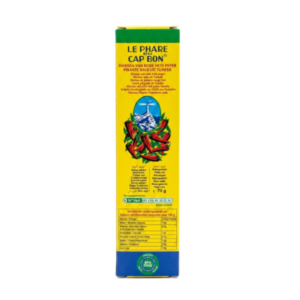 Best for beginnersLe Phare du Cap Bon Harissa Tube 70g
Small, fresh and classic Tunisian. Squeeze out only what you need.
Shop now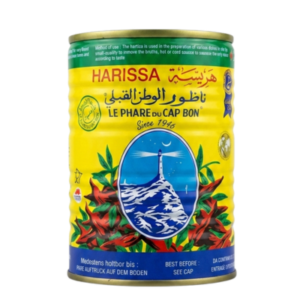 Best classic TunisianLe Phare du Cap Bon Harissa Can 135g
The iconic can from Cap Bon, the home of harissa.
Shop now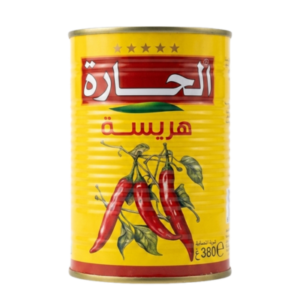 Best for Algerian cookingEl Hara Hot Algerian Harissa 380g
Bold heat for chorba, marqa and couscous.
Shop now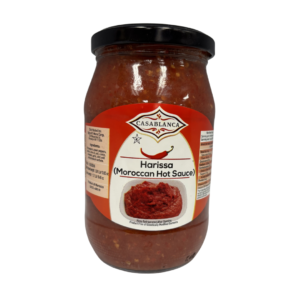 Best mild and saucyCasablanca Moroccan Harissa 720g
Easy to spoon and drizzle over tagines and grills.
Shop now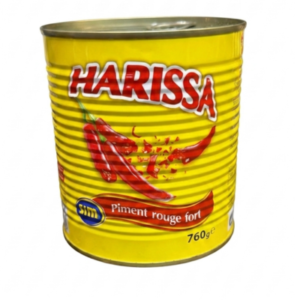 Best value for familiesSim Harissa 760g
A big can for weekly North African cooking. Also try Jeblia 800g.
Shop now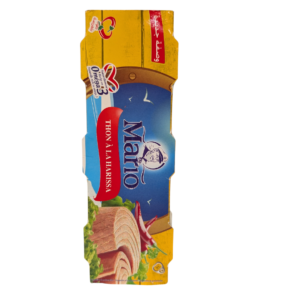 Ready to eatMario Tuna in Harissa Sauce
Three 80g cans of tuna in spicy harissa. Lunch in seconds.
Shop now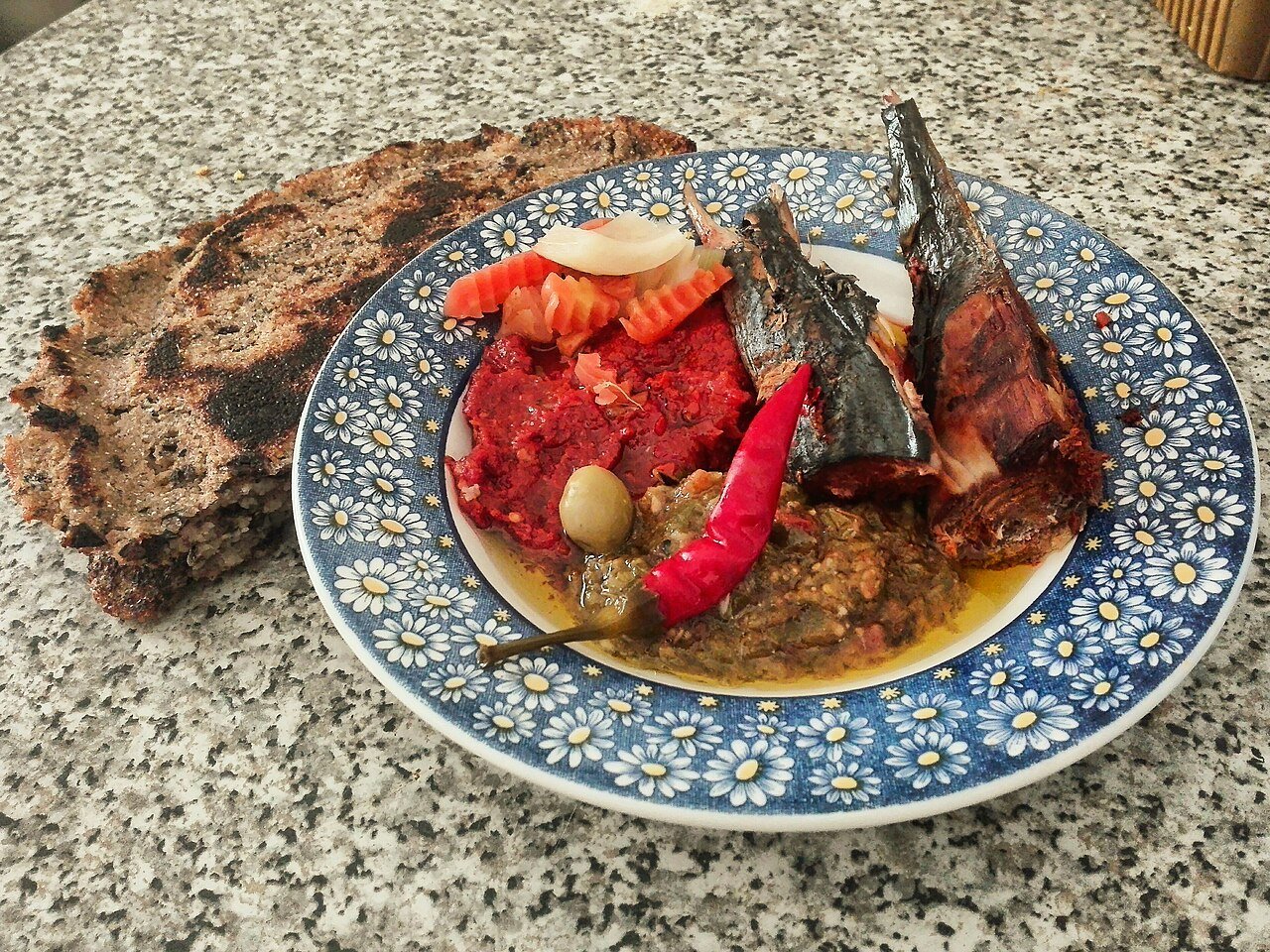
Pair your harissa with the rest of a North African pantry. Try Moroccan sardines, olives and pickles, olive oils and Moroccan mint tea to finish the meal. We ship across the USA. See our shipping policy for delivery times and free shipping on qualifying orders.
Harissa FAQs
What is harissa made of?
Traditional harissa is made from dried red chili peppers, garlic, salt, olive oil and spices, usually caraway and coriander. Some versions add cumin, tomato, roasted red pepper or lemon.
Is harissa very spicy?
Most harissa is medium-hot, similar to a jalapeño. Tunisian and Algerian pastes tend to be hotter, and Moroccan-style sauces are usually milder. Start with half a teaspoon and add more to taste.
Is harissa the same as sriracha?
No. Sriracha is a thin, sweet and vinegary sauce. Harissa is a thick paste with almost no sugar or vinegar, and it is flavored with garlic, caraway and coriander. It tastes more savory and smoky.
Where is harissa from?
Harissa comes from Tunisia, especially the Cap Bon peninsula around Nabeul. It is also an everyday ingredient in Algeria, Libya and Morocco. UNESCO added Tunisian harissa to its intangible cultural heritage list in 2022.
Do you refrigerate harissa after opening?
Yes. Keep opened harissa in the fridge. Move canned harissa to a glass jar, smooth the top and cover it with a thin layer of olive oil to keep it fresh longer.
Is harissa vegan, gluten-free and halal?
Traditional harissa is made only from plant ingredients, so it is naturally vegan and gluten-free, and it is generally considered halal. Always check the label of the specific brand you buy.
What can I use instead of harissa?
Mix Sriracha or sambal oelek with olive oil, red pepper flakes, chili powder and a pinch of caraway or cumin. Tomato paste with red pepper flakes, garlic and cumin also works in stews.
Where can I buy authentic harissa in the USA?
Maghribi Market carries authentic Tunisian, Algerian and Moroccan harissa in tubes, cans and jars, including Le Phare du Cap Bon, El Hara, Sim, Jeblia and Casablanca. We ship to all 50 states.
Further reading: UNESCO: Harissa · Harissa on Wikipedia · Harvard: Does eating spicy foods have health benefits?
Bring Home the Real Taste of the Maghreb
Authentic Tunisian, Algerian and Moroccan harissa, plus couscous, spices, olive oil and more, delivered across the USA.
Shop Harissa & Condiments Shop All Products