Tunisian Food 10 Dishes, Flavors and Pantry Staples to Know
A friendly guide to Tunisian food: the flavors that define it, the dishes to try first, street food, sweets, regional specialties and how to cook it at home in the USA.
Tunisian food is the bold, olive oil rich cooking of Tunisia, built on harissa, caraway, coriander, garlic, tomato, seafood and durum wheat in the form of couscous and bread. It is usually spicier than Moroccan cooking. Famous dishes include couscous, brik, lablabi, ojja, salade mechouia, kafteji and makroudh. Most of the flavor comes from a few pantry staples, so it is easy to cook at home.
Your Complete Tunisian Food Guide
If you have only tried Tunisian food once, chances are it was a spoonful of harissa or a plate of couscous. Both are great starting points, but they are only the beginning. Tunisia sits on the Mediterranean between Algeria and Libya, and its kitchen mixes Amazigh (Berber) roots with Arab, Andalusian, Ottoman, Italian and French influences.
The result is a cuisine of bright red sauces, crisp pastries, fragrant seeds and plenty of fish. This guide explains what makes it distinctive, walks you through ten dishes worth knowing and shows how to stock a small pantry from our Tunisian products and sauces and condiments collections.
Tunisian Food at a Glance
What Makes Tunisian Food Unique?
Three things set Tunisian food apart from its neighbors: heat, olive oil and the sea. Tunisian cooks reach for chili far more often than Moroccan cooks do, and many dishes are finished with a generous pour of olive oil. With a long Mediterranean coastline, fish and seafood also play a much bigger role than in many inland North African kitchens.
History left layers on the plate. Amazigh communities gave the region couscous and flatbreads. Arab cooks brought new spices and sweets, Andalusian refugees brought pastry skills, and the Ottomans left a taste for layered pastries and baklawa. Italian and French influence is visible in pasta dishes, baguette sandwiches and coffee culture. The Wikipedia overview of Tunisian cuisine is a useful summary of these influences.
Olive oil is the backbone. Tunisia is one of the world’s largest producers and exporters of olive oil, and olive groves cover much of the center and south of the country. In many homes, a dish without a good splash of oil simply does not feel finished.
Key Flavors of Tunisian Food
Learn these six building blocks and you will recognize the taste of Tunisian food anywhere.
Harissa
A paste of dried red chilies, garlic, salt and spices such as coriander and caraway. In 2022 UNESCO added harissa to its Intangible Cultural Heritage list, recognizing the culinary and social traditions around it. Read more in our guide What is harissa?
Tabil
A Tunisian spice blend of coriander and caraway, often with garlic and chili. The word once meant coriander alone. Make your own with ground coriander and caraway seeds.
Caraway and cumin
Caraway is used far more in Tunisia than elsewhere in the region, especially in salads and stews. Cumin is the soul of lablabi and many fish dishes.
Tomato, garlic and peppers
Tomato paste, fresh tomatoes, garlic and roasted peppers form the red base of countless sauces.
Olive oil, capers and olives
These bring richness and a briny edge, especially in salads and sandwiches.
Preserved tuna
Canned or oil-packed tuna appears in brik, salads and sandwiches all over the country.

10 Tunisian Food Dishes to Try First
These ten dishes give you a full picture of everyday Tunisian food, from family meals to quick snacks.
Couscous (kosksi)
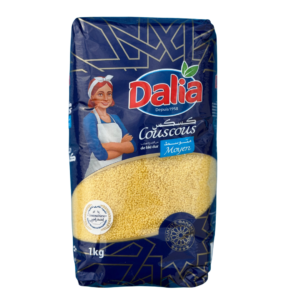
Steamed durum wheat couscous under a spicy red sauce with lamb, chicken, fish or vegetables. Tunisian versions are usually redder and hotter than Moroccan ones. Try it with Dalia medium couscous.
Brik
A paper-thin malsouka sheet folded around an egg, tuna, parsley and capers, then fried until crisp. The yolk should stay runny.
Lablabi
A chickpea soup ladled over torn stale bread and topped with cumin, harissa, olive oil and often a soft egg. A favorite cold-weather breakfast.
Ojja
Eggs cooked in a spicy tomato, pepper and harissa sauce, often with merguez sausage or shrimp. Quick, hearty and made in one pan.
Salade mechouia
Grilled peppers, tomatoes, onion and garlic chopped or mashed with caraway, olive oil and lemon, then topped with tuna and eggs.
Kafteji
Fried peppers, squash, tomato and potato chopped together with eggs. It is often served in a sandwich from street stalls.
Omek houria
Boiled carrots mashed with garlic, caraway, harissa, vinegar and olive oil. A bright, spicy side dish.
Kabkabou
Fish simmered in a tomato sauce with capers, olives, preserved lemon and saffron, popular along the coast.
Mloukhia
A dark green beef or lamb stew made with powdered dried jute leaves. It cooks for hours and is often served for the Islamic New Year.
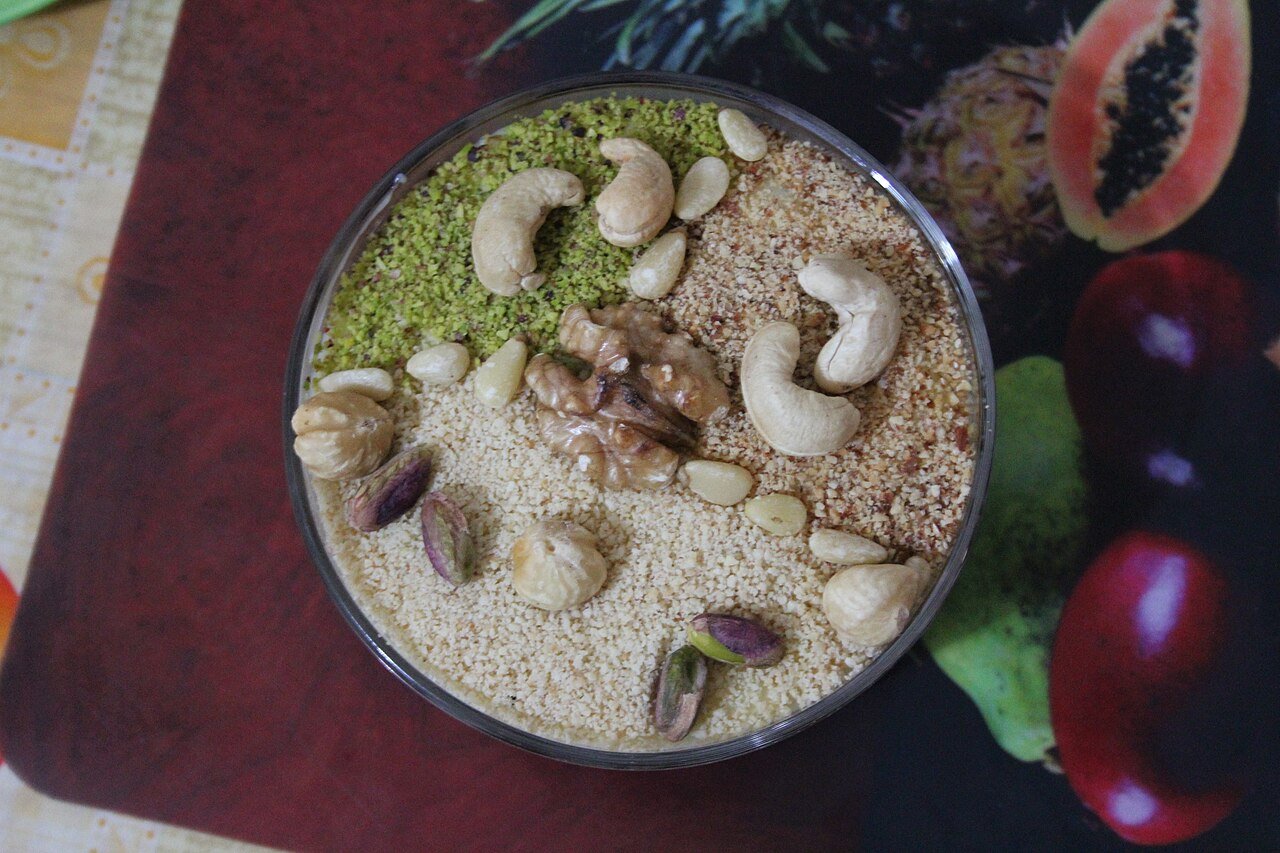
Masfouf
A sweet couscous with butter, sugar, dates or raisins and nuts, eaten for breakfast and at suhoor in Ramadan.

Why couscous comes first
Couscous is the dish most Tunisians name when asked about national food. In 2020, UNESCO inscribed the knowledge and practices of couscous on its heritage list, in a joint nomination from Algeria, Mauritania, Morocco and Tunisia.
At home, couscous is served on Fridays, at weddings and at family gatherings. Coastal families often make it with fish, while inland cooks prefer lamb. Browse our full range of couscous, from fine to medium and barley.
Brik at home
To make brik, you only need malsouka sheets, eggs, tuna and parsley. Our Tayeb malsouka brik sheets are made for exactly this.
Tunisian Street Food and Snacks
Some of the best Tunisian food is sold from small shops and carts and eaten standing up. Look for these favorites.
Fricassé
A small fried bread roll stuffed with tuna, egg, potato, olives, capers and harissa.
Casse-croûte tunisien
A baguette packed with mechouia or kafteji, tuna, egg, olives and harissa. The country’s go-to lunch.
Mlewi
A thin, layered griddle bread wrapped around tuna, egg and harissa, rolled up like a wrap.
Brik à l’oeuf
Sold hot from street fryers, often eaten by holding the corners and biting carefully around the yolk.
Bambalouni
A light, fried dough ring dusted with sugar, especially popular in Sidi Bou Said with a morning coffee.
Lablabi bars
Small shops that serve only lablabi, built to order with egg, tuna, capers and extra harissa.
The tuna and harissa habit
Walk through any Tunisian street food stall and you will notice two ingredients in almost everything: tuna and harissa. Good canned tuna in oil is a pantry essential, such as Isabel tuna in olive oil or Mario solid light tuna. Find more in our canned fish range.
How to order like a local
Expect to be asked how spicy you want it. “Harr” means hot. If you are unsure, ask for a little harissa on the side.

Tunisian Food Region by Region
Tunisia is small, but its cooking changes from the northern coast to the Saharan oases.
Capital classics
Tunis is known for refined family cooking, pastries, lablabi shops and a busy central market full of fish, olives and spices. The northwest is greener, with more wheat, dairy and game.
Chili country
The Cap Bon peninsula is famous for chilies and harissa making, with peppers dried in the sun in late summer. Try our Le Phare du Cap Bon harissa.
Fish, oil and oases
Sfax is a center of olive oil and fish cooking. Djerba is known for its own rice dish, rouz djerbi, while Gabès uses a fermented chili and onion paste called hrous.

Market culture
Daily shopping in Tunisia often happens at covered markets, where butchers, fishmongers, olive sellers and spice merchants work side by side. Strings of dried red peppers, mounds of olives and jars of harissa are part of the scenery.
Bread on every table
Bread is served with almost every meal, from French-style baguettes to round semolina loaves baked at home. It is used to scoop up sauces in place of a fork.
Our store does not sell Tunisian olive oil, but you can cook these dishes with our North African olive oils from Morocco and Algeria.
Tunisian Sweets, Tea and Dates
Tunisian desserts lean on semolina, dates, nuts, honey and fragrant waters. Many are tied to holidays.
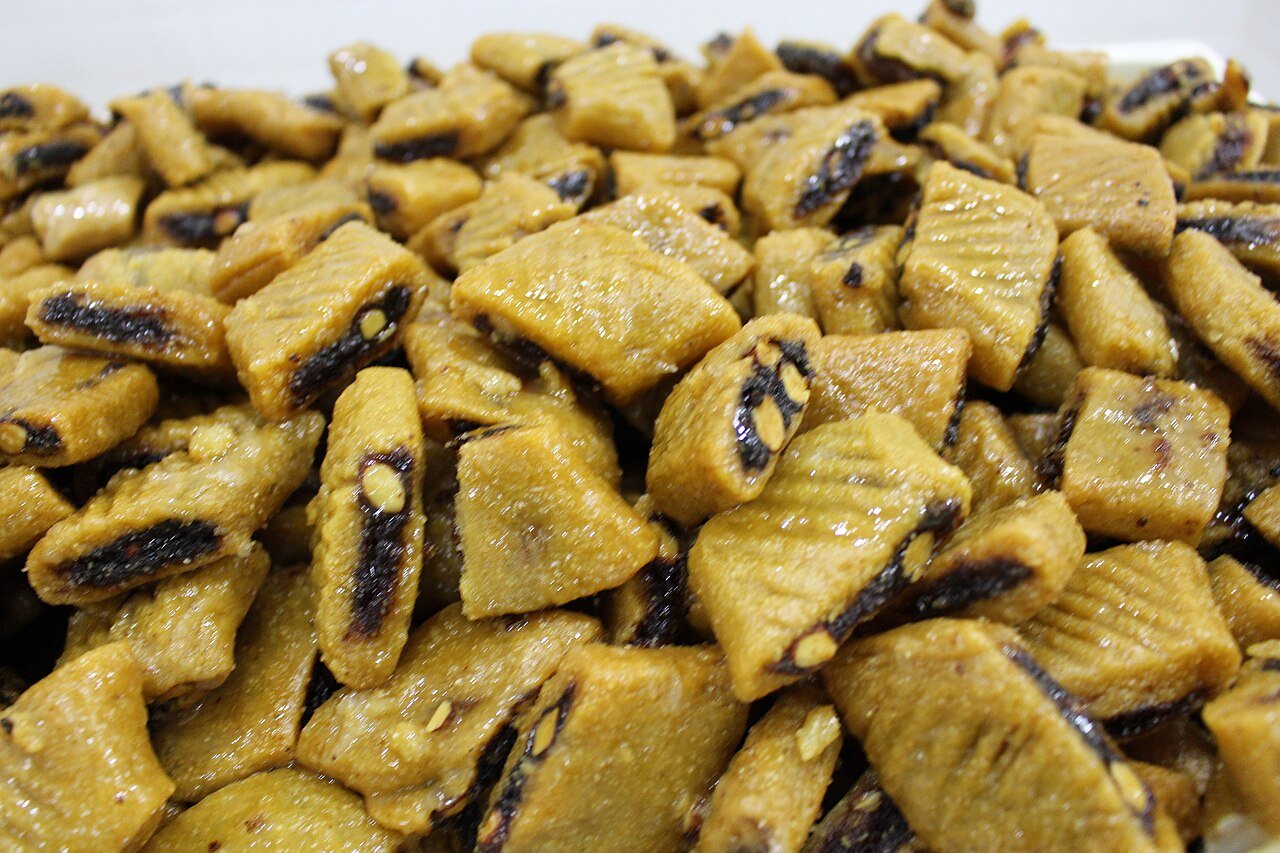
Makroudh
Diamond-shaped semolina pastries filled with date paste, fried or baked, then dipped in honey or syrup. Kairouan is the most famous home of makroudh.
Assida zgougou
A smooth, dark pudding made from Aleppo pine seeds and topped with custard and nuts. It is traditionally prepared to celebrate the Prophet’s birthday, Mawlid.
Baklawa and samsa
Layered pastries filled with nuts and soaked in syrup, often perfumed with rose or orange blossom water, and served at weddings and Eid.
Tea with pine nuts
Tunisians often serve strong, sweet tea with a few pine nuts floating on top. Explore our tea time collection for green and mint teas.
Deglet Nour dates
The oases around Tozeur and Kebili are famous for Deglet Nour dates, and Tunisia is one of the leading date exporters. See our dates section for North African dates when in stock.
Ramadan and holiday tables
During Ramadan, Tunisian food at iftar often starts with dates and milk, followed by chorba soup, brik and a main dish. Sweets such as makroudh and zlabia appear in the evenings.
For Eid, families bake trays of cookies and pastries to share with relatives and neighbors. Many of these use semolina, dates and nuts, plus a few drops of flower water.
Tunisian vs Moroccan vs Algerian Food
The three cuisines share couscous, bread, tea and many spices, but each has its own personality.
| Feature | Tunisia | Morocco | Algeria |
|---|---|---|---|
| Heat | Often spicy, harissa in many dishes | Usually mild, warm spices | Moderate, varies by region |
| Signature flavors | Harissa, caraway, coriander, tabil | Ras el hanout, saffron, ginger, preserved lemon | Cumin, coriander, cinnamon, paprika |
| Iconic dish | Couscous, brik, lablabi | Tagine, couscous, pastilla | Couscous, chakhchoukha, chorba |
| Sauce color | Often bright red | Often golden or yellow | Red or white, by region |
| Seafood | Very common | Common on the coast | Common on the coast |
| Tea style | Strong tea, sometimes with pine nuts | Green tea with fresh mint | Mint tea and coffee |
These are broad patterns, not rules. Home cooks in every country have their own family versions, and border regions often share dishes. Still, if a plate is red, spicy and finished with olive oil and caraway, there is a good chance it is Tunisian food.
Cook Tunisian Food at Home: Easy Ojja
Ojja is the easiest way to taste Tunisian food at home. It takes about 25 minutes, serves 2 to 3 and uses pantry staples you can find in our store or any supermarket.
Ingredients
- 3 tablespoons olive oil
- 1 small onion, chopped
- 1 green bell pepper or 2 mild long peppers, sliced
- 3 garlic cloves, minced
- 1 to 2 teaspoons harissa, to taste
- 1 tablespoon tomato paste
- 2 ripe tomatoes, grated, or 1 cup crushed tomatoes
- ½ teaspoon ground caraway
- ½ teaspoon ground coriander
- ½ cup water, salt and pepper
- 4 eggs
- Optional: sliced merguez or shrimp, chopped parsley
Method
- Soften the vegetables. Heat the olive oil in a wide skillet over medium heat. Cook the onion and pepper for 5 to 6 minutes until soft.
- Bloom the flavors. Add garlic, harissa, tomato paste, caraway and coriander. Stir for 1 minute until fragrant.
- Make the sauce. Add the tomatoes and water, season with salt and pepper and simmer for 8 to 10 minutes until slightly thick. Add merguez or shrimp now if using.
- Add the eggs. Make four wells and crack in the eggs. Some cooks stir them lightly into the sauce, others leave them whole.
- Cover and cook. Cover and cook on low heat for 4 to 6 minutes, until the whites are set and the yolks are still soft.
- Serve. Sprinkle with parsley and serve straight from the pan with crusty bread.
A starter pantry shopping list
To cook most everyday Tunisian food, keep these on hand: a jar or tube of harissa, ground caraway and coriander, cumin, tomato paste, good olive oil, canned tuna, capers or olives, couscous and malsouka sheets. For bigger batches, a family-size can such as Sim harissa 760g is good value.
Best Tunisian Food Staples to Buy in the USA
Start with these six staples and you can cook brik, ojja, couscous and salads at home.
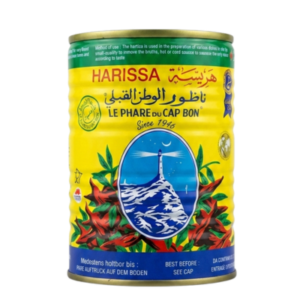 Must-haveLe Phare du Cap Bon Harissa
Classic Tunisian chili paste for sauces, soups and sandwiches.
Shop now


We ship North African groceries to all 50 states. See our shipping policy for delivery times.
Tunisian Food FAQs
What is the most popular Tunisian food?
Couscous, called kosksi in Tunisia, is the national dish and the most popular family meal. Brik, lablabi, ojja and salade mechouia are also everyday favorites.
Is Tunisian food spicy?
Often, yes. Tunisian food is generally considered the spiciest in North Africa because harissa goes into many sauces, soups and sandwiches. You can always use less harissa or serve it on the side.
What is the difference between Tunisian and Moroccan food?
Tunisian dishes tend to be hotter and redder, flavored with harissa, caraway and coriander, and use a lot of seafood and olive oil. Moroccan cooking is usually milder and more aromatic, with ras el hanout, saffron, ginger and preserved lemon.
What spices are used in Tunisian food?
The key spices are chili in the form of harissa, caraway, coriander, cumin and garlic. Caraway and coriander are often combined in the blend called tabil.
What do Tunisians eat for breakfast?
Common breakfasts include lablabi chickpea soup, bread with olive oil, bsissa, eggs, sweet masfouf couscous, pastries and bambalouni with coffee or tea.
Is Tunisian food healthy?
Many dishes are built on olive oil, vegetables, legumes, fish and whole grains, which fits a Mediterranean style of eating. Some street foods are fried, so balance them with salads and stews. This is general information only, not medical advice.
Where can I buy Tunisian food ingredients in the USA?
You can order harissa, malsouka brik sheets, couscous, caraway, coriander and canned tuna online from Maghribi Market, which ships to all 50 states.
What is a typical Tunisian dessert?
Makroudh, a semolina pastry filled with dates and dipped in honey or syrup, is the best known. Assida zgougou, baklawa, samsa and bambalouni are also popular.
Further reading: Tunisian cuisine (Wikipedia) · UNESCO: Harissa · UNESCO: Couscous
Bring Tunisian Flavors to Your Kitchen
Harissa, brik sheets, couscous, spices and canned fish, delivered anywhere in the USA.
Shop Tunisian Products Shop All Products