Tunisian Couscous With Fish or Lamb The Red, Spicy Kosksi of Tunisia
How Tunisian couscous differs from Moroccan, the spices and harissa that make it red, two complete recipes for lamb and fish, and how to steam the grain the traditional way.
Tunisian couscous, or kosksi, is steamed semolina served with a red sauce of tomato paste, harissa and spices, cooked with lamb or fish, chickpeas and vegetables. Unlike most Moroccan versions, the grain is usually mixed with the spicy sauce before serving, so it turns orange-red. Lamb couscous is a classic inland and family dish, while fish couscous with grouper or sea bream is a favorite along the coast, especially in Sfax.
Your Complete Kosksi Guide
Tunisian couscous is the dish that fills the table at Sunday lunch, at weddings and after Eid prayers. It is bolder than its neighbors: deep red, gently fiery from harissa and fragrant with caraway and coriander. Every family has its own version, and every cook has an opinion on how much heat is enough.
This guide gives you two reliable recipes, one with lamb and one with fish, plus the shortcuts that make kosksi possible on a weeknight in the US. You can stock the grain from our couscous collection and the paste from our Tunisian products aisle.
Tunisian Couscous at a Glance
What Makes Tunisian Couscous So Different?
Couscous began with the Amazigh (Berber) peoples of North Africa, and today it is eaten in every Maghreb country. In Tunisia it is often called the national dish, and the word kosksi is used for both the grain and the finished meal.
Three things set Tunisian couscous apart. First, the sauce is red, built on tomato paste, harissa and sweet paprika. Second, the spice blend leans on caraway and coriander, the backbone of the Tunisian mix called tabil. Third, the sauce is ladled into the grain before serving, so every bite is seasoned and moist.
Tunisia has a long coastline, so fish couscous is just as traditional as meat. In coastal cities the catch of the day is fried or poached and laid on top of a mound of spicy grain.

Tunisian vs Moroccan Couscous
All Maghreb couscous shares the same grain and the same steaming method, but the sauces tell very different stories. If you already know the Moroccan seven-vegetable version, this table shows what changes in Tunisian couscous.
| Feature | Tunisian couscous | Moroccan couscous |
|---|---|---|
| Sauce color | Red to deep orange | Usually golden, from saffron or turmeric |
| Heat | Medium to hot, from harissa | Mild; heat added at the table |
| Main spices | Tabil (coriander and caraway), paprika, turmeric | Ginger, pepper, turmeric, saffron, ras el hanout |
| How it is sauced | Sauce mixed into the grain before serving | Broth served on top or alongside |
| Seafood versions | Very common on the coast | Less common |
| Sweet touches | Rare in savory kosksi | Often topped with caramelized onions and raisins (tfaya) |
Algerian couscous sits somewhere between the two, with both red and white sauce styles. Whatever the country, the grain itself is the same, so any good couscous from our shelves works for every version.
The Tunisian Couscous Pantry
The ingredient list looks long, but most of it lives in your cupboard for months. Once you have these staples, Tunisian couscous becomes an easy weekend project.
Couscous grain
Medium grain is the everyday choice in many Tunisian homes; fine grain is lighter and popular for fish. Both are in our picks below, and any couscous from our couscous shelf will work.
Harissa and tomato paste
Harissa gives the heat and depth, while tomato paste gives body and color. Tunisian brands such as Le Phare du Cap Bon harissa are the classic choice. For a big pot, a large can of tomato paste is handy. Read our harissa guide for more.
Olive oil
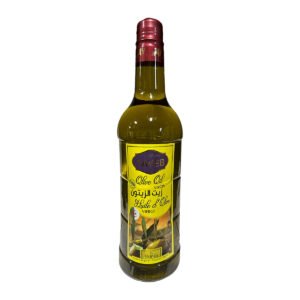
Tunisia is one of the world’s major olive oil producers, and its cooks use it generously. A fruity bottle of North African virgin olive oil is ideal.

The spice blend for Tunisian couscous
| Spice | Role in kosksi | Amount for 6 | Try |
|---|---|---|---|
| Caraway (karwiya) | Warm, slightly anise flavor; the Tunisian signature | 1 tsp ground | Casablanca caraway seeds |
| Coriander | Citrusy, rounds out the caraway | 1 tsp ground | Ground coriander |
| Sweet paprika | Color and mild pepper flavor | 1 tbsp | Sweet paprika |
| Turmeric | Earthy note, especially for fish | 1/2 tsp | Any good brand |
| Cumin | Used mostly in fish marinades | 1 tsp | Ground cumin |
| Harissa | Heat and depth | 1 to 3 tbsp | Harissa tube |
Tunisian Couscous With Lamb
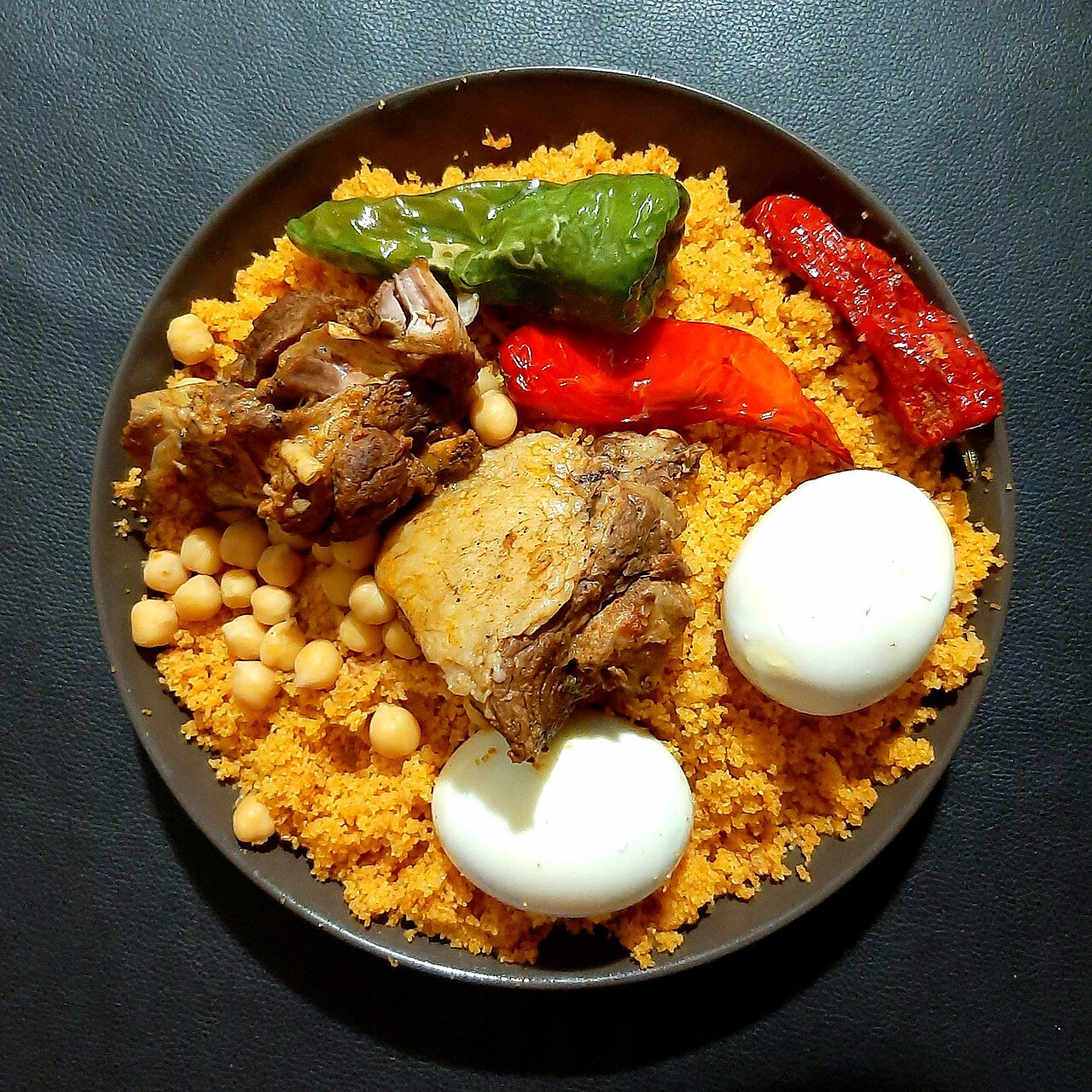
This lamb Tunisian couscous serves 6. The sauce cooks in the bottom of the pot while the grain steams on top, so the couscous absorbs the aroma of the stew.
Ingredients
- 2 lb lamb shoulder or neck on the bone, cut into 6 pieces
- 1/3 cup olive oil, plus 2 tbsp for the grain
- 1 large onion, grated
- 3 tbsp tomato paste
- 1 to 2 tbsp harissa, to taste
- 1 tbsp sweet paprika, 1 tsp each ground caraway and coriander, 1/2 tsp turmeric, 1 tsp black pepper
- 2 tsp salt, plus more to taste
- 1 cup dried chickpeas soaked overnight, or one 15 oz can, drained
- 3 carrots, 2 turnips and 2 potatoes, peeled and halved
- 1 small wedge of pumpkin or 1 zucchini, in large chunks
- 3 long green peppers, left whole
- About 10 cups water
- 1.5 lb (about 700 g) medium couscous
- 2 tbsp butter (optional)
Method
- Brown the lamb. Heat the oil in the bottom of a couscoussier or a large pot. Brown the lamb with the onion and salt for 8 to 10 minutes.
- Build the red sauce. Stir in the tomato paste, harissa and spices. Fry for 2 minutes until the oil turns red and smells toasty.
- Simmer. Add the soaked chickpeas and about 10 cups of water. Bring to a boil, then simmer, partly covered, for 45 minutes.
- Steam the grain. Meanwhile, moisten the couscous and steam it over the pot as described in the steaming section below.
- Add the vegetables. Add carrots and turnips first, potatoes 10 minutes later, then pumpkin or zucchini and the whole peppers for the last 15 minutes. Canned chickpeas go in now too.
- Taste the sauce. The sauce should be quite salty and spicy, since it seasons the plain grain. Adjust with salt or a little more harissa.
- Sauce the couscous. Put the steamed grain in a wide bowl, rub in the butter, then ladle over 2 to 3 cups of sauce. Mix, cover and rest for 5 to 10 minutes so the grains drink it in.
- Serve. Mound the couscous on a platter, top with lamb, vegetables and peppers, and offer extra sauce in a bowl.
Make it ahead
The lamb sauce tastes even better the next day. Cook it up to 2 days ahead, refrigerate, then reheat and steam fresh couscous over it just before serving.
Chicken instead of lamb
Swap in 3 lb of bone-in chicken thighs and drumsticks. Reduce the first simmer to 25 minutes so the chicken stays tender. Chicken Tunisian couscous is a lighter, popular weeknight version.
Some families also add a few hard-boiled eggs to the platter, or slices of fried potato on top for a festive touch.
Tunisian Fish Couscous Coastal Style
Fish Tunisian couscous is famous in Sfax and along the coast. Firm white fish such as grouper, sea bream or sea bass is marinated, then cooked briefly in the sauce so it stays moist. Serves 6.
Ingredients
- 2 to 2.5 lb firm white fish: whole sea bream, or grouper or sea bass steaks
- Marinade: 2 garlic cloves crushed, 1 tsp cumin, 1/2 tsp turmeric, 1 tsp salt, 2 tbsp olive oil, juice of 1/2 lemon
- 1/3 cup olive oil
- 2 onions, finely chopped
- 3 tbsp tomato paste and 1 to 2 tbsp harissa
- 1 tbsp sweet paprika, 1 tsp ground caraway, 1/2 tsp ground coriander
- 1/2 cup soaked chickpeas, or half a 15 oz can
- 2 potatoes, quartered, and 1 to 2 carrots, halved
- 4 long green peppers, plus 1 or 2 hot chilies if you like heat
- About 8 cups water
- 1.5 lb (about 700 g) fine or medium couscous
Method
- Marinate the fish. Score whole fish twice on each side. Rub with the marinade and refrigerate for 30 minutes to 1 hour.
- Cook the base. Soften the onions in the oil for 6 to 8 minutes. Add the tomato paste, harissa and spices and fry for 2 minutes.
- Simmer the sauce. Add the chickpeas and water and simmer for 25 minutes. Add potatoes, carrots and peppers and cook 20 minutes more.
- Steam the grain. Steam the couscous over the sauce, twice, while the vegetables cook.
- Poach the fish. Slip the fish into the sauce and cook gently for 8 to 12 minutes, depending on thickness, until it just flakes. Do not stir, or it will break.
- Finish. Mix 2 to 3 ladles of sauce into the couscous, cover and rest 5 minutes. Serve the fish, peppers and potatoes on top with lemon wedges.
How to Steam Couscous the Tunisian Way
Steaming is what makes Tunisian couscous light and separate rather than gummy. The traditional pot is a keskes or couscoussier: a deep pot for the sauce with a perforated basket on top.
No couscoussier? Set a metal colander lined with cheesecloth over a pot that fits snugly, and seal any gap with a twisted kitchen towel so the steam goes up through the grain.
The quick weeknight method
Most packaged couscous is pre-steamed, so you can skip the basket. Pour 1 1/4 cups of hot, strained sauce or salted water over each cup of couscous, add a spoon of oil, cover for 5 to 7 minutes, then fluff with a fork. It will be a little denser, but still delicious.

Wet and rub
Spread the couscous in a wide bowl. Sprinkle with about 1 cup of salted water and 2 tbsp oil, then rub between your palms to coat each grain.
Let it swell
Leave it for 10 minutes so the grains absorb the water and begin to swell.
First steaming
Pile it loosely into the basket once the sauce below is boiling. Steam uncovered for 15 to 20 minutes after steam rises through the top.
Break the lumps
Tip it back into the bowl, sprinkle with another cup of water and break up clumps with a fork or oiled hands.
Second steaming
Return to the basket and steam another 15 to 20 minutes. The grains should be tender, fluffy and separate.
Season the grain
Rub in butter or oil, then mix in ladles of the red sauce. Cover and rest so it absorbs the flavor.
Regional Twists on Tunisian Couscous
From the islands to the hills of the interior, Tunisians cook couscous in many ways. These are some versions you may meet on a trip or at a friend’s table.
Octopus couscous
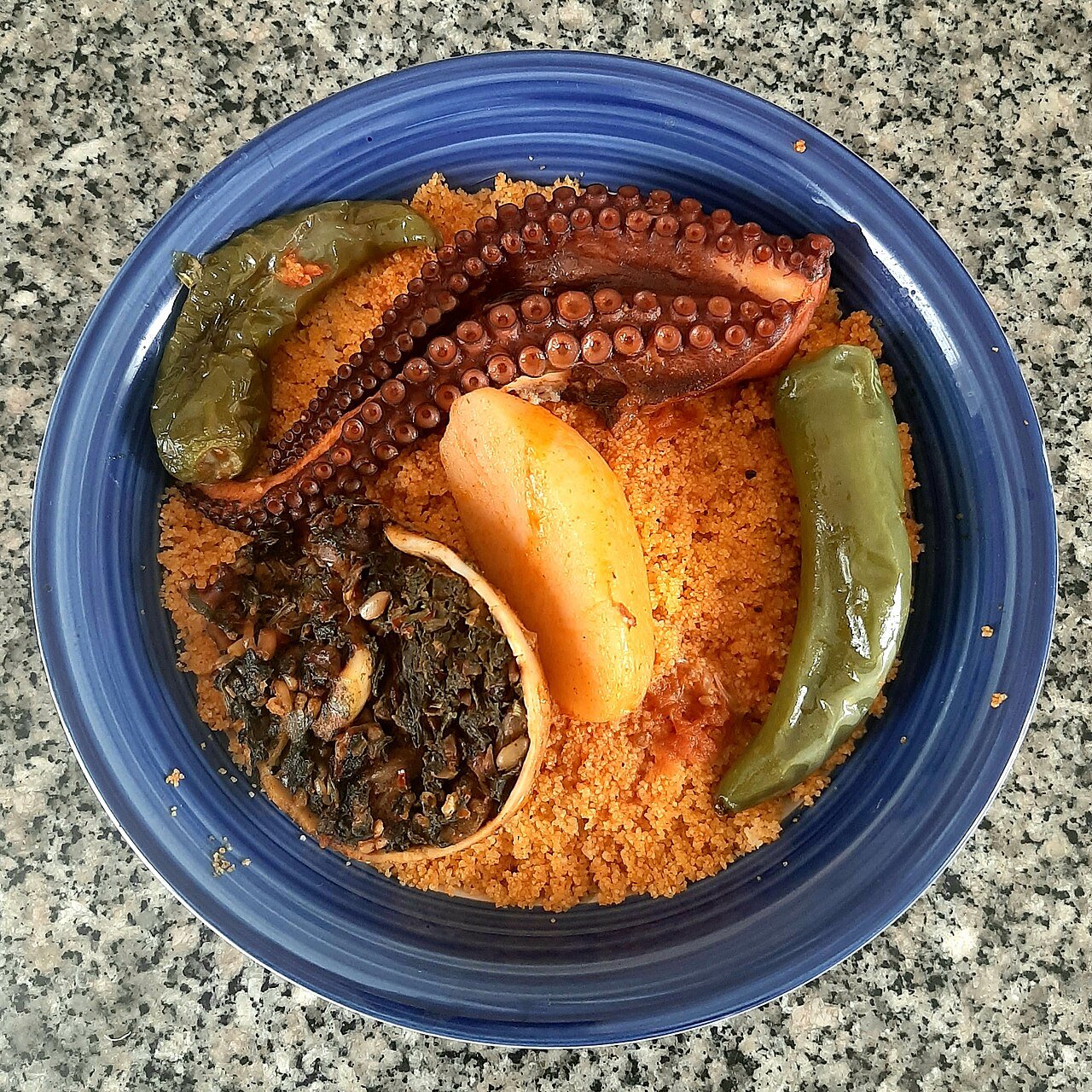
In coastal areas, tender octopus simmered in the red sauce is a much-loved seafood version.
Couscous with osban
Osban, a sausage of stuffed tripe, herbs and rice, is a traditional addition, often made after Eid al-Adha.
Vegetable kosksi
A meatless pot of chickpeas, squash, carrots, potatoes and peppers, sometimes topped with dried meat (kadid).
Mesfouf
Fine couscous steamed with butter and served sweet with sugar, dates, nuts or pomegranate seeds, often at breakfast or in Ramadan.
Red, spicy, sauced
Tunisian couscous mixes harissa-red sauce into the grain and loves seafood. Keep a tube of Cap Bon harissa in the pantry.
Red or white sauce
Algerian cooks make both tomato-based and white broth versions, plus barley couscous. Try Kenz barley couscous.
Golden and gentle
Moroccan couscous is usually golden and mild, with the famous seven vegetables and a sweet tfaya topping.
8 Tips for Better Tunisian Couscous
Most problems with homemade Tunisian couscous come from a weak sauce, soggy grain or overcooked fish. These habits avoid all three.
Fry the paste
Cook the tomato paste and harissa in oil for a couple of minutes before adding water. It removes the raw taste and deepens the color.
Salt the sauce boldly
The sauce has to season a large amount of plain grain, so it should taste slightly too salty on its own.
Never steam with a lid
A lid traps condensation that drips back and makes the couscous sticky. Steam the basket uncovered.
Keep the grain loose
Do not press couscous into the basket. A loose pile lets steam pass evenly through every layer.
Add fish last
Fish needs only minutes. Add it once the vegetables are tender and keep the sauce at a gentle simmer.
Control the harissa
Start with 1 tablespoon, taste after 20 minutes and add more. You can always serve extra harissa at the table.
Stagger the vegetables
Add hard roots first and soft squash last so nothing turns to mush.
Rest after saucing
Five to ten minutes under a lid or towel lets the grains absorb the sauce evenly.
How Tunisian Couscous Is Served
Traditionally, Tunisian couscous arrives in one large shared dish, called a gasaa when it is wooden or earthenware, set in the center of the table. Each person eats from the section in front of them, with a spoon or, in some homes, with the right hand.
Friday and Sunday lunches, weddings and religious holidays are classic couscous occasions. It is also a dish of solidarity: families often send plates to neighbors or to mourners, and the UNESCO listing for couscous highlights this role in hospitality and community.
What to serve alongside
- A small bowl of extra sauce and harissa thinned with olive oil.
- Fresh salads such as slata mechouia or a chopped cucumber and tomato salad.
- Lemon wedges for fish couscous.
- Glasses of buttermilk (leben) or a fizzy drink like Boga Cidre, a Tunisian favorite.
- Mint or green tea afterwards, often with pine nuts in Tunisia.
Before the couscous, many families start with brik, a crisp pastry often filled with egg and tuna. You can make it at home with malsouka brik sheets.
Best Tunisian Couscous Essentials to Buy in the USA
Everything for a pot of kosksi, from the grain to the harissa and spices, shipped to all 50 states.


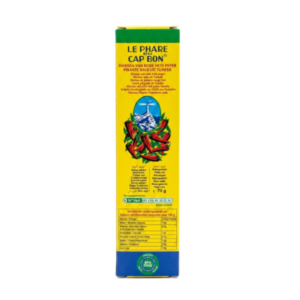

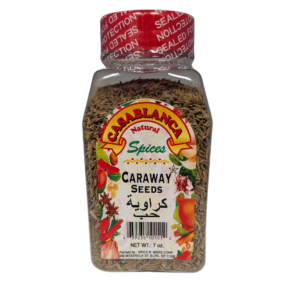
Feeding a crowd? Grab the large Sim harissa tin, browse our sauces and condiments, and check the shipping policy for delivery times.
Tunisian Couscous FAQs
What is the difference between Tunisian couscous and Moroccan couscous?
The grain is the same, but Tunisian couscous uses a red sauce of tomato paste, harissa, paprika and caraway that is mixed into the grain before serving. Moroccan couscous is usually golden and mild, with broth served on top and heat added at the table.
Is Tunisian couscous spicy?
It usually has medium heat from harissa, but you control it. Start with 1 tablespoon of harissa for a family pot, taste after 20 minutes and add more if you like. Extra harissa can always be served at the table.
What fish is best for Tunisian couscous?
Firm white fish works best. Sea bream, grouper and sea bass are traditional choices along the Tunisian coast. In the US, red snapper, black sea bass or halibut steaks are good substitutes.
What cut of lamb should I use for Tunisian couscous?
Use bone-in shoulder or neck, cut into large pieces. These cuts stay juicy during the long simmer and the bones add body to the sauce. Lamb shanks also work well.
Can I make Tunisian couscous without a couscoussier?
Yes. Set a colander lined with cheesecloth over a snug pot and seal the gap with a towel, or use the quick method: pour hot sauce over pre-steamed couscous, cover for 5 to 7 minutes and fluff.
What is kosksi?
Kosksi is the Tunisian name for couscous. It refers both to the steamed semolina grain and to the finished dish of grain, sauce, vegetables and meat or fish.
Can I make Tunisian couscous ahead of time?
The lamb or chicken sauce can be made up to 2 days ahead and reheated. Steam the couscous fresh just before serving for the best texture. Fish is best cooked on the day.
Is couscous a UNESCO heritage dish?
Yes. In 2020 UNESCO added the knowledge, know-how and practices of couscous to its intangible cultural heritage list, after a joint nomination by Algeria, Mauritania, Morocco and Tunisia.
Further reading: UNESCO: Couscous · Couscous (Wikipedia) · Morocco World News: Tunisian couscous
Cook Your First Kosksi This Weekend
Couscous, Tunisian harissa, tomato paste and spices, delivered to your door anywhere in the USA.
Shop Couscous Shop All Products