Tunisian Breakfast From Bsissa to Bambalouni
What Tunisians eat in the morning, from coffee and olive oil with bread to lablabi, fricassé and sugar-dusted doughnuts, plus an easy ojja recipe and a simple plan to set the table in the USA.
A typical Tunisian breakfast is bread with olive oil, often with harissa, olives, eggs or cheese, and a coffee with milk or a glass of sweet tea. Many families also eat bsissa, a paste of roasted grains mixed with olive oil and sugar or dates. Out of the house, people grab a bowl of lablabi chickpea soup, a fried fricassé sandwich or a hot bambalouni doughnut. Weekends and holidays bring richer dishes like ojja and assida.
Your Complete Morning Table Guide
A Tunisian breakfast is built on a few simple pleasures: good bread, a pool of green olive oil, a spoon of fiery harissa and a strong coffee. It can be a two-minute bite at a café counter or a long, slow spread with eggs, sweets and tea on a Sunday.
Tunisia sits between the Mediterranean and the Sahara, and its morning food shows both. Coastal towns favor bread, olive oil and seafood flavors, while the south leans on roasted grains, dates and sorghum. Below you will find the drinks, breads, classic dishes, street snacks, holiday mornings and an easy recipe, with pantry staples from our Tunisian products collection where they help.
- 01Tunisian breakfast at a glance
- 02What Tunisians eat in the morning
- 03Coffee and tea with pine nuts
- 04Breads and olive oil
- 058 classic breakfast dishes
- 06Street breakfast: fricassé and bambalouni
- 07Bsissa, the southern classic
- 08Easy ojja recipe
- 09Tunisia vs Morocco and Algeria
- 10Ramadan, winter and holiday mornings
- 11How to recreate it in the USA
- 12What to buy
- 13FAQs
Tunisian Breakfast at a Glance
What Is a Typical Tunisian Breakfast?
On a normal weekday, a Tunisian breakfast is quick and light. Bread is torn and dipped into olive oil, sometimes swirled with a little harissa. Add a few olives, a boiled egg or a wedge of cheese, and a hot drink, and you have the classic start to the day.
Olive oil is the heart of every Tunisian breakfast. Tunisia is one of the world’s leading producers and exporters of olive oil, and many families buy a year’s supply straight from the harvest. A small bowl of oil on the table at breakfast is as normal as butter in an American kitchen.
Harissa is the other constant. This red pepper paste is so important to Tunisian identity that UNESCO added harissa to its list of intangible cultural heritage in 2022. If you want the background, our guide to what harissa is covers its history and uses.
Sweet or savory?
Both. Many people like a sweet Tunisian breakfast of bread with honey, jam or halva (called chamia), while others prefer savory tuna, eggs and harissa. Often both sit on the same table, so everyone builds the plate they like.
Coffee and Tea at a Tunisian Breakfast
Coffee is the main morning drink in Tunisian cities. Café culture runs deep, and you will hear a short list of orders over and over.
The Tunisian breakfast coffee menu
- Express: a short, strong espresso, usually with sugar.
- Capucin: a small espresso topped with a little frothy milk.
- Café direct: a larger coffee with plenty of hot milk, closer to a latte.
At home many families make instant coffee with milk on busy mornings. A jar of Nescafé Clásico is a common shortcut.
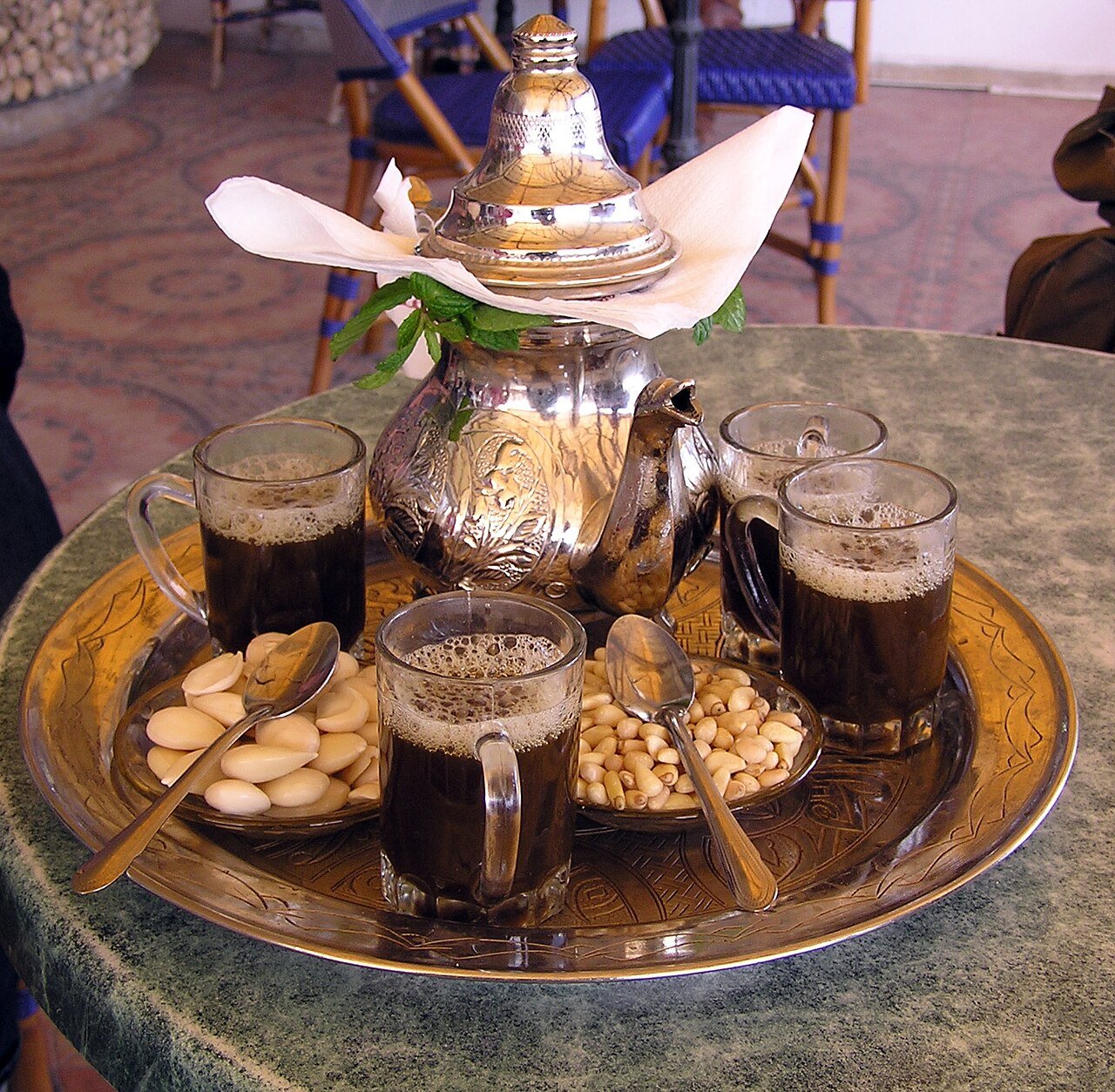
Tea with pine nuts
Tea is just as loved at a Tunisian breakfast, and even more so after meals and in the afternoon. Tunisians brew green or dark, strong tea, sweeten it well and often float a spoon of pine nuts or almonds in each glass. The nuts soften slightly and add a toasty flavor. Gunpowder tea such as Sultan Grain Ambar No.16 from our tea time collection works well.
Tunisian Breakfast Breads and Olive Oil
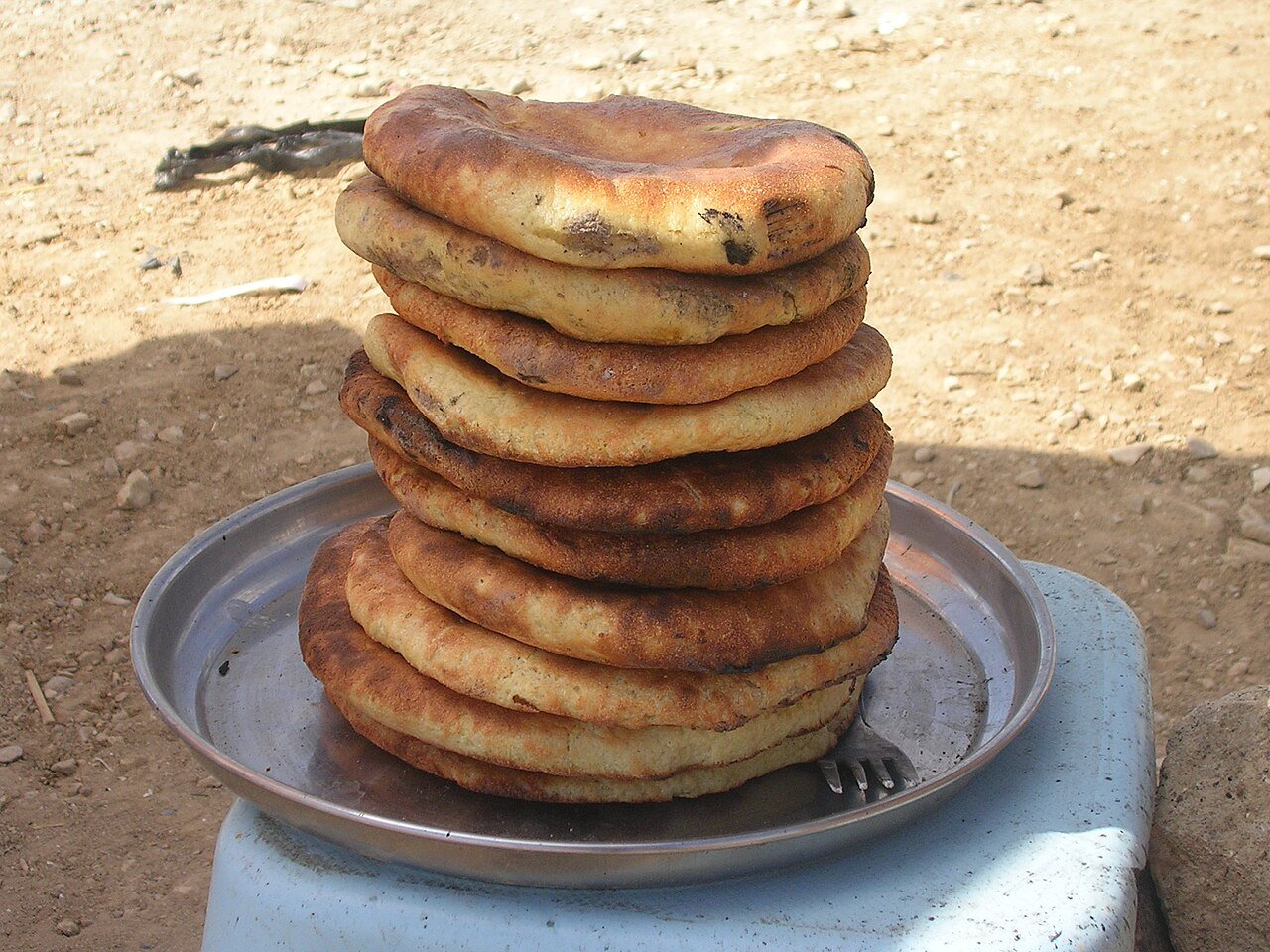
No Tunisian breakfast is complete without bread. Three styles show up most often, and each one is made for dipping, scooping or stuffing.
Baguette
French-style baguettes are sold cheaply in every town, thanks to the colonial era, and are the everyday choice for dipping and sandwiches.
Tabouna
Tabouna is a round, chewy flatbread named after the clay oven it is baked in. It is often made with semolina and slapped onto the hot inner wall of the oven, which gives it a blistered, smoky crust.
Mlawi
Mlawi (also spelled mlewi) is a layered, pan-fried flatbread made by folding dough with oil. It is flaky and soft, and is sold folded around tuna, egg and harissa as a street breakfast.
How to eat bread with oil
Pour 2 to 3 tablespoons of good extra virgin olive oil into a shallow bowl. Add a spoon of harissa to one side if you like heat. Tear the bread, dip it and eat. We do not stock Tunisian olive oil, but Mediterranean oils such as Akfadou extra virgin olive oil work beautifully.

8 Classic Tunisian Breakfast Dishes
Beyond bread and oil, these are the dishes that define a Tunisian breakfast, from cheap workday bowls to festive holiday treats.
Lablabi
Stale bread soaked in a garlicky chickpea broth with cumin, harissa and olive oil, often topped with a soft egg, tuna and capers. A winter favorite with workers.
Bsissa
A powder of roasted wheat or barley with spices, mixed with olive oil and sugar or dates into a thick paste or a drink.
Fricassé
Small fried bread rolls stuffed with tuna, boiled egg, potato, olives and harissa. Rich, salty and the most filling Tunisian breakfast on the go.
Bambalouni
A ring of yeasted dough fried until puffy and rolled in sugar, closely linked with the seaside village of Sidi Bou Said.
Ojja
Eggs poached in a spicy tomato and pepper sauce with harissa and caraway, sometimes with merguez sausage. A weekend brunch dish.
Brik
Thin malsouka pastry folded around an egg, tuna and parsley, then fried until crisp. Best known in Ramadan, but loved all year.
Assida
A smooth pudding of flour or semolina with butter and honey. The famous assida zgougou, made with Aleppo pine seeds, is served for Mawlid.
Drô
A creamy porridge made from sorghum, a drought-hardy grain of the south, often topped with honey, dates or nuts.
Want to make brik at home? Tayeb malsouka brik sheets save you from rolling the paper-thin pastry yourself.
Street Breakfast: Fricassé and Bambalouni
Tunisian mornings smell of hot oil. Small shops open early to fry two snacks that many locals grew up on, and for students and workers they are the Tunisian breakfast of choice.
Fricassé
Fricassé starts as a small, soft bun of yeasted dough that is deep-fried until golden. It is split and filled with canned tuna, sliced boiled egg, cooked potato, black olives and a smear of harissa, sometimes with a spoon of mechouia, a grilled pepper salad. It is heavier than most breakfasts, so many people eat one with coffee and call it lunch.
At home, a good canned tuna makes all the difference. Casablanca solid tuna in olive oil is firm and rich, and our full canned fish collection has more options.
Bambalouni
Bambalouni is a light, chewy doughnut ring sprinkled with sugar and eaten hot, often wrapped in paper. Stalls in Sidi Bou Said, the blue-and-white village near Tunis, are especially famous for it, and visitors often pair one with a glass of tea with pine nuts.


Bsissa: The Energy-Rich Tunisian Breakfast
Bsissa is one of the oldest foods in Tunisia and a true Tunisian breakfast staple in the south. It is made by roasting grains such as wheat and barley, sometimes with chickpeas, then grinding them with spices like fennel, coriander or anise into a fine powder.
The Slow Food Foundation notes that bsissa is normally served at breakfast, often with dates and dried fruit, and that it has long been a portable, high-energy food for workers and travelers.
How to eat bsissa
- As a paste: mix 3 tablespoons of powder with 1 to 2 tablespoons of olive oil and a little sugar until thick.
- As a drink: stir the powder into water or milk with sugar for a filling morning drink.
- With dates: eat the paste with dates or dried figs for natural sweetness.
Bsissa is hard to find in US stores. If you have it, a spoon of Tayeb eucalyptus honey is a nice swap for sugar, and a few Deglet Noor dates from our dates collection are the classic side.
Easy Ojja for a Weekend Tunisian Breakfast
Ojja is the Tunisian cousin of shakshuka, spicier and flavored with caraway. This version serves 2 to 3 and takes about 25 minutes.
Ingredients
- 3 tablespoons olive oil
- 1 green bell pepper or 2 mild long peppers, sliced
- 4 garlic cloves, crushed
- 1 tablespoon tomato paste
- 1 to 2 teaspoons harissa, to taste
- 1 can (14 oz) crushed tomatoes, or 3 ripe tomatoes, grated
- 1/2 teaspoon ground caraway
- 1/2 teaspoon sweet paprika
- 1/2 cup water
- 4 eggs
- Salt and pepper; parsley to finish
- Optional: 2 merguez sausages, sliced
Method
- Cook the peppers. Warm the oil in a 10-inch skillet over medium heat. Add the peppers (and merguez, if using) and cook for 5 minutes until soft.
- Add the aromatics. Stir in the garlic, tomato paste, harissa, caraway and paprika. Cook for 1 minute until fragrant.
- Simmer the sauce. Add the tomatoes and water, season with salt and pepper and simmer for 8 to 10 minutes until slightly thick.
- Add the eggs. Make 4 small wells and crack an egg into each. Cover and cook for 4 to 6 minutes, until the whites are set and the yolks are still soft.
- Serve. Scatter parsley on top and serve straight from the pan with plenty of bread, olives and a hot drink for a complete Tunisian breakfast.

Tunisian Breakfast vs Moroccan and Algerian Mornings
The three Maghreb countries share bread, olive oil and sweet tea, but each morning table has its own personality. Here is how a Tunisian breakfast compares.
| Feature | Tunisia | Morocco | Algeria |
|---|---|---|---|
| Main hot drink | Coffee (capucin, café direct), tea with pine nuts | Mint tea, coffee with milk | Coffee, often café au lait |
| Signature bread | Baguette, tabouna, mlawi | Khobz, msemen, baghrir | Kesra, matlou, msemmen |
| Heat level | Often spicy, with harissa | Mostly mild | Mostly mild |
| Hot or weekend dish | Lablabi, ojja | Bissara, baghrir | Baghrir, sfenj |
| Southern staple | Bsissa, drô | Amlou, dates | Dates, lben |
The biggest difference is heat. Harissa appears at almost every Tunisian breakfast, while Moroccan and Algerian mornings tend to be sweeter and milder. Tunisia also has the strongest espresso-style café culture of the three, a legacy of French and Italian influence along its coast.
Ramadan, Winter and Holiday Mornings
The Tunisian breakfast table changes with the seasons and the religious calendar. Here is a quick guide.
| Occasion | What changes | Typical foods |
|---|---|---|
| Busy weekday | Fast and light, often at a café | Coffee, bread, olive oil, a pastry |
| Weekend | Longer family spread | Ojja, eggs, mlawi, jam, honey, tea |
| Winter | Hot, filling bowls | Lablabi, bsissa drinks, drô |
| Ramadan | No daytime breakfast; a pre-dawn meal (shour) instead | Bread, dates, milk or yogurt, light dishes |
| Mawlid | Festive morning dessert | Assida zgougou with nuts |
| Eid | Sweets and visits | Cookies and pastries with tea or coffee |
During Ramadan, the evening meal that breaks the fast is called ftour, the same root as “breakfast,” and it often starts with dates, soup and brik. The pre-dawn shour is usually simple and filling.
How to Recreate a Tunisian Breakfast in the USA
You do not need a Tunisian bakery to enjoy a Tunisian breakfast. Here are three easy spreads, from a 5-minute weekday plate to a slow Sunday table.
The weekday plate
Crusty bread, a bowl of olive oil with a swirl of harissa, a few olives and a coffee with milk. Add a boiled egg for protein.
The tuna table
Fill rolls or toasted baguette with tuna, sliced egg, potato, olives and harissa for a homemade fricassé-style sandwich.
The family spread
A pan of ojja, flatbread, jam and honey, fresh orange juice and a pot of sweet tea with toasted nuts.
Tunisian breakfast swaps for hard-to-find items
Tabouna or mlawi
Use a good baguette, pita or a frozen flaky paratha in a pinch.
Pine nuts for tea
Toast them lightly in a dry pan; slivered almonds are a cheaper swap.
Chamia halva
Look for sesame halva in Middle Eastern shops; tahini with honey is a quick stand-in.
Tabil and caraway
Mix ground coriander and caraway with a little garlic for a simple tabil-style seasoning.
Best Tunisian Breakfast Staples to Buy in the USA
Harissa, tuna, brik sheets, honey, jam and tea for an authentic morning table, shipped to all 50 states.



Check our shipping policy for delivery times across the USA.
Tunisian Breakfast FAQs
What do Tunisians eat for breakfast?
Most Tunisians start the day with bread dipped in olive oil, often with harissa, olives, eggs or cheese, plus coffee with milk or sweet tea. Bsissa, lablabi, fricassé sandwiches and bambalouni doughnuts are also popular morning foods.
What is a traditional Tunisian breakfast dish?
Bsissa is one of the most traditional. It is a powder of roasted grains and spices mixed with olive oil and sugar or dates into a paste, or stirred into water or milk as a drink. Lablabi, a chickpea and bread soup, is another classic.
What do Tunisians drink in the morning?
Coffee is the main morning drink in cities, ordered as an express, a capucin with a little milk or a café direct with more milk. Sweet tea, often served with pine nuts or almonds, is also very popular.
Is lablabi eaten for breakfast?
Yes. Lablabi is a cheap, filling bowl of chickpeas in a garlicky cumin broth poured over stale bread, with harissa, olive oil and often an egg and tuna. Many people eat it early in the morning, especially in winter.
What is fricassé in Tunisia?
Fricassé is a small fried bread roll split and filled with tuna, boiled egg, potato, olives and harissa. It is sold in snack shops and eaten as a hearty breakfast or quick lunch.
Is a Tunisian breakfast spicy?
It can be. Harissa often sits on the table to swirl into olive oil or add to eggs and sandwiches, but sweet options like honey, jam, halva and bambalouni are just as common, so you can keep it mild.
What is the difference between ojja and shakshuka?
Both are eggs cooked in a tomato and pepper sauce. Ojja is the Tunisian version and is usually spicier, with harissa, garlic and caraway, and it is often made with merguez sausage or seafood.
Where can I buy Tunisian breakfast ingredients in the USA?
Maghribi Market ships Tunisian harissa, canned tuna, malsouka brik sheets, honey, jams and North African teas to all 50 states. Fresh bread, eggs and produce are easy to find at any local grocery store.
Further reading: Tunisian cuisine (Wikipedia) · Slow Food Foundation: Bsissa · Bambalouni (Wikipedia)
Start Your Morning the Tunisian Way
Harissa, tuna, brik sheets, tea and more, delivered to your door anywhere in the USA.
Shop Tunisian Products Shop All Products