Tanjia Marrakchia The Slow-Cooked Stew of Marrakech
What tanjia is, why it cooks in a clay urn in the ashes of a bathhouse fire, and how to make a tender, lemony version in an ordinary American oven or slow cooker.
Tanjia is a Marrakech beef or lamb stew slow-cooked for hours in a tall clay urn that shares its name, seasoned with preserved lemon, garlic, cumin, saffron and smen. The urn is sealed with paper and traditionally buried in the hot ashes under a hammam furnace until the meat falls off the bone. At home you can make it in a covered clay pot or Dutch oven at 275°F for about 5 to 6 hours, or in a slow cooker on low for 8 to 10 hours.
Your Complete Tanjia Guide
Ask anyone from Marrakech about tanjia and you will probably hear a story before a recipe. The dish, also spelled tangia or tanjiya, is the city’s signature dish: a few cheap cuts of meat, a fistful of spices and a lemon, packed into a clay jar and left to cook slowly in the embers. The result is rich, sticky, aromatic meat that you pull apart with bread.
It is also one of the easiest Moroccan dishes to make, because there is no browning, no stirring and almost no prep. Below you will find its history, the meat and spices that matter, a home recipe with exact quantities, ways to adapt it, and the pantry staples from our Moroccan spices collection that give it an authentic taste.
Tanjia at a Glance
What Is Tanjia and Where Does It Come From?
The word means both a vessel and a meal. The vessel is a tall, unglazed terracotta urn with a narrow neck and two small handles, a little like an amphora. The meal is whatever is cooked inside it, almost always meat on the bone with a short list of seasonings and very little liquid.
The dish belongs to Marrakech in a way few Moroccan foods belong to one city. Couscous, harira and tagines are cooked across the country, but tanjia Marrakchia carries the city’s name. Food writers often describe it as tied to the working men of the souks, the artisans, traders and craftsmen who could not cook at their workshops all day.
The idea was practical. A group of friends would buy meat together, drop it at the butcher or spice stall, pack it into the urn and hand it off to be cooked while they worked. By evening, or by the next day, the tanjia was ready to share. That is why it is often nicknamed a “bachelor’s stew” and is linked with Friday outings and picnics.
A Smithsonian Magazine feature on tanjia notes that the dish was already established in Marrakech by the 17th century, and describes the chain of butchers, potters, spice sellers and fire keepers who still make it possible.

How Tanjia Cooks in the Hammam Fire
The most famous part of the story is where it cooks. Traditional public bathhouses, or hammams, are heated by a wood-burning furnace below the steam rooms. The fire burns for many hours a day, and it leaves a deep bed of glowing ash.
The man who tends that fire is called the farnatchi (also spelled furnachi). For a small tip, he takes in sealed urns from the neighborhood and nestles them into the hot ashes beside the furnace. The steady, gentle heat cooks the meat slowly without boiling it hard.
Why the heat works so well
Buried in ash, the clay urn heats from every side at once. The narrow neck and paper seal trap the steam, so the meat braises in its own juices. Fat, gelatin and marrow melt into a thick, glossy sauce that coats every piece.
Cook times vary with the fire and the cut. The Smithsonian article mentions about four hours; many cooks leave it longer, and some leave it overnight. Communal fires like this were also more fuel-efficient than each family keeping its own oven going, which helped the custom last.

The hammams and communal bread ovens (ferran) of the old city are part of what makes it special. The Medina of Marrakesh has been a UNESCO World Heritage Site since 1985, and its working neighborhood institutions are still where the best tanjia is made.
Tanjia vs Tagine: What Is the Difference?
The names sound alike and both are Moroccan clay-pot dishes, so they are often confused. They are cooked in very different ways.
| Feature | Tanjia | Tagine |
|---|---|---|
| Pot shape | Tall urn with a narrow neck, sealed with paper | Shallow round base with a cone-shaped lid |
| Where it cooks | Buried in ashes or in a low oven, upright | On a stove, brazier or charcoal |
| Liquid | Very little; meat braises in its own juices | Some water or broth, sauce reduces as it cooks |
| Stirring | None; the urn stays sealed | You can lift the lid, baste and adjust |
| Typical additions | Preserved lemon, garlic, cumin, saffron, smen | Vegetables, fruit, olives, nuts, many spice blends |
| Region | Marrakech specialty | Cooked across Morocco and North Africa |
| Cook time | About 4 to 8 hours | Usually 1 to 3 hours |
In short, a tagine is a stovetop braise that you tend, while the urn dish is a sealed, hands-off slow cook. Both use similar spices, so a well-stocked spice drawer covers either one. If you love tagines, this is the next dish to try.
The Best Meat and Spices for Tanjia
The ingredient list is short, so each item counts. Here is what Marrakech cooks reach for.
The meat
Beef shank (jarret) is the classic choice. It has plenty of connective tissue and a marrow bone, which turn silky after hours of slow heat. Lamb shoulder or lamb shank are also traditional. Some cooks add a piece of oxtail or knuckle for extra body.
Preserved lemon
Salt-cured lemon gives the stew its bright, slightly funky citrus note. Use the rind and pulp; a whole small lemon or half a large one is enough for 3 pounds of meat.
Smen and oil
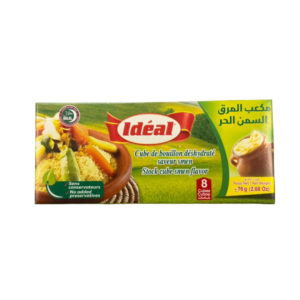
Smen is a salted, aged butter with a strong, cheesy aroma. A spoonful adds the deep, savory flavor many people remember from Marrakech. Our store does not stock jars of smen, but Idéal smen flavour cubes plus a little butter give a similar note, and a good Moroccan extra virgin olive oil rounds it out.

The essential spice list
Cumin and garlic
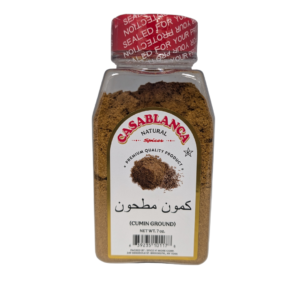
Ground cumin and a whole head of garlic are the backbone of the dish. Use the cloves whole or lightly crushed; they melt into the sauce.
Saffron
A generous pinch of real saffron threads tints the meat gold and adds a floral, honeyed scent. Crumble it into the oil before mixing.
Ras el hanout
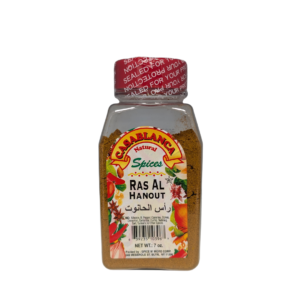
Many modern cooks add a teaspoon of this warm blend. Purists skip it and let cumin and lemon lead. Try both and choose your style.
Other common additions are salt, black or ground white pepper, a little ground ginger and a few strands of fresh cilantro. Keep the list short; the slow cook does the rest.
Easy Home Tanjia Recipe in 7 Steps
This recipe serves 4 to 6 and uses a standard Dutch oven or a lidded clay pot. Prep takes about 15 minutes; the oven does the rest.
Ingredients
- 3 lb beef shank on the bone, cut into 3 to 4 inch pieces (or lamb shoulder chunks)
- 1 small preserved lemon, quartered (or half a large one)
- 1 whole head garlic, cloves peeled
- 2 teaspoons ground cumin
- 1 generous pinch saffron threads (about 0.1 g)
- 1 teaspoon ras el hanout (optional)
- 1 teaspoon salt (less if your lemon is very salty)
- 1/2 teaspoon white or black pepper
- 1 tablespoon smen, or 1 tablespoon butter plus half a smen flavour cube
- 3 tablespoons olive oil
- 1/2 cup water
You will need
- A 5 to 6 quart Dutch oven or clay pot with a lid
- Parchment paper and kitchen string or foil
Method
- Heat the oven. Set it to 275°F. Take the meat out of the fridge 20 minutes ahead so it warms slightly.
- Bloom the saffron. Crumble the saffron into the olive oil in a large bowl and let it sit for 5 minutes.
- Season the meat. Add the cumin, ras el hanout if using, salt and pepper to the oil. Toss the meat until every piece is coated.
- Pack the pot. Put the meat in the pot with the garlic cloves, preserved lemon pieces and smen. Do not brown anything; this is meant to be a one-step dish.
- Add a little water. Pour in 1/2 cup water. It should come only about a quarter of the way up the meat.
- Seal tightly. Cover the pot with a sheet of parchment, tie it with string or press foil over the top, then add the lid. A tight seal is the whole secret.
- Cook low and slow. Bake for 5 to 6 hours without opening. The meat is ready when it falls from the bone and the sauce is thick and glossy. Rest 10 minutes, then serve.

How to Cook Tanjia Without a Hammam
You do not need a bathhouse or a special urn. Any method that gives low, even, sealed heat will work. Here are the three best options for a US kitchen.
1. Oven and Dutch oven
The most reliable method. Cook at 275°F for 5 to 6 hours, or at 300°F for about 4 hours. Enameled cast iron holds heat well and is easy to seal.
2. Slow cooker
Cook it on low for 8 to 10 hours. Reduce the water to 1/4 cup, because slow cookers lose very little moisture. Reduce the sauce on the stove at the end if needed.
3. Clay pot or a real urn
Unglazed clay gives the most traditional result. Soak an unglazed pot in water for an hour before using, start it in a cold oven and raise the heat gradually so the clay does not crack. Our store does not sell clay pots, so look for one labeled oven safe.
Pressure cooker shortcut
For a weeknight version, cook beef shank at high pressure for about 60 minutes, then release naturally. It is softer and less concentrated than the slow-cooked version, but still delicious.
8 Tips for Perfect Tanjia
Because the pot is sealed for hours, you cannot fix it halfway through. These tips help you get it right the first time.
Choose bone-in cuts
Shank, shoulder and oxtail have the collagen that makes the sauce rich. Lean steaks turn dry and stringy.
Taste your lemon first
Preserved lemons vary a lot in saltiness. Rinse a very salty one and cut back the added salt.
Use less water than you think
The meat releases plenty of juice. Too much water gives a soup, not a sticky braise.
Seal it twice
Parchment plus a lid, or foil plus a lid, keeps steam in. A loose lid lets the sauce dry out and scorch.
Keep it low
High heat tightens the meat. Gentle, even heat, like the hammam ashes, makes it tender.
Do not peek
Every time you open the pot, you lose steam and add cooking time. Trust the clock.
Use fresh cumin
Ground cumin loses aroma within months. Store it airtight, or grind whole cumin seeds as needed.
Cook a day early
Like most stews, it tastes even better the next day. Chill it, lift off excess fat and reheat gently.
Popular Tanjia Variations
The classic Marrakech version is simple, but cooks and restaurants have plenty of twists. Here are six worth trying.
Beef shank classic
The everyday version from the souk: shank, garlic, cumin, saffron, preserved lemon and smen.
Lamb version
Lamb shoulder or shank cooks a little faster and has a sweeter, richer flavor. Popular around Eid al-Adha.
With olives
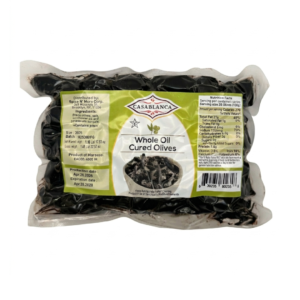
Add a handful of Moroccan oil-cured olives in the last hour for a salty, briny bite.
With dried fruit
Some restaurants add prunes or raisins and heavier spicing. It is sweeter and less traditional, but very popular with visitors.
With oxtail or knuckle
Mixing cuts adds gelatin and a thicker sauce. Increase the cook time by about an hour.
With fries or bread
Street stalls often serve it with crispy fries, and home cooks always offer plenty of bread to mop up the sauce.
How to Serve Tanjia Marrakchia
In Marrakech, the stew is often tipped straight from the urn onto a large plate and shared. Everyone eats with torn pieces of round khobz bread instead of forks. It is casual, generous food meant for groups.
Good side dishes
- Round Moroccan bread or crusty country bread
- A fresh tomato and onion salad, or a cooked salad such as zaalouk
- Olives and pickles from our Moroccan olives and pickles shelf
- Plain couscous for a heartier meal, from our couscous collection
- A little harissa on the side for heat; see our guide to what harissa is
After the meal
A pot of mint tea is the classic finish, because the fresh mint cuts the richness of the smen and marrow. Browse tea time for gunpowder green tea and sugar.
Storing leftovers
Refrigerate leftovers within 2 hours and eat it within 3 to 4 days. It freezes well for up to 3 months. Reheat until piping hot all the way through.

Make your own preserved lemons for tanjia
We do not stock preserved lemons, but they are easy to make. Cut 5 or 6 lemons into quarters without slicing all the way through, pack about 1 tablespoon of coarse salt into each, and press them tightly into a clean jar. Top up with fresh lemon juice so they are covered, close the jar and leave at room temperature, shaking every day or two. They are ready in about 3 to 4 weeks and keep for months in the fridge.
Best Tanjia Ingredients to Buy in the USA
The spices, oils and olives that make a home pot taste like Marrakech, shipped to all 50 states.


Need more spices? See our shipping policy for delivery times across the USA.
Tanjia FAQs
What is tanjia?
Tanjia is a slow-cooked meat stew from Marrakech, Morocco, named after the tall clay urn it is cooked in. Beef shank or lamb is packed into the pot with preserved lemon, garlic, cumin, saffron and smen, sealed with paper and cooked for hours in low heat until it falls off the bone.
Is tanjia the same as tagine?
No. A tagine is a shallow dish with a cone-shaped lid that cooks on a stove or brazier and can be opened and basted. Tanjia cooks upright in a tall, sealed urn, traditionally buried in ashes, with very little liquid and no stirring.
Why is tanjia cooked in a hammam?
Traditional hammams are heated by a wood fire that burns for hours and leaves a deep bed of hot ash. The fire keeper, called the farnatchi, buries sealed urns in that ash, which gives slow, even heat at almost no extra fuel cost.
What meat is best for tanjia?
Bone-in beef shank is the classic choice because its collagen and marrow make a rich, sticky sauce. Lamb shoulder, lamb shank, oxtail and beef knuckle also work well. Avoid lean steaks, which dry out during the long cook.
How long does tanjia take to cook?
In a hammam it usually cooks for about 4 to 8 hours, sometimes overnight. At home, cook it at 275°F for 5 to 6 hours in a sealed Dutch oven, or on low in a slow cooker for 8 to 10 hours.
Can I make tanjia without preserved lemons or smen?
Yes. Preserved lemons are easy to make with lemons and salt in about 3 to 4 weeks. Without them, add strips of fresh lemon zest and a squeeze of juice at the end. For smen, use butter plus a smen flavour cube.
Is tanjia spicy?
The traditional version is fragrant rather than hot. Cumin, saffron, garlic and preserved lemon give it a warm, savory and tangy taste. Serve harissa or chili on the side if you like heat.
What do you serve with tanjia?
It is usually eaten with round Moroccan bread, used to scoop up the meat and sauce. Fresh or cooked salads, olives and a pot of mint tea are classic companions, and some stalls serve it with fries.
Further reading: Smithsonian Magazine · Tangia (Wikipedia) · UNESCO: Medina of Marrakesh
Bring Marrakech to Your Kitchen
Stock up on saffron, cumin, olive oil and olives for your first urn-style stew, delivered anywhere in the USA.
Shop Moroccan Spices Shop All Products