Taktouka Moroccan Roasted Pepper and Tomato Salad
Learn how to char and peel peppers, cook them down with tomatoes, garlic and spices, and serve this smoky Moroccan cooked salad warm, cold or with eggs.
Taktouka is a Moroccan cooked salad of roasted, peeled bell peppers simmered with tomatoes, garlic, olive oil, paprika and cumin until thick and jammy. Char the peppers until blackened, steam them for 10 minutes, peel and chop them, then cook them with grated tomatoes and spices for 20 to 30 minutes. Finish with fresh parsley and cilantro and serve it warm or at room temperature with bread.
Your Complete Taktouka Guide
Walk into a Moroccan home at lunchtime and you will often find a row of small plates on the table before the main dish arrives. One of the most loved is taktouka, a soft, smoky mix of roasted peppers and tomatoes that sits somewhere between a salad, a relish and a dip.
Taktouka is humble food. It uses cheap summer vegetables, a few pantry spices from our Moroccan spices shelf and good olive oil from our cooking oils collection. Below you will learn how to roast and peel peppers without fuss, the classic spice ratio, regional cousins from Algeria and Tunisia, and smart ways to serve and store it.
Taktouka at a Glance
What Is Taktouka and Where Is It Eaten?
Taktouka (you will also see tektouka or taktoka) belongs to the large family of Moroccan cooked salads. Unlike a crisp green salad, these dishes are cooked vegetables dressed with oil and spices, served in small bowls as starters or side dishes. Zaalouk, made with eggplant, is its best-known sibling.
The core of the dish is simple: peppers that have been roasted until the skin blisters, then peeled and chopped, and ripe tomatoes cooked down until they lose their water. Garlic, sweet paprika and cumin give warmth, and a handful of herbs freshens it at the end.
Green bell peppers are the most traditional choice in many Moroccan kitchens, which gives a slightly bitter, grassy edge. Many cooks now mix in red peppers for sweetness and color. Either way, the smoky flavor from charring is what makes the dish.
It shows up on everyday lunch tables, at family gatherings and in Ramadan spreads. It is eaten by tearing off a piece of bread and scooping, so it should be thick, not soupy.

Taktouka Ingredients and Pepper Choices
A good bowl needs only a short list of ingredients, so each one matters.
Peppers
Choose firm, heavy bell peppers with thick walls and tight, glossy skin. Thick flesh survives roasting and peeling without turning to mush. Plan on about 2 pounds of peppers for a bowl that serves 6 as a side.
Tomatoes
In summer, use ripe Roma or vine tomatoes. Grate them on a box grater and discard the skins, or peel and chop them. Out of season, a 28-ounce can of good crushed or diced tomatoes works well, and a spoon of Casablanca tomato paste deepens the color.
Garlic, oil and spices
Use 3 to 4 garlic cloves, about 1/4 cup of olive oil, sweet paprika, ground cumin, salt and a little heat. Fresh flat-leaf parsley and cilantro finish the dish.

Which peppers are best for taktouka?
| Pepper | Flavor after roasting | Peeling | Best use |
|---|---|---|---|
| Green bell | Grassy, slightly bitter, very savory | Easy, thick walls | The classic home-style version |
| Red bell | Sweet, rich and fruity | Easy | Mix half and half with green for balance |
| Yellow or orange bell | Mild and sweet | Easy | A brighter, sunnier bowl |
| Anaheim or Cubanelle | Light and gently spicy | Thinner skin, more care | A US-friendly substitute for long Moroccan peppers |
| Jalapeño or serrano | Hot | Optional | One pepper adds heat to the whole pot |
How to Roast and Peel Peppers
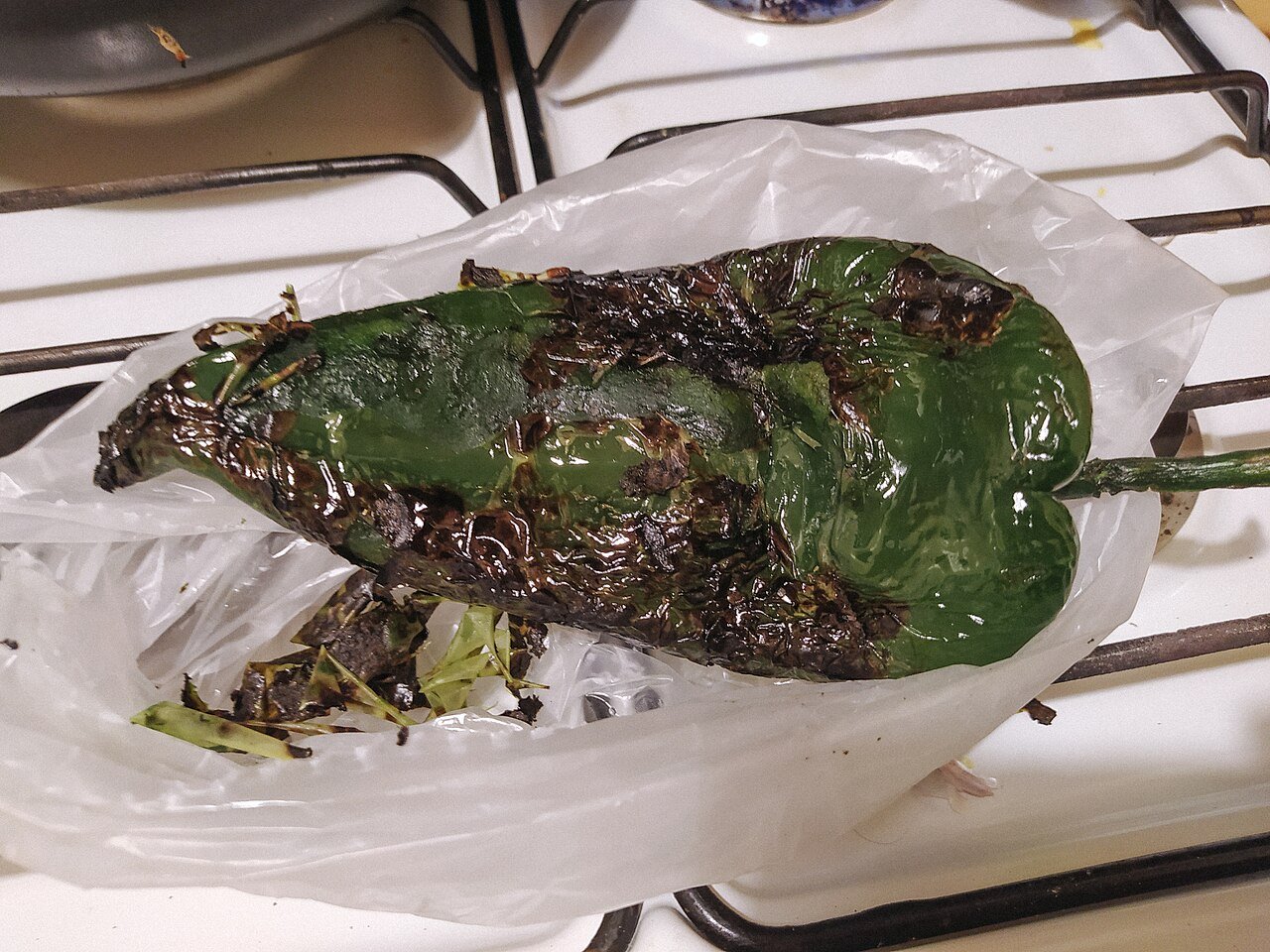
Charring is the step that gives the salad its smoky backbone. Pick the method that suits your kitchen; all of them end the same way: blackened skin, a short steam, then peeling.
Over an open flame
Set peppers directly on the burner grate over medium-high heat. Turn with tongs every 2 to 3 minutes until black all over, about 10 to 15 minutes.
Under the broiler
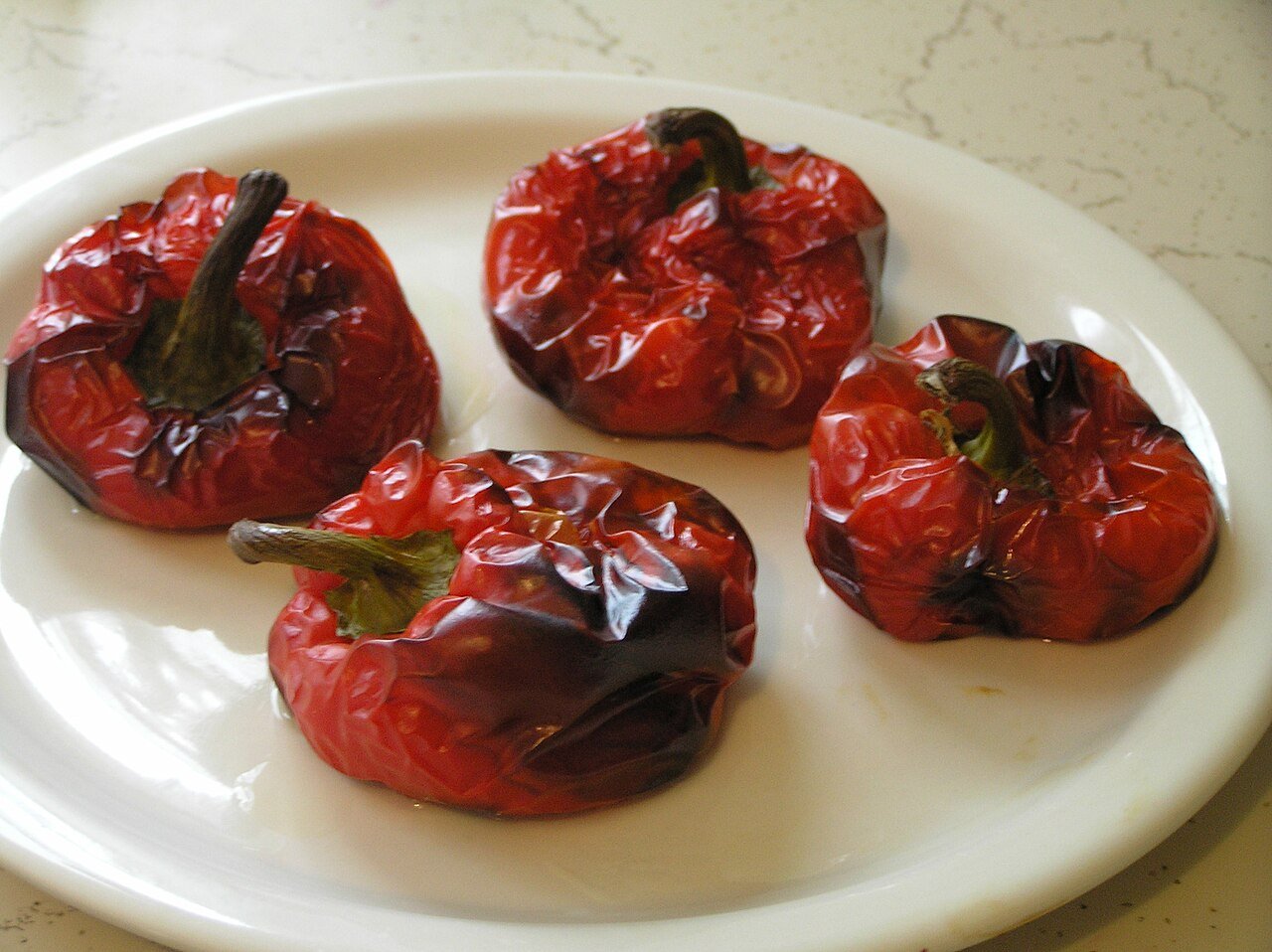
Place whole peppers on a foil-lined sheet 4 inches below the broiler. Turn every few minutes until blistered on all sides, 15 to 20 minutes.
Hot oven roast
Roast at 450°F for 25 to 40 minutes, turning twice. The flavor is less smoky but the flesh turns soft and sweet.
Charcoal or gas grill
The most smoky option. Grill over high heat, turning often, until the skin is charred and the peppers slump.
Quick small batch
Halve and seed the peppers, lay them skin side up and cook at 400°F for about 15 to 20 minutes, until the skins blister.
Steam, then peel
Move hot peppers to a bowl and cover with a plate or seal them in a bag for 10 to 15 minutes. The trapped steam loosens the skin.
Peeling without losing flavor
Once the peppers are cool enough to handle, pull off the stem, open them over a bowl to catch the juices and scrape out the seeds. Slip the skin off with your fingers or the back of a knife.
Try not to rinse roasted peppers under the tap. Water washes away the smoky juices that make the dish special. A few flecks of black skin left behind are fine and even add flavor.
Cut the peeled peppers into small dice or thin strips about 1/2 inch long. Smaller pieces give a jammy, spreadable texture; strips give a chunkier salad.
Easy Taktouka Recipe Step by Step
This taktouka recipe serves 6 as a side or 4 as a light lunch with bread. Active time is about 25 minutes, with 30 to 40 minutes of roasting and simmering.
Ingredients
- 2 lb bell peppers (about 5 large), green or a mix of green and red
- 2 lb ripe tomatoes, grated, or one 28-oz can crushed tomatoes
- 1/4 cup olive oil, plus more to finish
- 3 to 4 garlic cloves, minced or grated
- 2 tsp sweet paprika
- 1 tsp ground cumin
- 1/4 to 1/2 tsp cayenne or 1 small hot pepper (optional)
- 1 tsp salt, then more to taste
- 1 tbsp tomato paste (optional, for canned tomatoes)
- 1/2 cup chopped flat-leaf parsley and cilantro, mixed
- A squeeze of lemon juice or 1 tsp vinegar (optional)
Method
- Char the peppers. Roast them by any method above until blackened on all sides, then steam them in a covered bowl for 10 to 15 minutes.
- Peel and chop. Remove skins, seeds and stems, saving the juices. Dice the flesh into small pieces.
- Prepare the tomatoes. Halve fresh tomatoes and grate the cut side on a box grater until only the skin is left. Discard the skins.
- Bloom the garlic. Warm the oil in a wide skillet over medium heat. Add the garlic and cook for 30 to 60 seconds, without letting it brown.
- Add tomatoes and spices. Stir in the tomatoes, paprika, cumin, cayenne, salt and tomato paste if using. Simmer for 10 to 15 minutes, stirring often, until thick.
- Add the peppers. Stir in the peppers and their juices. Cook over medium-low heat for 10 to 15 minutes more, until most liquid has gone and the oil starts to separate at the edges.
- Finish and rest. Turn off the heat, stir in the herbs and lemon, and taste for salt. Let it rest for at least 20 minutes and finish with a thin thread of olive oil.
The Spice Balance in Taktouka
This salad is not meant to be heavily spiced. The spices support the smoke and sweetness of the vegetables rather than hide them.
Sweet paprika
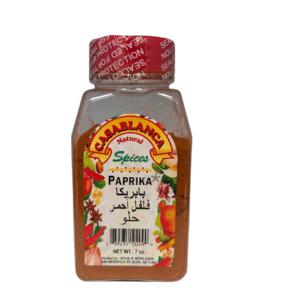
Paprika gives the deep red color and a gentle, sweet pepper flavor. A fresh jar such as Casablanca paprika should smell bright and fruity. Old paprika turns dull brown and tastes dusty, so replace it once a year.
Cumin
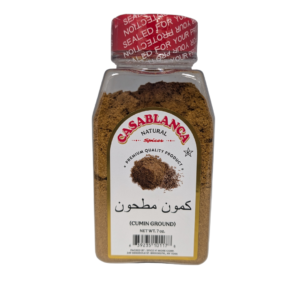
Cumin adds an earthy, slightly bitter note that is typical of Moroccan salads. Use about half as much cumin as paprika. Casablanca ground cumin is ready to go; for more aroma, toast and grind whole cumin seeds.
Heat
Heat is optional and personal. A pinch of cayenne pepper, a chopped fresh chili or a teaspoon of Moroccan harissa all work. If you love chili pastes, our guide to what harissa is explains the different styles.
| Spice | Amount per 2 lb peppers | What it adds |
|---|---|---|
| Sweet paprika | 2 tsp | Color and soft sweetness |
| Ground cumin | 1 tsp | Warm, earthy depth |
| Cayenne or chili | 1/4 to 1/2 tsp | Gentle to medium heat |
| Ground coriander (optional) | 1/2 tsp | Light citrus note |
| Salt | 1 tsp to start | Brings out the sweetness of peppers |
Taktouka and Its North African Cousins
Roasted pepper and tomato salads are loved all across North Africa. Each country has its own name and its own small twist.
Taktouka
Peppers and tomatoes cooked together until thick and jammy, seasoned with paprika, cumin and garlic and finished with herbs. Served as one of several small salads with bread.
Hmiss and felfel mechoui
Algerian cooks grill peppers and tomatoes, then chop or crush them with garlic and olive oil. The texture is often fresher and less cooked than the Moroccan version.
Slata mechouia
A grilled salad of peppers, tomatoes, onion and garlic, pounded or chopped and dressed with olive oil. It is often topped with canned tuna, hard-boiled egg and olives.
The Tunisian habit of topping grilled salad with fish works here too. Spoon it onto a plate and add a can of Mario tuna or Safi sardines from our Moroccan canned fish range for a full meal in minutes.
6 Taktouka Variations to Try
Once you know the basic method, it is easy to adjust for the season, your pantry or your guests.
All-green peppers
Use only green bell peppers for a savory, slightly bitter bowl, close to many home versions in Morocco.
All-red peppers
Red peppers alone make a sweeter, brighter salad that children often prefer. Add a little extra cumin to balance.
With eggs
Make wells in the warm salad, crack in 4 eggs, cover and cook on low for 6 to 8 minutes until the whites set.
Canned tomato version
Use canned crushed tomatoes plus a spoon of Tayeb tomato paste for good color when fresh tomatoes are pale.
Harissa kick
Stir 1 to 2 teaspoons of harissa into the tomatoes for a Tunisian-style kick and deeper red color.
With olives and lemon
Fold in a handful of chopped oil-cured olives and a little lemon zest just before serving.

How to Serve Taktouka
In Morocco, it is usually set out with other small salads before a tagine or grilled meat. Everyone scoops from shared plates with pieces of round khobz bread.
As part of a salad spread
Serve taktouka with zaalouk, a carrot salad, olives and a bean salad for a colorful table.
As a side dish
It pairs well with grilled chicken, kefta, lamb chops, roast fish or a simple omelet. The acidity of the tomatoes cuts through rich, fatty meat.
In sandwiches and bowls
Spread it inside a pita with grilled vegetables, spoon it over couscous or rice, or use it as a topping for toast with goat cheese.
Temperature
Warm and room-temperature servings are both traditional. Straight from the fridge it tastes flat, so take it out 20 to 30 minutes before serving.
8 Tips for Better Taktouka
Most problems with homemade taktouka come down to watery tomatoes, rushed roasting or too much spice. These tips solve them.
Char deeply
Peppers should be truly black in places, not just lightly browned. Under-roasted skins cling and the flavor stays raw.
Keep the pepper liquid
Pour the juices from the steaming bowl into the pan. They carry much of the smoky taste.
Cook tomatoes first
Reduce the tomatoes before adding peppers so the peppers keep some shape instead of stewing to mush.
Do not brown the garlic
Browned garlic tastes bitter. Cook it gently for under a minute, then add the tomatoes.
Low and slow at the end
Once the peppers go in, lower the heat and stir often. Thick tomato mixtures scorch quickly on high heat.
Use good olive oil
The salad needs enough oil to turn glossy. A fruity oil like Mina Moroccan extra virgin adds flavor.
Salt at the end too
Taste after cooking. Reduced tomatoes concentrate flavor, so adjust salt and lemon only at the finish.
Let it sit
Like many cooked salads, it tastes better after a rest, and even better the next day.
Why is my taktouka watery?
A watery pan usually means the tomatoes were very juicy or not reduced long enough. Keep simmering uncovered, stirring every minute or two, until the oil starts to pool around the edges.
Why does it taste bitter?
Green peppers are naturally a bit bitter, and burnt garlic or very old cumin can add more. Mix in some red pepper, add a pinch of sugar or a few drops of lemon, and use fresh spices.
Storing Taktouka and Nutrition Notes
Taktouka is an excellent make-ahead dish. Cool it, move it to a clean airtight container and refrigerate within 2 hours of cooking.
The US Department of Agriculture advises eating refrigerated leftovers within 3 to 4 days, according to its leftovers and food safety guide.
It also freezes well. Pack it in small portions with a little headspace, freeze for up to 3 months for best quality, and thaw it overnight in the fridge. Stir and warm it gently before serving.
Nutrition
General information only, not medical advice. This dish is made from vegetables and olive oil, so it is naturally vegan and gluten free. Bell peppers and tomatoes are known sources of vitamin C and other nutrients, and red peppers contain more carotenoids than green ones.
The olive oil adds most of the calories. If you are watching fat intake, use less oil while cooking and add a small drizzle at the end for flavor. People on low-sodium diets can cut the salt and rely on lemon and herbs.

| Storage | How long | How to serve |
|---|---|---|
| Room temperature | Up to 2 hours | Fresh from the pan, warm or cooled |
| Refrigerator | 3 to 4 days | Rest 20 to 30 minutes before eating, or warm gently |
| Freezer | Up to 3 months for best quality | Thaw in the fridge, then warm and refresh with herbs |
Best Taktouka Essentials to Buy in the USA
The spices, oils and pantry staples that make it taste like it does in Morocco, shipped to all 50 states.

 Best finishing oilMina Extra Virgin Olive Oil
Fruity Moroccan oil for cooking and the final drizzle.
Shop now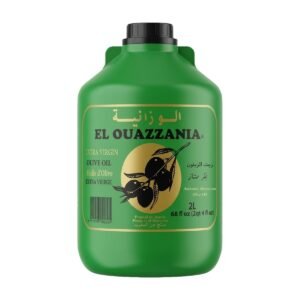 Best valueEl Ouazzania Extra Virgin 2L
A big bottle for families who cook Moroccan food often.
Shop now
Need more? Add ground coriander for a citrus note, browse our sauces and condiments, and check the shipping policy for delivery times.
Taktouka FAQs
What is taktouka made of?
Taktouka is made of roasted and peeled bell peppers cooked with tomatoes, garlic and olive oil, seasoned with sweet paprika, cumin and salt, and finished with parsley and cilantro. Some cooks add a little hot pepper or harissa.
Is taktouka served hot or cold?
Both. It is usually served warm or at room temperature as a starter or side dish. Avoid serving it straight from the fridge, because the cold mutes the spices.
What is the difference between taktouka and zaalouk?
Both are Moroccan cooked salads with tomato, garlic and similar spices. Taktouka is built on roasted bell peppers, while zaalouk is built on eggplant, which gives a softer, creamier texture.
Is taktouka the same as shakshuka?
No, but they are related. Shakshuka is a pepper and tomato sauce cooked with eggs as a main dish. Taktouka is a thicker, smoky salad of roasted peppers, though you can poach eggs in it for a similar brunch dish.
Can I make taktouka with jarred roasted peppers?
Yes. Drain and chop about 24 ounces of jarred roasted peppers and add them after the tomatoes have reduced. The flavor is less smoky, so a pinch of smoked paprika can help.
How long does taktouka last in the fridge?
Store it in an airtight container and eat it within 3 to 4 days, following USDA guidance for leftovers. It also freezes well for up to 3 months.
Is taktouka vegan and gluten free?
Yes. The classic recipe uses only vegetables, olive oil, garlic, spices and herbs. Just check the labels of any canned tomatoes or spice blends you use.
Further reading: The Mediterranean Dish: Taktouka · Milk Street: Moroccan Pepper and Tomato Salad · USDA: Leftovers and Food Safety
Make Your First Bowl This Weekend
Paprika, cumin, Moroccan olive oil and more for a smoky taktouka, delivered to your door anywhere in the USA.
Shop Moroccan Spices Shop All Products