Ras El Hanout vs Garam Masala 7 Key Differences Every Cook Should Know
Two famous warm spice blends, two very different kitchens. Learn how they compare in ingredients, flavor, heat, timing and swaps, plus how to mix both at home.
In the ras el hanout vs garam masala question, the short answer is that ras el hanout is a North African blend that is earthy, floral and gently sweet, while garam masala is a South Asian blend that is more peppery, clove-forward and aromatic. Both lean on cumin, coriander, cinnamon and pepper. Ras el hanout usually adds ginger, turmeric and paprika for a golden-red color and goes in early, while garam masala is usually toasted and added near the end. You can swap one for the other in a pinch, but the dish will taste noticeably different.
Your Complete Spice Blend Comparison
If you have ever stood in a spice aisle holding two jars and wondering about ras el hanout vs garam masala, you are not alone. The two blends share several spices, both smell warm and inviting, and recipes online sometimes treat them as interchangeable. They are not quite twins, though. Each one grew out of its own cuisine and its own way of cooking.
This guide walks through the seven differences that matter most in the kitchen, from what goes into each jar to when you add it to the pot. You will also find a side-by-side table, two make-at-home blends using whole and ground Moroccan spices, swap ratios and dish ideas for both.
Ras El Hanout vs Garam Masala at a Glance
What Each Blend Really Is
Ras el hanout in one paragraph
Ras el hanout is the signature spice mix of Moroccan cooking, also used in Algeria and Tunisia. There is no single fixed recipe. Each spice merchant has a house version, and blends can range from about a dozen spices to many more. Typical ingredients include cumin, coriander, ginger, cinnamon, turmeric, paprika, nutmeg, cloves, cardamom and black pepper.
Some premium blends go further and add dried rosebuds, mace, allspice or rarer items. The result is complex, earthy and lightly floral.
Garam masala in one paragraph
Garam masala is a cornerstone blend of North Indian and Pakistani cooking, with many regional and family versions across South Asia. Most recipes build on cinnamon, cardamom, cumin and black pepper, then add cloves, coriander, bay leaf, nutmeg, mace or fennel. The spices are usually toasted whole before grinding, which gives a roasted, aromatic note.

The 7 key differences in ras el hanout vs garam masala
- Origin: North Africa vs South Asia.
- Name: “head of the shop” vs “warming spices.”
- Ingredients: ginger, turmeric and paprika vs cardamom, cloves and pepper.
- Flavor: earthy and floral vs toasty and sharp.
- Color: golden-red vs brown.
- Timing: early in a braise vs near the end.
- Classic dishes: tagines and couscous vs curries, dal and rice.
Names and Origins
The names tell you a lot. In Arabic, ras el hanout means “head of the shop.” According to Britannica’s entry on ras el hanout, the phrase points to the top-shelf blend a spice seller is proudest of. That is why two shops in the same Marrakech souk can sell two quite different jars under the same name.
Garam masala comes from Hindi and Urdu. Garam means hot or warm, and masala means a mix of spices. The “heat” is not chili fire. It refers to the warming character of the spices, an idea tied to traditional South Asian food beliefs. Britannica notes that the blend itself is fairly mild.
Two trade worlds, one shared spice route
Part of the overlap in the ras el hanout vs garam masala story comes from history. Cinnamon, cloves, nutmeg and black pepper are tropical spices that traveled long trade routes across the Indian Ocean, Arabia and the Mediterranean for centuries. North African and South Asian cooks drew on many of the same imported spices, then combined them in their own ways.
Moroccan cooks pair the blend with dried fruit, almonds, olives and lamb. South Asian cooks pair garam masala with onions, tomatoes, yogurt, lentils and ghee. Same spices, different partners.

Ras El Hanout vs Garam Masala Ingredients
Recipes for both blends vary widely, so treat the table below as the typical pattern rather than a rule. The biggest ingredient gap in ras el hanout vs garam masala is color and earthiness: ras el hanout tends to include ginger, turmeric and paprika, while garam masala leans on cardamom, cloves and pepper.
Many Moroccan blends also add a little cardamom and cloves, and some garam masala recipes include ginger. The difference is in the balance, not only in the list.
| Spice | Ras el hanout | Garam masala | Shop the single spice |
|---|---|---|---|
| Cumin | Common, earthy base | Common, often toasted whole | Cumin seeds |
| Coriander | Common | Common, often a large share | Coriander seeds |
| Cinnamon | Common, gives sweetness | Common, often cassia bark | Cinnamon sticks |
| Black pepper | Common | Common, a key bite | Whole black pepper |
| Cloves | Small amount | Prominent | Whole cloves |
| Ginger | Prominent | Sometimes | Ground ginger |
| Turmeric | Common, adds gold color | Usually not in the blend | Not stocked |
| Paprika | Common, adds red color | Rare | Sweet paprika |
| Cardamom | Often a little | Essential, green and sometimes black | Not stocked |
| Nutmeg and mace | Common | Common | Whole nutmeg |
| Floral notes | Rosebuds or lavender in some blends | Rare | – |
| Fennel and bay | Occasional | Common in many recipes | Fennel seeds |
We are honest about our shelves: our store does not currently carry cardamom, turmeric or a ready-made garam masala. You will find the other building blocks, plus a ready ras el hanout, in our spice range.
Ras El Hanout vs Garam Masala Flavor and Heat
Taste them side by side and the ras el hanout vs garam masala contrast becomes obvious within seconds. Here are the three differences your tongue and eyes will notice first.
Earthy and floral vs toasty and sharp
Ras el hanout smells rounded and warm, with ginger and sometimes rose. Garam masala smells roasted and resinous, with cloves, cardamom and black pepper in front.
Golden-red vs brown
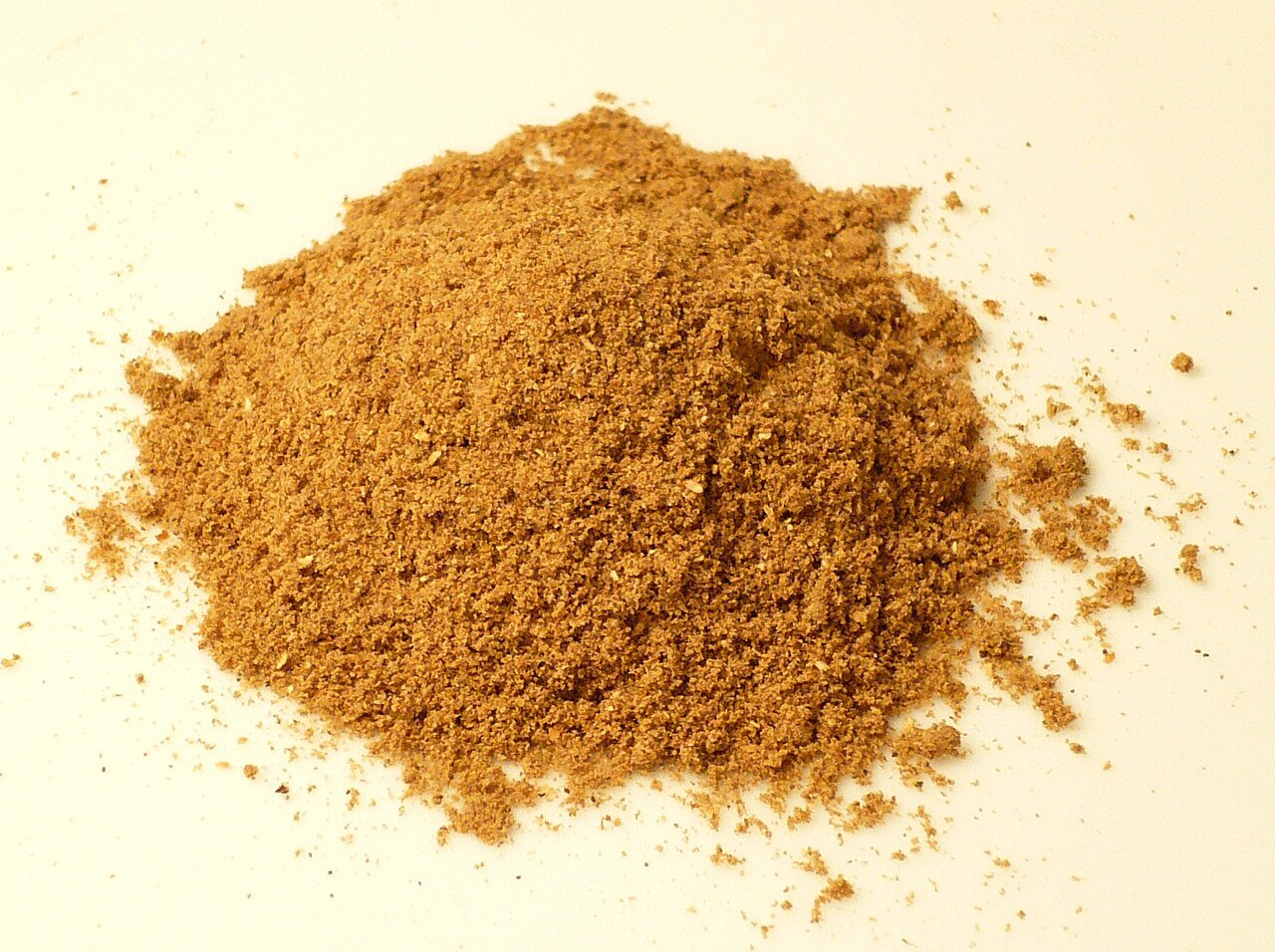
Turmeric and paprika give many ras el hanout blends a reddish-gold tint that colors sauces. Garam masala is usually a dusty brown and barely changes a dish’s color.
Gentle in both
Neither blend is meant to be fiery. Heat comes from black pepper and, in some ras el hanout blends, a little chili. For real fire, North African cooks reach for harissa.
How to taste ras el hanout vs garam masala at home
Warm 1 tablespoon of oil in two small pans over medium-low heat. Add a quarter teaspoon of each blend to its own pan, swirl for 20 to 30 seconds until fragrant, then spoon a little over plain rice or a slice of bread. Blooming in fat is how both blends release their best aroma, so this gives a fair comparison in under five minutes.
How Cooks Use Each One
The most practical part of ras el hanout vs garam masala is timing. The same spoonful can taste soft and mellow or bright and perfumed, depending on when it goes in.
Start of a braise
Rub it on lamb or chicken with oil and salt, or stir it into onions at the start of a tagine. Long, gentle cooking softens it into the sauce.
Rubs and roasts
Mix 1 to 2 teaspoons per pound of meat or vegetables with olive oil and garlic, then roast at about 400°F until browned.
Couscous and grains
Stir a half teaspoon into butter or oil and fold it through couscous, rice or lentils for a quick, warm side dish.
Finishing spice
Many cooks add it in the last few minutes of a curry or dal, so its aroma stays fresh instead of cooking off.
Marinades
Combined with yogurt, garlic and ginger, it is a common base for marinating chicken or paneer before grilling.
Sprinkle to serve
A light pinch over a finished dish, raita or roasted vegetables adds a burst of aroma right before eating.
Why timing matters in ras el hanout vs garam masala
Ground spices lose their most delicate aromas with long heat. Garam masala is often built for that last-minute lift, which is why recipes so often say “add at the end.” Ras el hanout is designed to survive slow cooking and melt into a sauce over an hour or more.
This is a guideline, not a law. Some recipes add garam masala early, and some Moroccan cooks finish with an extra pinch of ras el hanout.

Can You Swap Ras El Hanout for Garam Masala?
Yes, in most home recipes you can swap one for the other when you are out, as long as you expect a different accent. When readers ask about ras el hanout vs garam masala as substitutes, our advice is to start small, adjust color and heat, and taste before adding more.
| You need | You have | How to swap |
|---|---|---|
| Ras el hanout | Garam masala | Use about three quarters of the amount. Add a pinch of ground ginger and sweet paprika, plus turmeric if you have it, for color and warmth. |
| Garam masala | Ras el hanout | Use about three quarters of the amount. Add a pinch of ground cloves and black pepper, and add it closer to the end of cooking. |
| Either blend | Single spices | Mix equal parts ground cumin and coriander with half parts cinnamon and black pepper as a quick base. |
When the swap works well
Roasted vegetables, lentil soups, chickpea stews, rubs for grilled chicken and rice dishes all forgive the change. In these recipes, ras el hanout vs garam masala is more about personal taste than right or wrong.
When to avoid it
Signature dishes built around one blend, such as a Moroccan mrouzia or a classic North Indian curry, will lose their identity. For mrouzia, a dedicated mrouzia spice mix is worth keeping on hand.
Ras El Hanout vs Garam Masala Homemade Blends
Mixing both blends side by side is the best way to understand ras el hanout vs garam masala. Each recipe makes about one small jar, roughly 4 to 5 tablespoons.
Simple ras el hanout
- 2 tsp ground cumin
- 2 tsp ground ginger
- 2 tsp ground coriander
- 1½ tsp ground cinnamon
- 1½ tsp sweet paprika
- 1 tsp ground turmeric
- 1 tsp ground black pepper
- ½ tsp ground allspice
- ¼ tsp ground nutmeg
- ¼ tsp ground cloves
- Optional: ½ tsp ground cardamom, 1 tsp crushed dried rosebuds
Method
- Measure. Add every ground spice to a small bowl.
- Mix well. Whisk for 30 seconds, or shake in a sealed jar, until the color is even.
- Rest. Let it sit overnight in a closed jar so the aromas mingle.
- Use. Start with 1 to 2 teaspoons for a family tagine, then adjust next time.
Garam masala-style blend
- 2 tbsp coriander seeds
- 1 tbsp cumin seeds
- 1 tsp black peppercorns
- 1 tsp whole cloves
- 2 cinnamon sticks, about 2 inches each, broken up
- 1 tsp fennel seeds
- Seeds from 8 to 10 green cardamom pods
- 1 to 2 dried bay leaves
- ¼ whole nutmeg, freshly grated
Method
- Toast. Put the whole spices, except the nutmeg, in a dry skillet over medium-low heat. Stir for 2 to 4 minutes until fragrant and a shade darker.
- Cool. Tip them onto a plate right away so they do not scorch, and let them cool fully.
- Grind. Grind in a spice grinder or mortar until fine, then stir in the grated nutmeg.
- Store. Keep in an airtight jar and use within a few months for the best aroma.
Most of these whole spices are in our range, including bay leaves and ground cumin for the quick version. Cardamom and turmeric you will need to pick up locally, as we do not stock them.
Dishes to Try With Each Blend
The best way to settle ras el hanout vs garam masala for your own kitchen is to cook a classic with each. Start with one dish from each column below.
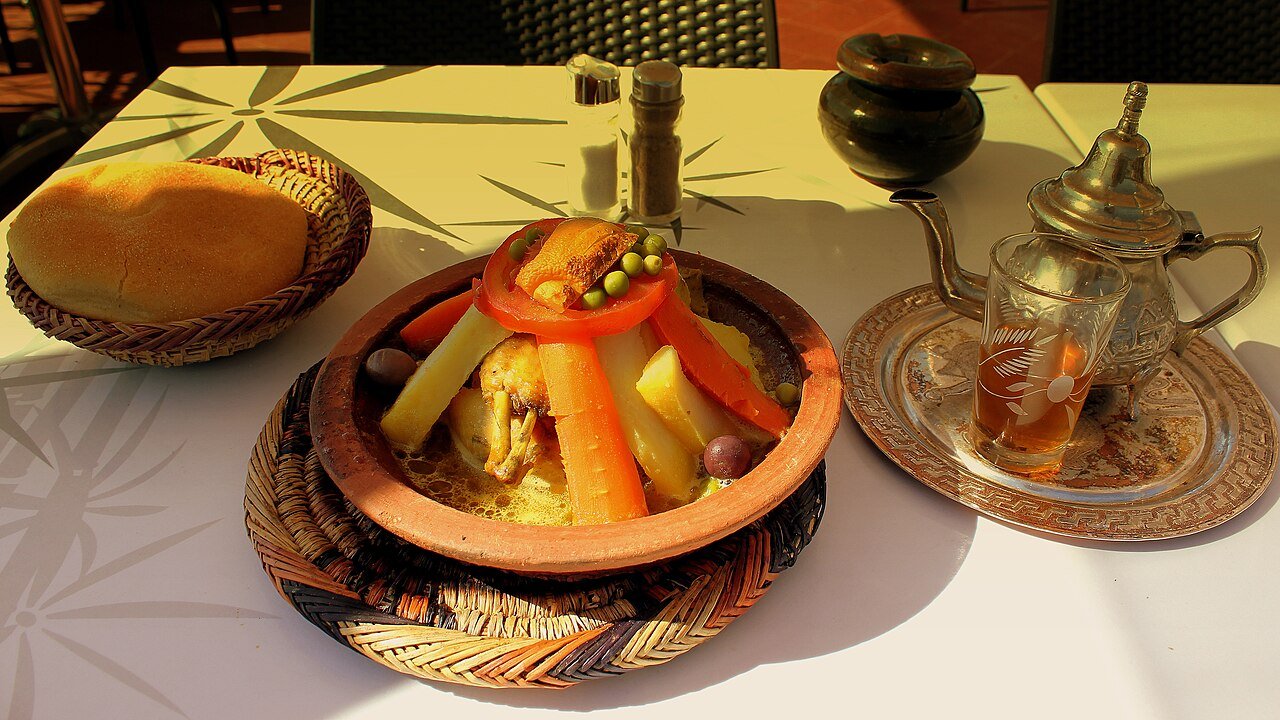
A slow chicken and vegetable tagine is the perfect test for ras el hanout. Warm spices, onions and a long simmer turn it into a fragrant, golden sauce that you mop up with bread.
Chicken or lamb tagine
Brown the meat, add onions, 1 to 2 teaspoons of the blend, a pinch of saffron and water, then simmer low until tender.
Roasted carrots
Toss carrots with olive oil, honey and the blend, then roast at 425°F for about 25 minutes.
Harira-style soup
A small spoonful deepens tomato and lentil soups. Combine with ground cinnamon and fresh herbs.
Chana masala
Chickpeas simmered with onion, tomato and spices, finished with a teaspoon of garam masala.
Dal
Red lentils cooked soft, topped with a sizzling tempering of oil, cumin seeds and a pinch of garam masala.
Pilaf and biryani
Whole versions of the same spices, such as cloves, cinnamon and bay, perfume the rice as it cooks.
Storage and Health Notes
Keeping both blends fresh
Ground blends fade faster than whole spices. Store both in airtight jars away from heat, light and steam, so not right above the stove. Many cooks aim to use ground blends within about six months and whole spices within a year or two. If a pinch rubbed between your fingers smells weak, it is time for a new jar.
Buying whole spices and grinding small batches, as in the garam masala-style recipe above, is the easiest way to keep flavor bright for both sides of the ras el hanout vs garam masala comparison.
Health notes
General information only, not medical advice. Both blends are used in small amounts, so they add flavor with very few calories. Spices such as cinnamon, ginger, cloves and turmeric are widely studied, but most research looks at concentrated extracts rather than the pinch you add to dinner, and firm conclusions are limited. If you have allergies, are pregnant or take medication, ask a health care provider before using large amounts of any spice.
Best Spices to Buy in the USA
A ready ras el hanout plus the whole spices that both blends share, shipped to all 50 states. Use them to explore ras el hanout vs garam masala in your own kitchen.
 Garam masala baseCasablanca Whole Cloves
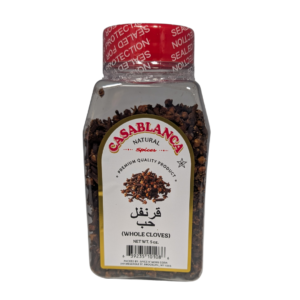
The bold, warming note at the heart of garam masala.
Shop now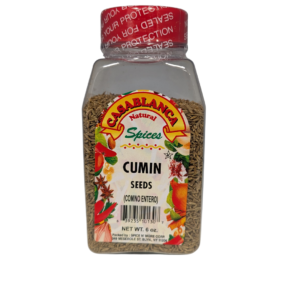
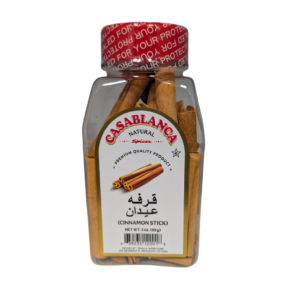 Sweet warmthCasablanca Cinnamon Sticks
Break into pieces for toasting, or simmer whole in a tagine.
Shop now
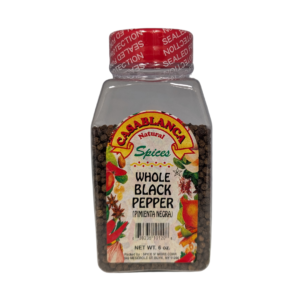
Browse the full shop for more pantry staples and see our shipping policy for delivery times.
Ras El Hanout vs Garam Masala FAQs
What is the main difference in ras el hanout vs garam masala?
Ras el hanout is a North African blend that is earthy, floral and gently sweet, often colored by turmeric and paprika. Garam masala is a South Asian blend that is more peppery and clove-forward, usually toasted and added near the end of cooking.
Can I use garam masala instead of ras el hanout?
Yes, in most everyday recipes. Use about three quarters of the amount and add a pinch of ginger, paprika and turmeric if you have them. Signature Moroccan dishes will taste different, so use the real blend when you can.
Ras el hanout vs garam masala: which is spicier?
Neither is very hot. Garam masala often tastes sharper because of black pepper and cloves, while some ras el hanout blends include a little chili. Heat levels depend on the maker, so check the label.
Does ras el hanout contain turmeric?
Many ras el hanout blends include turmeric, which adds a golden color. Garam masala usually does not, although turmeric is often added separately to the same dishes.
Ras el hanout vs garam masala: when should each be added?
Garam masala is commonly added near the end of cooking or sprinkled on top to keep its aroma bright. Ras el hanout is usually added early to rubs, marinades and braises so it melts into the sauce.
Is ras el hanout the same as baharat or curry powder?
No. Baharat is a Middle Eastern blend and curry powder is a Western-style mix that usually includes turmeric and fenugreek. They overlap in some spices, but each has its own balance and use.
How long do homemade spice blends last?
Stored airtight away from heat and light, homemade blends taste best within a few months. They do not spoil quickly, but the aroma fades, so make small batches.
Further reading: Britannica: Ras el hanout · Britannica: Garam masala · Garam masala (Wikipedia)
Stock Your Spice Shelf This Week
Explore ras el hanout vs garam masala with authentic spices, delivered anywhere in the USA.
Shop Moroccan Spices Shop All Products