Moroccan Pastilla The Sweet and Savory Festive Pie
Learn what this pie is, where it comes from, how to make a crisp chicken and almond version with phyllo at home, plus the seafood and milk versions served at Moroccan celebrations.
Pastilla is a Moroccan pie of paper-thin warqa pastry wrapped around spiced poultry, herb-scented eggs and sweet cinnamon almonds, finished with powdered sugar and cinnamon. The classic filling was young pigeon, but most home cooks now use chicken. At home you can swap warqa for phyllo, bake the pie at 375°F for about 30 to 35 minutes and serve it warm as a festive starter.
Your Complete Pastilla Guide
Few dishes surprise first-time guests like this Moroccan pie. You cut through a shatteringly crisp golden crust, dusted like a cake with sugar and cinnamon, and find a savory filling of tender chicken, saffron, onions and herbs inside. Sweet meets savory in every bite, and that contrast is exactly the point.
In Morocco, it is a celebration dish served at weddings, family feasts and holidays. It looks complex, but it breaks down into three simple jobs: cook the filling, prepare the almonds and build the pie. Most of the flavor comes from the spice cupboard, so a good stock of Moroccan spices makes a big difference.
This guide covers the history of the dish, the pastry, a tested home method and the regional variations you will meet in Moroccan homes and restaurants.
Pastilla at a Glance
What Is Pastilla and Where Does It Come From?
Pastilla is a large round pie built from many layers of thin pastry. The best-known version is filled with stewed poultry, eggs scrambled in the spiced cooking juices and a layer of fried, ground almonds mixed with sugar and cinnamon. The finished pie is crisp outside and soft and fragrant within.
The name is usually traced to the Spanish word pastilla, with the shift from “p” to “b” common in Arabic, which explains spellings like bastilla and b’stilla. Fez is often called the home of the most refined version, and the dish is closely linked with the city’s old urban cooking.
Its exact origins are debated. Food historians point to 13th-century Andalusi cookbooks with fillings that resemble today’s, and to Muslim and Jewish families who left al-Andalus for North Africa. Another view links the pie and its pastry to Algerian families who settled in Tétouan in the 19th century. The Wikipedia overview summarizes these theories.
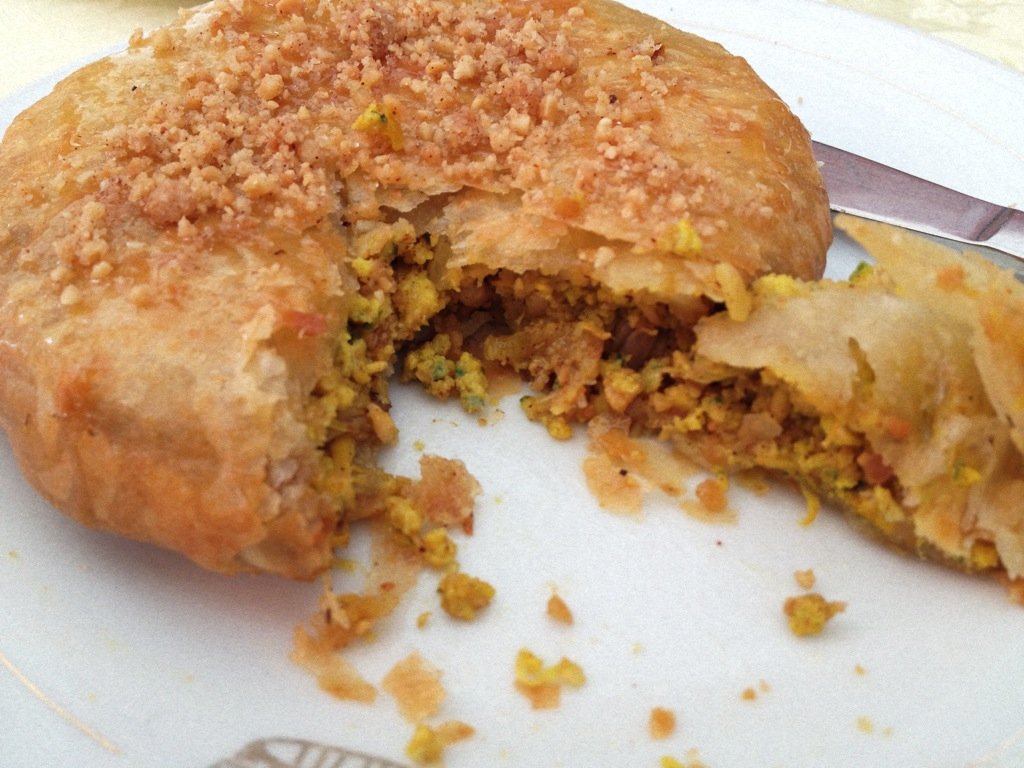
Why is pastilla sweet and savory?
Mixing meat with sugar, fruit and warm spices is an old habit of medieval Arab and Andalusian cooking, and Moroccan cuisine kept it alive in dishes like tagine with prunes and chicken with caramelized onions. This pie is the grandest example. The sugar on top is not a dessert decoration; it balances the saffron, black pepper and rich butter of the filling.
Warqa vs Phyllo: Choosing Your Pastry
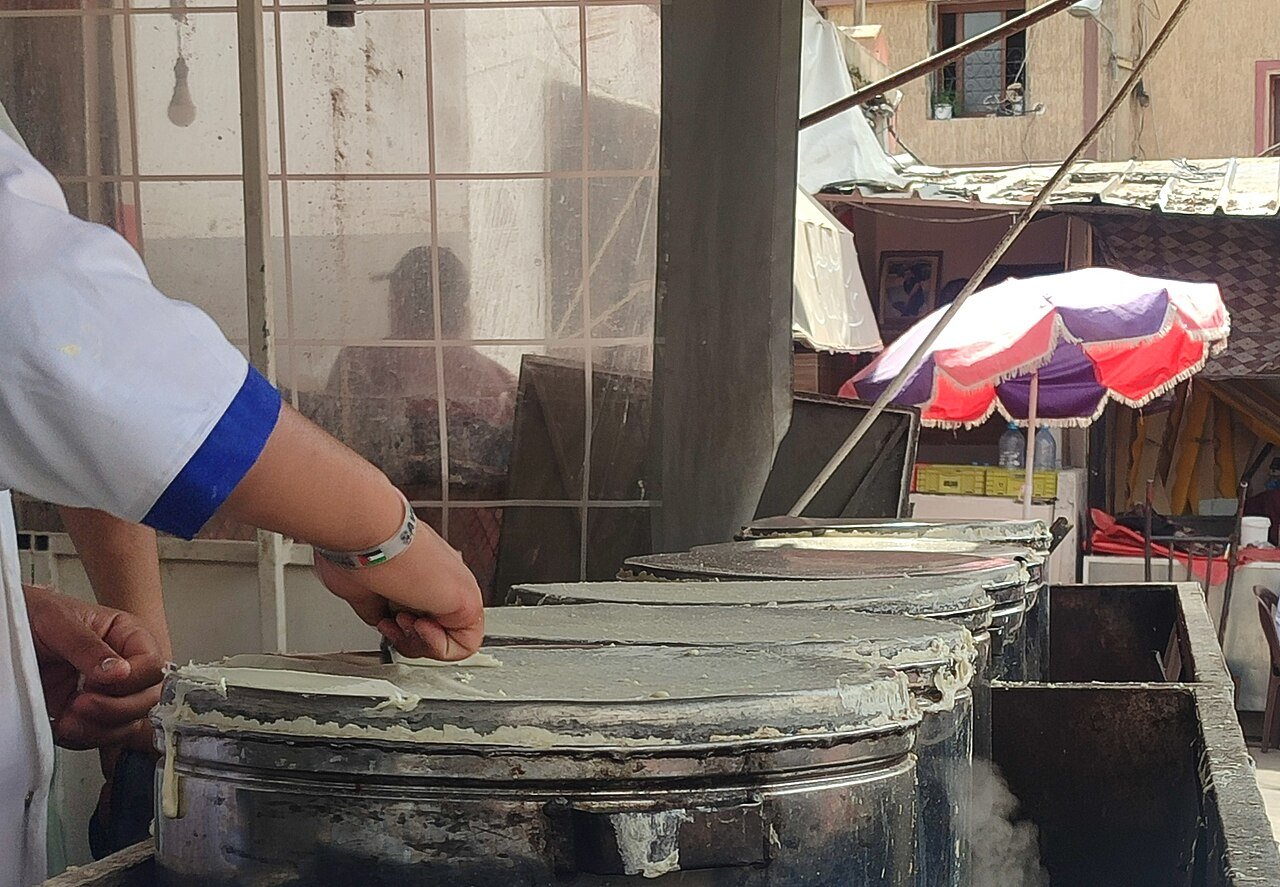
Warqa (also written ouarka) means “leaf” in Arabic. It is made from a very wet, elastic dough that the cook dabs again and again onto a hot pan or flat metal plate until a thin, gauzy sheet forms. Each sheet cooks in seconds and is peeled off whole.
It takes years to master, so in Moroccan cities most families buy warqa fresh from market stalls. Abroad, Moroccan and Middle Eastern grocers sometimes sell it frozen or chilled, labeled as warqa, brick or feuilles de brick.
Using phyllo instead
Phyllo dough from any US supermarket is the easiest substitute. It is thinner and flakier than warqa, so use more layers and brush each one with melted butter. The result is lighter and very crisp. Spring roll wrappers also work for small pies or rolled “cigars.”
| Pastry | Texture | Where to find it | Best use |
|---|---|---|---|
| Warqa / ouarka | Thin, slightly chewy, crisp when baked | Moroccan markets, some specialty grocers | Traditional pies and briouats |
| Brick (feuilles de brick) | Similar to warqa, a bit sturdier | French and North African grocers | Bastilla, Tunisian brik |
| Phyllo | Very thin, flaky, fragile | Freezer aisle of most supermarkets | Easy home baking |
| Spring roll wrappers | Crisp, slightly elastic | Asian grocers, many supermarkets | Mini pies and rolled cigars |
Types of Pastilla Across North Africa
The name covers a whole family of pies. These are the three big styles, plus a few regional twists worth knowing.
Chicken or pigeon pie
The original festive pie. Poultry is stewed with onions, saffron, ginger and herbs, then layered with eggs and sweet almonds and dusted with sugar and cinnamon.
Seafood pie
Fish, shrimp and squid with rice vermicelli and a chermoula-style marinade. It is savory and lightly spicy, with no sugar on top, and is popular at weddings.
Milk dessert (jawhara)
A Fez-style dessert of crisp pastry rounds layered with orange blossom milk cream and toasted almonds, assembled just before serving.
More regional versions
Algerian bastilla
Algerian cooks also make the pie, usually with chicken or pigeon. One historian links its pastry to families from Algiers who moved to Tétouan.
Malsouka pies
In Tunisia the thin pastry is called malsouka. It wraps savory pies and the famous brik, often filled with egg, tuna and parsley.
Olive oil version
Moroccan Jewish cooks traditionally replace butter with oil to keep the dish kosher. A Casablanca version adds browned onions.
Mini pastillas
Small individual pies baked in muffin tins or tart pans. They cook faster and are easy to serve at buffets.
Rolled cigars
The same chicken filling rolled tightly in pastry and baked or fried. Great for Ramadan tables and parties.
Duck or turkey
Some chefs use duck legs or leftover turkey. The rich meat suits the sweet almond layer well.
The Pastilla Spice and Flavor Profile
A good filling smells warm rather than hot. Saffron gives color and a honeyed aroma, ginger and black pepper add gentle heat, and cinnamon links the savory chicken to the sweet almond layer. Fresh parsley and cilantro keep it bright.
Some cooks add a pinch of ras el hanout for extra depth, as suggested in a well-known Saveur feature on bastilla. Others keep it simple. Both are authentic; every family has its own balance.
| Ingredient | Role in the pie | Typical amount (8 servings) | Try |
|---|---|---|---|
| Saffron threads | Golden color, floral aroma | A large pinch, crushed | Moroccan saffron |
| Ground ginger | Warmth and body | 1 1/2 teaspoons | Casablanca ground ginger |
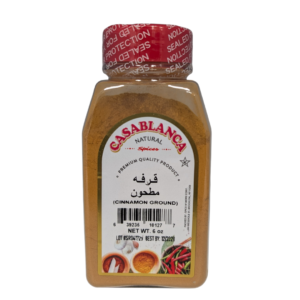
| Ground cinnamon | Sweet spice in filling, almonds and topping | About 1 tablespoon in total | Casablanca ground cinnamon |
| Black or white pepper | Gentle heat | 1 teaspoon | White pepper |
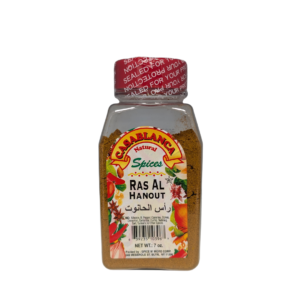
| Ras el hanout | Optional depth and complexity | 1/2 to 1 teaspoon | Casablanca ras el hanout |
| Orange blossom water | Perfumes the almond layer | 1 to 2 tablespoons | Samra orange blossom water |
How to Make Chicken Pastilla Step by Step
This recipe makes one 11 to 12 inch pie, enough for 8 to 10 people as a starter. Phyllo replaces warqa so you can make it with supermarket pastry.
For the chicken filling
- 3 lb bone-in chicken thighs and drumsticks
- 2 large onions, grated or finely chopped
- 4 tablespoons butter or olive oil
- 1 bunch parsley and 1/2 bunch cilantro, finely chopped
- 1 1/2 teaspoons ground ginger, 1 teaspoon pepper, 1 teaspoon cinnamon
- A large pinch of saffron, soaked in warm water
- 1 teaspoon salt, plus more to taste
- 1 1/2 cups water
- 6 to 8 large eggs, beaten
For the almond layer
- 2 cups blanched almonds
- 1/2 cup powdered sugar
- 1 1/2 teaspoons cinnamon
- 1 to 2 tablespoons orange blossom water
- 2 tablespoons melted butter
To assemble
- 1 lb phyllo, thawed in the fridge overnight
- About 1/2 cup melted butter for brushing
- 1 egg yolk, beaten
- Powdered sugar and cinnamon to finish
Method
- Stew the chicken. In a large pot, combine chicken, onions, butter, herbs, spices, saffron, salt and water. Cover and simmer for about 1 hour, until the meat falls from the bone.
- Shred the meat. Lift out the chicken. Discard skin and bones, and shred the meat into bite-size pieces.
- Reduce the sauce. Boil the liquid uncovered until about 1 1/2 cups of thick, oniony sauce remain. Taste and adjust the salt.
- Cook the eggs. Lower the heat, pour in the beaten eggs and stir gently until they form soft, moist curds. Drain off any extra liquid in a sieve so the pie stays crisp.
- Make the almond layer. Toast or fry the almonds until golden, cool, then pulse in a food processor with sugar, cinnamon, orange blossom water and butter until coarse.
- Line the pan. Heat the oven to 375°F. Brush a 12 inch pan with butter. Lay 6 to 8 phyllo sheets in a fan so they cover the base and hang well over the sides, buttering each sheet.
- Layer the filling. Spread the eggs, then the chicken, then 4 more buttered sheets, then the almond mixture.
- Close the pie. Fold the overhanging sheets over the top, cover with 3 or 4 more buttered sheets and tuck the edges underneath. Brush with egg yolk.
- Bake. Bake for 30 to 35 minutes, until deep golden. Rest for 10 minutes, then dust with powdered sugar and draw lines of cinnamon in a lattice pattern.
8 Tips for a Crisp Homemade Pastilla
Soggy pastry and dry chicken are the two most common problems. These tips solve both.
Drain the eggs well
Wet eggs are the main cause of a soggy base. Let them sit in a sieve for a few minutes before layering.
Cool everything first
A warm filling steams the pastry. Let chicken, eggs and almonds cool to room temperature before you assemble.
Keep phyllo covered
Phyllo dries in minutes. Keep the stack under a damp towel and work quickly, one sheet at a time.
Use clarified butter
Clarified butter or ghee browns evenly without burning and makes the layers extra crisp.
Reduce the sauce hard
A thick, glossy sauce means concentrated flavor and less moisture in the pie.
Grind coarsely
Leave some texture in the almond layer. A fine paste can turn oily and dense.
Bake on the lower rack
Heat from below crisps the base. If the top browns too fast, cover it loosely with foil.
Dust just before serving
Powdered sugar melts into a warm crust. Add it after the rest, right before the pie goes to the table.
Seafood Pastilla: The Wedding Favorite
Seafood pastilla is a coastal style that has become a star of Moroccan weddings and parties. Instead of sugar and cinnamon, it is savory and lightly spicy, often topped with shrimp, lemon slices and sometimes grated cheese.
What goes inside
A typical filling combines firm white fish, shrimp and squid with soaked rice vermicelli, sliced mushrooms and a chermoula-style marinade of garlic, cilantro, parsley, paprika, cumin and lemon. A little harissa or chili adds heat; our guide to harissa explains how to use it.
Quick method
Marinate about 2 lb of mixed seafood in chermoula for 30 minutes. Sauté briefly, just until the shrimp turn pink, then cool and drain well. Mix with 4 oz of cooked vermicelli and layer in buttered phyllo, as for the chicken pie. Bake at 375°F for 30 to 35 minutes.
A ready blend like Casablanca fish chermoula spice saves time, and a spoon of sweet paprika deepens the color.


Milk Pastilla (Jawhara)
Milk pastilla, known in Fez as jawhara or jowhara, is a dessert rather than a pie. Rounds of pastry are fried or baked until crisp, then stacked with a light milk custard scented with orange blossom water and scattered with toasted almonds.
How to make it
Cut phyllo or warqa into 8 inch rounds, brush with butter and bake at 375°F for 6 to 8 minutes until golden. For the cream, whisk 4 cups of milk with 1/2 cup sugar and 4 tablespoons cornstarch, cook while stirring until thick, then add 1 to 2 tablespoons of orange blossom water.
Just before serving, layer the rounds with warm cream and crushed almonds. A packet of Idéal pastry cream mix or Mayfine cornstarch from our baking essentials makes the cream quick and reliable.
Serving, Storing and Reheating Pastilla
In Morocco, the pie is served warm as the first course of a festive meal, before tagines or roast meats. Place the whole pie in the center of the table and let guests cut wedges. A glass of mint tea from our tea time collection is the usual finish to the meal.
What to serve with pastilla
- Moroccan cooked salads such as zaalouk or carrot salad
- A crisp green salad with lemon and Moroccan olive oil
- A main course tagine or roast chicken for large feasts
- Fresh orange slices with cinnamon for dessert
Make ahead and freezing
You can assemble the pie, wrap it tightly and freeze it unbaked for up to about 2 months. Bake from frozen at 350°F, allowing 15 to 20 extra minutes, and add the sugar topping after baking.

Food safety for chicken pastilla
Because the pie contains chicken and eggs, treat it like any cooked poultry dish. The USDA safe minimum internal temperature chart lists 165°F for poultry and leftovers. Refrigerate leftovers within 2 hours and eat them within 3 to 4 days.
To reheat, bake slices at 350°F for 10 to 15 minutes until hot in the center. Avoid the microwave if you can, because it softens the pastry.
Best Pastilla Spices to Buy in the USA
The spices and flavorings that give the pie its signature taste, shipped to all 50 states.



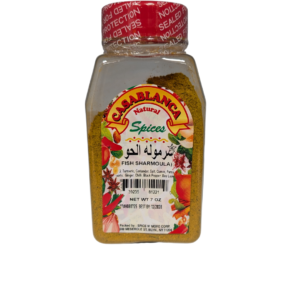
Need more? Browse all our North African groceries and check the shipping policy for delivery times.
Pastilla FAQs
What does pastilla taste like?
The classic chicken version is savory, sweet and aromatic all at once. The filling tastes of saffron, ginger, onions and herbs, while the almond layer and the sugar and cinnamon topping add sweetness. The pastry is very crisp.
Is pastilla the same as bastilla or b’stilla?
Yes. Pastilla, bastilla, b’stilla and bisteeya are different spellings of the same Moroccan pie. The spelling changes with the language and the region.
Can I make pastilla with phyllo dough?
Yes. Phyllo is the easiest substitute for warqa in the US. Use more layers, brush each sheet with melted butter and keep the stack covered so it does not dry out.
Is pastilla a main course or a starter?
In Morocco it is usually served as a festive starter before tagines or roast meats. Because it is rich and filling, a large wedge with salad also works as a main course at home.
Can I make pastilla ahead of time?
Yes. Cook the filling and almonds up to a day ahead and refrigerate them. You can also freeze the assembled, unbaked pie for up to about 2 months and bake it from frozen with extra time.
Why is my pastilla soggy?
The usual causes are wet eggs, a filling that was still warm, too little butter between the sheets or baking too high in the oven. Drain the eggs, cool the filling and bake on a lower rack.
Is seafood pastilla sweet?
No. It is savory and lightly spicy, flavored with chermoula, garlic and lemon. It skips the sugar and cinnamon topping used on the chicken pie.
Further reading: Pastilla (Wikipedia) · Saveur: Not-So-Humble Pie · USDA FSIS temperature chart
Bake Your First Pastilla This Weekend
Saffron, cinnamon, orange blossom water and more, delivered to your door anywhere in the USA.
Shop Moroccan Spices Shop All Products