North African Food Guide: Dishes, Spices and Flavors of the Maghreb
A friendly tour of the food of Morocco, Algeria, Tunisia and Libya: where it comes from, the pantry behind it, 12 dishes to try first and how to cook it at home in the USA.
North African food is the cooking of the Maghreb, mainly Morocco, Algeria, Tunisia and Libya, built on wheat (couscous and bread), olive oil, warm spices, legumes, dates and slow-cooked stews. Signature dishes include couscous, tagine, harira, brik, chakhchoukha and shakshuka. Moroccan cooking leans sweet and fragrant, Tunisian cooking is the hottest thanks to harissa, and Algeria and Libya sit in between, with strong Ottoman touches.
Your Complete North African Food Guide
North African food is some of the most generous cooking in the world. One large dish goes in the middle of the table, bread is passed around, tea follows, and nobody leaves hungry. It is also cooking with a long memory, shaped by Amazigh (Berber) farmers, Arab traders, Andalusian refugees, Ottoman governors and Mediterranean ports.
If you are new to it, the variety can feel huge. This guide keeps it simple: what counts as North African food, the shared pantry, how each country differs, and the dishes worth trying first. Most of the staples are easy to find in our Moroccan products, Algerian products and Tunisian products collections.
North African Food at a Glance
What Counts as North African Food?
Geographically, North Africa runs from the Atlantic coast of Morocco to the Red Sea. In food writing, though, “North African food” usually means the cooking of the Maghreb, an Arabic word for “the west” or “where the sun sets.” That covers Morocco, Algeria, Tunisia and Libya, with Mauritania often included.
Egypt and Sudan are part of North Africa on the map, but their kitchens are closer to the eastern Mediterranean and the Nile Valley, with dishes like ful medames and koshari. So when people talk about North African food in a restaurant or cookbook, they usually mean couscous, tagines, harissa and mint tea rather than Egyptian cooking.
What ties the Maghreb together is a shared base: semolina, olive oil, chickpeas, lentils, lamb, chicken, fish, dates, olives and a cupboard of warm spices. Each country then adds its own accent. A couscous in Fez, Algiers, Sfax and Tripoli will all be recognizably couscous, but the broth, heat and toppings change.
A Short History of North African Food
The oldest layer of North African food is Amazigh, the Indigenous peoples of the region. Steamed grains, barley, olive oil, flatbreads and slow cooking in clay all have deep roots here. Couscous itself is widely believed to be an Amazigh invention, though its exact origin date is debated.
Trade, empire and migration
Phoenician Carthage and later Rome planted wheat and olives on a large scale. Arab armies and traders arriving from the 7th century brought new spices, rice, sugar and dried fruit, and the habit of mixing sweet and savory.
After the fall of Granada in 1492, Muslims and Jews from Spain settled in cities such as Fez, Tetouan, Tlemcen and Tunis. Their refined city cooking is often linked to dishes like pastilla and many almond pastries.
From the 16th century, the Ottomans ruled Algeria, Tunisia and Libya, but never Morocco. That is why bourek, baklawa and dolma are common in the east of the Maghreb. Chilies and tomatoes from the Americas also arrived in this era, later giving us harissa. In the 19th and 20th centuries, French and Italian rule added baguettes, cafes and, in Libya and Tunisia, a real love of pasta.

The North African Food Pantry
You do not need a special kitchen to cook North African food. Most recipes come from a short list of staples that keep well for months.
| Staple | How it is used | Where to start |
|---|---|---|
| Couscous | Steamed and served under stews, or sweetened with butter, cinnamon and sugar | Dari medium couscous |
| Olive oil | Cooking, salads, dipping bread at breakfast | Akfadou Algerian extra virgin |
| Harissa | Chili paste stirred into soups, stews, eggs and sandwiches | Le Phare du Cap Bon tube |
| Ground spices | Cumin, paprika, ginger, cinnamon and turmeric in most stews | Moroccan spices |
| Legumes | Chickpeas, lentils and fava beans for soups like harira and bissara | Any good dried or canned brand |
| Canned fish | Sardines and tuna for brik, salads, sandwiches and quick tagines | Safi or Casablanca sardines |
| Pastry sheets | Warqa or malsouka for brik, briouats and pastilla | Tayeb malsouka sheets |
| Green tea and sugar | Mint tea after nearly every meal | Tea time |
Preserved and fermented flavors
Two flavors you will meet again and again are preserved lemons and smen. Preserved lemons are cured in salt until the rind turns soft and tangy. Smen is an aged, salted butter with a strong, cheesy aroma that goes into couscous and some tagines. We do not stock either one at the moment, but both are simple to make at home, and many cooks swap in lemon zest or a little extra butter.
Dates, almonds, raisins, olives and honey round out the North African food cupboard. They turn up in both sweet and savory cooking, often in the same dish.
Spices, Pastes and Blends
The quickest way to understand North African food is through its seasonings. A few blends do most of the work.
Ras el hanout
The name means “head of the shop,” the spice seller’s best mix. It can hold a dozen or more spices, with cumin, ginger, cinnamon, coriander and pepper as a common core. Try Casablanca ras el hanout.
Harissa
A paste of dried red chilies, garlic, olive oil, caraway and coriander. Tunisia’s harissa traditions joined the UNESCO list in 2022. Read our full harissa guide.
Tabil
A dry mix built on coriander seed, often with caraway, garlic and chili. It seasons Tunisian stews, couscous and meat.
Chermoula
A fresh marinade of cilantro, parsley, garlic, cumin, paprika, lemon and olive oil, used above all for fish.
Bharat
A warm, sweet-leaning mix in which cinnamon and dried rosebuds are common, used in rice, stuffed vegetables and meat.
Saffron, cumin and paprika
Saffron perfumes festive Moroccan dishes, while cumin and paprika season everything from carrot salad to grilled meat. Shop pure Moroccan saffron.
How North African Food Differs by Country
The four main kitchens share the same roots but taste different on the plate. Here is a quick way to tell them apart.
Fragrant and sweet-savory
Moroccan cooking uses saffron, ginger, cinnamon and honey, often with fruit in meat dishes. Tagines, couscous, harira and pastilla are the stars, and heat is usually mild.
Hearty and home-style
Algerian food is rich in soups, breads and sauces: chorba frik, rechta noodles, chakhchoukha, tajine zitoune and many kinds of couscous. Ottoman pastries are popular in cities.
Bold, tangy and spicy
Tunisian dishes are the hottest in the region, with harissa in almost everything. Fish couscous, brik, lablabi, ojja and tuna-filled snacks are everyday favorites.
| Country | Heat level | Signature dish | Typical drink |
|---|---|---|---|
| Morocco | Mild to medium | Tagine, couscous, pastilla | Mint tea |
| Algeria | Medium | Couscous, chorba, chakhchoukha | Coffee and mint tea |
| Tunisia | Hot | Couscous, brik, lablabi | Mint tea with pine nuts, coffee |
| Libya | Medium to hot | Bazeen, sharba, couscous | Strong sweet tea, often with peanuts |
Libya and Mauritania
Libyan food sits between the Maghreb and the eastern Mediterranean. Bazeen, a firm dome of barley dough served in a tomato stew with lamb, eggs and potatoes, is a classic shared dish eaten by hand. Sharba, a tomato soup with tiny pasta, opens many meals, and Italian rule left behind a love of pasta cooked straight in its sauce.
Mauritanian cooking draws on desert and coastal life, with rice and fish dishes, camel and goat meat and sweet, strong tea poured in rounds, much like the Tuareg tea of southern Algeria.

12 North African Food Dishes to Try First
These twelve dishes give a good picture of North African food, from everyday soups to festive centerpieces.
1. Couscous
Semolina grains steamed two or three times over a stew of meat and vegetables. Our couscous collection covers fine, medium and barley.
2. Tagine
A slow stew named after its clay pot, such as chicken with preserved lemon and olives or lamb with prunes.
3. Harira
A tomato, lentil and chickpea soup with herbs and a little flour, famous for breaking the fast in Ramadan.
4. Pastilla
Flaky pastry filled with spiced chicken or pigeon, eggs and almonds, dusted with sugar and cinnamon.
5. Brik
A thin pastry folded around an egg, often with tuna, parsley and capers, then fried until crisp.
6. Lablabi
A garlicky chickpea soup ladled over stale bread with cumin, harissa and olive oil.
7. Chakhchoukha
Torn pieces of thin flatbread soaked in a spicy tomato and lamb sauce, a specialty of the east.
8. Chorba frik
A soup of cracked green wheat with lamb, tomato and herbs, a Ramadan favorite.
9. Shakshuka
Eggs cooked in a sauce of peppers and tomatoes. Tunisians call it chakchouka or ojja in its spicier forms.
10. Bazeen
Barley dough shaped into a dome and served in a meat and tomato stew, eaten together from one dish.
11. Msemen
Square, layered griddle bread served at breakfast with honey, butter or olive oil.
12. Makroud
Semolina cookies stuffed with date paste, fried or baked and dipped in honey syrup.


An Easy First North African Food Recipe: Shakshuka
Shakshuka is the friendliest way into North African food: one pan, pantry spices and about 30 minutes. This version serves 2 to 3 and uses harissa for a gentle Tunisian kick.
Ingredients
- 3 tablespoons olive oil
- 1 medium onion, sliced
- 2 bell peppers (red and green), sliced
- 3 garlic cloves, chopped
- 1 teaspoon ground cumin and 1 teaspoon sweet paprika
- 1 to 2 teaspoons harissa, to taste
- 1 can (28 oz) crushed tomatoes, or 5 ripe tomatoes, chopped
- 4 to 5 eggs
- Salt, pepper, chopped parsley or cilantro
Method
- Soften the vegetables. Heat the oil in a 10 to 12 inch skillet over medium heat. Cook the onion and peppers for 8 to 10 minutes, until soft.
- Bloom the spices. Add garlic, cumin, paprika and harissa. Stir for 1 minute until fragrant.
- Simmer the sauce. Add the tomatoes, a pinch of salt and pepper. Simmer for 10 to 12 minutes, until thick.
- Add the eggs. Make small wells with a spoon and crack in the eggs. Cover and cook on low for 5 to 8 minutes, until the whites are set.
- Finish and serve. Scatter herbs, drizzle a little olive oil and serve straight from the pan with crusty bread.
Make it your own
Algerian cooks often add merguez sausage or potatoes, and Tunisians may add tuna or a spoon of caraway. For extra protein, stir in a can of drained sardines just before the eggs; our Moroccan sardines in tomato sauce melt right into the sauce.
Egg safety tip: cook eggs until the whites are firm. The US Department of Agriculture advises cooking egg dishes to 160°F if you want them fully set.

North African Food Table Culture
Much of North African food is meant to be shared. A large couscous platter or tagine goes in the center, and each person eats from the section in front of them. In many homes people eat with the right hand, using bread to scoop sauce, though spoons are normal for couscous and soups.
Bread is treated with respect. It is rarely thrown away, and old bread becomes dishes like lablabi or chakhchoukha. Guests are usually offered tea, dates or a small sweet as soon as they arrive.
Rhythms of the week and year
In Morocco and Algeria, couscous is the traditional Friday lunch after midday prayers. During Ramadan, the fast is often broken with dates and milk or water, followed by harira or chorba, eggs, sweets and breads. Eid brings out trays of cookies, while weddings mean pastilla, mechoui (slow-roasted lamb) and endless rounds of tea.
Cooking North African Food in the USA
You can cook excellent North African food in an ordinary American kitchen. These tips help you shop and cook with confidence.
Pick the right couscous
Medium grain is the all-rounder for stews. Fine grain suits sweet seffa, and barley couscous has a nutty taste.
No tagine? Use a Dutch oven
A heavy lidded pot on low heat gives very similar results. Clay tagines also need a heat diffuser on most stoves.
Steam couscous, do not just soak it
Instant couscous works, but steaming it once or twice over the stew gives lighter, fluffier grains.
Buy small, buy often
Ground spices slowly lose aroma, so a small jar used often beats a big one that sits. Store them airtight, away from the stove.
Add harissa in stages
Start with a teaspoon. Brands vary a lot, and you can always add more at the table.
Use real olive oil
Fruity extra virgin oil is used generously in Tunisia and Algeria, especially for salads and dipping bread.
Cook legumes ahead
Soak dried chickpeas overnight and cook in batches. Canned chickpeas are a fine weeknight shortcut.
Plan pantry orders
Order dry goods in one box to save on shipping. See our shipping policy for delivery times.
Best North African Food Staples to Buy in the USA
A starter kit for North African food at home, shipped to all 50 states.

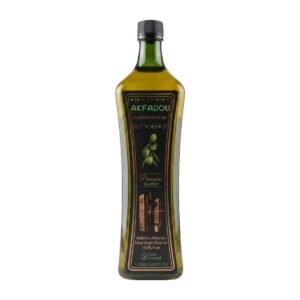 Best olive oilAkfadou Extra Virgin Olive Oil
Fruity Algerian oil from Kabylia for salads and cooking.
Shop now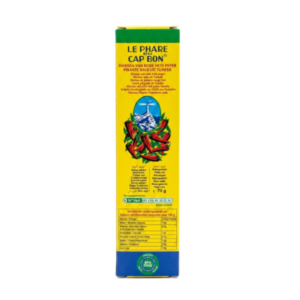 Best harissaLe Phare du Cap Bon Harissa
The classic Tunisian tube for shakshuka, soups and sandwiches.
Shop now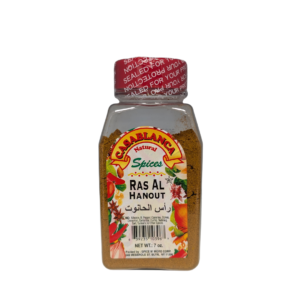 Best spice blendCasablanca Ras El Hanout
One jar that seasons tagines, couscous and roasted vegetables.
Shop now
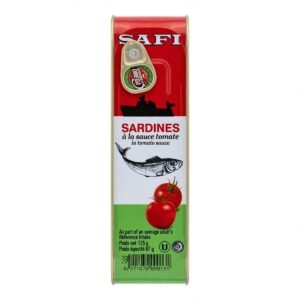 Best pantry proteinSafi Sardines in Tomato Sauce
Quick protein for salads, sandwiches and shakshuka.
Shop nowLike more heat? Try the big can of El Hara Algerian harissa, and pair your meal with mint tea made with Sultan Grain Ambar green tea.
North African Food FAQs
What is the most popular North African food?
Couscous is the best-known dish across the whole Maghreb and was recognized by UNESCO in 2020 after a joint nomination by Algeria, Mauritania, Morocco and Tunisia. Tagine, harira, brik and shakshuka are also very popular.
Is North African food spicy?
It depends on the country. Moroccan food is usually fragrant and mild, with heat served on the side. Algerian food is medium, and Tunisian food is the hottest, with harissa added to most savory dishes.
What is the difference between North African food and Middle Eastern food?
They share many ingredients, such as chickpeas, olive oil and cumin, but North African food relies far more on couscous, tagines, harissa and blends like ras el hanout, while Middle Eastern cooking leans on rice, bulgur, tahini and sumac.
Which countries are included in North African food?
In most cookbooks and restaurants it means the Maghreb: Morocco, Algeria, Tunisia and Libya, often with Mauritania. Egypt is in North Africa geographically, but its cooking is usually grouped with the eastern Mediterranean.
What spices are used in North African food?
Cumin, paprika, ginger, cinnamon, coriander, turmeric, saffron, caraway and black pepper are the core. They are often combined in blends such as ras el hanout, tabil and harissa.
Is North African food healthy?
General information only, not medical advice. Many everyday dishes are built on vegetables, legumes, whole grains, fish and olive oil, which fits common healthy eating guidance. Pastries, fried snacks and very sweet tea are best enjoyed in moderation.
Can I cook North African food without a tagine pot?
Yes. A heavy Dutch oven or any lidded pot on low heat works very well. For couscous, a steamer basket set over a pot of stew can stand in for a couscoussier.
Further reading: UNESCO: Couscous · UNESCO: Harissa · Maghrebi cuisine (Wikipedia)
Bring the Maghreb to Your Kitchen
Authentic couscous, spices, harissa, olive oil and tea from Morocco, Algeria and Tunisia, delivered anywhere in the USA.
Shop Moroccan Spices Shop All Products