Moroccan Street Food: 18 Dishes to Eat From Souk to Square
From flaky msemen at dawn to snail soup and smoky brochettes after dark, here is what to eat on the streets of Morocco, where to find it and how to recreate the flavors at home in the USA.
Moroccan street food is the cheap, fast and deeply local cooking sold from carts, stalls and hole-in-the-wall kitchens across Morocco, from msemen and sfenj at breakfast to brochettes, snail soup and mechoui at night. The most famous place to try it is Jemaa el-Fnaa square in Marrakech, but every medina has its own specialties. Most dishes rely on bread, cumin, paprika, fresh herbs and olive oil, which makes them surprisingly easy to cook at home.
Your Complete Street Food Guide
Ask visitors what they remember most about Morocco, and many describe a smell: grilling meat, frying dough or spiced broth. Moroccan street food is where the country eats every day. It is quick, filling and usually costs far less than a sit-down meal, so students, workers and families all share the same stalls.
This guide walks you through 18 classic dishes, the best time of day to eat each one, the city specialties worth seeking out and simple etiquette for eating at a busy stall. You will also find an easy maakouda recipe and the pantry staples, like cumin, paprika and canned sardines from our Moroccan products collection, that bring the taste of the medina to an American kitchen.
Moroccan Street Food at a Glance
What Makes Moroccan Street Food So Special?
Selling ready food in the street is an old tradition in Morocco. Markets, mosques, bathhouses and city gates have always drawn crowds, and cooks set up wherever people gathered. The result is a style of eating built around speed, bread and bold seasoning rather than plates and cutlery.
The best-known stage is Jemaa el-Fnaa, the triangular square at the entrance to the Marrakech medina. It dates back to the 11th century and fills every evening with storytellers, musicians and rows of food stands. UNESCO first proclaimed its cultural space in 2001 and added it to the Representative List of the Intangible Cultural Heritage of Humanity in 2008.
Moroccan street food is not only about the big square, though. Every town has its bean soup vendors, griddle cooks folding msemen and grill men fanning charcoal. Many neighborhoods also have a mhlaba, a small dairy shop that sells yogurt, juices, smoothies, msemen and harcha. In the north, snack bars started selling Spanish-style bocadillo sandwiches in the 1980s.
The flavors that tie Moroccan street food together
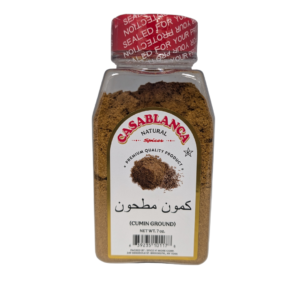
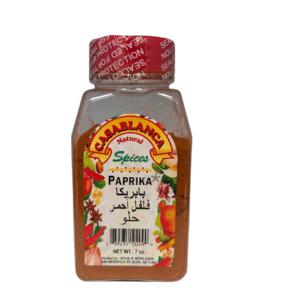
Whatever the dish, the same handful of seasonings appear again and again: cumin, sweet paprika, chili, coriander, garlic, parsley and cilantro. Olive oil finishes soups and dips, and fresh bread does the work of a spoon. You can explore all of these in our Moroccan spices range.
| Time of day | What you will find | Typical drink |
|---|---|---|
| Early morning | Msemen, harcha, sfenj, bissara | Mint tea or coffee with milk |
| Midday | Kefta, mechoui, tanjia, sandwiches | Mint tea or soft drinks |
| Late afternoon | Sfenj, msemen, spiced chickpeas | Mint tea |
| Evening | Brochettes, snails, harira, fried fish | Fresh orange juice |
18 Moroccan Street Food Dishes to Try First
Here is a starter list of Moroccan street food, roughly in the order you would meet it over a day. Each one is cheap, local and worth tracking down.
Msemen
Square, flaky flatbread made by folding thin, oiled dough, then cooked on a griddle. Eaten plain, with honey or stuffed with onions and kefta.
Harcha
A round semolina griddle bread with a crumbly, buttery texture, often split and spread with soft cheese or jam.
Sfenj
Light, chewy ring doughnuts fried in hot oil and sold hot, plain or dusted with sugar.
Bissara
A thick split fava bean soup finished with olive oil, cumin and paprika. A classic winter breakfast.
Harira
Tomato, lentil and chickpea soup with herbs and a little meat, famous as the dish that breaks the fast in Ramadan.
Maakouda
Golden potato fritters seasoned with garlic, cumin and herbs, eaten alone or stuffed into bread.
Babbouche
Snails simmered in a broth of many spices and herbs, served by the ladle from carts. You drink the broth too.
Tayb o hari
Soaked chickpeas or fava beans boiled until soft and sprinkled with salt, cumin and paprika.
Kefta brochettes
Ground meat mixed with paprika, cumin, coriander and garlic, grilled on skewers over charcoal.
Merguez sandwich
Thin, spicy lamb or beef sausages grilled and tucked into khobz with a hot tomato sauce.
Mechoui
Whole lamb roasted for hours until it falls off the bone, sold by weight with cumin and salt for dipping.
Tanjia
The Marrakech specialty of beef or lamb sealed in a clay urn with preserved lemon and spices, cooked in hot embers.
Sardine sandwich
Ground sardines mixed with herbs and spices, shaped into patties, fried and stuffed into bread. Essaouira is famous for it.
Mqila
A Casablanca favorite: an omelet cooked in a small pan with fresh shrimp and soft cheese.
Bocadillo
A Spanish-influenced sandwich filled with tuna, boiled egg, olives, tomato and a dash of hot sauce.
Steamed sheep’s head
Steamed in big pots and sold by the portion at night stalls, usually with salt, cumin and bread.
Chebakia
Flower-shaped fried cookies soaked in honey and covered in sesame seeds, sold in huge piles before Ramadan.
Nougat
Colorful slabs of nougat packed with almonds, peanuts or pistachios, sliced to order at market stands.
Breakfast: Where Moroccan Street Food Begins
Morocco wakes up to the sound of dough slapping on griddles. Breakfast is one of the best times for Moroccan street food, because the breads are made fresh and sold within minutes.
Msemen and harcha
Msemen (also called rghaif) is made by stretching a ball of dough paper-thin with oil, folding it into a square and cooking it on a flat pan until crisp outside and chewy inside. Harcha is its rustic cousin, a thick semolina round that tastes a little like a buttery cornbread.
Sfenj
Sfenj are made from a sticky yeast dough of flour, water and salt. The cook pulls off a piece, pokes a hole with a wet thumb and drops the ring into hot oil. They are best eaten within minutes of leaving the oil.
Bissara
In Fes, early risers eat bowls of bissara near Bab Boujloud, the Blue Gate, with bread and mint tea. Split fava beans are simmered with garlic until smooth, then topped with olive oil, cumin and paprika.


Grills, Mechoui and Tanjia
By late afternoon the charcoal is lit, and the grilled side of Moroccan street food takes over. Most grill stalls display raw skewers on ice or trays, so you can point to what you want and wait while it cooks.
Brochettes and kefta
Brochettes are small cubes of beef, lamb, chicken or liver threaded on skewers. Kefta is ground meat seasoned with paprika, cumin, coriander, garlic and herbs, then pressed around a skewer or shaped into patties. Both arrive with bread, grilled tomatoes and onions, and a pinch of cumin and salt.
Merguez
These thin red sausages get their color and kick from paprika, chili and harissa. Street cooks split a round khobz, add the merguez and spoon over a spicy tomato salsa. Fans of heat should read our guide to harissa.
Mechoui: lamb sold by weight
Just off Jemaa el-Fnaa, a short lane known to locals as Mechoui Alley specializes in lamb that is roasted and slow-cooked in underground ovens until it is falling apart. You order by weight, and it comes with bread and a small dish of cumin and salt. It is a lunchtime favorite with Moroccans, not just visitors.
Tanjia: Marrakech’s bathhouse stew
Tanjia is named after the tall clay urn it is cooked in. Beef shank or lamb goes in with preserved lemon, garlic, cumin, saffron, olive oil and sometimes smen. The sealed urn is buried in the embers of the furnace that heats a neighborhood hammam and left for about four to five hours. Smithsonian Magazine traces how this Moroccan street food grew out of the working life of the souks.
Babbouche Snail Soup and Spiced Broths
If there is one dish that sums up adventurous Moroccan street food, it is babbouche. The word is Darija for snails. Vendors keep a huge pot simmering on a cart, ladle the snails into small bowls and hand you a toothpick to pull out each one.
The real treasure is the broth. Recipes vary, but the cooking liquid is famously built from around 15 spices and herbs. Morocco World News lists thyme, orange peel, mint, chili, anise, green tea leaves and caraway among them. Many locals sip it as a warming tonic on cold nights and believe it helps digestion.
Spiced chickpeas: tayb o hari
Another cart classic is tayb o hari, which means roughly “cooked and hot.” Dried chickpeas or fava beans are soaked overnight, boiled until soft and served in a paper cone with salt, cumin and paprika.

Moroccan Street Food City by City
Each city has its own Moroccan street food specialties. If you are planning a trip, these are the dishes locals will point you toward.
Jemaa el-Fnaa and tanjia
Evening grills, snails, harira and steamed sheep’s head on the square, plus mechoui and tanjia in the lanes nearby.
Bissara and maakouda
Breakfast bissara near Bab Boujloud, and potato maakouda that is especially popular with students and workers.
Mqila near the port
Simple eateries close to the Casa Port station cook shrimp omelets in small pans, often with tea on the side.
Sardines and fresh fish
Spiced sardine patties in bread, or buy fish at the harbor market and have it grilled at the stalls next door.
Kefta and nougat
Midday kefta grilled with tomatoes and onions, and colorful nougat sold by the slab on the main square.
Bocadillos
Tangier and Tetouan snack bars serve Spanish-style sandwiches, a sign of the region’s long ties with Spain.
Love Essaouira-style sardines?
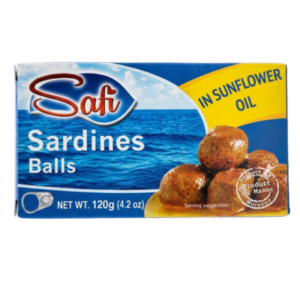
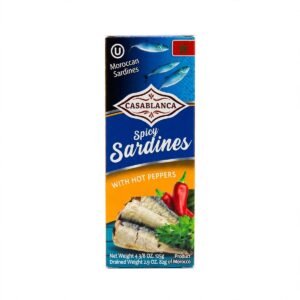
You do not need a harbor to taste coastal Moroccan street food. Our Moroccan sardines range includes ready-made Safi sardine balls, which are perfect warmed in tomato sauce and stuffed into crusty bread, and fiery Casablanca spicy sardines for a quick sandwich.
Drinks and Sweets on the Street
No round of Moroccan street food is complete without something to drink. On Jemaa el-Fnaa, a long row of juice carts piled high with oranges squeezes glasses to order all day and night.
What to drink
- Mint tea. Green tea with fresh mint and sugar, offered almost everywhere. Our tea time collection has everything for a pot.
- Fresh orange juice. Sweet, cheap and made in front of you.
- Almond milkshake. Almonds blended with milk and dates, sometimes with a splash of orange blossom water. Avocado smoothies are popular too.
- Nous-nous. Half coffee, half milk, the standard cafe order after lunch.
What to snack on
Before and during Ramadan, sweet stalls pile up chebakia, glossy with honey and sesame. Year round, look for nougat, sesame bars, dates and roasted nuts. A spoon of honey on hot msemen is the simplest treat of all.

How to Eat Moroccan Street Food Like a Local
A little know-how makes eating Moroccan street food relaxed and fun. These are the habits locals and seasoned travelers swear by.
Follow the local crowd
A stall busy with locals usually means fresh Moroccan street food and fast turnover.
Look for fresh cooking
Choose food cooked or reheated in front of you, especially fried snacks and grilled meat.
Confirm the price first
Ask how much before you sit down, and check whether bread, olives or salads on the table are included.
Use bread and your right hand
Bread is your spoon. Tear a piece and scoop. Traditionally, the right hand is used for eating.
Carry small change
Most stalls take cash only, and small coins and notes make paying quick and easy.
Pack sanitizer and water
Many travelers carry hand sanitizer and sealed bottled water, and prefer peeled or cooked fruit.
General information only, not medical advice. If you have allergies, a sensitive stomach or dietary restrictions, ask about ingredients before ordering, since many dishes share oil, grills and spice mixes.
Make Moroccan Street Food at Home: Easy Maakouda
This Moroccan street food classic needs only potatoes, eggs and pantry spices. The recipe makes about 12 fritters, enough for 4 sandwiches or a snack platter.
Ingredients
- 2 lb russet potatoes (about 4 medium), peeled and quartered
- 2 cloves garlic, finely grated
- 3 tbsp chopped parsley or cilantro
- 1 tsp ground cumin
- 1/2 tsp sweet paprika
- Pinch of turmeric (optional)
- 1 tsp salt and 1/4 tsp black pepper
- 3 eggs: 1 for the mix, 2 beaten for dipping
- Neutral oil for shallow frying
- To serve: khobz or crusty rolls, harissa, olives
Method
- Boil. Cover the potatoes with salted cold water and simmer for about 15 to 20 minutes, until a knife slides in easily.
- Mash. Drain well and let them steam dry for 5 minutes, then mash until smooth. Dry potatoes make crisp fritters.
- Season. Mix in the garlic, herbs, cumin, paprika, turmeric, salt, pepper and one egg.
- Shape. Form patties about 2 1/2 inches wide and 1/2 inch thick. Chill for 15 minutes if the mix feels soft.
- Dip. Heat 1/2 inch of oil in a skillet to about 350°F. Dip each patty in the beaten eggs.
- Fry. Cook 2 to 3 minutes per side until deep golden. Drain on paper towels.
- Serve. Stuff into split bread with a smear of harissa, or serve with olives and a tomato salad.
More Moroccan street food ideas for home
- Kefta skewers. Mix 1 lb ground beef with grated onion, parsley and 1 tsp each of cumin, paprika and ground coriander. Grill 3 to 4 minutes per side until it reaches 160°F inside.
- Sardine ball sandwich. Warm canned sardine balls in tomato sauce with cumin and chili, then pile into bread.
- Tayb o hari. Toss hot cooked chickpeas with salt, toasted cumin and paprika.

Best Moroccan Street Food Essentials to Buy in the USA
The spices, fish and pantry basics behind Moroccan street food, shipped to all 50 states.
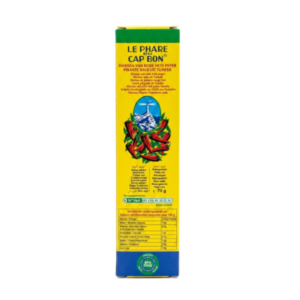
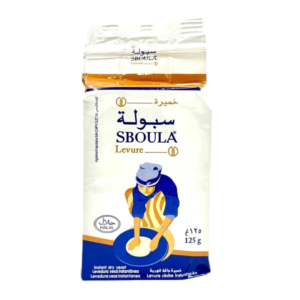
Finishing a sweet platter? Drizzle Tayeb eucalyptus honey over hot msemen and check our shipping policy for delivery times.
Moroccan Street Food FAQs
What is the most popular Moroccan street food?
There is no single winner, but msemen, sfenj, harira, brochettes and maakouda are found almost everywhere. In Marrakech, snail soup, mechoui and tanjia are local favorites, while coastal towns are known for sardines.
Where is the best place to try Moroccan street food?
Jemaa el-Fnaa square in Marrakech is the most famous spot, with dozens of food stands every evening. Medinas in Fes, Essaouira, Casablanca and Tangier also have excellent stalls, and the busiest ones with local customers are usually the best.
Is Moroccan street food spicy?
Most dishes are well spiced rather than very hot. Cumin, paprika, coriander and herbs lead the flavor, and chili or harissa is often served on the side so you can add as much heat as you like.
What is babbouche?
Babbouche is snail soup, a night-time street dish in Morocco. The snails simmer in a broth flavored with many herbs and spices such as thyme, anise, caraway, mint and orange peel, and people eat the snails with a toothpick and drink the broth.
Is Moroccan street food safe for travelers?
Many travelers enjoy it without problems. Choose busy stalls where food is cooked fresh in front of you, drink sealed bottled water, and carry hand sanitizer. This is general information only, not medical advice.
What do Moroccans eat for breakfast on the street?
Popular choices are msemen and harcha griddle breads, sfenj doughnuts and bowls of bissara fava bean soup, usually with mint tea or coffee with milk.
Can I make Moroccan street food at home in the USA?
Yes. Dishes like maakouda, kefta skewers, spiced chickpeas and sardine sandwiches need only common ingredients plus Moroccan spices such as cumin and paprika, which you can order online.
What is tanjia and how is it cooked?
Tanjia is a Marrakech dish of beef or lamb cooked with preserved lemon, garlic, cumin, saffron and olive oil in a sealed clay urn. The urn is traditionally buried in the embers of a hammam furnace for about four to five hours.
Further reading: UNESCO: Cultural space of Jemaa el-Fna Square · Lonely Planet: Best street food in Morocco · Smithsonian: Tanjia
Bring the Medina to Your Kitchen
Authentic Moroccan spices, sardines, harissa and tea for your own street food night, delivered anywhere in the USA.
Shop Moroccan Products Shop All Products