Moroccan Spices: The 15 Essentials Every Kitchen Needs
A complete list of the spices behind tagines, couscous, kefta and pastilla, with their Moroccan names, how cooks combine them, and how to buy and store them in the USA.
The essential Moroccan spices are cumin, sweet paprika, ground ginger, turmeric, saffron, cinnamon and black pepper, supported by coriander seed, chili, anise, caraway, cloves, nutmeg, sesame and fenugreek. Most everyday dishes use just three or four of them, usually ginger, pepper and turmeric or saffron for yellow sauces, or cumin and paprika for red ones. Blends such as ras el hanout and chermoula combine many at once.
Your Complete Moroccan Spice Cabinet
Walk through any Moroccan souk and you will see Moroccan spices piled into sacks and bright pyramids, from rust-red paprika to golden turmeric. The good news for home cooks is that the core list is short. With a dozen or so jars, you can cook almost every classic dish in the country.
This guide covers 15 essential Moroccan spices, what each tastes like, the Darija name you will hear in the market and the dishes it belongs in. You will also learn the simple “yellow” and “red” spice formulas behind most tagines, how blends work and how to keep your jars fresh. Everything here is available in our Moroccan spices collection.
Moroccan Spices at a Glance
Where Do Moroccan Spices Come From?
Morocco sits at a crossroads of Berber, Arab, Andalusian and Mediterranean cultures, and its spice cabinet shows it. Many Moroccan spices arrived along trade routes from the east. After the Idrisid dynasty founded Fes in 789, the city became a hub where spices from Arab and Persian kitchens flowed into local cooking, as the Wikipedia overview of Moroccan cuisine notes.
Some ingredients are grown at home. Saffron is cultivated around Taliouine in the south, and Moroccan paprika, cumin and coriander are sold fresh in every market. Other spices, such as cloves, nutmeg and cinnamon, have long been imported and are now just as much a part of the national flavor.
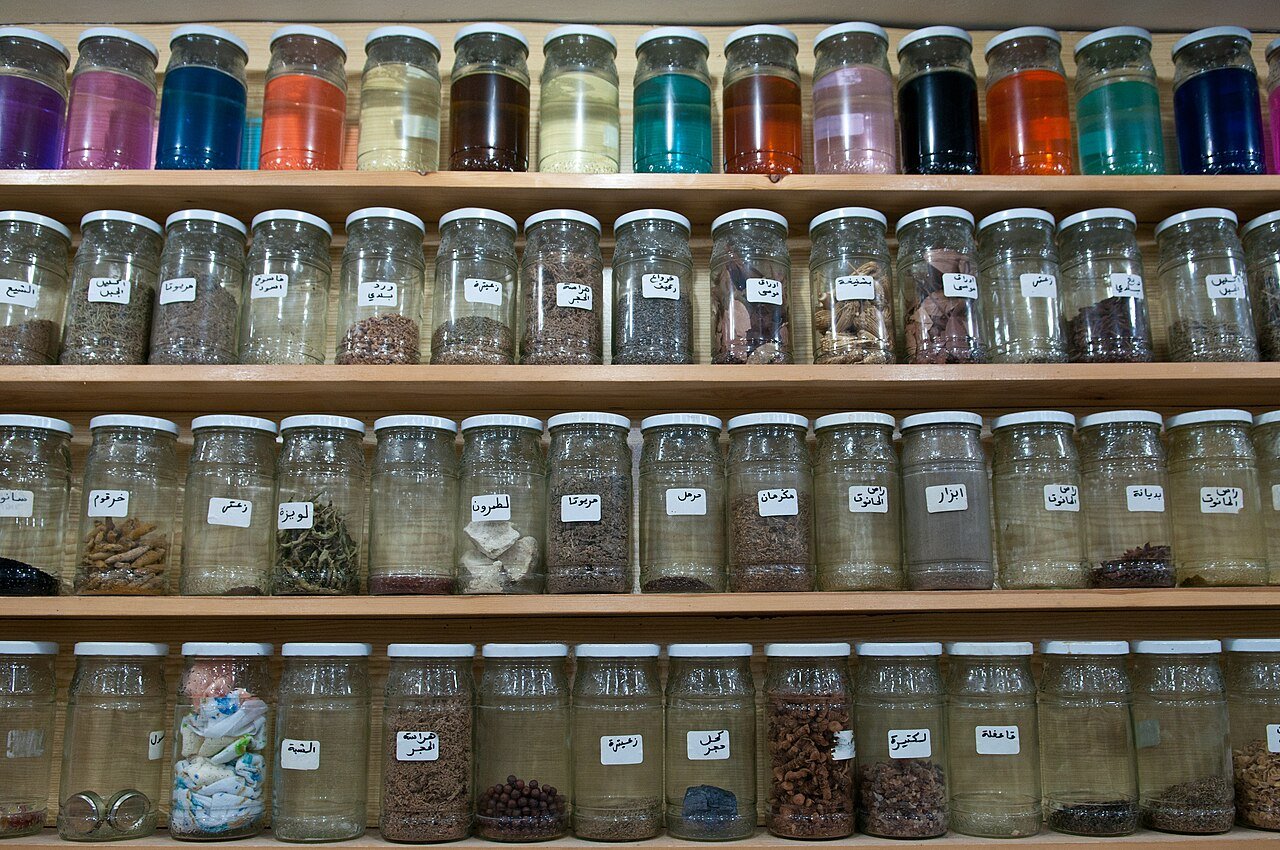
Shopping for spices in a Moroccan souk
In the old medinas of Fes and Marrakech, spice sellers weigh out what you need from open sacks or jars. Locals buy small amounts often, smell before they pay and ask the seller to grind whole spices on the spot. Many shops also sell herbs, dried rosebuds and traditional beauty products side by side with cooking spices.
How Moroccan spices are used
Moroccan cooking is fragrant rather than fiery. Spices are layered gently, often cooked slowly in olive oil with onions, garlic and fresh herbs like parsley and cilantro. Heat usually comes from a little chili or a spoon of harissa on the side, not from the main spice mix.
| Role | Main Moroccan spices | Typical dishes |
|---|---|---|
| Earthy base | Cumin, coriander seed | Bissara, kefta, carrot salad |
| Color and body | Paprika, turmeric, saffron | Tagines, harira, chermoula |
| Warmth | Ginger, black pepper | Chicken and meat tagines |
| Sweet aroma | Cinnamon, anise, nutmeg | Pastilla, tfaya, cookies |
| Texture and finish | Sesame seeds | Tagine garnish, chebakia, bread |
15 Essential Moroccan Spices and How to Use Them
Here are the Moroccan spices you will find in almost every family kitchen, with the names commonly used in Moroccan Arabic (Darija). Spellings vary from region to region.
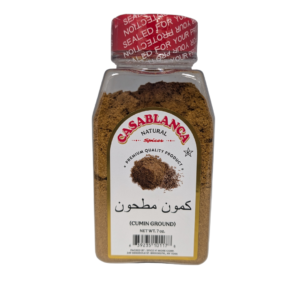
Cumin
Warm and earthy. Used in bissara, kefta, salads and chermoula, and mixed with salt as a dip for eggs and grilled meat.
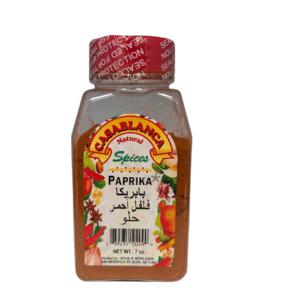
Sweet paprika
Mild red pepper that gives color and a gentle sweetness to tagines, zaalouk, taktouka and kefta.
Ground ginger
Dried ground ginger, not fresh, is the backbone of many chicken and meat tagines.
Turmeric
Adds golden color and a mild, slightly bitter note. Common in harira and everyday tagines.
Saffron
Precious red threads with a floral, honeyed aroma, used for festive tagines, couscous and pastilla.
Cinnamon
Used in both sweet and savory food: pastilla, tfaya onions, seffa and lamb with prunes.
Black pepper
Usually paired with ginger. White pepper is also popular for pale sauces and fish.
Coriander seed
Citrusy and nutty. Ground into kefta and spice rubs, and a key part of many blends.
Hot chili and cayenne
Used with a light hand in chermoula, sauces and fish. Harissa paste is a popular alternative.
Anise seed
Sweet and licorice-like. Flavors bread, sellou, chebakia and many cookies.
Caraway
Sharp and slightly peppery. Appears in some soups and spiced broths, including snail soup.
Cloves
Very strong, so one or two buds are enough. A classic in ras el hanout and some meat dishes.
Nutmeg
Grated fresh into kefta, sweet dishes and blends. A little goes a long way.
Sesame seeds
Toasted and sprinkled over tagines with prunes, and essential in chebakia, sellou and bread.
Fenugreek
Bitter-sweet seeds cooked with lentils and chicken in rfissa, a dish often served to celebrate new mothers.
The Everyday Four Moroccan Spices
If you only buy four Moroccan spices, choose cumin, sweet paprika, ground ginger and turmeric. Add salt, black pepper, garlic and fresh herbs and you can cook dozens of dishes.
Yellow sauce: ginger, pepper and turmeric or saffron
Many Moroccan cooks describe tagines as either yellow or red. The yellow style, often called mqualli, is built on onions and oil with ground ginger, black or white pepper, and turmeric or saffron for color. It is the base of chicken with preserved lemon and olives.
Red sauce: paprika, cumin and garlic
The red style, often called mhammar, leans on sweet paprika, cumin and garlic, sometimes with a pinch of chili. It suits lamb, kefta, fish and vegetable dishes.

| Spice | Flavor | Start with (per 2 lb meat) | Try |
|---|---|---|---|
| Cumin | Earthy, warm | 1 to 2 tsp | Ground cumin |
| Sweet paprika | Mild, sweet, red | 1 to 2 tsp | Sweet paprika |
| Ground ginger | Warm, peppery | 1 tsp | Ground ginger |
| Turmeric | Earthy, golden | 1/2 tsp | Any good ground turmeric |

Saffron: The Most Precious of Moroccan Spices
Saffron comes from the dried stigmas of the saffron crocus (Crocus sativus). Each flower has just three, and they are picked by hand, which is why saffron is the most expensive spice in the world by weight.
Morocco grows its own saffron, mainly around the town of Taliouine between the High Atlas and Anti-Atlas mountains. Moroccan cooks use it for special occasion dishes, such as festive tagines, couscous and pastilla, and often stretch it with turmeric in everyday cooking.
How to use saffron
- Crumble 8 to 10 threads into 2 tablespoons of warm water and steep for 10 to 15 minutes.
- Add the liquid and threads to the pot with the onions or broth.
- A single gram is enough for many family-size tagines.
How to spot good saffron
Good threads are deep red with a strong, sweet smell. In water they slowly release a golden-yellow color while staying red themselves. Very cheap “saffron” that dyes water red at once is often not the real thing. Our pure Moroccan saffron comes in a 1 g pack.
Sweet and Warm Moroccan Spices
One of the most distinctive things about Moroccan spices is how often sweet spices meet savory food. Cinnamon and sugar dust a meat pie, and anise flavors the daily bread.
Pastilla
The flaky pie is finished with powdered sugar and cinnamon. Keep cinnamon sticks for tagines and ground cinnamon for dusting.
Tfaya
Onions and raisins slowly cooked with cinnamon, honey and butter, piled on couscous or chicken.
Lamb with prunes
A sweet tagine scented with cinnamon and finished with toasted sesame seeds and almonds.
Khobz and cookies
A spoon of anise seed and sesame flavors many breads, while ground anise goes into sellou and chebakia.
Kefta and sweets
A light grating of nutmeg adds warmth to meatballs, milk puddings and pastries.
Rfissa
Shredded msemen with chicken, lentils and a broth scented with fenugreek and ras el hanout.

Moroccan Spice Blends Worth Knowing
Moroccan spices are often sold as ready mixes for specific dishes. These are the blends you are most likely to meet.
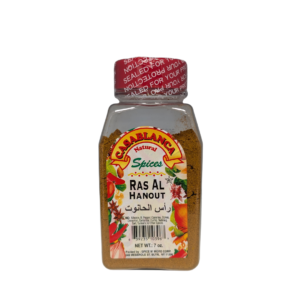
Ras el hanout
Arabic for “head of the shop,” it is a spice merchant’s signature mix. According to Britannica, it can include dozens of spices, such as cinnamon, ginger, nutmeg, cloves, turmeric and paprika.
Mrouzia spice
A blend made for mrouzia, the honeyed lamb tagine with raisins and almonds traditionally cooked after Eid al-Adha.
Chermoula
A marinade of cumin, paprika, garlic, herbs, lemon and oil. A dry chermoula spice makes it fast.
Making your own blend
A simple kefta mix is 2 parts paprika, 2 parts cumin, 1 part ground coriander and a pinch of black pepper and chili. For a quick tagine base, combine equal parts ground ginger and turmeric with half as much black pepper. For heat, many Moroccan families keep a tube or can of harissa nearby. Read our guide to harissa to learn how it differs across North Africa.
Which Moroccan Spices Go in Which Dish?
Use this table as a starting point when you cook classic dishes. Quantities vary by family, so taste as you go.
| Dish | Key Moroccan spices |
|---|---|
| Chicken tagine with lemon and olives | Ginger, black pepper, turmeric, saffron |
| Kefta tagine | Paprika, cumin, coriander, chili |
| Harira soup | Ginger, turmeric, black pepper, cinnamon |
| Bissara | Cumin, paprika, olive oil |
| Carrot salad | Cumin, paprika, cinnamon in sweet versions |
| Pastilla | Saffron, ginger, cinnamon |
| Rfissa | Fenugreek, ras el hanout, saffron |
| Fish with chermoula | Cumin, paprika, chili |
| Seven-vegetable couscous | Ginger, pepper, turmeric, saffron |
Five habits of Moroccan home cooks
- Start with oil and onions. Most tagines begin with grated or sliced onion softened in olive oil, then the spices, so the flavors melt into the sauce.
- Rub the meat first. Many cooks toss chicken or lamb with spices, garlic and salt and let it sit for 30 minutes to overnight in the fridge.
- Use fresh herbs generously. A big handful of chopped parsley and cilantro is almost as important as the dry spices.
- Keep it balanced. No single spice should shout. If you can clearly taste cloves or nutmeg, you used too much.
- Finish with acid or sweetness. Preserved lemon, olives, honey or dried fruit round out a dish at the end.
Buying, Toasting and Storing Moroccan Spices
Fresh Moroccan spices smell strong as soon as you open the jar. If you have to sniff hard, it is time for a new one.
Whole or ground?
Whole spices keep their aroma longer. McCormick’s guidelines suggest roughly 3 to 4 years for whole spices and 2 to 4 years for ground ones, with blends closer to 1 to 3 years. Buy whole cumin seeds and coriander seeds if you enjoy grinding your own.
How to toast and grind
- Heat a dry skillet over medium heat.
- Add whole seeds and stir for 1 to 2 minutes, until fragrant and a shade darker.
- Cool on a plate, then grind in a spice grinder or mortar.
Storage rules
- Keep jars tightly closed, away from light, heat and steam. Avoid the shelf above the stove.
- Write the opening date on each jar.
- Keep saffron in a small airtight container in a cool, dark place.
Moroccan Spices and Health
General information only, not medical advice. Moroccan spices are used in small amounts to flavor food, and in those amounts they are generally considered safe for most people. Claims about specific health benefits are often based on early or limited research.
Cinnamon is a good example. The National Center for Complementary and Integrative Health says research does not clearly support cinnamon for any health condition, and notes that cassia cinnamon contains coumarin, which in large amounts has been linked to liver problems. Normal cooking amounts usually provide too little to cause problems.
If you are pregnant, take medication or have a health condition, talk to your doctor before using any spice in large or supplement-style amounts.

Best Moroccan Spices to Buy in the USA
A starter set of Moroccan spices for tagines, couscous, salads and sweets, shipped to all 50 states.


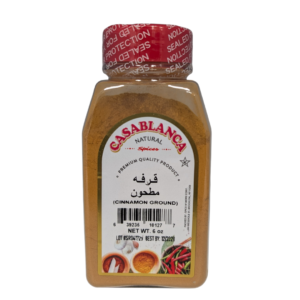
Need delivery details? See our shipping policy for times and costs.
Moroccan Spices FAQs
What are the most common Moroccan spices?
The most common are cumin, sweet paprika, ground ginger, turmeric, black pepper, cinnamon and saffron. Coriander seed, chili, anise, caraway, cloves, nutmeg, sesame and fenugreek are also widely used.
What spices are in a Moroccan tagine?
It depends on the style. Yellow tagines usually use ground ginger, black or white pepper and turmeric or saffron. Red tagines use sweet paprika, cumin and garlic. Many cooks also add cinnamon to sweet tagines with prunes or apricots.
Are Moroccan spices hot?
Generally not. Moroccan cooking is aromatic and warm rather than spicy. Heat comes from a little chili, cayenne or harissa, often served on the side so each person can adjust it.
What is the difference between ras el hanout and Moroccan spices?
Moroccan spices are the individual spices used in the cuisine, such as cumin, ginger and paprika. Ras el hanout is a blend of many of them, often with extras like cloves, nutmeg and cardamom, and every merchant makes it differently.
Where does Moroccan saffron come from?
Most Moroccan saffron is grown around Taliouine in southern Morocco, between the High Atlas and Anti-Atlas mountains. The red stigmas are picked by hand from each crocus flower and then dried.
How long do Moroccan spices last?
Ground spices keep their best flavor for roughly 2 to 4 years and whole spices for about 3 to 4 years when stored airtight, away from light and heat. Blends fade sooner. Smell is the best test of freshness.
Can I substitute turmeric for saffron?
For color, yes. Many Moroccan home cooks use turmeric in everyday dishes and save saffron for special occasions. The flavor is different, though: turmeric is earthy, while saffron is floral and honeyed.
Which Moroccan spices should a beginner buy first?
Start with cumin, sweet paprika, ground ginger, turmeric and cinnamon, plus black pepper. Add saffron and a ras el hanout blend when you are ready for festive dishes.
Further reading: Britannica: Ras el hanout · Moroccan cuisine (Wikipedia) · NCCIH: Cinnamon
Stock Your Spice Cabinet
Authentic Moroccan spices, blends and saffron for every tagine and couscous, delivered anywhere in the USA.
Shop Moroccan Spices Shop All Products