Homemade Moroccan Spice Blend Recipes 6 Mixes for Tagines, Kefta and More
Learn how to toast, grind and mix six classic Moroccan spice blends at home, with exact ratios, how much to use in each dish and how to keep them fresh.
A Moroccan spice blend is a mix of warm ground spices, usually built on cumin, ginger, paprika, coriander, cinnamon, black pepper and turmeric, that seasons tagines, grilled meat, soups and vegetables. To make one at home, toast whole seeds in a dry pan for 2 to 3 minutes, cool them, grind them and stir in the ground spices. Store the blend in a sealed jar away from light and use it within about six months.
Your Complete Spice Blend Guide
A good Moroccan spice blend is the shortcut behind many home-cooked North African meals. Instead of measuring seven jars every time you cook, you mix them once, keep the jar by the stove and reach for a spoonful when you brown onions for a tagine or knead ground beef for kefta.
There is no single Moroccan spice blend. Moroccan cooks keep several small mixes, each tuned to a job: a golden base for stews, a cumin-forward mix for grilled meat, a sweet cinnamon mix for dishes with honey and prunes. This guide gives you six of them, with ratios you can scale up or down.
Every single spice you need is in our Moroccan spices collection, and we point out ready-made mixes for busy nights.
Moroccan Spice Blends at a Glance
What Is a Moroccan Spice Blend and How Is It Different from Ras El Hanout?
In Morocco, spices are bought loose from the attar, the spice seller, and mixed at home or by the seller to order. Recipes are passed down rather than written, and every family has its own proportions.
Ras el hanout is the best-known Moroccan spice blend, but it is the luxury end of the scale. Its Arabic name means roughly “head of the shop,” because it was meant to show off the seller’s best spices. There is no fixed recipe, and the Wikipedia entry on ras el hanout notes that blends usually contain more than a dozen spices in varying amounts.
Everyday cooking relies on simpler mixes. A typical chicken tagine might use only ginger, turmeric, black pepper, salt and a pinch of saffron. Kefta leans on cumin and paprika. Sweet lamb dishes lean on cinnamon. When American recipes call for a generic Moroccan spice blend, they usually mean a middle path: cumin, coriander, paprika, ginger, turmeric and cinnamon in roughly equal parts.
Three families of Moroccan spice blend
- Savory and golden: ginger, turmeric, pepper and saffron for tagines, soups and couscous broth.
- Earthy and red: cumin, paprika, coriander and a little cayenne for grilled meat, fish and salads.
- Warm and sweet: cinnamon, ginger, nutmeg and cloves for dishes with honey, prunes, raisins or almonds.
The 11 Core Spices Behind Every Blend
You do not need a souk-sized cupboard to make a great Moroccan spice blend. These eleven spices cover every recipe in this guide, and the first six do most of the work.
Buy seeds whole when you can (cumin, coriander, black pepper, cloves, nutmeg) and toast or grind them yourself. Buy ground versions of spices that are hard to grind at home, such as ground ginger, turmeric and sweet paprika.
Cinnamon is the exception: whole sticks keep longer, but they are tough on small grinders. Many cooks keep both cinnamon sticks for the pot and ground cinnamon for mixing.

| Spice | Flavor it adds | Buy it | Main role |
|---|---|---|---|
| Cumin | Earthy, nutty, slightly bitter | Whole or ground | Kefta, grills, salads |
| Ginger | Warm, peppery, bright | Ground | Tagines, harira, couscous |
| Sweet paprika | Mild, fruity, red color | Ground | Kefta, fish, salads |
| Coriander seed | Citrusy, floral | Whole | All-purpose and fish mixes |
| Cinnamon | Sweet, woody | Sticks and ground | Sweet tagines, pastilla |
| Black pepper | Sharp heat | Whole | Almost every blend |
| Turmeric | Earthy, golden color | Ground | Tagines and soups |
| Saffron | Floral, honeyed, golden | Threads | Added to the pot, not the jar |
| Cayenne | Clean heat | Ground | Optional kick |
| Nutmeg | Sweet, resinous | Whole | Sweet and ras el hanout blends |
| Cloves | Strong, numbing, sweet | Whole | Tiny amounts only |
How to Make a Moroccan Spice Blend Step by Step
Every Moroccan spice blend in this guide follows the same six steps. Once you have done it once, a new jar takes about ten minutes.
Think in parts
Write the recipe as parts (1 part = 1 tablespoon for a small jar, 1/4 cup for a big batch). It makes scaling simple and keeps the balance right.
Toast whole seeds only
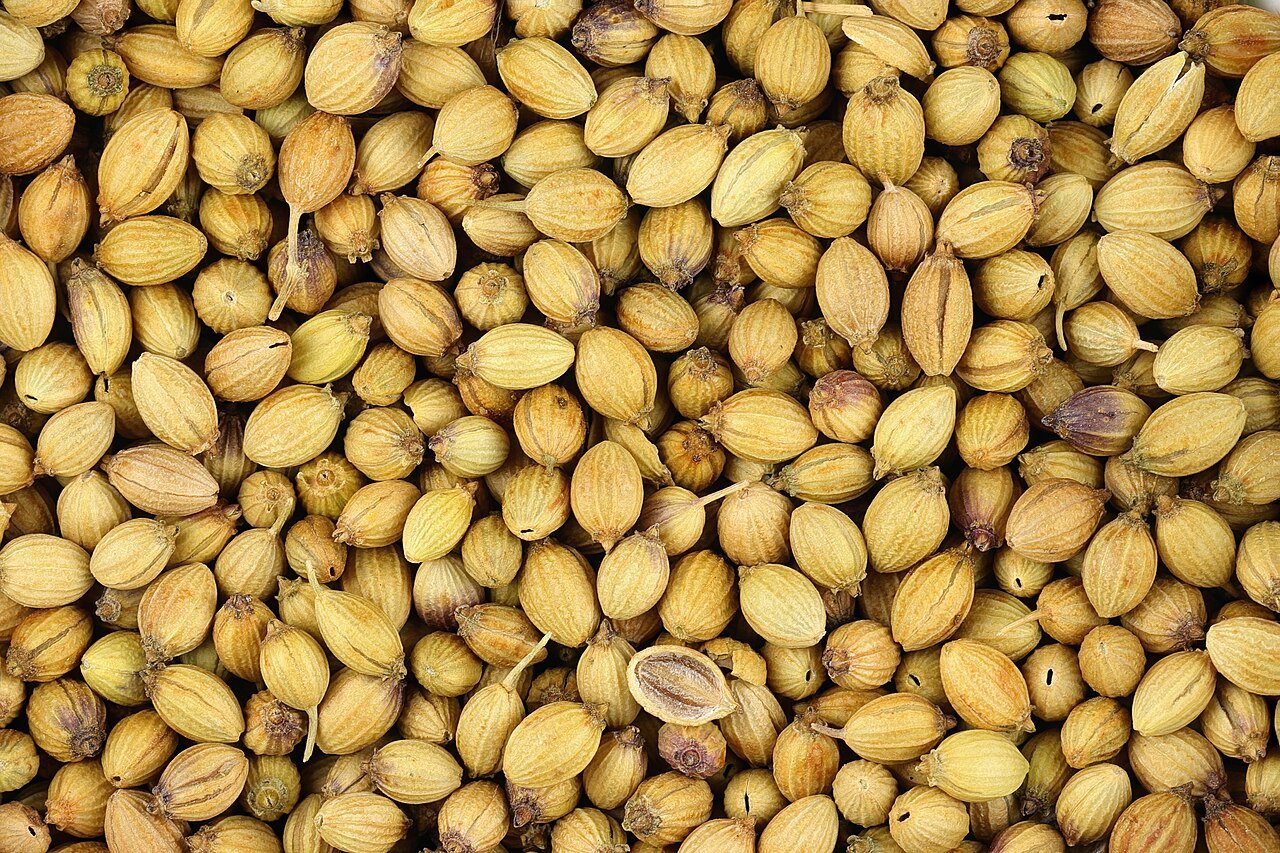
Heat cumin, coriander and peppercorns in a dry skillet over medium heat for 2 to 3 minutes, shaking the pan, until fragrant and a shade darker.
Let them cool completely
Spread the seeds on a plate for 5 minutes. Warm seeds turn pasty in a grinder and can steam inside a closed jar.
Grind in short bursts
Use a spice grinder or a coffee grinder kept only for spices, in 5-second pulses. A mortar and pestle works well for small amounts.
Sift and combine
Shake the ground seeds through a fine sieve, then whisk in the pre-ground spices so the color is even. Regrind any husks left in the sieve.
Jar, label and date
Funnel the blend into a clean, dry glass jar. Write the name and date on the lid so you know when it is past its best.
Why toast whole seeds but not ground spices?
Dry heat releases the aromatic oils inside whole seeds and adds a light roasted note to a Moroccan spice blend. Ground spices have so much surface area that they scorch in seconds. Paprika in particular turns bitter and brown when it burns.
Ground spices get their own “toast” later, when you stir them into hot oil with the onions. A minute in the fat is enough to wake them up.
Do you need a grinder?
No. You can make a fine Moroccan spice blend from ground spices only. Toasting whole cumin seeds and coriander seeds simply gives a deeper, fresher flavor.
Everyday Tagine Blend The Golden Base
This is the Moroccan spice blend for chicken, lamb and vegetable tagines, couscous broth and lentils. It is warm and golden rather than hot, and it lets the meat, olives and preserved lemon shine.
Ingredients (about 1/3 cup)
- 2 tablespoons ground ginger
- 2 tablespoons ground turmeric
- 1 tablespoon freshly ground black pepper
- 1 tablespoon sweet paprika
- 1 teaspoon ground cinnamon
Use it
- 1 tablespoon per 2 lb chicken or lamb
- Add salt separately, about 1 teaspoon per 2 lb
- Add a pinch of saffron, soaked in 2 tablespoons warm water, to the pot
Method
- Measure. Spoon all the ground spices into a small bowl. No toasting is needed for this one.
- Whisk. Whisk for 30 seconds until the color is an even deep gold with no streaks.
- Jar. Transfer to a dry jar and label it “tagine blend” with the date.
- Cook. In a tagine or heavy pot, warm 3 tablespoons olive oil, add grated onion and the blend, and stir for 1 minute before adding the meat.
- Finish. Add the saffron water, garlic, herbs and a cup of water, cover and simmer until tender. Taste and adjust salt at the end.
Kefta Spice Mix and Mechoui Cumin Salt
Kefta is seasoned ground beef or lamb, shaped onto skewers, rolled into meatballs for kefta tagine with eggs or pressed into patties. This red Moroccan spice blend is earthy from cumin and gently sweet from paprika.
Kefta Moroccan spice blend (about 1/3 cup)
- 2 tablespoons ground cumin (toasted seeds are best)
- 2 tablespoons sweet paprika
- 1 tablespoon ground coriander
- 1 teaspoon black pepper
- 1/2 to 1 teaspoon cayenne pepper
- 1/2 teaspoon ground cinnamon
To use: mix 1 tablespoon of the blend and 1 teaspoon salt into 1 lb ground meat with 1/4 cup each chopped parsley and cilantro and half a grated onion. Rest it in the fridge for 30 minutes before shaping.

Mechoui cumin salt for the table
Mechoui is lamb roasted whole or in large pieces until it falls apart. According to the Wikipedia entry on mechoui, it is traditionally served with cumin and salt so each guest can season the meat as they eat.
At home, toast 3 tablespoons cumin seeds, grind them finely and mix with 1 1/2 tablespoons fine sea salt (a 2 to 1 ratio). Serve it in a small bowl next to roast lamb, grilled chicken, hard-boiled eggs or boiled potatoes. Many cooks also serve the cumin and salt in two separate bowls.

Sweet Moroccan Spice Blend for Honey, Prunes and Pastry
Morocco’s famous sweet-and-savory dishes, such as lamb with prunes, mrouzia with raisins and almonds, and chicken pastilla, need a warmer, sweeter mix. Cinnamon leads, ginger lifts it and a tiny amount of clove adds depth.
Sweet tagine blend (about 1/4 cup)
- 2 tablespoons ground cinnamon
- 1 tablespoon ground ginger
- 1 teaspoon black pepper
- 1/2 teaspoon freshly grated nutmeg
- 1/4 teaspoon ground cloves
Use 2 teaspoons of this Moroccan spice blend per 2 lb lamb or beef, together with the golden tagine blend, then add honey, prunes or raisins in the last 20 minutes of cooking.
Cinnamon sugar for seffa and pastilla
This one is barely a Moroccan spice blend at all: mix 1 part ground cinnamon with 4 parts powdered sugar. Dust it in lines over sweet couscous (seffa), vermicelli or chicken pastilla just before serving.
All-Purpose Moroccan Spice Blend Plus Fish and Soup Mixes
The all-purpose jar is the one most US recipes mean when they list “Moroccan seasoning.” The smaller mixes below are quick variations for specific dishes.
All-purpose blend (about 2/3 cup)
- 2 tablespoons ground cumin
- 2 tablespoons ground coriander
- 1 tablespoon sweet paprika
- 1 tablespoon ground ginger
- 1 tablespoon ground turmeric
- 2 teaspoons ground cinnamon
- 1 teaspoon black pepper
- 1/2 teaspoon ground allspice
- 1/2 teaspoon cayenne pepper
- 1/4 teaspoon ground cloves
Method and uses
- Toast. If using whole cumin and coriander, toast 2 to 3 minutes and grind.
- Mix. Whisk everything together and jar it.
- Roast. Toss 2 lb carrots, cauliflower or squash with 3 tablespoons olive oil, 2 teaspoons blend and salt; roast at 425°F for 25 to 30 minutes.
- Rub. Rub 1 tablespoon over 2 lb chicken thighs with oil and lemon; roast or grill.
- Stir. Add 1 teaspoon to a pot of lentils, chickpeas or rice.
Dry chermoula rub
2 tablespoons paprika, 1 tablespoon cumin, 1 teaspoon coriander and 1/2 teaspoon cayenne. Add fresh garlic, cilantro, lemon and oil to make a wet marinade. A ready fish chermoula spice saves a step.
Harira spice mix
Equal parts ground ginger, turmeric and black pepper with a pinch of cinnamon. Use about 2 teaspoons for a large pot of tomato and lentil soup.
Cooked salad seasoning
2 parts cumin to 1 part paprika and a pinch of cayenne, for carrot, eggplant and pepper salads dressed with olive oil and lemon.
Spicy version
Add cayenne to taste, or serve harissa at the table so everyone sets their own level.
How Much Moroccan Spice Blend to Use in Each Dish
Homemade blends are more aromatic than old supermarket jars, so start with these amounts and adjust after tasting. Salt is listed separately because none of the blends above contain it, except the cumin salt.
| Dish | Blend | Amount | When to add |
|---|---|---|---|
| Chicken tagine (2 lb) | Everyday tagine | 1 tbsp | With the onions |
| Lamb with prunes (2 lb) | Tagine + sweet | 1 tbsp + 2 tsp | With the onions |
| Kefta (1 lb meat) | Kefta | 1 tbsp | Mixed into raw meat |
| Grilled fish (2 lb) | Dry chermoula | 1 tbsp | In the marinade |
| Roast vegetables (2 lb) | All-purpose | 2 tsp | Before roasting |
| Harira (large pot) | Harira mix | 2 tsp | With the tomatoes |
| Roast lamb or eggs | Cumin salt | To taste | At the table |
How to Store Your Moroccan Spice Blend
Spice flavor comes largely from volatile oils that fade when exposed to air, light and heat. Grinding speeds this up because it exposes more surface. The Wikipedia overview of spices gives a rough guide of about two years for whole dried spices and about six months for ground ones.
A homemade Moroccan spice blend is a ground spice, so treat it the same way: make small batches and use them within three to six months for the best flavor. Older blends are still safe if kept dry, but they taste dusty and flat.
Storage checklist
- Use small airtight glass jars, filled close to the top.
- Keep them in a cupboard or drawer, not above the stove or next to the oven.
- Always use a dry spoon; steam and wet spoons cause clumps.
- Keep whole seeds in reserve and grind fresh batches as needed.
- Do the sniff test: if the jar barely smells when opened, it is time for a new one.
6 Common Mistakes with Homemade Spice Mixes
A homemade Moroccan spice blend is easy to get right, but these small slips are the usual reasons a jar tastes harsh, bitter or bland.
Burning the seeds
Stop toasting as soon as the seeds smell nutty. Black seeds taste acrid and spoil the whole batch.
Too much clove
Cloves overpower everything. Keep them to 1/4 teaspoon per jar unless a recipe says otherwise.
Salting the jar
Keep salt separate (except cumin salt) so you can season each dish properly.
Adding spices to water
Stir the blend into warm oil or butter first. Spices dumped into liquid taste raw and chalky.
Making too much
A huge jar goes stale before you finish it. Small batches every two to three months taste better.
Using faded spices
A fresh recipe cannot rescue years-old paprika or cumin. Check color and smell before mixing.
Best Spices for a Moroccan Spice Blend to Buy in the USA
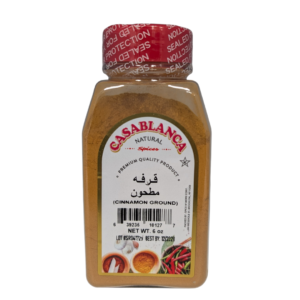
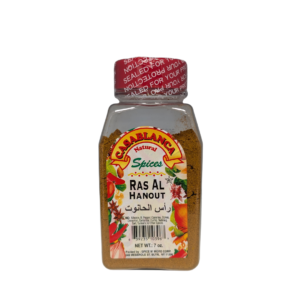
The building blocks for every recipe above, shipped to all 50 states, plus a ready-made ras el hanout for nights when you would rather not mix.
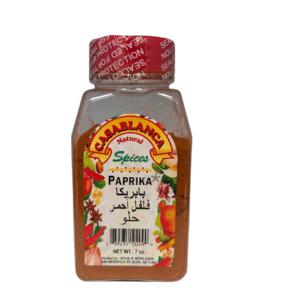 Color and sweetnessCasablanca Sweet Paprika
Mild red pepper for kefta, fish and salad blends.
Shop now

Need delivery details before you stock up? See our shipping policy.
Moroccan Spice Blend FAQs
What is in a Moroccan spice blend?
Most blends combine cumin, ginger, paprika, coriander, cinnamon, black pepper and turmeric. Some add cayenne, allspice, nutmeg or cloves. The exact mix depends on the dish: golden blends for tagines, cumin and paprika for grilled meat, and cinnamon-led blends for sweet dishes.
Is a Moroccan spice blend the same as ras el hanout?
Not exactly. Ras el hanout is one famous Moroccan blend, usually more complex, with a dozen or more spices chosen by the seller or family. Everyday Moroccan cooking also uses simpler mixes with just four to six spices.
Is a Moroccan spice blend spicy hot?
Usually not. Most blends are warm and aromatic rather than hot. Heat comes only from optional cayenne or black pepper, and many families serve harissa on the side for those who want more.
Do I have to toast the spices?
No. You can mix ground spices straight from the jar. Toasting whole cumin, coriander and peppercorns for 2 to 3 minutes before grinding gives a deeper, nuttier flavor, but never toast ground paprika, which burns quickly.
How long does a homemade Moroccan spice blend last?
Ground spices keep their best flavor for roughly six months, so use a homemade blend within three to six months. Store it in an airtight glass jar in a cool, dark cupboard away from the stove.
How much Moroccan spice blend should I use?
A good starting point is 1 tablespoon per 2 pounds of meat for a tagine, 1 tablespoon per pound of ground meat for kefta and 2 teaspoons per 2 pounds of vegetables for roasting. Taste and adjust.
Should I add salt to the blend?
It is best to keep salt separate so you can season each dish to taste. The one exception is the cumin and salt mix served at the table with roast lamb and boiled eggs.
Further reading: Ras el hanout (Wikipedia) · Mechoui (Wikipedia) · Spice storage and handling (Wikipedia)
Mix Your First Jar This Weekend
Authentic North African cumin, paprika, ginger, cinnamon and more, delivered anywhere in the USA.
Shop Moroccan Spices Shop All Products