Moroccan Paprika: Sweet vs Smoked and How to Cook With It
What tahmira is, how sweet, hot and smoked paprika differ, the gentle-heat trick that keeps it from turning bitter, and eight classic North African dishes that depend on it.
Moroccan paprika, called tahmira, is a sweet, unsmoked ground red pepper used mainly for color and a mild, fruity warmth. It is the red base of chermoula, kefta, zaalouk, bean stews and many tagines. Smoked paprika is a Spanish specialty with a bold, campfire flavor, so use it only as an occasional twist. Warm paprika gently in oil for 20 to 30 seconds and never let it scorch, or it turns bitter.
Your Complete Paprika Guide
Open almost any Moroccan spice cupboard and you will find a jar of deep red powder near the cumin. That is Moroccan paprika, and it does more work than its gentle flavor suggests. It colors sauces a warm brick red, rounds out sharp spices and gives marinades their glossy look.
This guide focuses on paprika alone: what makes the Moroccan style different, how it compares with smoked and hot paprika, how to cook it so it stays sweet, and which dishes need it. You will also find a chermoula recipe and buying tips. For the wider cupboard, browse our Moroccan spices collection.
Moroccan Paprika at a Glance
What Is Moroccan Paprika?
Paprika is a spice made from dried and ground red peppers of the species Capsicum annuum, the same species that gives us bell peppers. In Morocco the powder is usually called tahmira, a word that simply points to its red color. Many cooks also call it sweet pepper to set it apart from hot ground chili.
Moroccan paprika is normally the sweet, unsmoked kind. Its job is to add color, body and a soft, fruity warmth rather than fire. Heat in Moroccan food usually comes from separate ingredients such as cayenne, fresh chilies or harissa, so the cook can control the two jobs independently.
A New World spice with an Old World home
Peppers are native to the Americas. According to the Wikipedia entry on paprika, Spanish and Portuguese traders carried them to Europe in the 16th century, and they reached Hungary by 1569. From Iberia and the Mediterranean, peppers spread quickly into North African kitchens.
Today Moroccan paprika sits beside cumin as one of the everyday spices, used in salads, soups, marinades and meatballs.

Sweet vs Smoked Moroccan Paprika (and Hot)
Not all red powders taste the same. The style you buy changes the whole dish, so it helps to know the three main types before you shop.
| Type | How it is made | Flavor and heat | Best Moroccan use |
|---|---|---|---|
| Sweet paprika (the Moroccan default) | Mostly pepper flesh, seeds largely removed; dried without smoke | Mild, fruity, earthy; almost no heat | Chermoula, kefta, zaalouk, bean stews, tagines |
| Hot paprika | Ground with some seeds and inner membranes | Same color, noticeable kick | When you want warmth without adding cayenne |
| Smoked paprika (pimentón de la Vera) | Peppers dried slowly over oak smoke in Spain | Bold, smoky, bacon-like; sweet, bittersweet or hot | An occasional twist on grilled meats or roast vegetables |
Is smoked paprika used in Moroccan cooking?
Traditional Moroccan recipes call for sweet paprika. Smoked paprika is a Spanish product, and its strong smoke can cover the delicate balance of cumin, garlic and herbs that defines Moroccan flavor. That does not make it wrong. A pinch can be lovely on grilled kefta or roasted eggplant, but it is a modern variation rather than the classic taste.
If a Moroccan recipe from a US website lists “paprika” with no other word, it means sweet. If it says smoked, the author is making a deliberate choice, and you can swap in sweet Moroccan paprika for a more traditional result.
What about hot paprika?
Hot paprika is not common in Moroccan kitchens. Most cooks prefer sweet Moroccan paprika for the base and a small pinch of cayenne pepper for heat. That way a single pot can be mild for children and spicy at the table with a spoon of harissa.
From Red Pepper to Powder
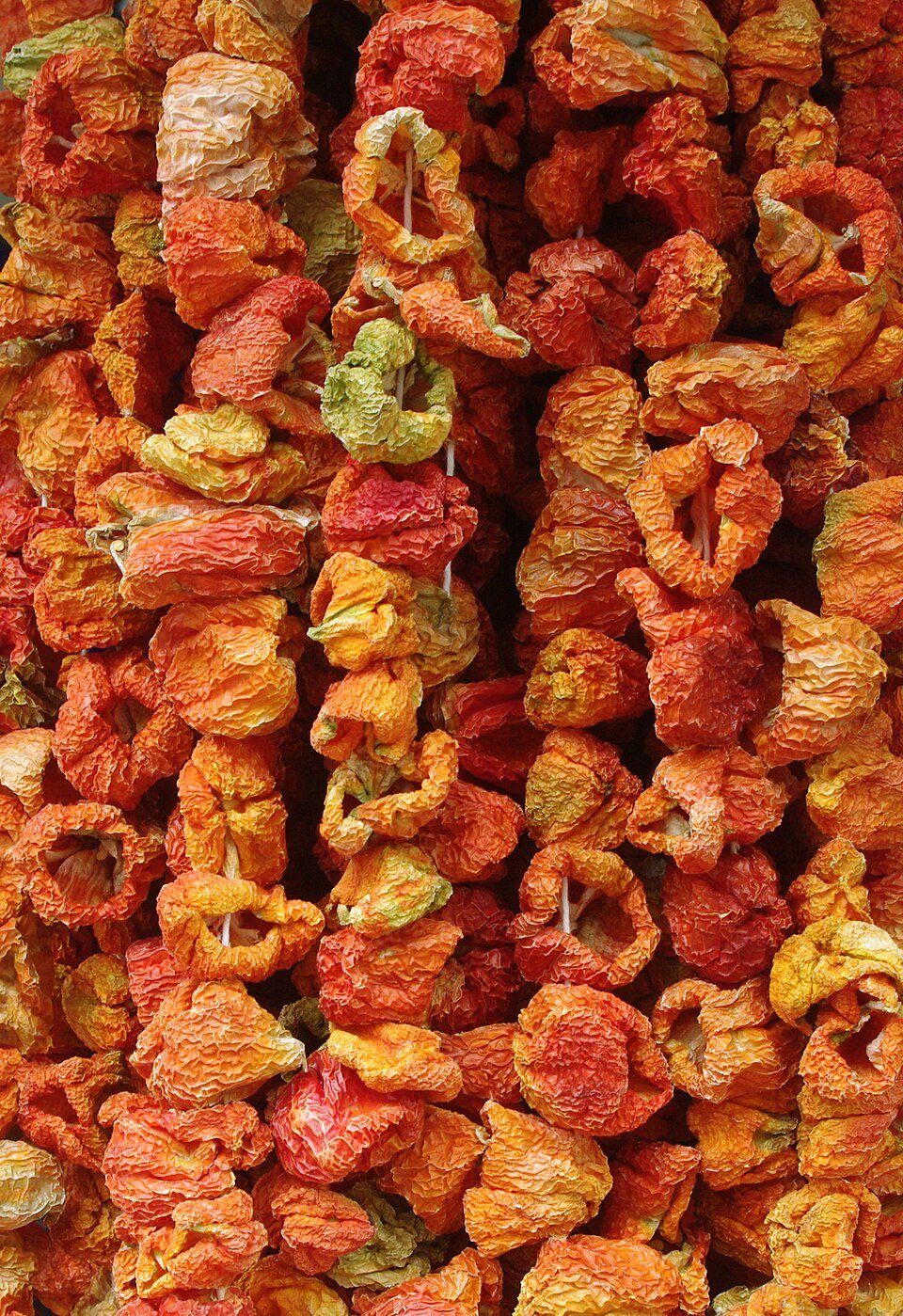
Paprika starts as ripe red peppers picked at the end of summer. They are dried, either in the sun, in kilns or, for smoked styles, over smoldering wood. Sun drying can take more than a week in good weather.
Once brittle, the pods are ground. How much of the pod goes into the mill decides the style. Sweet paprika uses mostly the flesh, while hot paprika keeps some seeds, stalks and inner ribs, where most of the pepper’s heat lives.
Why the color is so red
The deep red comes from natural pigments called capsanthin and capsorubin, plus orange and yellow carotenoids such as beta-carotene. These pigments dissolve in fat, which is why Moroccan paprika turns oil and sauces a glowing red when you cook it in a little olive oil.
Where paprika is produced
Hungary and Spain are the most famous producers, and large amounts also come from countries such as China, Mexico, Argentina and the United States. Morocco grows red peppers too, and many Moroccan spice brands package paprika for local and export markets.
How to Cook With Moroccan Paprika
Paprika has a lot of natural sugar, so it burns faster than most spices. These six habits keep Moroccan paprika sweet and bright instead of bitter and brown.
Bloom it gently
Stir paprika into warm oil over low to medium-low heat for 20 to 30 seconds, just until fragrant. Then add tomatoes, onions or liquid right away.
Add it after the onions
Soften onions first, lower the heat, then add the spice. Putting paprika into a very hot, dry pan is the fastest way to scorch it.
Always give it oil
The color pigments dissolve in fat, so a spoon of olive oil makes the red deeper and the flavor rounder.
Be generous
Sweet paprika is mild. A Moroccan tagine for four often uses 1 to 2 teaspoons, and a chermoula marinade can take a full tablespoon.
Use it uncooked too
Paprika can go straight into marinades, dressings and spice rubs, then cook with the food on the grill or in the oven.
Dust at the end
A light sprinkle over bissara, hummus, eggs or bean dishes adds color. Mix it with a drop of olive oil first for an even red drizzle.
8 Classic Dishes That Need Moroccan Paprika
These are the dishes where Moroccan paprika matters most. Exact amounts vary from family to family, so treat the quantities as a starting point.
Chermoula for fish
Paprika, cumin, garlic, cilantro, parsley, lemon and oil. It is the classic marinade for fish tagines and grilled sardines. Recipe below.
Kefta meatballs
Ground beef or lamb with onion, herbs, cumin and sweet paprika, grilled on skewers or simmered in tomato sauce, often with eggs. A ready kafta spice mix saves time.
Zaalouk
A cooked eggplant and tomato salad with garlic, cumin and paprika, mashed and finished with olive oil. The zaalouk entry on Wikipedia lists its core ingredients.
Taktouka
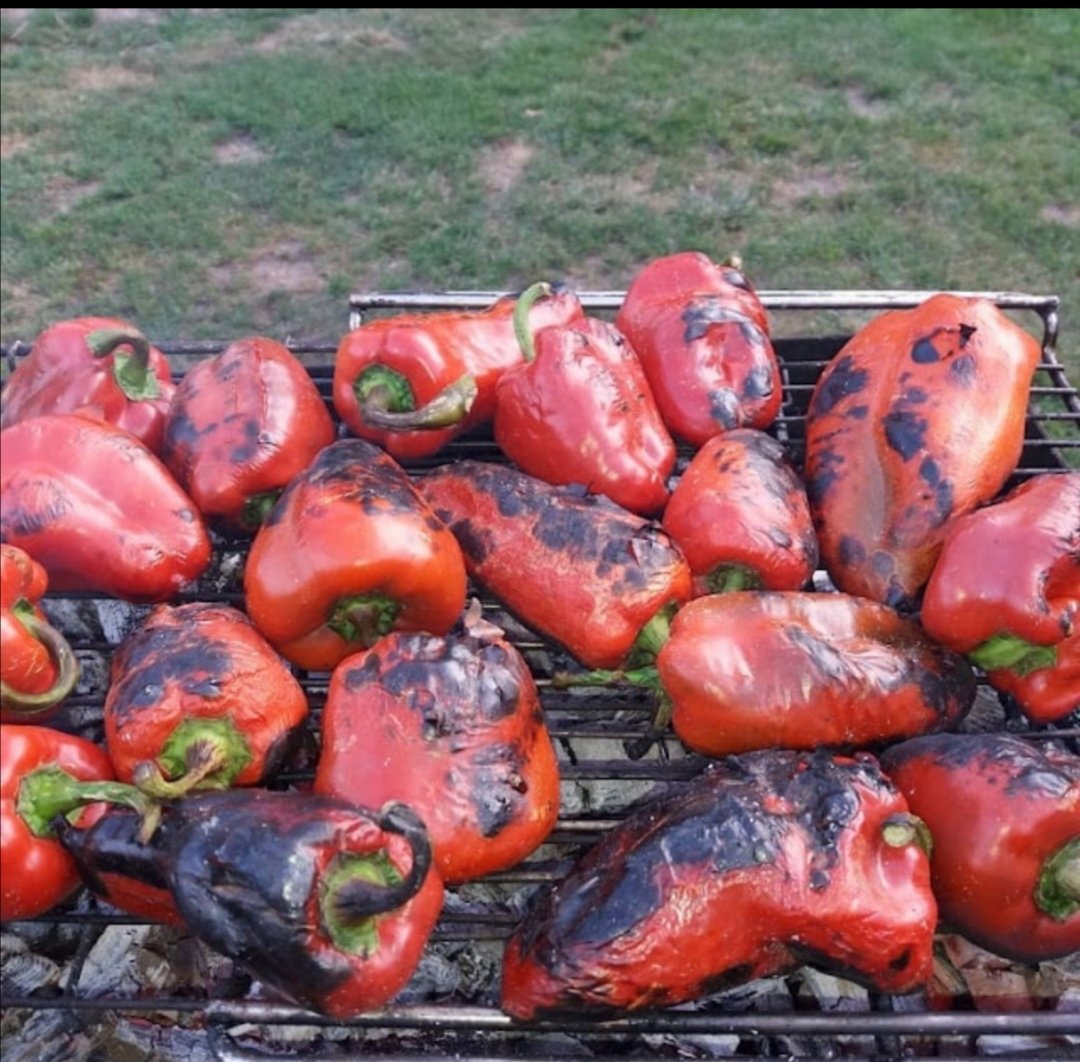
Roasted peppers and tomatoes cooked down with garlic, paprika and cumin. It is served warm or cold with bread.
Loubia (white bean stew)
White beans simmered in a tomato sauce seasoned with paprika, cumin and garlic. Paprika gives the sauce its deep red color.
Bissara
A thick split fava bean soup. Moroccans often finish each bowl with olive oil, cumin and a dusting of paprika.
Carrot salad
Cooked carrots dressed with garlic, cumin, sweet paprika, lemon or vinegar and olive oil. A favorite side for grilled meat.
Chicken and kefta tagines
Many red-sauced tagines use paprika with ginger, cumin and a little turmeric or saffron for a golden-red sauce.
Moroccan Paprika Chermoula for Fish
Chermoula is a marinade and relish used across North Africa, mainly for fish and seafood. The chermoula entry on Wikipedia notes that the Moroccan version uses paprika with cumin and parsley. This recipe makes enough for about 2 lb of fish.
Use it on white fish fillets, whole sardines, shrimp or a fish tagine with potatoes and peppers. It also works well on chicken and roasted vegetables.

Ingredients
- 1 tablespoon sweet Moroccan paprika
- 2 teaspoons ground cumin
- 4 garlic cloves, crushed
- 1 cup packed cilantro and flat-leaf parsley, finely chopped
- Juice of 1 large lemon (about 3 tablespoons)
- 1/3 cup olive oil
- 1 teaspoon salt
- 1/4 teaspoon cayenne or a pinch of chili flakes (optional)
- Optional: a pinch of saffron or 1/2 teaspoon chopped preserved lemon rind
Method
- Mix the base. Stir the paprika, cumin, salt and cayenne together in a bowl so the spices are evenly spread.
- Add the wet ingredients. Add garlic, lemon juice and olive oil and whisk into a loose red paste.
- Fold in the herbs. Add the chopped cilantro and parsley. Taste and adjust salt and lemon.
- Marinate. Coat the fish well and refrigerate 30 minutes to 2 hours. Acid starts to firm delicate fish, so avoid long soaks.
- Cook. Grill, bake at 400°F for 12 to 18 minutes depending on thickness, or layer in a tagine over sliced potatoes, tomatoes and peppers.
- Serve. Spoon a little fresh chermoula on top and serve with bread and lemon wedges.
Short on time? Our Casablanca fish chermoula spice blends the dry spices for you; just add garlic, herbs, lemon and oil.
Paprika Across North Africa
Moroccan paprika is part of a wider Maghreb love of red pepper. Each country leans on it a little differently.
Sweet paprika as a base
Moroccan paprika is used generously for color and body in chermoula, salads, bean stews and kefta, while heat comes from separate chili.
Red sauces and chorba
Algerian cooks often use sweet paprika in tomato-based sauces, soups such as chorba, and dishes with chickpeas and meat, alongside cumin and black pepper.
Chili and harissa first
Tunisian food tends to be hotter, built on harissa made from dried chilies. Paprika still appears in spice mixes and stews for extra color.
If you love the chili side of the family, read our guide to what harissa is. Harissa brings heat and garlic, while Moroccan paprika brings color and gentle sweetness, and many dishes use both.
Pairings and Substitutes for Moroccan Paprika
Paprika rarely works alone in Moroccan cooking. Its mild sweetness is a bridge between earthy, warm and fresh flavors.
Spices that love paprika
- Cumin: the classic partner. Try ground cumin for marinades or toast whole cumin seeds for bean dishes.
- Coriander and ginger: ground coriander adds citrus notes, and ground ginger adds warmth to tagines.
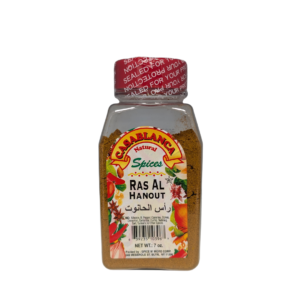
- Ras el hanout: a complex blend that often contains paprika already. Our ras el hanout is great with lamb.
- Garlic, lemon and herbs: the fresh side of chermoula.
What to use if you run out
Any sweet paprika
Hungarian or Spanish dulce paprika works one for one in place of Moroccan paprika.
Smoked paprika
Use half the amount, since the smoke is strong. Best on grilled dishes.
Cayenne
Not a true swap, since it is far hotter. Use a pinch with tomato paste for color.
Roasted red pepper
Blend roasted peppers into sauces for a similar sweet pepper flavor.
Mild harissa
Adds pepper flavor plus heat and garlic, so reduce other chili.
Buying and Storing Moroccan Paprika
Good Moroccan paprika is easy to spot. Look for a bright, brick-to-cherry red color and a sweet, peppery smell when you open the jar. A dull, brownish powder that smells like dust has lost most of its flavor.
Buying tips
- Check the label for “sweet” or “doux.” Unlabeled paprika is usually sweet.
- Buy a size you will use within several months; paprika fades faster than many spices.
- Choose packaging that blocks light, or move the powder to a dark jar at home.
How to store paprika
Keep it in an airtight container away from heat, light and steam, so not above the stove. Many cooks store it in the refrigerator to keep the color longer. For best flavor, use it within about 6 to 12 months of opening.

Health notes
General information only, not medical advice. Paprika is used in small amounts, so its nutritional impact in one dish is modest. It contains carotenoids such as beta-carotene, which the body can convert to vitamin A, plus other pigments being studied for antioxidant activity. Research on health benefits of paprika as a spice is limited, so enjoy it for flavor rather than as a remedy.
Paprika comes from peppers in the nightshade family. People with a pepper allergy or sensitivity should check with a health care provider before using it.
Best Moroccan Paprika Essentials to Buy in the USA
Everything you need to cook with Moroccan paprika at home, from the red powder itself to the spices it is always paired with, shipped to all 50 states.
 Best partnerCasablanca Ground Cumin
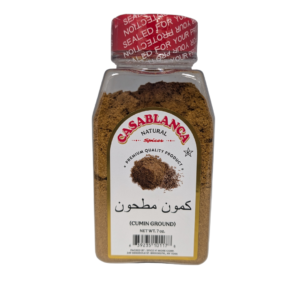
The spice that appears next to paprika in almost every recipe.
Shop now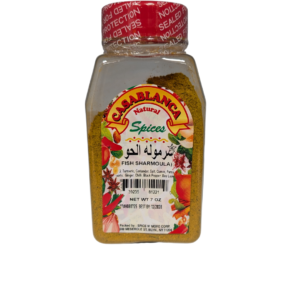

 For bloomingMina Extra Virgin Olive Oil
Moroccan olive oil to carry paprika’s color and flavor.
Shop nowFind more oils in our cooking oils collection, and see our shipping policy for delivery times.
Moroccan Paprika FAQs
Is Moroccan paprika sweet or smoked?
Traditional Moroccan paprika is sweet and unsmoked. It adds color and a mild, fruity flavor. Smoked paprika is a Spanish specialty and is only an occasional modern twist in Moroccan cooking.
Is Moroccan paprika spicy?
No, the usual sweet style has very little heat. Moroccan cooks add heat separately with cayenne, fresh chilies or harissa, so the same dish can be mild or spicy.
What is Moroccan paprika called in Arabic or Darija?
It is commonly called tahmira, a name linked to its red color. Many people also call it sweet pepper to set it apart from hot ground chili.
Can I use smoked paprika instead of sweet paprika?
Yes, but use about half as much because the smoky flavor is strong. It suits grilled kefta and roasted vegetables better than delicate fish chermoula.
Why does my paprika taste bitter?
It probably burned. Paprika contains natural sugars and scorches quickly in a hot, dry pan. Warm it in oil over low heat for 20 to 30 seconds, then add liquid or tomatoes right away.
How much Moroccan paprika goes in a tagine?
A tagine for four people often uses 1 to 2 teaspoons, and a chermoula marinade can take a full tablespoon. Sweet paprika is mild, so you can be generous.
How long does paprika last?
For the best color and flavor, use it within about 6 to 12 months of opening. Store it airtight, away from heat and light. If it looks brown and smells dusty, replace it.
Further reading: Paprika (Wikipedia) · Chermoula (Wikipedia) · Zaalouk (Wikipedia)
Add Some Red to Your Kitchen
Stock up on Moroccan paprika, cumin and the rest of the North African spice cupboard, delivered anywhere in the USA.
Shop Moroccan Spices Shop All Products