Moroccan Fish Tagine with Chermoula, Potatoes and Peppers
Learn how to make the coastal classic at home: a fresh herb chermoula, the best fish to buy in the US, how to layer the pot so nothing sticks, and a step-by-step recipe for four.
A Moroccan fish tagine is firm white fish marinated in chermoula, a herb, garlic, paprika and cumin paste, then slow cooked on a bed of potatoes, carrots, tomatoes and peppers with olive oil. Marinate the fish for 30 minutes to 2 hours, layer the vegetables first and the fish on top, add a little water, cover and cook gently for about 45 to 60 minutes until the potatoes are tender and the fish reaches 145°F.
Your Complete Fish Tagine Guide
Along Morocco’s Atlantic and Mediterranean coasts, fish is cooked the same patient way as lamb or chicken: in a clay tagine over low heat. A Moroccan fish tagine is bright and fresh rather than rich, full of cilantro, lemon and garlic, with peppers and tomatoes melting into a light red sauce.
The dish is also forgiving. You do not need a whole fish or a coastal market. Cod, hake or halibut from any US supermarket works well, and the magic comes from the marinade and the way you build the pot.
Below you will find everything you need, from choosing the fish to serving it with bread. Most of the seasoning comes from our Moroccan spices and a good bottle from our cooking oils range.
Moroccan Fish Tagine at a Glance
What Is a Moroccan Fish Tagine?
“Tagine” names both a cone-lidded clay pot and the slow-cooked stew made in it. The pot’s tall lid catches steam and lets condensation run back down, so very little water is needed. That gentle, moist heat suits delicate fish perfectly.
A Moroccan fish tagine is usually called tajine bil hout (hout means fish in Moroccan Arabic) or tajine de poisson in French. The fish is coated in chermoula, a marinade that the chermoula overview describes as traditional for fish and seafood across Morocco, Algeria, Tunisia and Libya.
How it differs from a meat tagine
Meat tagines simmer for hours and often lean sweet, with prunes, honey or cinnamon. Fish needs far less time and is kept savory: herbs, garlic, paprika, cumin, lemon and olives. The vegetables take the longest to cook, so they go in first and act as a rack under the fish.
A coastal favorite
Port cities such as Essaouira, Safi, Agadir and Tangier have busy fish markets, and fish tagine is a common family meal and restaurant dish along the coast. Every household has its own version, which is part of the fun. Some add peas, some use only peppers and tomatoes, and some finish their Moroccan fish tagine with strips of preserved lemon.
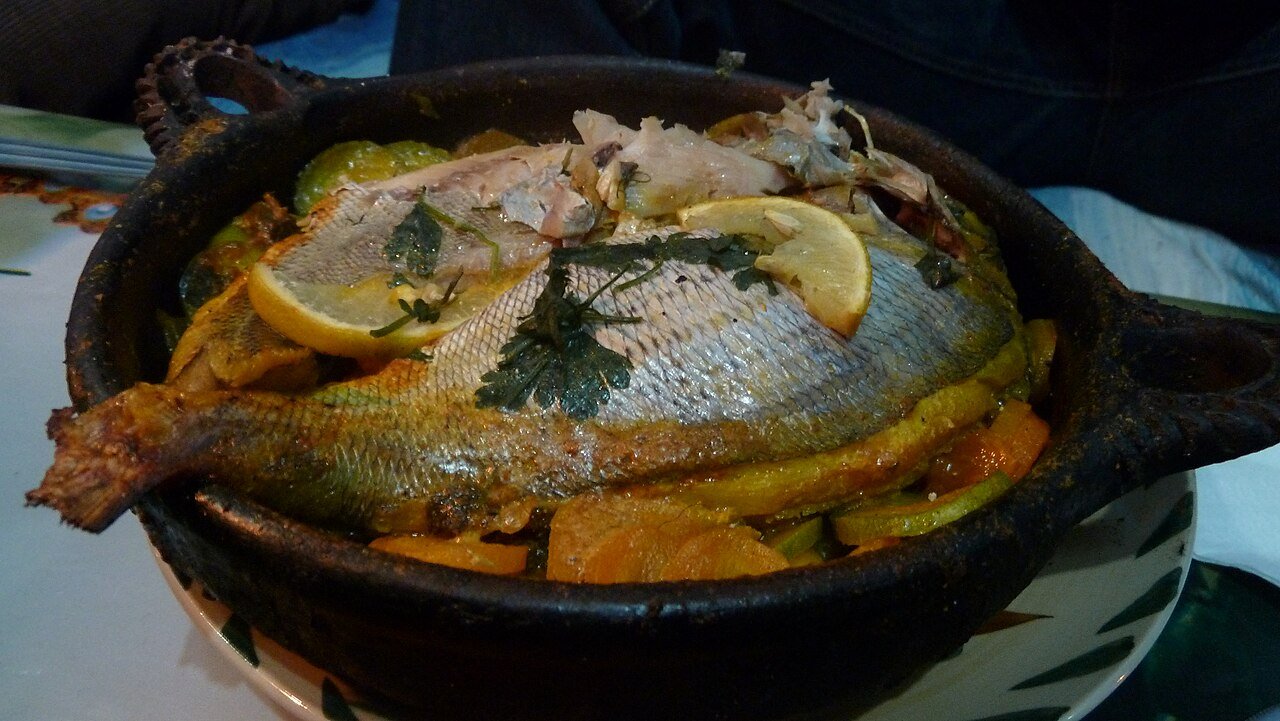
Best Fish for a Moroccan Fish Tagine
Choose firm fish that holds together during slow cooking. Thick fillets, steaks or a whole cleaned fish all work. Very thin or flaky fillets tend to fall apart.
| Fish | Cut | Texture in a tagine | Notes |
|---|---|---|---|
| Cod | Thick fillets or loins | Large tender flakes | Easy to find; keep pieces at least 1 inch thick |
| Hake or whiting | Steaks or fillets | Soft and mild | A Moroccan favorite; handle gently |
| Halibut | Steaks | Firm and meaty | Holds shape very well; pricier |
| Sea bass or snapper | Whole or fillets | Sweet and moist | Great for a whole fish tagine |
| Sea bream (dorade) | Whole, 1 to 1.5 lb | Delicate, flavorful | Score the skin so chermoula soaks in |
| Monkfish | Medallions | Very firm | Almost lobster-like; stays intact |
| Tilapia | Fillets | Mild, softer | Budget option; shorten cooking time |
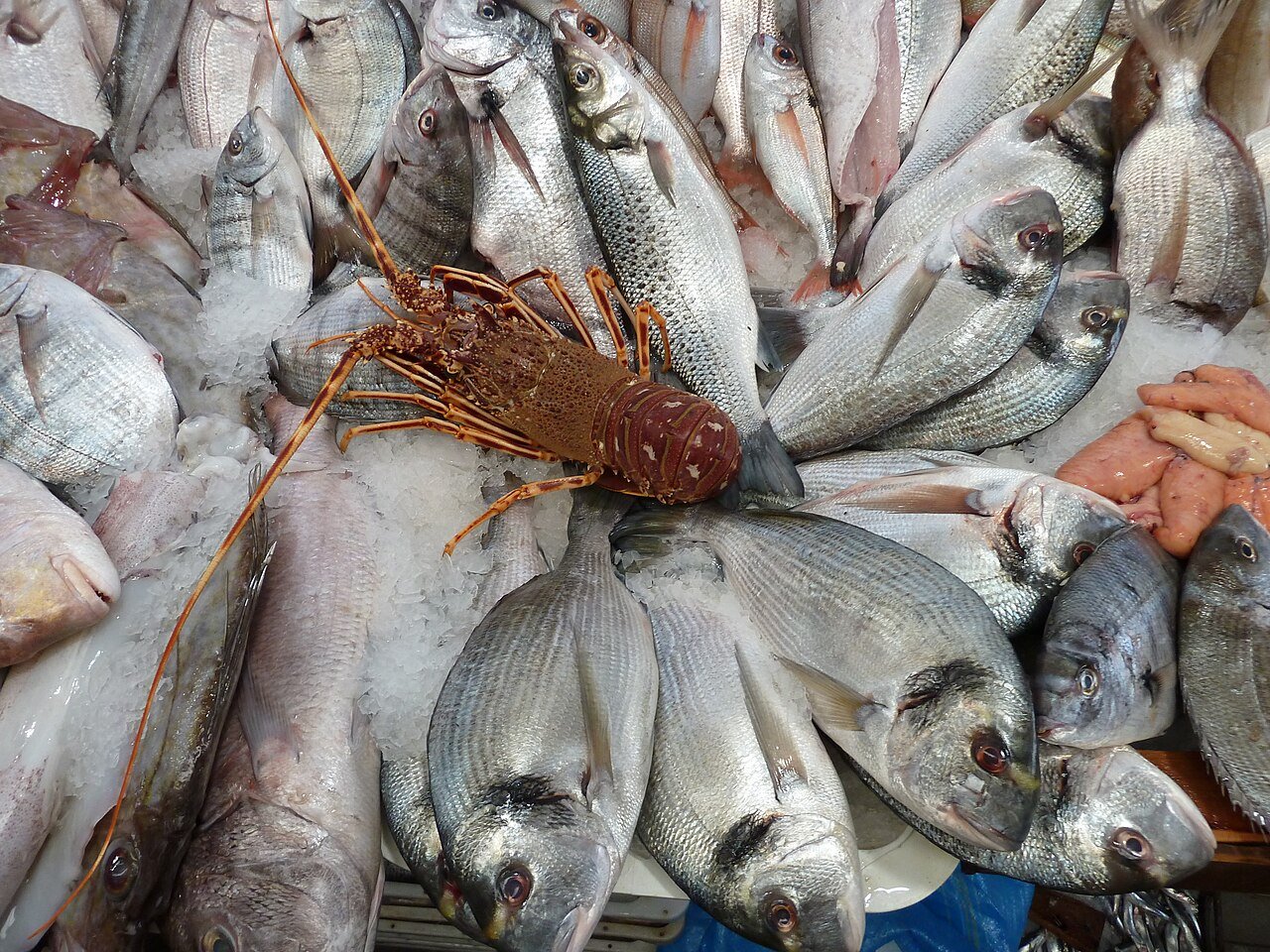
How to pick fresh fish
According to the FDA seafood safety guide, fresh fish should smell mild and clean, never sour or like ammonia. Fillets should be firm and spring back when pressed, and whole fish should have clear, shiny eyes.
Keep fish at 40°F or below and cook it within 2 days, or freeze it. Frozen fish is perfectly fine for a Moroccan fish tagine; thaw it overnight in the fridge and pat it dry before marinating.
Fillets or whole fish?
Fillets are the easiest choice for a first Moroccan fish tagine and for serving. A whole fish looks spectacular and gives more flavor from the bones, but needs a larger pot and a little more care when serving.

Chermoula: The Heart of a Moroccan Fish Tagine
Chermoula is a loose, green-red paste of fresh herbs, garlic, spices, lemon juice and olive oil. It seasons the fish, flavors the vegetables and becomes the sauce as everything cooks together.
Chermoula for 2 lb of fish
- 1 cup chopped cilantro and flat-leaf parsley (about half of each)
- 4 to 5 garlic cloves, finely grated
- 2 tsp sweet paprika
- 1½ tsp ground cumin
- ¼ tsp cayenne or 1 tsp harissa, to taste
- ½ tsp ground ginger (optional)
- A pinch of saffron threads, crumbled (optional)
- 1 tsp salt and ½ tsp black pepper
- Juice of 1 lemon
- ¼ cup olive oil
Stir everything together, or pulse briefly in a food processor. Keep a few spoonfuls aside: you will use them for the vegetables and the sauce of your Moroccan fish tagine. Taste it: it should be punchy, salty and lemony, because the vegetables will soften the flavor.
Pot, Layers and Heat for Fish Tagine
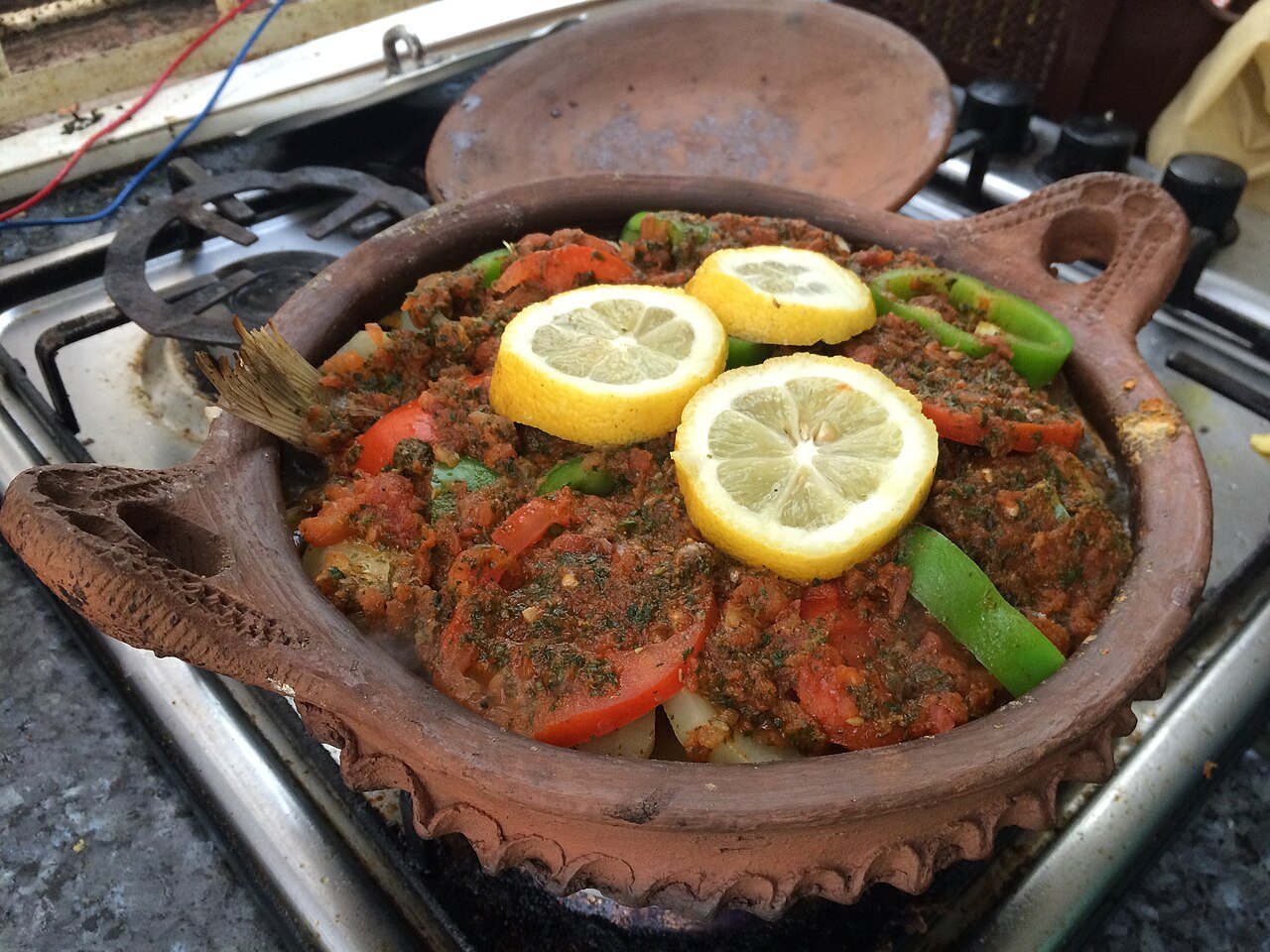
The secret of a good Moroccan fish tagine is the layering. Fish cooks fast and sticks easily, while potatoes and carrots take much longer. Building the pot in layers solves both problems.
Build the bed
Many cooks lay sticks of carrot or celery across the base like a little raft. Thin potato slices go next, then sliced tomatoes. The fish rests on top, away from direct heat, and steams in the juices.
Which pot to use
A clay or ceramic cooking tagine is traditional. Use it over low heat with a heat diffuser on gas or electric stoves, and never put a cold clay pot on high heat. If you do not own one, a wide Dutch oven, a deep sauté pan with a lid or an oven-safe baking dish covered with foil all work well. Our store does not sell tagine pots, but any heavy lidded pan will do.
Stovetop or oven?
Both work for a Moroccan fish tagine. On the stovetop, keep the heat low so the liquid barely bubbles. In the oven, bake covered at 375°F, then uncover for the last 10 minutes to concentrate the sauce. Both methods give tender fish if you do not rush them.
Moroccan Fish Tagine Recipe Step by Step
Serves 4. Prep 30 minutes, marinating 30 minutes to 2 hours, cooking 45 to 60 minutes.
Ingredients
- 1½ to 2 lb (700 to 900 g) firm white fish fillets or steaks
- 1 batch chermoula (see above)
- 3 tbsp olive oil, plus extra to finish
- 2 carrots, cut into thin sticks
- 1 celery stalk, cut into sticks (optional)
- 2 medium potatoes, sliced ¼ inch thick
- 3 ripe tomatoes, sliced
- 1 green and 1 red bell pepper, cut in strips
- 1 tbsp tomato paste
- ⅓ cup water
- A handful of green or purple olives
- ½ lemon, thinly sliced
- Fresh cilantro to garnish
Method
- Marinate. Pat the fish dry, coat it with two thirds of the chermoula and refrigerate for 30 minutes to 2 hours. Longer can soften the flesh because of the lemon.
- Par-boil. Simmer the potato slices in salted water for 5 minutes and drain.
- Oil the pot. Pour 2 tbsp olive oil into the tagine or pan and lay the carrot and celery sticks across the base.
- Layer. Add the potatoes, then half the tomatoes. Spread a spoonful of the remaining chermoula on top.
- Add the fish. Arrange the fish in a single layer. Cover with pepper strips, the remaining tomatoes, olives and lemon slices.
- Make the sauce. Whisk the last of the chermoula with the tomato paste and water and pour it around the edges, not over the fish. Drizzle with 1 tbsp olive oil.
- Cook. Cover and cook over low heat (with a diffuser for clay) for 45 to 60 minutes, or bake covered at 375°F for about 40 minutes and uncovered for 10.
- Check. The potatoes should be tender and the fish should flake easily and read 145°F in the thickest part.
- Rest and serve. Let it stand 5 minutes, scatter cilantro and serve from the pot with bread.
Why this Moroccan fish tagine works
Par-boiling the potatoes means the slow part is done before the fish goes in. The vegetable raft keeps the fish off the hot base, and pouring the liquid around the edges keeps the chermoula crust on the fish instead of washing it away.
Use a good virgin oil such as El Ouazzania virgin olive oil for the base. Taste the sauce at the end. Add a squeeze of lemon if it tastes flat, a pinch of salt if it tastes dull, or a little harissa if you want more heat.
8 Tips for the Best Moroccan Fish Tagine
Dry the fish well
Moisture dilutes the marinade. Pat fillets dry with paper towels before adding chermoula.
Do not over-marinate
Lemon starts to “cook” fish. Keep marinating to 2 hours or less.
Cut evenly
Keep fish pieces 1 to 1½ inches thick and slice vegetables the same thickness so they cook evenly.
Keep it gentle
A hard boil breaks fish apart. Aim for a lazy simmer you can barely hear.
Use little water
Tomatoes and peppers release juice. About ⅓ cup of water is plenty.
Peek only near the end
Each lift lets steam escape. Check once after 40 minutes.
Finish with fresh oil
A spoonful of extra virgin olive oil at the end adds gloss and fresh flavor.
Serve from the pot
Moving fish breaks it. Bring the tagine to the table and serve with a wide spoon.
Moroccan Fish Tagine Variations
Once you know the method, you can change the fish, the vegetables or the heat level. Here are popular versions to try, from a festive whole fish to a quick pantry Moroccan fish tagine made with canned sardines.
Whole fish tagine
Score a whole sea bream or sea bass, fill the cavity with chermoula and lemon, and lay it over the vegetables.
Shrimp tagine
Add peeled shrimp only for the final 6 to 8 minutes so they stay juicy.
Sardine kefta tagine
Sardine balls simmered in a spiced tomato sauce. Try canned Safi sardine balls for a quick weeknight version.
Preserved lemon and olives
Replace fresh lemon slices with strips of preserved lemon peel and add more olives.
No-potato version
Use zucchini, fennel or extra peppers instead of potatoes and cut cooking time to about 30 minutes.
Tajine bil hout
Chermoula, peppers, tomatoes and potatoes, cooked slowly in clay.
Fish in red sauce
Many Algerian homes cook fish in a garlicky tomato and pepper sauce, often with cumin and chili.
Fish with harissa
Tunisian cooks love fish with harissa, cumin and olive oil, and fish also stars in Tunisian couscous.
Serving, Storage and Safety for Fish Tagine
A Moroccan fish tagine is traditionally eaten straight from the pot, scooped up with pieces of round Moroccan bread. Add a simple tomato and cucumber salad, a bowl of olives and mint tea afterward for a complete coastal meal.
What to serve with it
- Bread: crusty khobz or any rustic loaf to soak up the sauce.
- Salads: zaalouk, taktouka or a fresh chopped salad.
- Grains: plain couscous or rice if you want something more filling.
- Olives: a side from our Moroccan olives and pickles.
- Something spicy: a small dish of harissa for anyone who likes heat.
Food safety basics
Whatever fish you choose, cook your Moroccan fish tagine until the fish reaches an internal temperature of 145°F, or until the flesh is opaque and separates easily with a fork. Refrigerate leftovers within 2 hours in a shallow covered container and eat them within about 3 days.
Reheating leftovers
Reheat gently, covered, over low heat with a splash of water, or in a 325°F oven until hot. High heat or the microwave on full power can dry out the fish. Leftover sauce and vegetables are also delicious tossed with pasta or spooned over couscous.
Best Pantry Picks for Fish Tagine to Buy in the USA
The spices and oil that make the chermoula and the sauce. Buy fresh fish, herbs and vegetables locally.
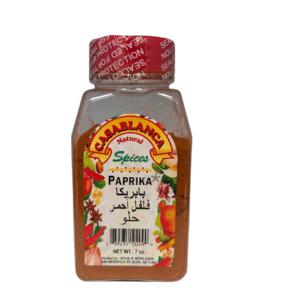
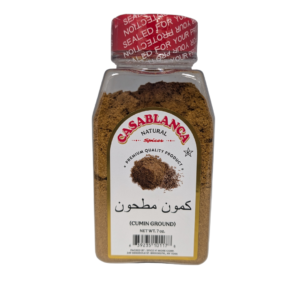


For saffron, try pure Moroccan saffron. Delivery details are on our shipping policy page.
Moroccan Fish Tagine FAQs
What fish is best for a Moroccan fish tagine?
Firm white fish works best: cod loins, hake, halibut, sea bass, snapper, sea bream or monkfish. Choose pieces at least 1 inch thick so they hold together during slow cooking.
Can I make a Moroccan fish tagine without a tagine pot?
Yes. A Dutch oven, a deep lidded sauté pan or a baking dish covered with foil all work. Keep the heat low and the lid on so the fish steams gently over the vegetables.
How long should fish marinate in chermoula?
Marinate for 30 minutes to 2 hours in the fridge. Longer marinating can make the fish soft because the lemon juice starts to break down the flesh.
Can I use frozen fish?
Yes. Thaw it overnight in the fridge, or in a sealed bag in cold water, then pat it very dry before adding the chermoula.
How do I know when the fish is done?
The fish should be opaque and flake easily with a fork, and an instant-read thermometer should show 145°F in the thickest part. The potatoes should be tender when pierced.
Is Moroccan fish tagine spicy?
It is usually mildly warm rather than hot. Heat comes from a little cayenne, hot paprika or harissa, so you can leave it out or add more to taste.
Can I make Moroccan fish tagine ahead of time?
It is best fresh, but you can make the chermoula and prep the vegetables a day ahead. Leftovers keep in the fridge for about 3 days and should be reheated gently.
Further reading: Chermoula (Wikipedia) · Tajine (Wikipedia) · FDA: selecting and serving seafood safely
Cook the Coast at Home
Stock up on chermoula spices, paprika, cumin and olive oil, shipped anywhere in the USA.
Shop Moroccan Spices Shop All Products