Moroccan Cuisine Explained Dishes, Flavors and Traditions
A friendly guide to Moroccan cuisine: where it comes from, the spices and techniques behind it, the dishes everyone should try, how a Moroccan meal is served and how to cook it at home in the USA.
Moroccan cuisine is the cooking of Morocco, a blend of Amazigh (Berber), Arab, Andalusian and Mediterranean traditions known for slow-cooked tagines, steamed couscous, warm spices and a love of sweet and savory together. Its signature flavors are cumin, ginger, paprika, cinnamon, saffron and ras el hanout, plus olives, preserved lemon and fresh herbs. Meals are shared from one central dish, eaten with bread and finished with sweet mint tea.
Your Complete Guide to Moroccan Food
Ask anyone who has traveled to Morocco what they remember most and the answer is often the food. Moroccan cuisine is generous and fragrant: a clay tagine lifted to release a cloud of steam, a mountain of couscous on Friday, a table covered in small salads, and glasses of mint tea poured from a height.
The good news is that most of it is home cooking, built on pantry staples rather than restaurant tricks. In this guide you will learn the history, the core flavors, the famous dishes and the etiquette, plus which ingredients to stock from our Moroccan products and Moroccan spices collections.
Moroccan Cuisine at a Glance
The History of Moroccan Cuisine
Moroccan cuisine grew from many layers of history. The Amazigh (Berber) peoples of North Africa gave it its foundation: wheat and barley, olive oil, slow cooking in clay, and the steaming technique that produces couscous. Archaeologists have found couscous steamers dating to the 12th century in the Souss valley.
Arab dynasties, beginning in the 7th and 8th centuries, brought new spices and the taste for combining meat with fruit, honey and nuts. The city of Fes, founded in 789, became a center of refined urban cooking. Later, Muslims and Jews who left Al-Andalus (Spain) settled in Moroccan cities and added pastries, almond sweets and dishes like pastilla.
Trade along Saharan caravan routes brought spices and sugar, while the Atlantic and Mediterranean coasts added a rich fish tradition. In the 20th century, French and Spanish influence introduced baguettes, cafe culture and pastries that you still see in Moroccan bakeries today. The Wikipedia overview of Moroccan cuisine is a good starting point if you want to dig deeper.
The Jewish Moroccan table
Morocco was home to one of the largest Jewish communities in the Arab world, and it left a clear mark on Moroccan cuisine. Dishes like dafina (also called skhina), a slow-cooked Sabbath stew of meat, chickpeas, potatoes and eggs, share their method with tanjia and tagine. Mimouna, the celebration at the end of Passover, is known for mufleta pancakes with butter and honey.
Why the cuisine stayed so distinct
Unlike much of North Africa, Morocco was never part of the Ottoman Empire, so its cooking developed with fewer Turkish influences. Instead, royal kitchens in cities like Fes, Marrakech, Meknes and Rabat refined recipes over centuries, and home cooks passed them on by memory, from mother to daughter, rather than in written cookbooks.
Spices and Signature Flavors of Moroccan Cuisine
Moroccan cuisine is aromatic rather than fiery. Most dishes are warm and fragrant, and heat is added at the table with harissa or chili if you want it.
The everyday spice box
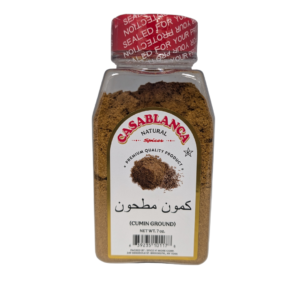
Nearly every kitchen keeps ground cumin, ginger, sweet paprika, turmeric, black pepper and cinnamon. Saffron is used in smaller amounts for color and perfume, especially in celebration dishes.
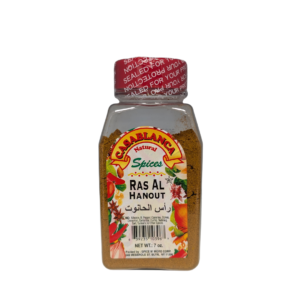
Ras el hanout
The name means “head of the shop,” the spice merchant’s best blend. It can contain a dozen or more spices and is used in tagines, mrouzia and meat rubs.
Fresh herbs
Chopped flat-leaf parsley and cilantro go into chermoula, kefta and salads. Spearmint is essential for tea.
Preserved and rich flavors
Salt-preserved lemons, green and violet olives, smen (aged butter) and argan oil give depth. Honey, dates, raisins and prunes add the famous sweet note.
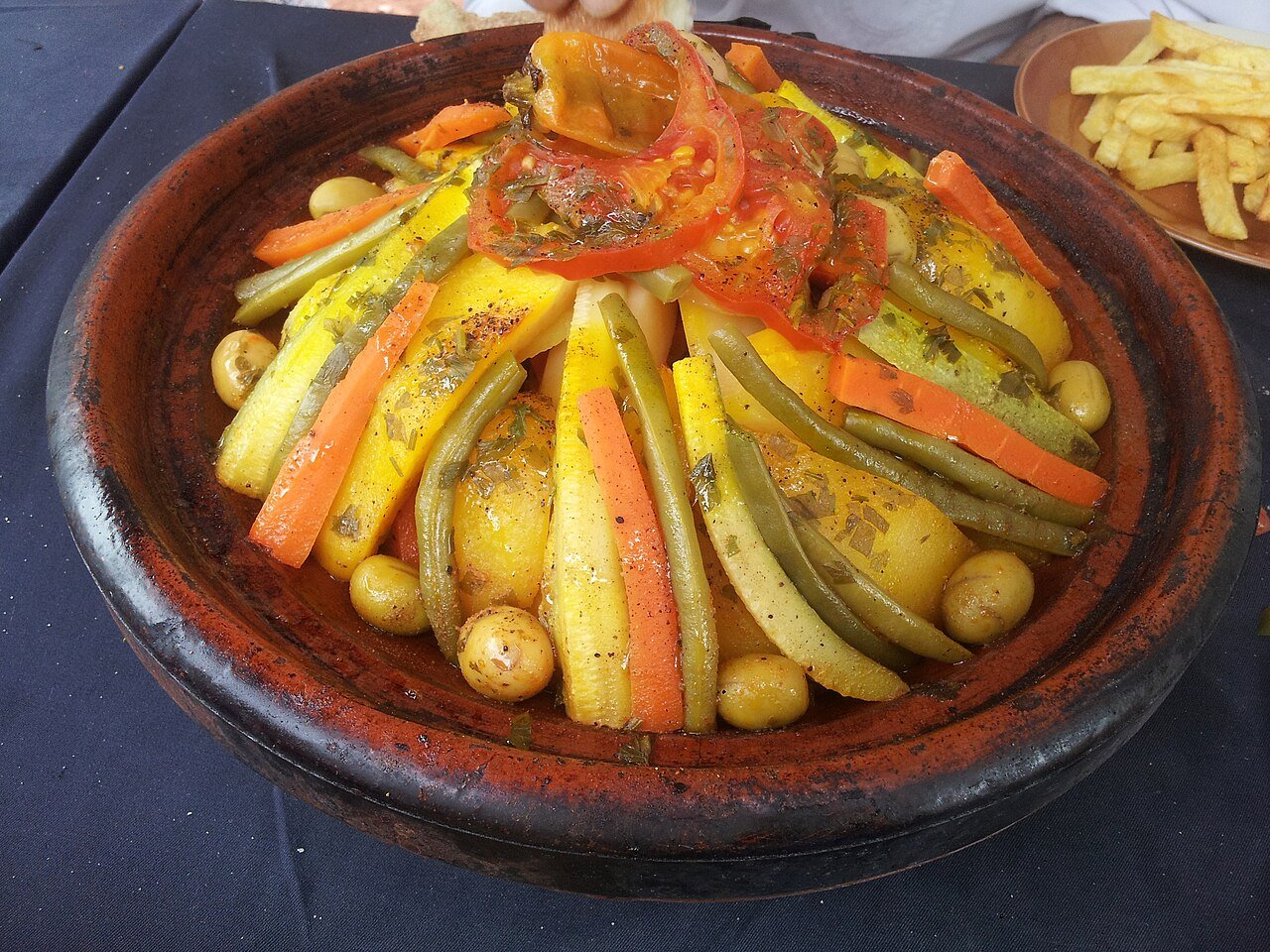
Key spices in Moroccan cuisine and how they are used
| Spice | Flavor | Classic uses | Shop |
|---|---|---|---|
| Cumin | Earthy, warm | Kefta, bissara, salads, dipping salt | Ground cumin |
| Ginger | Warm, gently spicy | Chicken tagines, harira, couscous broth | Ground ginger |
| Sweet paprika | Mild, red, fruity | Chermoula, fish, zaalouk | Casablanca paprika |
| Saffron | Floral, honeyed | Festive tagines, pastilla, rice | Moroccan saffron |
| Ras el hanout | Complex, warm | Lamb, mrouzia, game, rubs | Ras el hanout |
10 Moroccan Cuisine Dishes You Have to Try
From everyday soups to wedding feasts, these ten dishes give you a full picture of Moroccan cuisine.
Tagine
A stew cooked in a cone-lidded clay pot. Classics include chicken with preserved lemon and olives, and lamb with prunes and almonds.
Couscous
Hand-rolled semolina steamed over a broth of meat and seven vegetables, served in one big communal dish.
Pastilla
A flaky pie layering spiced chicken or pigeon, eggs and sweet almonds, dusted with sugar and cinnamon.
Harira
Tomato, lentil and chickpea soup with herbs, famous for breaking the fast during Ramadan.
Tanjia
Beef or lamb with garlic, cumin and smen, sealed in a tall clay urn and cooked for hours in the ashes of a hammam furnace.
Mechoui
Whole lamb or shoulder slow-roasted until it falls apart, eaten with cumin and salt at weddings and Eid.
Rfissa
Shredded msemen or trid soaked in a fenugreek and ras el hanout chicken broth, served after births and on special days.
Zaalouk
Smoky eggplant and tomato cooked down with garlic, cumin and paprika, scooped up with bread.
Bissara
A thick soup of dried fava beans or split peas, finished with olive oil, cumin and paprika.
Briouats
Crisp triangles or rolls of thin pastry filled with kefta, cheese, seafood or sweet almond paste.
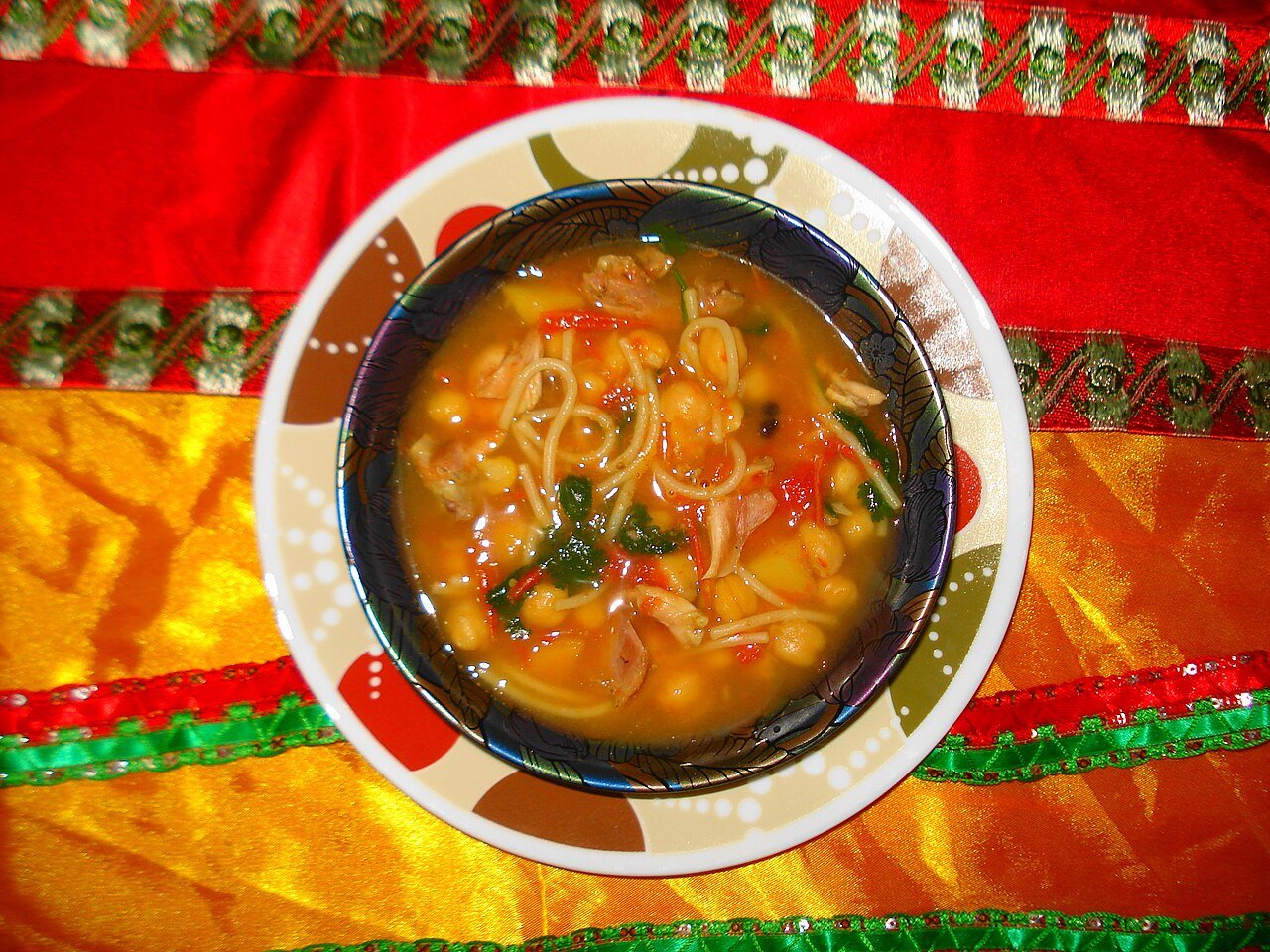
Tagine and Couscous: Pillars of Moroccan Cuisine
What is a tagine?
The word tagine means both the pot and the dish. The tall lid traps steam, which condenses and drips back onto the food, so meat braises gently in very little water. Cooks build layers of onion, meat and spices, then vegetables or fruit on top, and leave it to simmer for 1 to 3 hours.
How couscous is made
Traditional couscous is steamed two or three times in a couscoussier, a pot with a perforated top. Between steamings the grains are fluffed by hand with a little oil or butter and salt. The result is light and separate, nothing like quick-soak boxed couscous.
In many Moroccan homes, Friday lunch is couscous, shared with family after the midday prayer. Learn more about the shared heritage in UNESCO’s couscous listing.

Do you need a clay tagine?
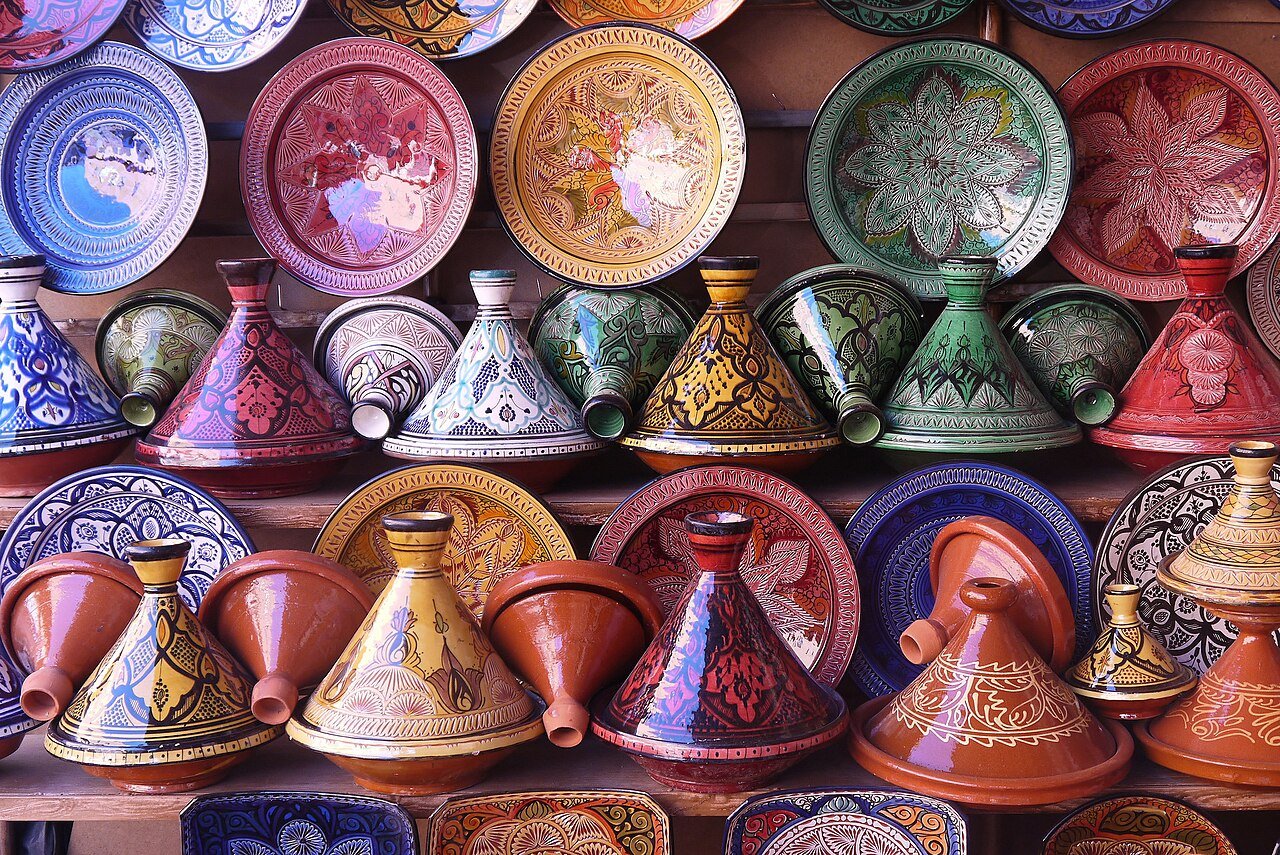
No. A heavy Dutch oven or a wide covered pan works very well on an American stovetop. If you buy a clay tagine, season it first, use a heat diffuser on gas or electric burners and never put a cold pot on high heat. Our store does not sell tagine pots, but you will find the Moroccan couscous, spices and oils to fill one.
Regional Moroccan Cuisine From Fes to the Sahara
Morocco stretches from the Mediterranean to the Sahara, and Moroccan cuisine changes with the landscape.
Refined city cooking
Known for elaborate pastilla, sweet-savory tagines and delicate pastries. Fassi cooks are famous for their patience and precision.
Tanjia and street food
Home of tanjia and the evening food stalls of Jemaa el-Fna, where grilled meats, snails and soups are served by lamplight.
Fish and seafood
Safi, Essaouira and Agadir are known for sardines, fish tagines and chermoula-marinated grills. Morocco is a major sardine exporter.
Tangier and Tetouan
Spanish and Andalusian traces show in seafood, bocadillo sandwiches and pastries.
Argan and amlou
The southwest produces argan oil and amlou, a spread of roasted almonds, argan oil and honey.
Medfouna and dates
Desert towns bake stuffed medfouna bread in sand-heated ovens and rely on dates, barley and preserved meats.

How a Moroccan Meal Is Served
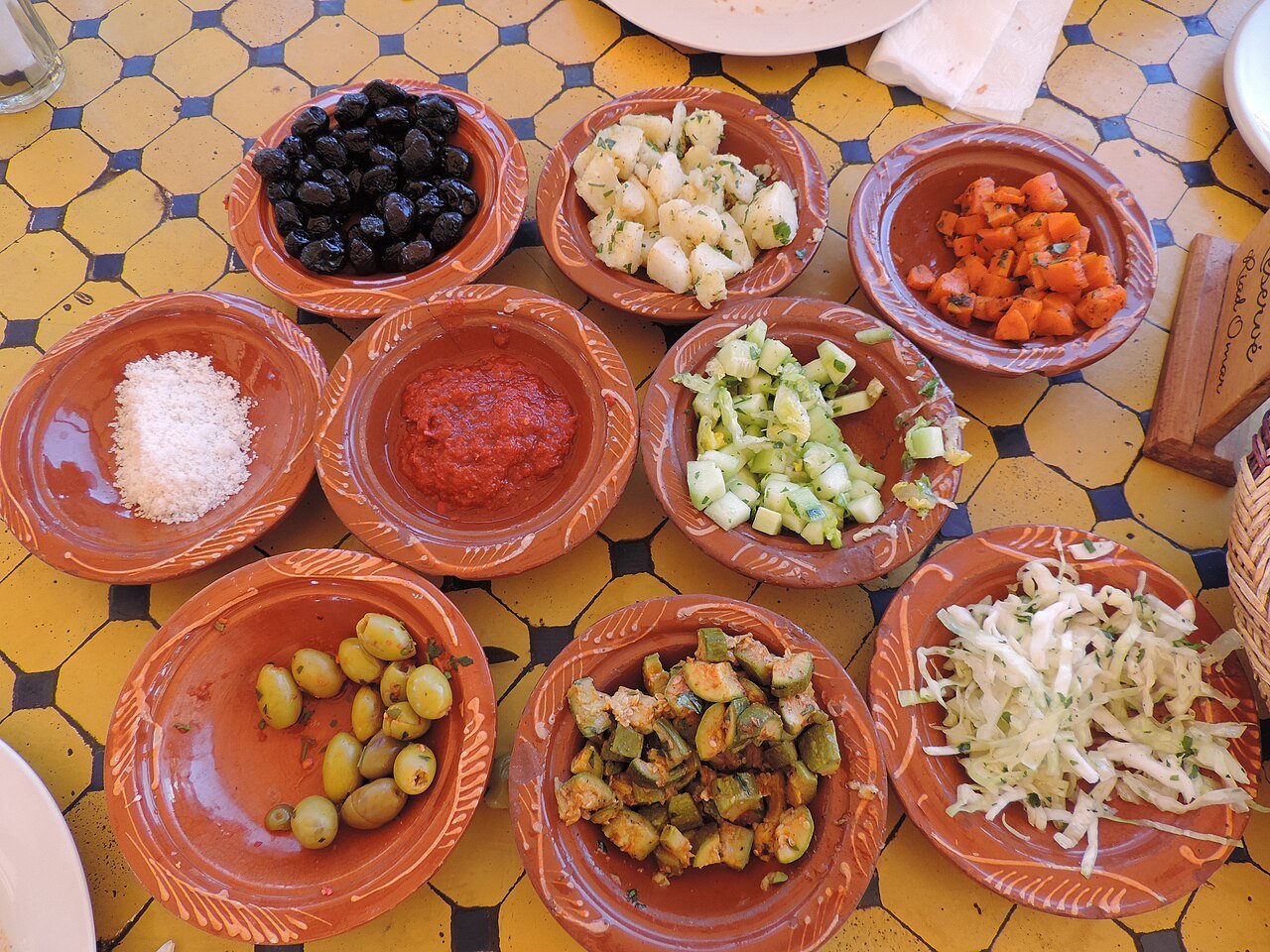
A typical family lunch, the main meal of the day, opens with a spread of small cooked and raw salads. A tagine or couscous follows, placed in the center of a low round table so everyone eats from the same dish. Fresh fruit usually closes the meal, and mint tea comes after.
Table manners
Hands are washed before eating, often with a basin and kettle brought to the table. Diners eat with the right hand and use bread to scoop food from the section of the dish in front of them. The host may move the best pieces of meat toward guests.
Hospitality
Guests are always offered more than they can eat, and refusing everything can seem rude. Say “bismillah” before starting if you like, and praise the cook.
Bread at every meal
Round khobz loaves are placed around the table so each person can reach one. In Moroccan cuisine, bread is the spoon for tagines and salads and the sponge for every last drop of sauce, so a meal without it feels unfinished.
A typical day of Moroccan cuisine
| Meal | When | What you might eat |
|---|---|---|
| Breakfast | Early morning | Bread, msemen or baghrir with olive oil, honey, olives, eggs and mint tea |
| Lunch | Around 1 to 2 pm | Salads, then tagine or couscous, then fruit |
| Afternoon tea | Around 5 pm | Mint tea with cookies, sfenj, msemen or bread with amlou |
| Dinner | Often late | Lighter dishes: soup, leftovers, a smaller tagine |
Tea, Sweets and Celebrations in Moroccan Cuisine
Mint tea, or atay, is the national drink. It is Chinese green tea, usually gunpowder style, brewed with fresh spearmint and sugar and poured from a height to make foam. Offering tea is the first gesture of hospitality, and you can find the classic teas in our tea time collection.
Desserts at home are often simple: oranges with cinnamon, dates or yogurt. Pastries come out for guests and holidays. Kaab el ghazal (gazelle horns) are crescents of almond paste in thin dough. Chebakia, flower-shaped sesame cookies fried and soaked in honey, are a Ramadan favorite. Sellou, a toasted flour, almond and sesame mix, is made for Ramadan and after childbirth.
Food for special occasions
Eid al-Adha centers on lamb, cooked in many ways over several days. Weddings bring pastilla, mechoui and trays of cookies. For Ashura and births, families prepare sweets and rfissa. For packaged Moroccan cookies to serve with tea, browse our Moroccan biscuits.
How to Cook Moroccan Cuisine at Home
You do not need special equipment to start cooking Moroccan cuisine. These practical steps will get you from a bare pantry to a fragrant tagine.
Stock five core spices
Cumin, ginger, sweet paprika, turmeric and cinnamon cover most recipes. Add ras el hanout and a pinch of saffron when you are ready.
Start with grated onion
Many tagines begin with grated onion, garlic, oil and spices cooked together. The onion melts into the sauce and thickens it.
Cook low and slow
Keep a tagine at a gentle simmer. High heat toughens meat and burns the bottom of a clay pot.
Use less liquid than you think
Moroccan stews are saucy, not soupy. Add water a little at a time; vegetables release their own juices.
Finish with fresh herbs
A handful of chopped parsley and cilantro at the end brightens every dish.
Steam your couscous
Even with instant couscous, a second steaming over the broth gives a lighter, fluffier result.
Make smart substitutions
Our store does not sell preserved lemons or smen, so make lemons at home with salt, and use butter with a smen-flavor stock cube.
Serve family style
Put the dish in the middle, add bread and salads, and let everyone share. That is half the magic.
Good olive oil matters too; try the fruity bottles in our Moroccan cooking oils, and keep a jar of olives from our olives and pickles section for the salad course. For a spicy condiment, read our guide on what harissa is.
Best Moroccan Cuisine Essentials to Buy in the USA
Six pantry staples that cover the core flavors of Moroccan cooking, all shipped across the USA.


Orders ship to all 50 states. See our shipping policy for details.
Moroccan Cuisine FAQs
What is Moroccan cuisine known for?
Moroccan cuisine is known for tagines, couscous, pastilla and harira, for warm spices such as cumin, ginger, paprika, cinnamon and saffron, and for mixing sweet and savory flavors like meat with prunes, honey or almonds.
Is Moroccan food spicy?
Most Moroccan dishes are aromatic rather than hot. Chili heat is usually optional and added at the table with harissa or hot peppers, so the food suits people who do not like very spicy meals.
What is the national dish of Morocco?
Couscous is widely seen as the national dish and is traditionally served on Fridays. Tagine is just as iconic, and many people name both as the signature dishes of Morocco.
What are the main influences on Moroccan cuisine?
Moroccan cuisine blends Amazigh (Berber) foundations with Arab, Andalusian and Mediterranean influences, plus traces of Sephardic Jewish, Saharan and French cooking from the country’s long history of trade and migration.
What spices are used in Moroccan cooking?
The core spices are cumin, ginger, sweet paprika, turmeric, cinnamon, black pepper and saffron. Ras el hanout, a complex house blend, is used for tagines and meat dishes.
Do Moroccans eat with their hands?
Traditionally, yes. Diners eat with the right hand from a shared central dish, using bread to scoop food. Spoons are used for soups and sometimes couscous, and cutlery is common in restaurants.
Is Moroccan food healthy?
Home-style Moroccan cooking uses plenty of vegetables, legumes, olive oil, herbs and spices, which many people consider a balanced way of eating. Pastries and very sweet tea are best enjoyed in moderation. This is general information only, not medical advice.
What should I try first in Moroccan cuisine?
Start with a chicken tagine with preserved lemon and olives, a vegetable couscous, a bowl of harira and a glass of mint tea. Together they show the main flavors and techniques of the Moroccan kitchen.
Further reading: Moroccan cuisine (Wikipedia) · UNESCO: couscous heritage · Al Jazeera: UNESCO adds couscous
Bring Morocco to Your Kitchen
Spices, couscous, olive oil and tea from Morocco, delivered across the USA.
Shop Moroccan Products Shop All Products