Moroccan Carrot Salad Spiced, Garlicky and Ready in 20 Minutes
The classic cumin and paprika carrot salad from the Moroccan table, plus the sweet orange version, smart variations, make-ahead tips and the spices that make it taste authentic.
Moroccan carrot salad is a side dish of carrots boiled until just tender, then tossed warm with olive oil, lemon juice, garlic, cumin, paprika and fresh herbs. Cook about 1.5 pounds of sliced carrots with two garlic cloves for 6 to 10 minutes, drain, and dress them with 3 tablespoons olive oil, 1 to 2 tablespoons lemon juice, 1 teaspoon each of ground cumin and sweet paprika, salt and chopped parsley or cilantro. Serve at room temperature.
Your Complete Khizou Salad Guide
On a Moroccan table, the main dish rarely arrives alone. Before the tagine or couscous comes a spread of small salads, and Moroccan carrot salad is almost always one of them. It is bright orange, a little tangy, warm with cumin and soft enough to scoop up with bread.
It is also one of the easiest dishes in North African cooking. You need a bag of carrots, a few pantry Moroccan spices, good olive oil and a lemon. Below you will find the classic cooked recipe, a no-cook grated version with orange, regional cousins from Algeria and Tunisia, and tips for making it a day ahead.
Moroccan Carrot Salad at a Glance
What Is Moroccan Carrot Salad and How Is It Served?
Moroccan carrot salad is a cooked vegetable salad. Carrots are boiled or steamed until tender, then dressed while still warm so they absorb the oil, acid and spices. In Moroccan Arabic carrots are called khizou, and the dish is often known as khizou mchermel, meaning carrots dressed in a chermoula-style mix of garlic, herbs, cumin and paprika.
It belongs to a big family of Moroccan salads that are served at the start of a meal, at room temperature, in small dishes. A typical spread might include zaalouk (smoky eggplant), taktouka (peppers and tomatoes), beets with cumin, olives and a chopped tomato salad. Guests pick from each plate with bread.
The dish is also loved far beyond Morocco. Moroccan Jewish families brought it to France, Israel and North America, and today a carrot salad with cumin is a fixture of many mezze spreads.

Ingredients for Moroccan Carrot Salad
The list is short, so each ingredient matters. Here is what to look for.
Carrots
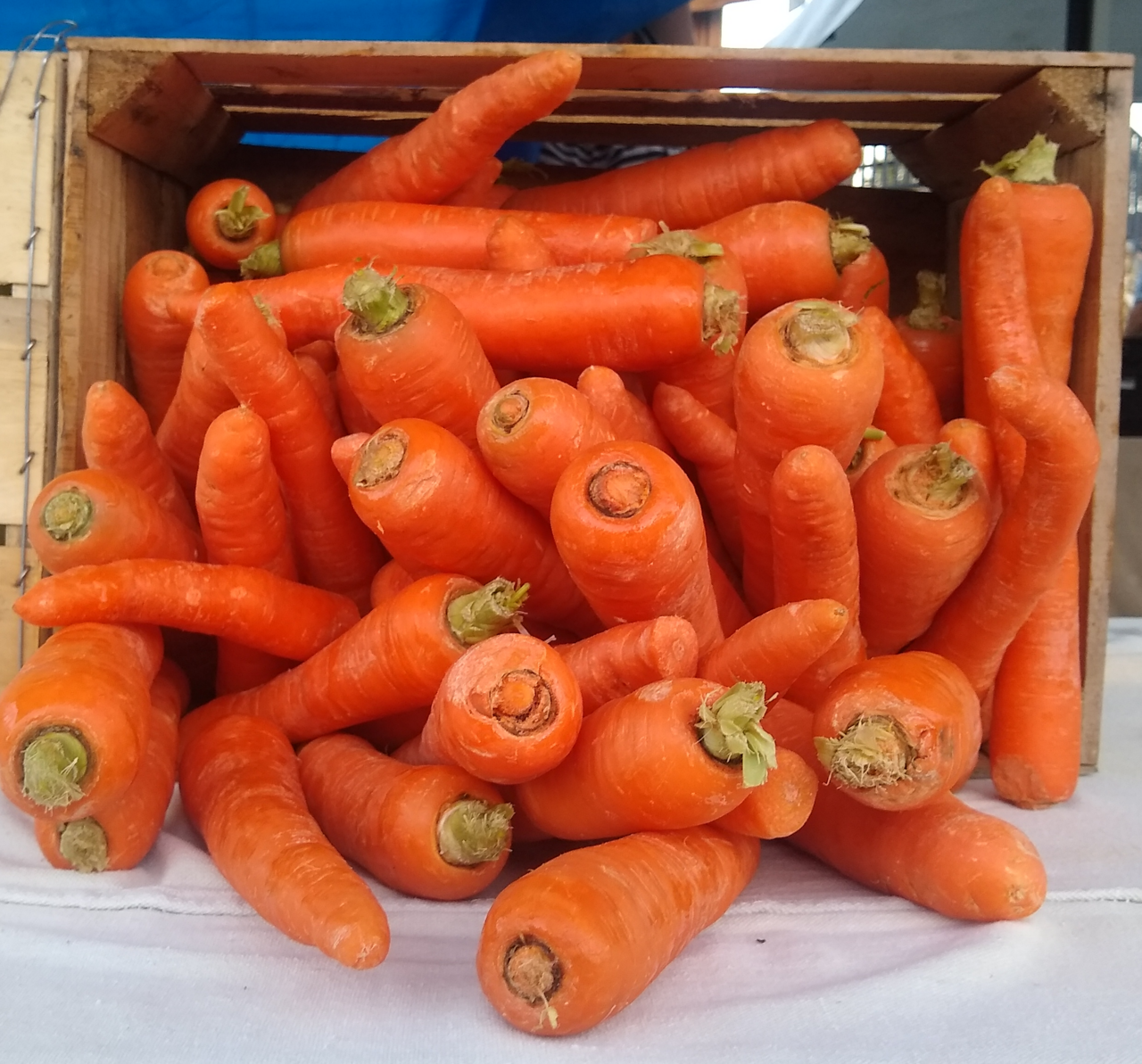
Medium, firm carrots work best. Skip very thick, woody ones, or cut out their pale core. Baby carrots are fine in a pinch but have less flavor. You need about 1.5 pounds for four to six people.
Garlic
Many cooks simmer whole cloves with the carrots, then mash them into the dressing. This gives a gentle, sweet garlic flavor rather than a raw bite.
Acid
Fresh lemon juice is most common. White or cider vinegar is also traditional in many homes and gives a sharper, pickled note.
Olive oil and herbs
Use a fruity extra virgin olive oil such as Mina Moroccan olive oil. Finish with flat-leaf parsley, cilantro or both.
The spices in Moroccan carrot salad
| Spice | Amount (for 1.5 lb carrots) | What it adds | Try |
|---|---|---|---|
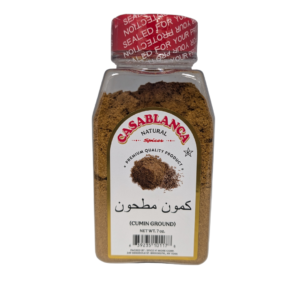
| Ground cumin | 1 to 1.5 tsp | Warm, earthy backbone of the dish | Casablanca ground cumin |
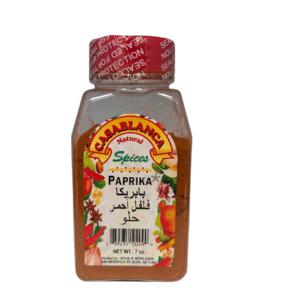
| Sweet paprika | 1 tsp | Color and mild, sweet pepper flavor | Casablanca paprika |
| Cinnamon (optional) | A pinch to 1/4 tsp | A soft sweet note many families love | Ground cinnamon |
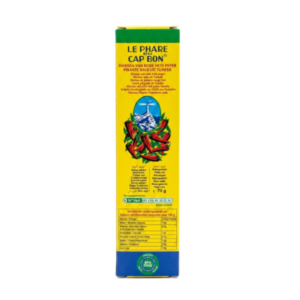
| Cayenne or harissa | A pinch, or 1 tsp harissa | Gentle heat | Le Phare du Cap Bon |
| Salt and black pepper | To taste | Balance | Pantry |
How to Make Moroccan Carrot Salad Step by Step
This classic Moroccan carrot salad serves 4 to 6 as part of a salad spread. Prep takes 10 minutes and cooking about 10.
Ingredients
- 1.5 lb (about 680 g) medium carrots, peeled
- 2 garlic cloves, peeled and left whole
- 3 tablespoons extra virgin olive oil
- 1 to 2 tablespoons fresh lemon juice, or 1 tablespoon white vinegar
- 1 to 1.5 teaspoons ground cumin
- 1 teaspoon sweet paprika
- 1/4 teaspoon ground cinnamon (optional)
- A pinch of cayenne (optional)
- 3 tablespoons chopped parsley, cilantro or a mix
- Salt to taste
You will need
- A medium saucepan
- A colander and a serving bowl
Method
- Cut the carrots. Slice them into 1/4-inch coins, or into sticks about 2 inches long. Keep the pieces even so they cook at the same rate.
- Simmer with garlic. Put the carrots and whole garlic in a pan, cover with water, add a good pinch of salt and bring to a boil. Simmer for 6 to 10 minutes.
- Check for doneness. The carrots are ready when a knife slides in easily but they still hold their shape. Start testing at 6 minutes.
- Drain well. Drain the carrots and garlic and let them steam dry in the colander for a minute or two.
- Make the dressing. In the serving bowl, mash the soft garlic with a fork. Whisk in the olive oil, lemon juice, cumin, paprika, cinnamon, cayenne and 1/2 teaspoon salt.
- Toss while warm. Add the warm carrots and toss gently so every piece is coated.
- Rest and finish. Let the salad sit for at least 15 minutes. Taste, adjust salt and lemon, then fold in the herbs just before serving.
8 Tips for the Best Moroccan Carrot Salad
Most disappointing versions of Moroccan carrot salad are either mushy or bland. These tips fix both problems.
Do not overcook
Carrots keep softening as they sit in the warm dressing. Pull them when they are just tender.
Salt the cooking water
Seasoning the water flavors the carrots all the way through, so the dressing does not have to do all the work.
Dress them warm
Warm carrots absorb the oil, acid and spices. Cold carrots just get coated.
Use fresh cumin
Ground cumin loses aroma within months. For the best flavor, toast and grind whole cumin seeds.
Taste after resting
Flavors change as the salad sits. Adjust salt and lemon after 15 minutes, not straight away.
Add herbs last
Fresh parsley and cilantro wilt and darken in acid. Fold them in just before serving.
Cut evenly
Even coins or sticks cook at the same speed, so you avoid a mix of crunchy and mushy pieces.
Finish with a drizzle
A final spoon of good olive oil over the top makes the salad glossy and adds a fresh, fruity note.
Raw Carrot and Orange Salad
Morocco has a second, sweeter Moroccan carrot salad that needs no stove at all. Finely grated carrots are soaked in fresh orange juice with a little sugar and a dash of orange blossom water, chilled, and dusted with cinnamon. Food writer Jeff Koehler shares a version in his cookbook, featured by The Splendid Table.
It is refreshing on hot days and a favorite with children. It is often served next to savory salads, or with grilled meat, where the sweet citrus contrasts with smoky food.
The fine-grate trick
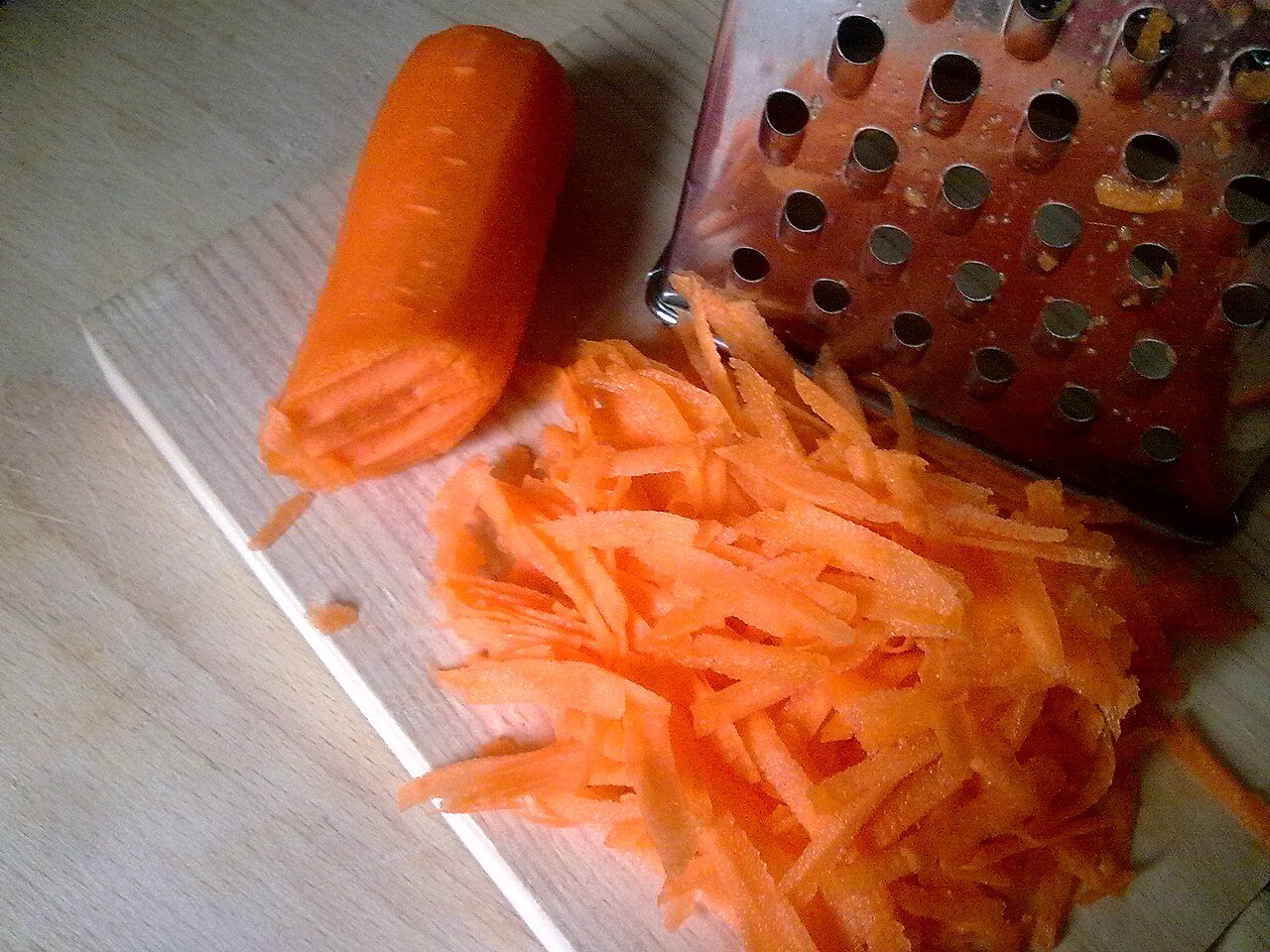
Use the small holes of a box grater or a food processor fine disk. Fine shreds soak up the juice and turn soft and juicy, so the salad is eaten with a spoon.
Ingredients (serves 4)
- 1/2 lb carrots, peeled and finely grated
- Juice of 2 oranges (about 2/3 cup)
- 1 to 2 teaspoons sugar, to taste
- 1/2 to 1 teaspoon orange blossom water
- A pinch of salt
- Ground cinnamon, for dusting
Method
- Grate. Grate the carrots as finely as you can into a bowl.
- Dress. Stir in the orange juice, sugar, salt and orange blossom water. Start with a small amount; it is strong.
- Chill. Refrigerate for at least 1 to 2 hours so the carrots soften.
- Serve. Spoon into small bowls and dust generously with cinnamon.
Moroccan Carrot Salad Variations
Once you know the base method, it is easy to change the mood of the dish. These are popular twists in North African and diaspora kitchens.
With harissa
Whisk 1 to 2 teaspoons of harissa into the dressing in place of cayenne for a deeper, smoky heat.
Sautéed carrots
Cook the carrots in olive oil with garlic and spices, adding a splash of water, until tender. The flavor is richer and more caramelized.
Olives and preserved lemon
Add a handful of oil-cured olives and a little chopped preserved lemon peel.
With chickpeas
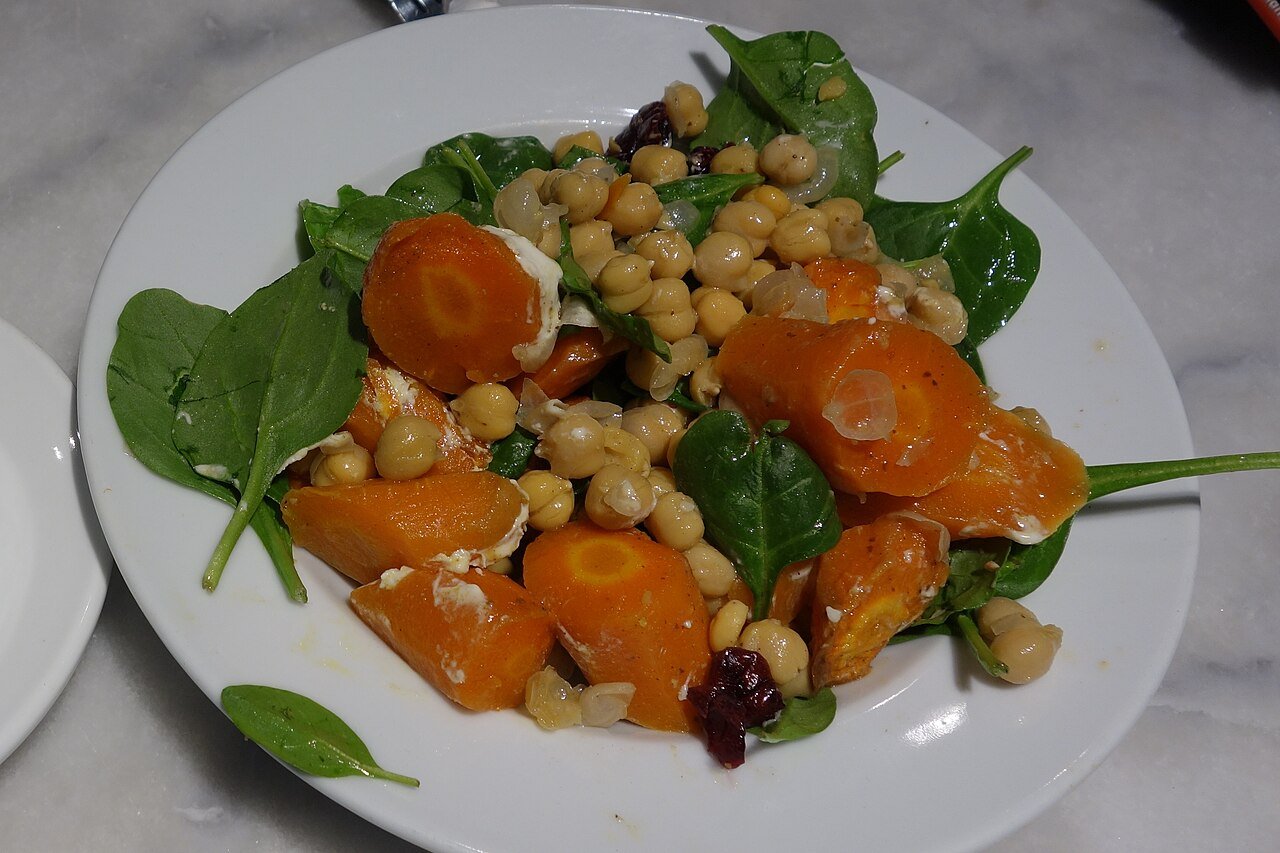
Fold in a can of drained chickpeas and baby spinach to turn the salad into a light lunch.
Raisins and cinnamon
A spoonful of plumped raisins and extra cinnamon makes a sweeter Moroccan carrot salad for festive tables.
Roasted carrots
Roast carrot sticks at 425°F for 20 to 25 minutes, then dress them. Great for winter and for a bigger batch.
Carrot Salads Across North Africa
Carrots, cumin and olive oil are shared across the region, but each country gives them its own character.
Khizou mchermel
The classic Moroccan carrot salad: boiled carrots with garlic, cumin, paprika, lemon and herbs, served among many small salads before the main course.
Cumin carrots on the salad tray
Algerian homes make a very similar carrot salad with cumin, garlic and vinegar or lemon, often next to grilled pepper salad and olives during Ramadan and family meals.
Omek houria
Tunisia’s carrot salad is mashed rather than sliced, then mixed with harissa, garlic, caraway and olive oil and topped with olives, tuna or egg.
What to Serve With Carrot Salad
Moroccan carrot salad is a team player. It fits a full Moroccan feast, but it is just as good in a weeknight lunch box.
As part of a salad spread
Serve it with two or three other cooked salads, such as zaalouk, taktouka or beets with cumin, plus a bowl of olives and fresh bread. This spread works as a starter before a tagine or as a full vegetarian meal.
Next to mains
The tangy carrots balance rich dishes such as lamb tagine, roast chicken with olives, grilled kefta or fish with chermoula. They are also lovely alongside a bowl of couscous from our couscous collection.
Quick everyday ideas
- Stuff it into a pita with hummus and grilled chicken.
- Spoon it over a grain bowl with chickpeas and feta.
- Add it to a sandwich with canned tuna and hard-boiled egg.
- Serve it on a mezze board with olives, cheese and flatbread.
Nutrition Notes for Moroccan Carrot Salad
General information only, not medical advice. Carrots are a well-known source of beta-carotene, the most common provitamin A carotenoid in food, which the body can convert into vitamin A. The NIH Office of Dietary Supplements lists carrots among the orange and yellow vegetables that provide vitamin A.
Carotenoids are fat-soluble, so dressing the carrots with olive oil is a sensible match. The dish is naturally vegan and gluten free, and you can control the salt and oil to suit your diet.
| Question | Short answer |
|---|---|
| Is it vegan? | Yes, the classic recipe uses only vegetables, oil, spices and lemon. |
| Is it gluten free? | Yes, as long as your spices are pure and not blended with fillers. |
| Can I reduce the oil? | Yes. Use 1 to 2 tablespoons and add a splash of the cooking water. |
| Is the orange version sweet? | Lightly. You can skip the sugar if your oranges are sweet. |
Storage and Make-Ahead Tips
This is one of the best make-ahead salads you can cook. A Moroccan carrot salad made the night before often tastes better, because the spices have time to settle into the carrots.
How to store it
Keep it in an airtight container in the fridge for 3 to 4 days. Take it out 20 to 30 minutes before serving; cold olive oil looks cloudy and the spices taste muted until it warms up.
Keep herbs separate
If you are cooking ahead, store the chopped herbs in a separate container and fold them in when you serve. The orange version is best within 24 hours, before it gets too watery.
Freezing
Freezing is not recommended, because thawed carrots turn soft and watery.

Best Carrot Salad Essentials to Buy in the USA
The spices, oil and flower water for an authentic Moroccan carrot salad, shipped to all 50 states.

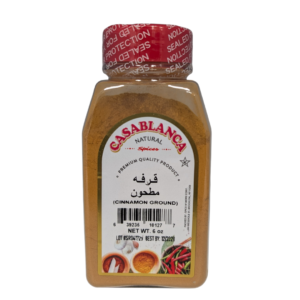 Sweet noteCasablanca Ground Cinnamon
A pinch in the dressing or a dusting on the orange version.
Shop now
Cooking for a crowd? The El Ouazzania 2L olive oil is great value, and our shipping policy explains delivery times.
Moroccan Carrot Salad FAQs
Is Moroccan carrot salad served hot or cold?
It is usually served at room temperature. The carrots are dressed while warm so they absorb the flavors, then left to rest. It can also be served chilled from the fridge after it has warmed up for a few minutes.
What spices are in Moroccan carrot salad?
The essentials are ground cumin and sweet paprika, with salt and garlic. Many families add a pinch of cinnamon, and some add cayenne or harissa for heat. Fresh parsley or cilantro finishes the dish.
How long should I boil carrots for carrot salad?
Simmer 1/4-inch slices for about 6 to 10 minutes, depending on their thickness. They should be just tender when pierced with a knife but still hold their shape, because they soften more in the warm dressing.
Can I make Moroccan carrot salad ahead of time?
Yes. It keeps for 3 to 4 days in an airtight container in the fridge and often tastes better the next day. Add the fresh herbs just before serving and let it sit at room temperature for 20 to 30 minutes.
Can I use vinegar instead of lemon juice?
Yes. White or cider vinegar is traditional in many Moroccan and Algerian homes. Use a little less vinegar than you would lemon juice, about 1 tablespoon for 1.5 pounds of carrots, and adjust to taste.
What is the difference between Moroccan carrot salad and omek houria?
Moroccan carrot salad uses sliced carrots dressed with cumin, paprika, lemon and herbs. Tunisian omek houria uses mashed carrots mixed with harissa, garlic, caraway and olive oil, and is usually spicier.
Is there a Moroccan carrot salad without cooking?
Yes. The raw version uses finely grated carrots soaked in fresh orange juice with a little sugar and orange blossom water, chilled for a couple of hours and dusted with cinnamon before serving.
Further reading: The Splendid Table: Grated carrot and orange salad · Saveur: Moroccan carrot salad · NIH ODS: Vitamin A
Stock Your Spice Shelf Tonight
Authentic North African cumin, paprika, cinnamon and olive oil for Moroccan carrot salad and every dish on the salad tray, delivered across the USA.
Shop Moroccan Spices Shop All Products