Mhadjeb: Algerian Stuffed Flatbread Made Step by Step at Home
Everything you need to make Algeria’s favorite street snack: the stretchy semolina dough, the spicy tomato and onion filling, the fold, the griddle and the best ways to serve it.
Mhadjeb is an Algerian flatbread made from fine semolina dough stretched paper thin, filled with a cooked tomato, onion and pepper sauce, folded into a square and pan-fried. Knead semolina, salt and water into a soft dough, rest it, then stretch each oiled ball by hand until you can almost see through it. Spread on 2 to 3 tablespoons of cooled filling, fold it into a square and cook it on a hot griddle for 3 to 4 minutes per side.
Your Complete Mhadjeb Guide
Walk past almost any snack shop in an Algerian city and you will see stacks of golden, square flatbreads waiting by the griddle. That is mhadjeb, also called mahdjouba or mahjouba. Crisp at the edges, soft and layered inside, with a hot, juicy filling, it is one of the most loved street foods in the country.
Making them at home takes a little practice, but the ingredients are cheap and simple. This guide covers the dough, the filling, the stretching and folding technique, and the cooking. You will also find tips for the spices and Algerian products that give the filling its real flavor.
Mhadjeb at a Glance
What Is Mhadjeb and Where Does It Come From?
Mhadjeb is a thin, crepe-like flatbread made from semolina and wrapped around a savory filling. In Algerian Arabic (Darja) the name mahdjouba is usually explained as “covered” or “veiled,” which fits perfectly: the filling is hidden inside layers of dough.
The dish is often linked to southern Algeria, especially towns such as Biskra and Touggourt, but today it is eaten all over the country. It is sold by street vendors and in small snack shops, and many families make big batches at home. You can read a short overview in the mahdjouba entry on Wikipedia.
Mhadjeb vs msemen
Mhadjeb is closely related to msemen, the layered square pancake of Algeria and Morocco. Both use a soft dough that is oiled, stretched and folded. The difference is the filling: msemen is usually plain or brushed with butter and eaten with honey, while mhadjeb is always stuffed, most often with a spicy vegetable sauce.

Mhadjeb Dough Ingredients
The dough has only four ingredients, so the type of semolina makes a big difference.
Fine semolina
Semolina is a coarse flour milled from durum wheat, the same wheat used for couscous and pasta. For this recipe you need the fine grade, sometimes sold as “fine semolina” or “semoule fine.” Coarse semolina will not stretch thin. Our store does not sell semolina, but most Middle Eastern, Indian and Italian grocers in the US carry it.
Water and salt
Add warm water a little at a time. Semolina brands absorb water differently, so go by feel, not only by the cup. About 1 teaspoon of salt per 2 cups of semolina is a good start.
Oil
Oil is used to coat the dough balls and the work surface. It is what lets you stretch the dough so thin and creates the flaky layers. A mild Algerian extra virgin olive oil or a neutral oil both work.
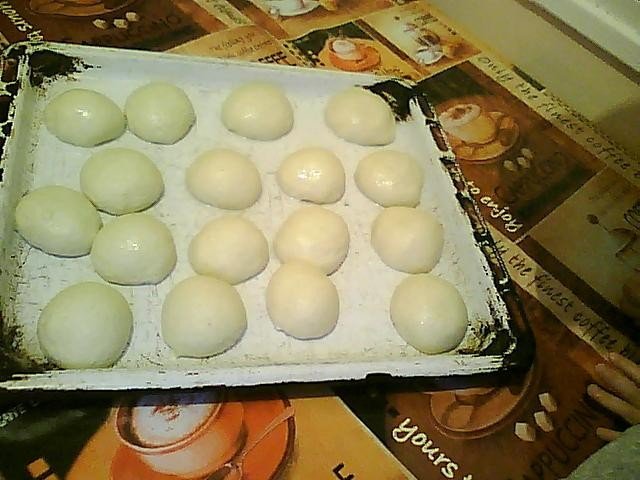
Mhadjeb dough at a glance
| Ingredient | Amount (8 to 10 pieces) | Why it matters |
|---|---|---|
| Fine semolina | 3 cups (about 1 lb) | Gives flavor, color and chew |
| All-purpose flour (optional) | ½ cup, replacing some semolina | Makes stretching easier for beginners |
| Salt | 1½ tsp | Seasons the dough |
| Warm water | About 1½ cups, added slowly | Hydrates the semolina |
| Oil | About ½ cup for oiling | Lets the dough stretch and form layers |
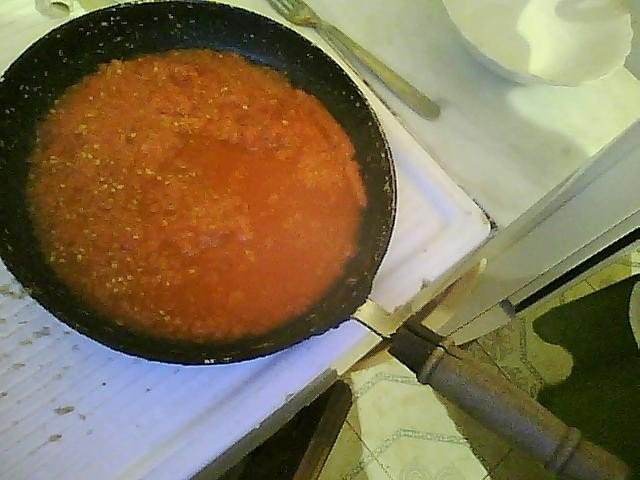
The Mhadjeb Filling: Tomato, Onion and Pepper
The classic mhadjeb filling is a thick, spicy mix of onions, tomatoes, peppers and garlic, cooked in oil until jammy. It is close to the Algerian chakchouka sauce, without the eggs.
Key flavors
Sweet paprika gives color, ground cumin adds warmth and black pepper or chili brings heat. Many cooks add a spoon of harissa. El Hara Algerian harissa is a good match, and our guide to what harissa is explains the different styles.
Why it must be thick
A watery filling will tear the thin dough and steam it from the inside. Cook it until a spoon drawn through the pan leaves a clear line, and let it cool completely.
For a richer color, stir in a spoon of Casablanca tomato paste while the onions cook.
How to Make Mhadjeb Step by Step
This mhadjeb recipe makes 8 to 10 squares. Plan about 30 minutes of active work, 30 minutes or more of resting and 30 to 40 minutes of cooking in batches.
Dough
- 3 cups fine semolina (or 2½ cups semolina plus ½ cup all-purpose flour)
- 1½ tsp salt
- About 1½ cups warm water
- About ½ cup oil, for oiling
Filling
- 3 tbsp olive oil
- 2 large onions, finely chopped
- 1 red or green bell pepper, finely chopped
- 1 to 2 hot green chilies, minced (optional)
- 3 garlic cloves, minced
- 4 ripe tomatoes, grated, or one 14 oz can crushed tomatoes
- 1 tbsp tomato paste
- 1 tsp sweet paprika, ½ tsp ground cumin, ½ tsp black pepper
- 1 to 2 tsp harissa (optional), salt to taste
- A small handful of chopped cilantro or parsley
Method
- Make the dough. Mix the semolina and salt, then add warm water gradually and knead for 10 to 15 minutes until the dough is soft, smooth and very elastic. It should feel softer than bread dough.
- Rest it. Divide into 8 to 10 balls the size of a small orange. Coat them well with oil, cover and rest for at least 30 minutes.
- Cook the filling. Soften the onions and pepper in the oil for 8 to 10 minutes. Add the garlic, tomato paste and spices for 1 minute, then the tomatoes. Simmer for 15 to 20 minutes until thick. Add the herbs and let it cool.
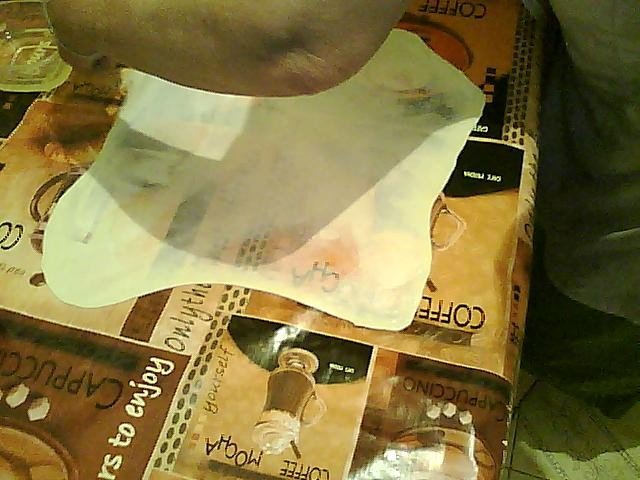
- Stretch. Oil the counter and your hands. Flatten a ball, then push and pull the edges outward with your palms and fingers until the sheet is paper thin.
- Fill and fold. Spread 2 to 3 tablespoons of filling in the center. Fold the left and right sides over it, then the top and bottom, to make a square about 5 to 6 inches wide.
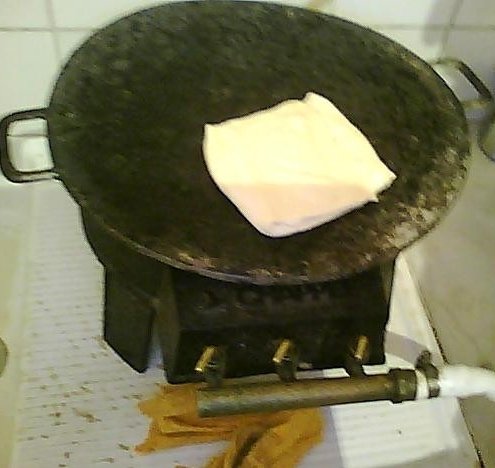
- Cook. Heat a griddle or flat pan over medium heat with a little oil. Cook each square for 3 to 4 minutes per side, pressing gently, until golden with darker spots.
- Keep warm. Stack the cooked squares on a plate under a clean towel while you cook the rest.
Stretching and Folding Mhadjeb Like a Pro
The stretch is the part that worries most people, but it is easier than it looks. Use plenty of oil and no rolling pin.

Oil everything
Oil the counter, your hands and each dough ball. The oil stops sticking and creates the layers.
Flatten with your palm
Press the ball into a disk with the heel of your hand before you start to stretch.
Work from the center out
Slide your fingertips under the edge and pull gently outward, moving around the circle.
Aim for 14 to 16 inches
A rough rectangle or circle is fine. Small holes do not matter, because the folds cover them.
Fold in thirds, twice
Sides first, then top and bottom. This gives several layers of dough on each face.
Press out the air
Pat the folded square gently so the filling spreads evenly to the corners.
Mhadjeb Tips and Common Mistakes
Most problems come from the dough being too stiff, too little resting time or a filling that is still wet. Here is how to fix them.
The dough tears
It is too dry or not rested enough. Knead in a few drops of water, re-oil it and rest it for another 15 to 20 minutes. Mixing in some all-purpose flour also helps.
The squares are tough
The heat was too low, so it dried out before it browned, or the dough was not kneaded long enough. Use medium heat and knead until the dough is truly elastic.
The filling leaks
Too much filling, or it was still hot. Use 2 to 3 tablespoons per piece and let it cool fully.
The outside is pale
Add a thin film of oil to the pan and press the square lightly with a spatula so it touches the hot surface evenly.
Mhadjeb Fillings and North African Cousins
The tomato and onion version is the classic, but the recipe is easy to adapt. Some regions fill it with minced meat or chicken, and others use cheese and vegetables.
Tomato, onion and pepper
The everyday street version, spicy and juicy. Add harissa to taste.
Spiced minced meat
Ground beef or lamb cooked with onions, cumin and paprika, then cooled before filling.
Shredded chicken
Leftover chicken mixed into the tomato sauce makes a filling, protein-rich version.
Cheese and vegetables
Grated cheese with peppers or spinach. Keep the vegetables dry so the dough stays crisp.
Tuna and harissa
Drained canned tuna stirred into the cooled sauce, a popular home shortcut.
Egg and herbs
Some cooks crack an egg into the sauce and scramble it lightly before using it as filling.
How it compares with its cousins
Mhadjeb
Fine semolina dough, stretched thin and stuffed, mostly with a spicy tomato filling. Sold everywhere as a street snack.
Msemen and rghaif
Laminated square pancakes, usually plain and eaten with honey and tea. Stuffed versions with onion or khlii meat exist too.
Mlawi
A round, flaky flatbread cooked on a griddle and often rolled around tuna, harissa, egg or cheese.
Learn more about the laminated breads of the region in the msemen article on Wikipedia.
How to Serve and Store Mhadjeb
These flatbreads are best eaten warm, within minutes of leaving the pan. In Algeria it is a favorite snack in the afternoon, at breakfast or as a light supper, and it is often served with a glass of tea or a coffee.
Great pairings
- Sweet mint tea, brewed with green tea from our tea time collection.
- A cup of strong coffee or a glass of buttermilk (lben).
- Olives, a simple salad or a bowl of soup for a fuller meal.
- Extra harissa on the side for those who like it hot.
Storing and reheating
Cooked squares can stiffen as they cool. Keep leftovers covered in the fridge for up to 2 to 3 days. Reheat them in a dry pan over medium-low heat, covered with a lid, for 2 to 3 minutes per side so they soften again.
Cooking for a crowd
Set up a small assembly line: one person stretches and fills, another watches the griddle. Keep the dough balls covered so they do not dry out, and hold cooked squares in a 200°F oven on a rack so the bottoms stay crisp. Cut each square in half on the diagonal before serving so guests can try more than one filling.
Can you freeze it?
Yes. Freeze cooked and cooled squares flat, with parchment between the pieces, and use them within about 2 months. Reheat from frozen in a covered pan. The filling can also be made a day ahead and kept in the fridge.
| Question | Short answer |
|---|---|
| Is mhadjeb vegetarian? | The classic tomato and onion version is vegetarian and usually vegan. |
| Is it spicy? | It can be. Control the heat with the chilies and harissa. |
| Is it gluten free? | No. Semolina is made from durum wheat and contains gluten. |
| Can kids eat it? | Yes. Leave out the chili and harissa for a mild filling. |
Curious about the main grain? The semolina article on Wikipedia explains durum wheat and fine versus coarse grades.
Best Mhadjeb Pantry Picks to Buy in the USA
The oils, harissa and spices that give homemade mhadjeb an authentic Algerian taste, shipped to all 50 states.
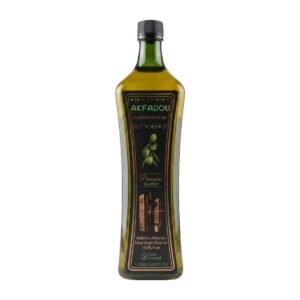 Best oilAkfadou Algerian Extra Virgin Olive Oil
Fruity Kabyle oil for the filling and the griddle.
Shop now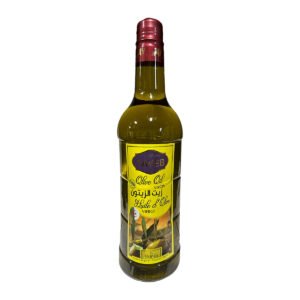
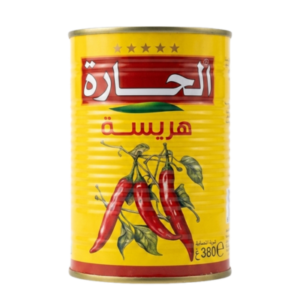
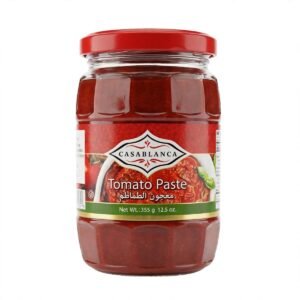
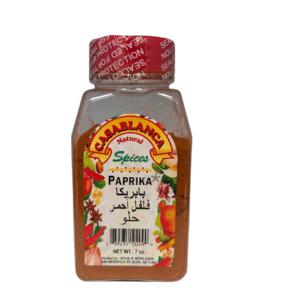
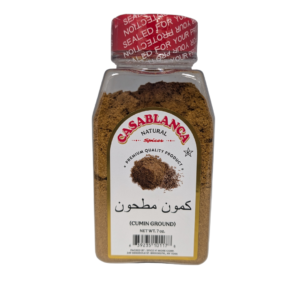
Making a big batch? Browse our Algerian cooking oils and sauces and condiments, and check our shipping policy for delivery times.
Mhadjeb FAQs
What does mhadjeb mean?
The name mahdjouba is usually explained in Algerian Arabic as covered, veiled or hidden. It describes the way the filling is hidden inside folded layers of thin dough.
Is mhadjeb the same as mahjouba?
Yes. Mhadjeb, mahdjouba, mahjouba and mhajeb are different spellings and forms of the same Algerian stuffed semolina flatbread.
What is the difference between mhadjeb and msemen?
Both use a soft, oiled dough that is stretched and folded. Msemen is usually plain and eaten with honey or butter, while mhadjeb is always stuffed, most often with a spicy tomato, onion and pepper filling.
Can I make mhadjeb with regular flour?
Fine semolina gives the classic flavor and chew. You can replace some of it with all-purpose flour to make the dough easier to stretch, but an all-flour version will taste and feel different.
Why does my mhadjeb dough keep tearing?
It is usually too dry, under-kneaded or not rested long enough. Add a few drops of water, knead until it is very elastic, coat it well with oil and let it rest for at least 30 minutes.
What is the filling in mhadjeb?
The classic filling is onions, tomatoes, peppers and garlic cooked in oil with paprika, cumin, black pepper and often harissa. Some regions use minced meat, chicken or cheese instead.
How do I reheat mhadjeb?
Warm it in a dry pan over medium-low heat with a lid on for 2 to 3 minutes per side. The steam under the lid softens the dough again.
Can I freeze mhadjeb?
Yes. Freeze cooked, cooled pieces flat with parchment between them and use them within about 2 months. Reheat them from frozen in a covered pan.
Further reading: Mahdjouba (Wikipedia) · Msemen (Wikipedia) · Semolina (Wikipedia)
Bring Algerian Street Food Home
Algerian olive oil, harissa and spices for perfect homemade flatbreads, delivered anywhere in the USA.
Shop Algerian Products Shop All Products