Lablabi Recipe: Tunisia’s Beloved Chickpea Soup
Learn how to cook the garlicky, cumin-scented chickpea soup Tunisians eat for breakfast, how to build the bowl with bread, egg, tuna and harissa, and what to buy for it in the USA.
Lablabi is a Tunisian soup of tender chickpeas in a thin garlic and cumin broth, ladled over torn stale bread and finished with harissa, olive oil and usually an egg. Simmer soaked dried chickpeas with garlic until very soft, season the broth with cumin and salt, then pour it over bread in a bowl. Top with harissa, a drizzle of olive oil, extra cumin, a soft egg and, if you like, tuna, capers and olives.
Your Complete Lablabi Guide
Ask a Tunisian about comfort food and there is a good chance lablabi comes up within a minute. This humble bowl of chickpeas, broth and bread is sold in small shops from Tunis to Sfax, eaten by workers before dawn and by students after midnight. It costs little, fills you up and warms you from the inside.
The magic is in the assembly. A plain pot of chickpeas becomes a meal when it meets crusty bread, fiery Tunisian harissa, good olive oil and a runny egg. Below you will find a tested home recipe, a shortcut with canned chickpeas, a guide to toppings and the pantry staples that make it taste like the real thing.
Lablabi at a Glance
What Is Lablabi and Where Does It Come From?
Lablabi is a hot chickpea soup from Tunisia. At its simplest it is just three things: chickpeas cooked until creamy, a thin broth perfumed with garlic and cumin, and pieces of day-old bread that drink up that broth. Everything else is a topping chosen by the person eating it.
The name is often linked to the Turkish word leblebi, which refers to roasted chickpeas. That fits with the long Ottoman presence in Tunisia, though the soup itself is thoroughly Tunisian today. The Wikipedia entry on the dish notes that simpler chickpea broths with the same name are also eaten in Iraq.
Lablabi began as a winter breakfast: cheap, hot and filling enough to carry laborers through a cold morning. It is still a morning favorite, but now it is eaten all year and at every hour. Young Tunisians are known for ending a late night with a bowl, while older regulars come in early.

In a classic lablabi shop, you are handed a clay bowl with chunks of stale baguette. You tear the bread yourself, then the cook ladles in chickpeas and broth and asks how you want it. You call out your add-ins and the bowl is built to order in front of you, much like a sandwich counter in the US.
The Core Ingredients
Because the dish has so few parts, each one matters. Here is what to look for when you shop.
1. Chickpeas
Dried chickpeas give the best texture and a broth with real body, because the starch they release thickens it slightly. Canned chickpeas work for a fast weeknight version. Either way, cook them past “just tender” until they crush easily between two fingers.
2. Garlic
The soup should taste clearly of garlic. Use whole cloves in the pot while the chickpeas cook, then add a little freshly crushed garlic at the end for a sharper bite.
3. Cumin
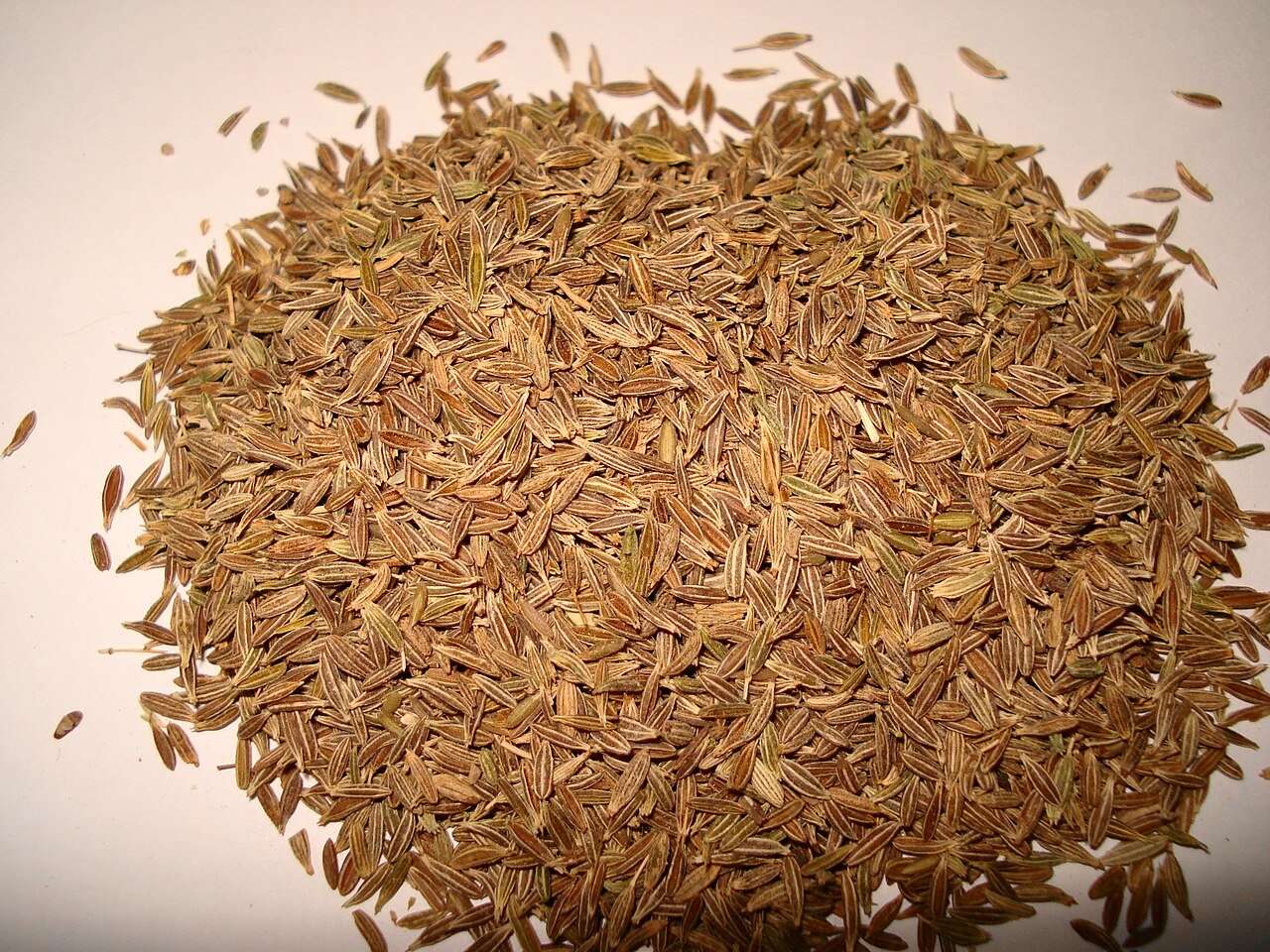
Cumin is the signature spice. Toasted and ground cumin goes into the broth and is sprinkled on top again at the table. A good ground cumin is fine, or grind whole cumin seeds yourself for more aroma.
4. Bread
Day-old baguette or any crusty white loaf is traditional. Fresh bread turns mushy, so leave it out overnight or dry it in the oven.

The finishing ingredients
| Ingredient | Why it matters | What to buy |
|---|---|---|
| Harissa | Heat, smoky chili flavor and color | Le Phare du Cap Bon or Sim harissa |
| Extra virgin olive oil | Richness and a peppery finish | A fruity North African extra virgin oil |
| Canned tuna | Protein and a salty, savory note | Solid tuna packed in olive oil |
| Olives and capers | Briny contrast to the soft chickpeas | Oil-cured black or green olives, small capers |
| Lemon | Brightness that lifts the broth | Fresh lemons from any grocery store |
| Egg | Silky yolk that enriches each spoonful | One per bowl, soft-cooked or poached |
How to Make Lablabi Step by Step
This lablabi recipe serves 4 generous bowls. Start soaking the chickpeas the night before; the cooking itself takes about 1 to 1.5 hours, mostly hands-off.
Ingredients
- 2 cups (about 14 oz) dried chickpeas
- 8 to 9 cups water, plus more for soaking
- 1 whole head garlic: 6 cloves left whole, 3 cloves crushed
- 1 bay leaf (optional)
- 1 tablespoon ground cumin, plus more to serve
- 1 to 2 teaspoons salt, to taste
- 1 tablespoon harissa, plus more to serve
- Juice of 1 lemon
- 1/4 cup extra virgin olive oil, plus more to serve
- Half a stale baguette (about 6 oz), in chunks
To serve
- 4 eggs
- 1 can tuna in olive oil, drained
- 2 tablespoons capers, a handful of olives, lemon wedges
Method
- Soak. Cover the chickpeas with at least 3 inches of cold water and soak for 12 hours or overnight. Drain and rinse.
- Simmer. Put the chickpeas, 8 cups fresh water, the whole garlic cloves and bay leaf in a large pot. Bring to a boil, skim off any foam, then lower to a gentle simmer.
- Cook until creamy. Simmer partly covered for 60 to 90 minutes, until the chickpeas are very soft and some skins float free. Add hot water if the level drops below the chickpeas by more than an inch.
- Season the broth. Stir in the cumin, salt, harissa and crushed garlic. Mash a few garlic cloves and chickpeas against the side of the pot to thicken the broth slightly. Simmer 10 more minutes.
- Finish. Turn off the heat and add the lemon juice and olive oil. Taste: the broth should be well salted, garlicky and gently spicy.
- Cook the eggs. Soft-boil the eggs for 6 to 7 minutes, or poach them, while the broth finishes.
- Build the bowls. Tear the bread into bite-size pieces in each bowl, ladle chickpeas and plenty of broth on top, then add the egg and your toppings (see below).
How to Build a Lablabi Bowl
The order of the layers makes a real difference. Bread goes first so it soaks, flavorings go on hot broth so they bloom, and the egg comes last so the yolk stays runny.
The classic order
- Bread: a big handful of torn stale bread in the bottom of the bowl.
- Chickpeas and broth: enough broth to cover the bread completely.
- Harissa: a teaspoon or more, stirred into the hot broth.
- Cumin and oil: a pinch of cumin and a generous swirl of olive oil.
- Briny bits: capers, chopped olives and a squeeze of lemon.
- Tuna and egg: flaked tuna, then the egg on top.
Before eating, many people break the yolk and stir everything together, so every spoonful has a bit of bread, chickpea, chili and egg. It is not pretty after mixing, and that is fine.

Lablabi Toppings and Add-Ins
Half the fun is customizing your own bowl. Set the toppings out in small dishes and let everyone build their own, the way it is done in Tunis.
Start with the essentials: harissa, olive oil and cumin. Then add protein, something briny and something fresh. A good bowl balances heat, salt, richness and acid, so a squeeze of lemon at the end is never wasted.
Not sure how much harissa to use? Begin with half a teaspoon per bowl, stir and taste. Tunisian harissa is usually hotter than many American chili sauces.

Harissa
The essential topping. A tube such as Cap Bon harissa 140g is easy to squeeze straight into each bowl. Read our harissa guide for more ideas.
Tuna
Tunisians love canned tuna. Solid tuna packed in oil flakes into large, tender pieces. For extra heat, try Mario tuna in harissa sauce.
Egg
Soft-boiled, poached or lightly cooked in the broth. The yolk turns the soup silky and adds staying power.
Capers and olives
Small salty bites cut through the starch. Chop oil-cured black olives or use green ones.
Lemon and herbs
A squeeze of lemon right before eating, plus chopped parsley or scallions if you like a fresher bowl.
Extra cumin and chili
A pinch of cumin on top and, for chili lovers, a dash of cayenne pepper or red pepper flakes.
Toppings by mood
| Style | Add these | Good for |
|---|---|---|
| Simple | Harissa, olive oil, cumin | A quick breakfast or light lunch |
| Classic shop bowl | Harissa, egg, tuna, capers, olives | The full Tunis experience |
| Vegetarian | Egg, capers, pickled vegetables, parsley | Meat-free dinners |
| Vegan | Harissa, olives, lemon, extra olive oil | A plant-based, dairy-free meal |
Regional Lablabi Variations
Lablabi stays close to its roots everywhere, but a few versions stand out. Here is how the dish changes from place to place.
The classic shop bowl
Stale baguette, garlicky broth, harissa, cumin, olive oil, capers and an egg. Tuna is the most common extra. This is the version most visitors remember.
Lablabi in a sandwich
In northern Tunisia, especially around Bizerte, the chickpeas and toppings are stuffed into a baguette instead of a bowl. It is a handheld, less soupy take on the same flavors.
Hergma style
Some cooks enrich the broth in the spirit of hergma, a Tunisian stew of cow’s trotters and chickpeas, for a thicker, more gelatinous soup on cold days.
Easy twists to try at home
Red broth
Stir a spoonful of tomato paste into the broth with the harissa for a deeper red color and a rounder flavor.
Toasted croutons
Toss bread cubes with olive oil and toast them at 400°F for 8 to 10 minutes. They hold their crunch a little longer in the broth.
Spinach or chard
Wilt a handful of greens into the pot right before serving for color and extra vegetables.
Coriander and caraway
A little ground coriander or caraway with the cumin echoes the Tunisian spice blend tabil.
8 Tips for Better Homemade Lablabi
Most disappointing bowls come down to firm chickpeas, a bland broth or the wrong bread. These tips fix all three.
Cook them really soft
Firm chickpeas make a thin, watery soup. Keep simmering until they are creamy inside and a few have split.
Use fresh dried chickpeas
Very old dried chickpeas can stay hard no matter how long you cook them. Buy from a store with steady turnover.
Salt toward the end
Season once the chickpeas are tender, then taste again after adding harissa, tuna and capers, which are all salty.
Toast the cumin
Warm cumin in a dry pan for about a minute until fragrant before grinding or adding it. The difference is big.
Choose stale, crusty bread
Day-old baguette holds its shape in the broth. Soft sandwich bread falls apart and turns pasty.
Make more broth than you think
The bread absorbs a lot. Keep the soup brothy, with at least an inch of liquid above the chickpeas.
Finish with good olive oil
A raw drizzle of fruity extra virgin olive oil at the table adds flavor that cooked oil cannot.
Serve very hot
This soup is meant to steam. Warm the bowls and ladle the broth straight from a simmer.
Is Lablabi Healthy? Nutrition Notes
General information only, not medical advice. At its core, lablabi is a bowl of legumes, garlic, spices and olive oil, which is the kind of everyday food many dietary guidelines encourage. Chickpeas are pulses, and Harvard Health Publishing describes pulses as rich in plant protein and fiber.
The final numbers depend on your bowl. Bread adds carbohydrates, olive oil adds calories, and an egg or tuna adds protein. A simple version with harissa and lemon is lighter than a fully loaded bowl.
Watch the salt if you are limiting sodium. Harissa, canned tuna, capers and olives are all salty, so taste before adding more salt to the pot, and consider low-sodium canned chickpeas for the shortcut version.
| Question | Short answer |
|---|---|
| Is lablabi vegetarian? | The base is. Tuna is an optional topping. |
| Can it be vegan? | Yes. Skip the egg and tuna and add extra olives and lemon. |
| Is it gluten free? | Not with bread. Serve over cooked rice or potatoes instead. |
| Is it very spicy? | Only as spicy as your harissa. Add it at the table to control the heat. |
Make Ahead, Storage and Leftovers
This soup is ideal for batch cooking. The chickpeas and broth taste even better the next day, once the garlic and cumin have settled in.
Storing the soup
Keep the chickpeas and broth separate from the bread and toppings. Cool the pot quickly, then refrigerate in airtight containers for up to 4 days. The broth thickens as it chills; add a splash of water when you reheat it.
Freezing
The cooked chickpeas and broth freeze well for about 3 months. Thaw overnight in the fridge and bring back to a full simmer before serving.
A quick lablabi breakfast
With a container of broth in the fridge, lablabi becomes a 10-minute breakfast. Reheat a portion, tear some bread into a bowl, soft-boil an egg while the soup heats and finish with harissa and oil.
What to serve alongside
The bowl is a full meal, but a few extras round out a weekend spread: a plate of olives, a simple tomato and cucumber salad, and crisp brik pastries made with malsouka brik sheets. Finish, as many Tunisians would, with sweet mint tea.
Best Lablabi Essentials to Buy in the USA
Authentic North African pantry staples for a proper Tunisian bowl, shipped to all 50 states. Explore our canned fish collection for more topping ideas.
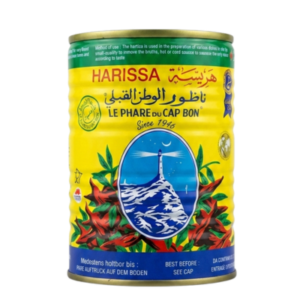 Best harissaLe Phare du Cap Bon Harissa
Classic Tunisian chili paste for stirring into every bowl.
Shop now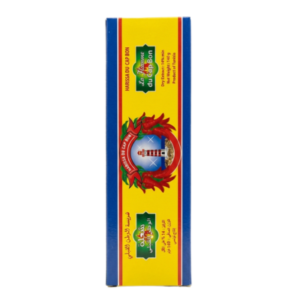 Easy squeezeCap Bon Harissa Tube 140g
A handy tube for the table so everyone sets their own heat.
Shop now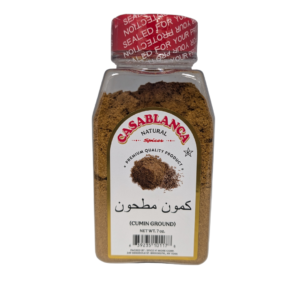
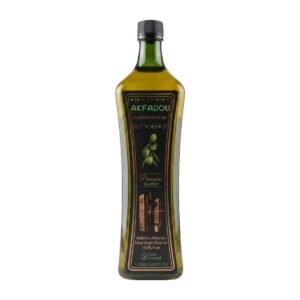 Best finishing oilAkfadou Extra Virgin Olive Oil
Fruity North African oil for a generous final drizzle.
Shop now
Prefer a Moroccan oil? Try Mina extra virgin olive oil, browse all cooking oils, and see our shipping policy for delivery times.
Lablabi FAQs
What is lablabi made of?
Lablabi is made of chickpeas simmered in a thin broth flavored with garlic and cumin, served over pieces of stale bread. It is usually topped with harissa, olive oil and an egg, and often with tuna, capers, olives and lemon.
Is lablabi a soup or a stew?
It sits in between. The chickpeas are served in plenty of thin broth like a soup, but the soaked bread and toppings make it thick and hearty enough to eat as a full meal.
When do Tunisians eat lablabi?
It started as a winter breakfast for workers, and many people still eat it in the morning. Today it is eaten at any time of day and all year, including as a popular late-night meal.
Can I make lablabi with canned chickpeas?
Yes. Use three 15-ounce cans with their liquid plus about 4 cups of water, and simmer with garlic for 25 to 30 minutes so the chickpeas soften further before seasoning.
What bread is best for lablabi?
Day-old baguette or another crusty white loaf is traditional. It soaks up the broth without falling apart. If your bread is fresh, dry the pieces in a low oven for a few minutes first.
Is lablabi spicy?
The broth itself is mild and garlicky. The heat comes from harissa added at the table, so each person can make their bowl as mild or as fiery as they like.
How long does lablabi keep in the fridge?
Store the chickpeas and broth without bread or toppings in airtight containers for up to 4 days in the refrigerator, or freeze them for about 3 months. Reheat to a full simmer before serving.
Further reading: Lablabi (Wikipedia) · Milk Street: The best soup in the world · Harvard Health: Pulse power
Cook Your First Bowl This Weekend
Harissa, cumin, olive oil and Tunisian pantry staples for an authentic Tunisian breakfast, delivered to your door anywhere in the USA.
Shop Tunisian Products Shop All Products