Kefta Tagine with Eggs Moroccan Meatballs in Tomato Sauce
Learn how to make tender spiced meatballs, a rich tomato sauce and perfectly set eggs in one pot, with or without a clay tagine.
Kefta tagine is a Moroccan dish of small spiced meatballs simmered in a garlicky tomato sauce, usually finished with eggs cracked right into the pot. Mix ground beef or lamb with onion, herbs, cumin and paprika, roll small balls, and poach them in a cumin and paprika tomato sauce for about 15 to 20 minutes. Add the eggs, cover until the whites set, and scoop it all up with warm bread.
Your Complete Kefta Tagine Guide
If you only learn one Moroccan meatball dish, make it kefta tagine. It is fast enough for a weeknight, cheap to cook, and it brings the whole table together around one pot. Families in Morocco often serve kefta tagine for lunch or a casual dinner, and most people eat it with bread instead of forks.
This guide explains what makes the dish work, the spice mix that gives it its flavor, a tested step-by-step recipe, and the most common mistakes. You can build almost the entire spice rack from our Moroccan spices collection, and the rest comes from any US supermarket.
Kefta Tagine at a Glance
What Is Kefta Tagine?
Kefta is the Moroccan name for seasoned ground meat. The word belongs to a large family that includes kofta, köfte and kufta. According to the Wikipedia entry on kofta, these names trace back to a Persian word meaning pounded meat, and versions are cooked from Iran to Morocco.
A tagine is both a stew and the clay pot it cooks in. The pot has a wide, shallow base and a tall cone-shaped lid that sends condensation back down into the food, as the Britannica entry on tagine describes.
Put the two together and you get kefta tagine: little meatballs poached in a tomato sauce inside that pot. In some Moroccan homes it is called kefta mkaouara, which roughly means rolled into balls. The eggs are optional, but most cooks add them because they turn a simple sauce into a full meal.
How kefta tagine differs from other tagines
Classic lamb or chicken tagines cook for an hour or more so tough cuts can soften. Ground meat needs far less time, which is why kefta tagine is one of the quickest dishes in the Moroccan repertoire. The sauce is also tomato-based rather than built on onions, saffron and ginger.
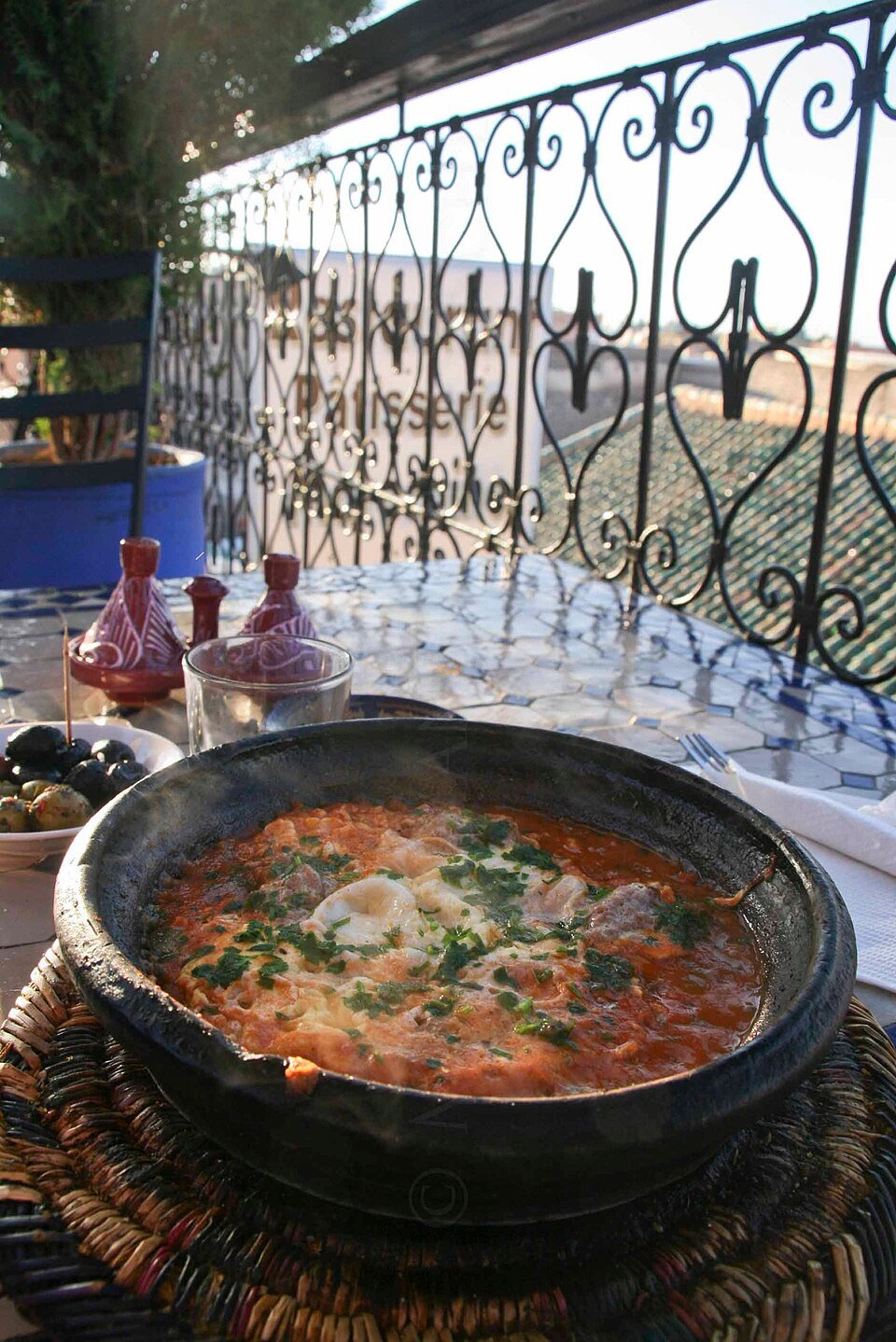

Meat, Herbs and Spices for Kefta Tagine
The kefta mixture is the heart of the dish, and it is the same mix Moroccans grill on skewers. Get it right and the meatballs stay juicy even after simmering.
The meat
Ground beef is the most common choice in the US, and lamb gives a richer, more traditional flavor. A 50/50 mix is a great middle ground. Choose meat with around 15 to 20 percent fat; very lean meat turns dry and crumbly in the sauce.
The herbs and onion
Finely grated or minced onion adds moisture, and a generous handful of chopped flat-leaf parsley and cilantro adds freshness. Squeeze grated onion lightly so the mixture does not get too wet to roll.
The spices
Cumin and sweet paprika lead, with black pepper, salt and a little heat. Some cooks add a pinch of cinnamon or ras el hanout. If you prefer one jar, a ready kefta blend such as Casablanca Kafta Spices covers the basics.
Kefta tagine spice guide
| Spice | In the meatballs | In the sauce | Why it matters |
|---|---|---|---|
| Ground cumin | 1 tsp | 1 tsp | Warm, earthy backbone of the dish |
| Sweet paprika | 1 tsp | 1 tsp | Color and gentle sweetness |
| Black pepper | 1/2 tsp | 1/4 tsp | Mild bite; grind it fresh |
| Cayenne | Pinch | 1/4 tsp | Heat; adjust to taste |
| Ras el hanout | 1/4 tsp (optional) | None | Floral, complex warmth |
| Sea salt | 3/4 tsp | 1/2 tsp | Seasons the meat all the way through |
How to Make Kefta Tagine Step by Step
This kefta tagine recipe serves 4 and fits a 10 to 12 inch clay tagine or a wide skillet with a lid. Hands-on time is about 25 minutes.
For the kefta
- 1 lb (450 g) ground beef, lamb or a mix (15 to 20 percent fat)
- 1 small onion, finely grated and lightly squeezed
- 3 tbsp chopped parsley and 2 tbsp chopped cilantro
- 1 tsp ground cumin and 1 tsp sweet paprika
- 1/2 tsp black pepper, 3/4 tsp salt, pinch of cayenne
For the sauce and finish
- 3 tbsp olive oil
- 1 small onion, finely chopped, and 3 garlic cloves, minced
- 1 can (28 oz) crushed tomatoes, or 2 lb ripe tomatoes, grated
- 1 tbsp tomato paste
- 1 tsp cumin, 1 tsp paprika, 1/4 tsp cayenne, 1/2 tsp salt
- 1/2 cup water, plus more as needed
- 4 to 6 large eggs
- Extra parsley and cilantro to finish
Method
- Mix the kefta. Combine the meat, grated onion, herbs and spices in a bowl. Knead with your hands for 1 to 2 minutes until the mixture feels slightly sticky, which helps the balls hold together.
- Roll small balls. Wet your hands and roll balls about the size of a large cherry or walnut, around 1 inch across. You should get 25 to 35. Chill them while you make the sauce.
- Start the sauce. Warm the olive oil over medium heat. Cook the chopped onion for 4 to 5 minutes until soft, then add the garlic and spices and stir for 30 seconds.
- Simmer the tomatoes. Add the tomatoes, tomato paste, salt and water. Cover and simmer for 15 minutes, stirring now and then, until the sauce thickens slightly.
- Poach the meatballs. Nestle the kefta into the sauce in one layer. Cover and cook at a gentle simmer for 15 to 20 minutes, turning them once. Add a splash of water if the sauce gets too thick.
- Add the eggs. Make small wells between the meatballs and crack in the eggs. Season them with a pinch of salt and cumin.
- Cover and serve. Cover for 5 to 8 minutes, until the whites are set and the yolks are as firm as you like. Scatter fresh herbs over the top and serve straight from the pot.
8 Tips for a Better Kefta Tagine
Most kefta tagine problems come down to dry meat, a watery sauce or overcooked eggs. These habits fix all three.
Do not buy extra-lean
Fat keeps meatballs tender during simmering. Ninety-five percent lean beef often turns grainy.
Knead, then rest
A short knead and 15 minutes in the fridge give firm balls that will not fall apart in the sauce.
Keep the balls small
Small meatballs cook through evenly and soak up more sauce. Large ones can stay pink inside while the outside toughens.
Cook the tomatoes first
Raw tomato tastes sharp. Fifteen minutes of simmering before the meat goes in rounds out the flavor.
Simmer, never boil
A hard boil tightens the meat and splits the sauce. Look for lazy bubbles at the edges.
Skip it or keep it brief
Traditional kefta tagine poaches raw meatballs. If you like a deeper flavor, sear them for 2 minutes first.
Crack eggs into a cup first
It keeps shells out of the sauce and lets you slide each egg into its own well neatly.
Taste before the eggs go in
Adjust salt, heat and sweetness now. A pinch of sugar helps if your tomatoes are very acidic.
Kefta Tagine Without a Tagine: Skillet, Dutch Oven or Oven
A clay tagine is lovely, but you do not need one. The dish is a gentle simmer in a covered, shallow pan, and plenty of Moroccan home cooks use a regular pot. Here is how the common options compare.
| Cookware | Heat source | Pros | Watch out for |
|---|---|---|---|
| Clay or ceramic tagine | Low to medium, with a heat diffuser on gas or electric | Beautiful to serve; lid keeps sauce moist | Never put a cold pot on high heat; check that yours is stovetop-safe |
| Wide skillet with lid | Medium-low | Fast, easy and common in US kitchens | Sauce reduces faster; add water as needed |
| Cast-iron pan | Medium-low | Even heat and a rustic look at the table | Long tomato contact can dull bare iron; enameled is ideal |
| Dutch oven | Stovetop or 350°F oven | Holds a double batch | Deep pot means eggs take longer to set |
| Oven-safe dish | 375°F oven for the egg step | Hands-off finish | Cover with foil so the eggs do not dry out |
Our store does not sell tagine pots, so if you would like the traditional look, a specialty kitchen shop is the place to find one. Whatever you use, the spices and the method matter much more than the vessel.
Regional Twists on Kefta Tagine
Ground meat dishes cooked in sauce are loved across North Africa. Each country, and often each city, has its own style.
Classic tomato and egg
The everyday version in this guide, built on tomato, cumin and paprika with eggs on top. Rabat is also known for kefta hrech, a ground beef tagine with a golden sauce.
Meatballs with olives
Algerian cooks often add meatballs to tajine zitoune, a chicken and olive dish, and to soups and couscous.
Kefta with egg and potatoes
In Tunisia, kefta patties can be served with fried potatoes and an egg, and harissa is never far away.


Easy ways to change your kefta tagine
Harissa kefta tagine
Stir 1 to 2 teaspoons of harissa into the sauce. Read our harissa guide to choose your heat level.
Add olives
A handful of green olives in the last 10 minutes adds a salty, tangy note.
Chicken or turkey kefta
Use dark-meat ground poultry and add a spoon of olive oil to the mix so it stays moist.
With potatoes
Add thin potato slices to the sauce 15 minutes before the meatballs so they turn tender.
Melted cheese finish
A modern touch: scatter grated cheese over the eggs before covering the pot.
Extra green
Use more cilantro in the sauce. Dried cilantro leaves work when fresh bunches run out.
Serving, Storing and Food Safety
Kefta tagine is a shared dish. Set the pot in the middle of the table and give everyone a piece of bread to scoop with. Round Moroccan khobz is traditional, but any crusty loaf or pita works.
What to serve with kefta tagine
- Warm bread for scooping up sauce and egg
- A simple tomato and cucumber salad or marinated carrots
- Olives and pickled vegetables
- A pot of mint tea to finish the meal
Food safety basics
Ground meat is cooked through when it reaches 160°F (71°C), and egg dishes should reach the same temperature, according to the FoodSafety.gov temperature chart. Cut a meatball open or use a thermometer if you are unsure. The same chart lists 165°F for reheated leftovers.

| Make-ahead step | How to store | How long |
|---|---|---|
| Raw kefta balls | Covered tray in the fridge | Up to 1 day |
| Raw kefta balls | Freeze on a tray, then bag | About 3 months for best quality |
| Sauce with meatballs (no eggs) | Airtight container, fridge | 3 to 4 days |
| Finished dish with eggs | Fridge, eaten soon | Best within 1 to 2 days |
For the best leftovers, store the sauce and meatballs without eggs. Reheat until bubbling, then add fresh eggs. Frozen raw kefta can go straight into simmering sauce; just add 5 to 10 minutes to the cooking time and check that the centers are fully cooked.
Best Kefta Tagine Essentials to Buy in the USA
The spices, tomato and oil that give kefta tagine its authentic Moroccan flavor, shipped to all 50 states.
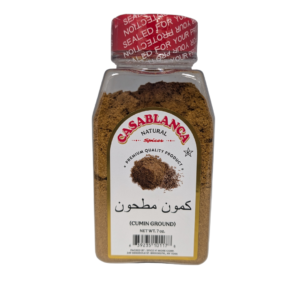 Must-have spiceCasablanca Ground Cumin
The warm, earthy spice in both the meat and the sauce.
Shop now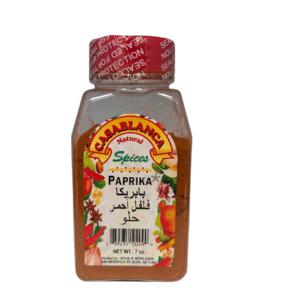
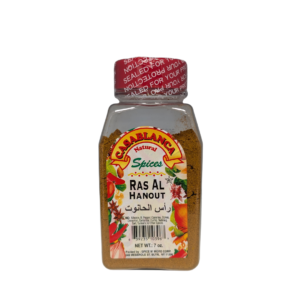


Want more choice? Browse our cooking oils, add ground coriander for a citrusy note, and check our shipping policy for delivery times.
Kefta Tagine FAQs
What is kefta tagine made of?
Kefta tagine is made of small meatballs of ground beef or lamb seasoned with onion, parsley, cilantro, cumin, paprika and pepper. They simmer in a tomato sauce with garlic and olive oil, and eggs are usually cooked in the sauce at the end.
Can I make kefta tagine without a tagine pot?
Yes. A wide skillet or shallow pan with a tight lid works very well. Keep the heat medium-low and add a splash of water if the sauce thickens too much before the meatballs are cooked.
Should I brown the meatballs first?
It is not necessary. The traditional method poaches raw meatballs in the sauce, which keeps them soft. Searing them for a couple of minutes first adds a deeper, roasted flavor if you prefer it.
How do I keep the meatballs from falling apart?
Use meat with some fat, squeeze the grated onion so the mix is not too wet, knead for a minute or two and chill the balls before cooking. Once they are in the sauce, keep it at a gentle simmer and turn them carefully.
Is kefta tagine spicy?
It is usually warm and mildly spicy rather than hot. The heat comes from cayenne or chili, so you can leave it out for children or add harissa for a fiery version.
Can I freeze kefta tagine?
The meatballs and sauce freeze well without the eggs. Cool, pack airtight and freeze, then thaw in the fridge, reheat until bubbling and cook fresh eggs on top. Eggs that were already cooked do not freeze well.
What do you eat with kefta tagine?
Bread is the classic partner, used to scoop up the sauce and eggs. Simple salads, olives and a pot of mint tea complete the meal. Some families also serve it with fries or rice.
Further reading: Kofta (Wikipedia) · Tagine (Britannica) · Safe minimum internal temperatures (FoodSafety.gov)
Cook Kefta Tagine Tonight
Authentic Moroccan cumin, paprika, ras el hanout and olive oil, delivered to your door anywhere in the USA.
Shop Moroccan Spices Shop All Products