Extra Virgin vs Virgin Olive Oil What the Grades Really Mean
Learn how extra virgin and virgin olive oil differ in acidity, taste and price, which one to use for salads, tagines and frying, and how to read a label before you buy.
In the extra virgin vs virgin olive oil comparison, both are unrefined oils pressed from olives by mechanical means only; the difference is quality. Extra virgin must have free acidity of no more than 0.8% and no taste defects, while virgin may have up to 2.0% acidity and slight defects. Use extra virgin raw and for gentle cooking, and virgin as a good-value everyday cooking oil.
Your Complete Olive Oil Grade Guide
Stand in front of any olive oil shelf and the labels start to blur: extra virgin, virgin, pure, light, classic. The extra virgin vs virgin olive oil question is the one that matters most, because these are the only two grades sold in stores that are made without refining.
Both come straight from crushed olives. Neither is treated with heat or chemicals to fix flavor. What separates them is a set of lab tests and a tasting panel, and that difference shows up in the bottle as aroma, freshness and price.
This guide explains the official grades, how each oil tastes, which one to use in North African cooking and how to pick a good bottle. Our cooking oils collection carries both grades from Morocco and Algeria, so you can taste the difference for yourself.
Extra Virgin vs Virgin Olive Oil at a Glance
Extra Virgin vs Virgin Olive Oil: The Real Difference
To understand extra virgin vs virgin olive oil, start with the word “virgin.” It means the oil was extracted only by mechanical or physical means, such as crushing, mixing and pressing or spinning, under conditions that do not alter the oil. Nothing is added and nothing is refined out. Both extra virgin and virgin olive oil meet that rule.
The split comes after extraction, when the oil is graded. Two checks matter most:
- Free acidity. This is not sourness you can taste. It measures how much fat has broken down into free fatty acids, which rises when olives are bruised, overripe, stored too long or processed slowly.
- Sensory panel. Trained tasters score the oil for positive notes (fruity, bitter, pungent) and for defects such as rancid, musty, fusty or winey.
An extra virgin oil must pass both checks with top marks: low acidity, a fruity taste and no defects at all. A virgin oil is still sound and edible, but it shows a little more wear: a bit more acidity or a faint flaw that a tasting panel can detect.
Official Olive Oil Grades from Best to Lowest
The extra virgin vs virgin olive oil line is drawn by official standards. The International Olive Council (IOC) sets the global trade standard, and the US Department of Agriculture published voluntary US grades in 2010 that closely follow it.
| Grade | Refined? | Free acidity limit | Taste standard | Sold for eating? |
|---|---|---|---|---|
| Extra virgin | No | 0.8 g per 100 g | Fruity, zero defects | Yes |
| Virgin | No | 2.0 g per 100 g | Fruity, slight defects allowed | Yes |
| Ordinary virgin (IOC only) | No | 3.3 g per 100 g | Lower quality | Rare in US stores |
| Lampante virgin | No | Above the virgin limits | Poor flavor and odor | No, must be refined |
| Refined olive oil | Yes | 0.3 g per 100 g | Flavorless, odorless | Usually blended |
| “Olive oil” (pure, light) | Blend | 1.0 g per 100 g | Mild | Yes |
| Olive pomace oil | Yes | 1.0 g per 100 g (blend) | Neutral | Yes, labeled as pomace |
Under the USDA olive oil grade standards, US Extra Virgin needs a median defect score of zero and fruitiness above zero, while US Virgin may have a median defect score above zero up to 2.5. The International Olive Council uses the same 0.8% and 2% acidity ceilings for the two top grades.
Why “light” olive oil is not a lighter oil
Words like pure, classic, mild and light describe a blend of refined olive oil with a little virgin oil added for flavor. “Light” refers to color and taste, not calories. A tablespoon of any olive oil has about the same calories.
How Extra Virgin and Virgin Olive Oil Are Made
Every bottle of extra virgin vs virgin olive oil starts the same way. Olives are picked, cleaned and crushed into a paste, either with traditional stone wheels or modern steel mills.
The paste is then slowly mixed (malaxed) for roughly 20 to 30 minutes so tiny droplets of oil join together. Finally the oil is separated from water and solids by a press or, in most modern mills, a centrifuge. Some oils are filtered; others are left cloudy.
Where quality is won or lost
- Fruit condition: healthy, unbruised olives give low acidity.
- Speed: olives milled within hours of picking stay fresh; olives left in piles for days start to ferment.
- Temperature: cool processing protects aroma. The Wikipedia olive oil article notes that “cold pressed” generally means the paste stayed below about 27°C (81°F).
- Clean equipment: dirty mills and storage tanks cause off flavors.


Is there a “first press” anymore?
Not really. Labels that say “first cold pressed” are mostly tradition. Modern virgin oils come from a single extraction, so there is no second press of virgin oil to compare against.
Same method, different result
Because the method is shared, a mill can produce extra virgin oil from its best, freshest fruit and virgin oil from olives that waited longer or were picked off the ground. That is why the extra virgin vs virgin olive oil grade is decided by testing, not by the machine.
Extra Virgin vs Virgin Olive Oil Taste and Quality
Put the two side by side and most people notice the difference in the first sip. Here is what to expect from each grade and from refined blends.
Extra virgin
Fresh and fruity, like cut grass, green apple, artichoke or ripe olive. Good ones have a bitter edge and a peppery tickle in the throat, signs of natural polyphenols.
Virgin
Rounder, milder and often more “olivey,” sometimes with a faint rustic or slightly overripe note. Pleasant in cooked food, less vivid raw.
“Pure” or “light”
Very mild to almost neutral. Useful when you do not want olive flavor, but most of the aroma and many natural compounds are lost in refining.
Not stocked by us
How to taste extra virgin vs virgin olive oil at home
- Pour about a tablespoon into a small glass and cover it with your hand.
- Warm the glass in your palm for a minute, then uncover and smell.
- Sip a little, draw in some air and let it coat your mouth.
- Notice fruitiness first, then bitterness on the tongue and pepper in the throat.
- Watch for flaws: crayon or stale nut smell (rancid), vinegar (winey) or damp cellar (musty).
Rinse with water and a plain piece of bread between oils. Tasting an extra virgin vs virgin olive oil pair this way is the fastest way to train your palate.

Extra Virgin vs Virgin Olive Oil for Cooking
In the kitchen, extra virgin vs virgin olive oil is mostly about value. You can cook with both. The smart move is to spend your best oil where you can taste it and use the more affordable grade where heat and spices take over.
| Use | Best choice | Why |
|---|---|---|
| Salads, dips, drizzling | Extra virgin | Raw use shows off fresh, fruity flavor |
| Bread dipping, breakfast plates | Extra virgin | The oil is the star next to olives and bread |
| Zaalouk, taktouka, cooked salads | Either; finish with extra virgin | Cook with virgin, add a fresh drizzle at the end |
| Tagines and stews | Virgin | Long simmering with spices mutes delicate notes |
| Sautéing onions and vegetables | Virgin or extra virgin | Both handle medium heat well |
| Shallow frying | Virgin | Good value in larger quantities |
| Baking and pastry doughs | Virgin or mild extra virgin | Choose by how much olive flavor you want |
Extra virgin vs virgin olive oil for frying
You can fry with either grade at normal home temperatures. Published smoke point figures for extra virgin oil vary widely, often around 190 to 215°C (about 375 to 420°F), depending on the oil’s freshness and acidity. Most pan frying and sautéing happens below that range.
Lower acidity generally helps an oil resist breaking down, so a fresh extra virgin oil can be surprisingly stable. Still, deep frying in large volumes is expensive with extra virgin oil, which is why many cooks keep a virgin oil or a neutral oil for that job.
A North African rule of thumb
Start your tagine with virgin olive oil, then pour a spoonful of extra virgin over the finished dish or over a bowl of bissara. You get value and flavor from the same meal.

Nutrition and Health Notes
General information only, not medical advice. Nutritionally, extra virgin vs virgin olive oil is a close match: they have nearly the same fat profile and calories, roughly 120 calories per tablespoon, with monounsaturated oleic acid as the main fat. The big nutritional difference is in minor compounds.
Unrefined oils keep natural polyphenols such as hydroxytyrosol and oleocanthal, which give olive oil its bitterness and peppery bite. Virgin grades contain the most of these compounds, and fresher, higher-quality extra virgin oils tend to keep more of them than older or lower-grade oils. Refining removes much of them.
In the US, the FDA allows a qualified health claim that limited and not conclusive scientific evidence suggests eating about 2 tablespoons (23 g) of olive oil daily may reduce the risk of coronary heart disease, as long as it replaces a similar amount of saturated fat and does not raise total daily calories. Olive oil is still calorie-dense, so it works best as a replacement, not an addition. If you have a medical condition, ask your doctor or a registered dietitian about your diet.
| Question | Extra virgin | Virgin |
|---|---|---|
| Calories per tbsp | About 120 | About 120 |
| Main fat | Oleic acid | Oleic acid |
| Polyphenols | Usually higher when fresh | Present, often somewhat lower |
| Refined? | No | No |
How to Read an Olive Oil Label Before You Buy
A label cannot prove quality, but it gives useful clues. These checks help whether you are comparing extra virgin vs virgin olive oil or two bottles of the same grade.
Look for the exact grade
“Extra virgin” or “virgin” means unrefined. “Pure,” “light” or plain “olive oil” means a refined blend.
Check harvest or best-by date
Many producers suggest using olive oil within about 18 to 24 months of bottling. Fresher is always better.
Find the real origin
“Packed in” or “imported from” is not the same as “product of.” Look for where the olives were grown.
Choose dark glass or tins
Light and heat damage oil. Dark bottles and metal tins protect it better than clear plastic.
Read “cold pressed” carefully
It signals low-temperature processing, but there is no single international definition, so treat it as a bonus, not proof.
Buy what you will use
A 2 L bottle is great for a family that cooks daily. For occasional drizzling, a 1 L bottle stays fresher.
Be wary of very cheap EVOO
Good extra virgin oil costs more to produce. A price far below others in the same size can be a warning sign.
Trust your nose
At home, a rancid or flat smell means the oil has aged, whatever the label says.
Olive Oil in North African Kitchens
Olive trees have grown across Morocco, Algeria and Tunisia for thousands of years, and olive oil sits at the center of the North African table. It is poured over bissara and harira-style soups, mixed into cooked salads, used to fry msemen and served in a small bowl with bread and olives at breakfast.
Many families settle the extra virgin vs virgin olive oil question by buying both grades. A fresh extra virgin oil from the new harvest is saved for the table, and a larger bottle of virgin oil handles daily cooking. In the autumn and winter harvest season, local mills in olive regions are busy with families pressing their own fruit.
You will find oils from both countries in our Moroccan cooking oils and Algerian cooking oils sections. A classic pairing is olive oil with spicy harissa and bread.

Bissara
Fava bean soup finished with a generous swirl of olive oil, cumin and paprika.
Zaalouk and taktouka
Cooked eggplant and pepper salads that rely on olive oil for body and shine.
How to Store Olive Oil So It Stays Fresh
Whichever side of the extra virgin vs virgin olive oil choice you land on, storage decides how long it tastes good. Oxygen, light and heat are the three enemies.
- Keep bottles closed tightly, in a cool, dark cupboard away from the stove and oven.
- Decant a small amount into a dark cruet for daily use and keep the big bottle sealed.
- Use an opened bottle within about two to three months for the best flavor.
- The fridge is optional. Oil may turn cloudy or solid when cold; it clears again at room temperature and is not harmed.
- Do not pour used frying oil back into fresh oil.
Best Extra Virgin and Virgin Olive Oils to Buy in the USA
Three extra virgin and three virgin oils from Morocco and Algeria, so you can run your own extra virgin vs virgin olive oil taste test at home.
 Extra virgin, MoroccoMina Extra Virgin 1L
A Moroccan extra virgin oil for salads and finishing.
Shop now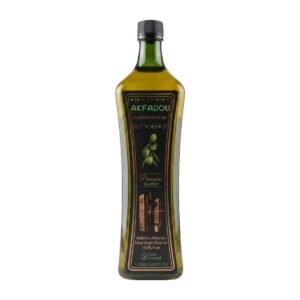 Extra virgin, AlgeriaAkfadou Extra Virgin 1L
Cold pressed Algerian oil for dipping and drizzling.
Shop now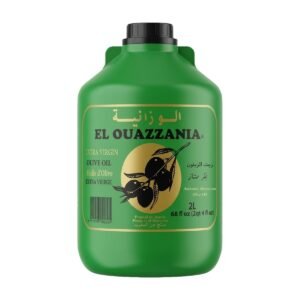 Extra virgin, big bottleEl Ouazzania Extra Virgin 2L
A family size for households that use EVOO daily.
Shop now
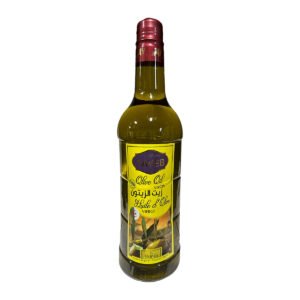
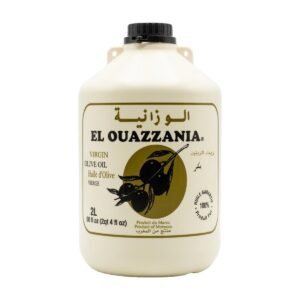 Virgin, best value sizeEl Ouazzania Virgin 2L
A large bottle for frying, stews and batch cooking.
Shop nowMore choices include Mabrouka and Masa virgin oils. See our shipping policy for delivery times.
Extra Virgin vs Virgin Olive Oil FAQs
What is the main difference in extra virgin vs virgin olive oil?
Both are unrefined and made only by mechanical extraction. Extra virgin must have free acidity of 0.8% or less and no taste defects, while virgin can have up to 2.0% acidity and slight defects. Extra virgin usually tastes fresher and fruitier.
Extra virgin vs virgin olive oil: is virgin still good quality?
Yes. Virgin olive oil is an unrefined, edible grade with good flavor. It is simply a step below extra virgin in the official tests, which makes it a sensible, affordable choice for everyday cooking.
Does extra virgin vs virgin olive oil matter for cooking?
Less than people think. Extra virgin olive oil works well for sautéing, roasting and pan frying at normal home temperatures. Many cooks save it for raw use and finishing only because it costs more, not because it is unsafe to heat.
Extra virgin vs virgin olive oil: which is healthier?
They have nearly the same fats and calories. Fresh extra virgin oil often keeps more natural polyphenols, but both are unrefined. This is general information, not medical advice.
What does acidity mean on olive oil?
Free acidity measures how much of the oil’s fat has broken down into free fatty acids. It is not a sour taste. Low acidity points to healthy olives that were handled and milled quickly.
Is pure or light olive oil the same as virgin olive oil?
No. Pure, light and classic olive oils are blends of refined olive oil with some virgin oil. They are milder and lighter in color, but they have the same calories as other olive oils.
How long does olive oil last after opening?
For the best flavor, use an opened bottle within about two to three months. Keep it tightly closed in a cool, dark place away from the stove.
Further reading: USDA olive oil grade standards · International Olive Council · Olive oil (Wikipedia)
Taste the Difference at Home
Settle the extra virgin vs virgin olive oil question with your own taste test: Moroccan and Algerian oils, shipped to your door anywhere in the USA.
Shop Cooking Oils Shop All Products