Cumin Seeds Uses, Benefits and How to Cook With Them
Everything you need to know about whole cumin: its flavor and history, how to toast and grind it, the North African dishes that depend on it, nutrition notes and smart storage.
Cumin seeds are the small, ridged dried fruits of Cuminum cyminum, a plant in the parsley family, prized for their warm, earthy and slightly smoky flavor. Use them whole by toasting in a dry pan or blooming in hot oil, or grind them fresh for rubs, soups, tagines and salads. They are a pillar of North African, Middle Eastern, Indian and Latin American cooking, and a teaspoon also adds a little iron to your meal.
Your Complete Kamoun Guide
Walk into almost any kitchen from Marrakesh to Mexico City and you will find a jar of cumin seeds. In Arabic the spice is called kamoun, and in Morocco it is so loved that it often sits on the table next to the salt, ready to sprinkle on eggs, grilled meat or a bowl of bean soup.
This guide explains what cumin seeds are, how they differ from caraway and black seed, and how to get the most flavor from them. You will find step-by-step toasting and blooming methods, eight classic uses, a simple cumin salt recipe and buying tips for our Moroccan spices range.
Cumin Seeds at a Glance
What Are Cumin Seeds?
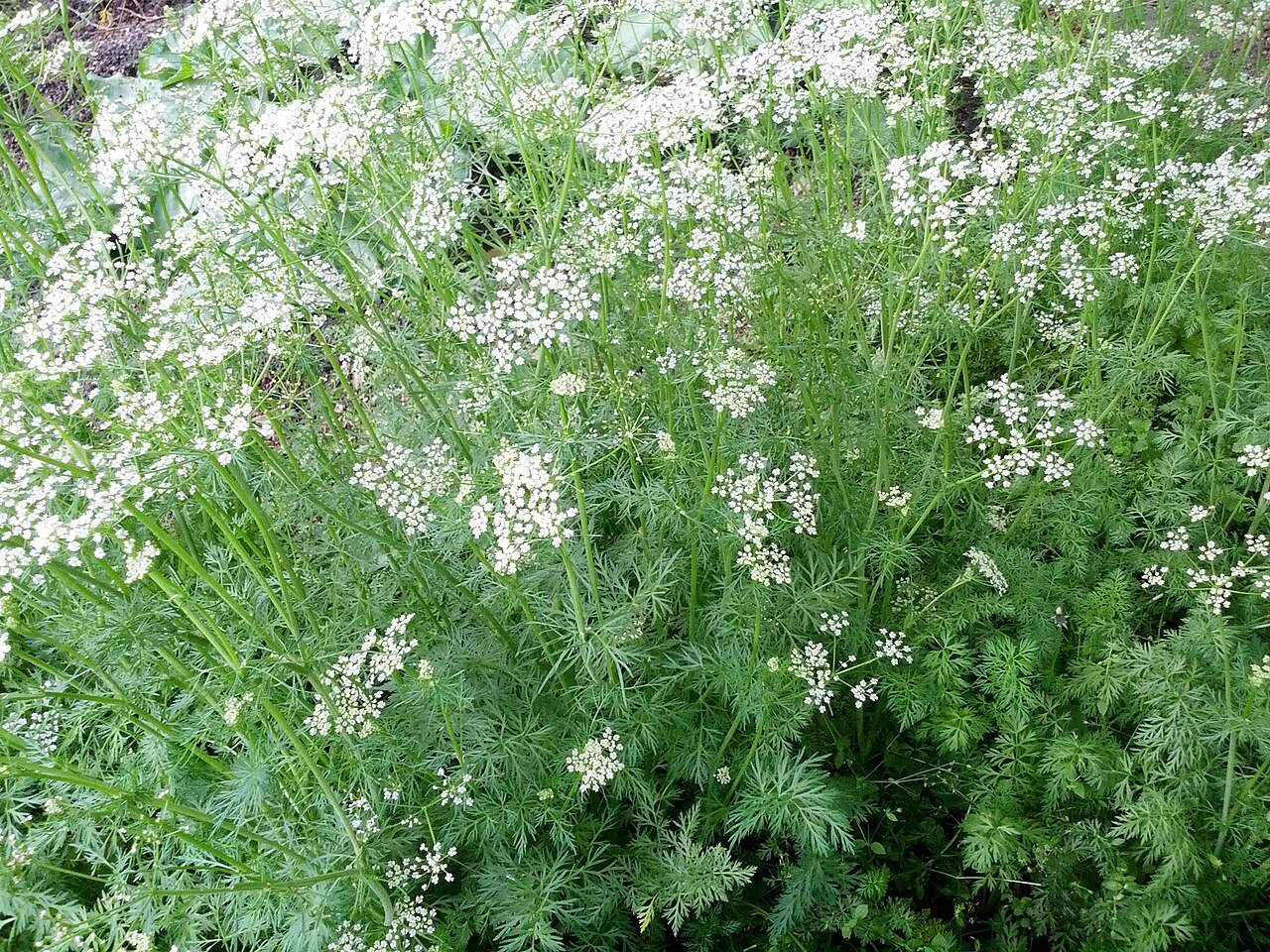
Cumin is a small annual herb, usually 30 to 50 cm tall, with thread-like leaves and tiny white or pink flowers arranged in umbrella-shaped clusters. It belongs to the same family as parsley, carrots, coriander and fennel.
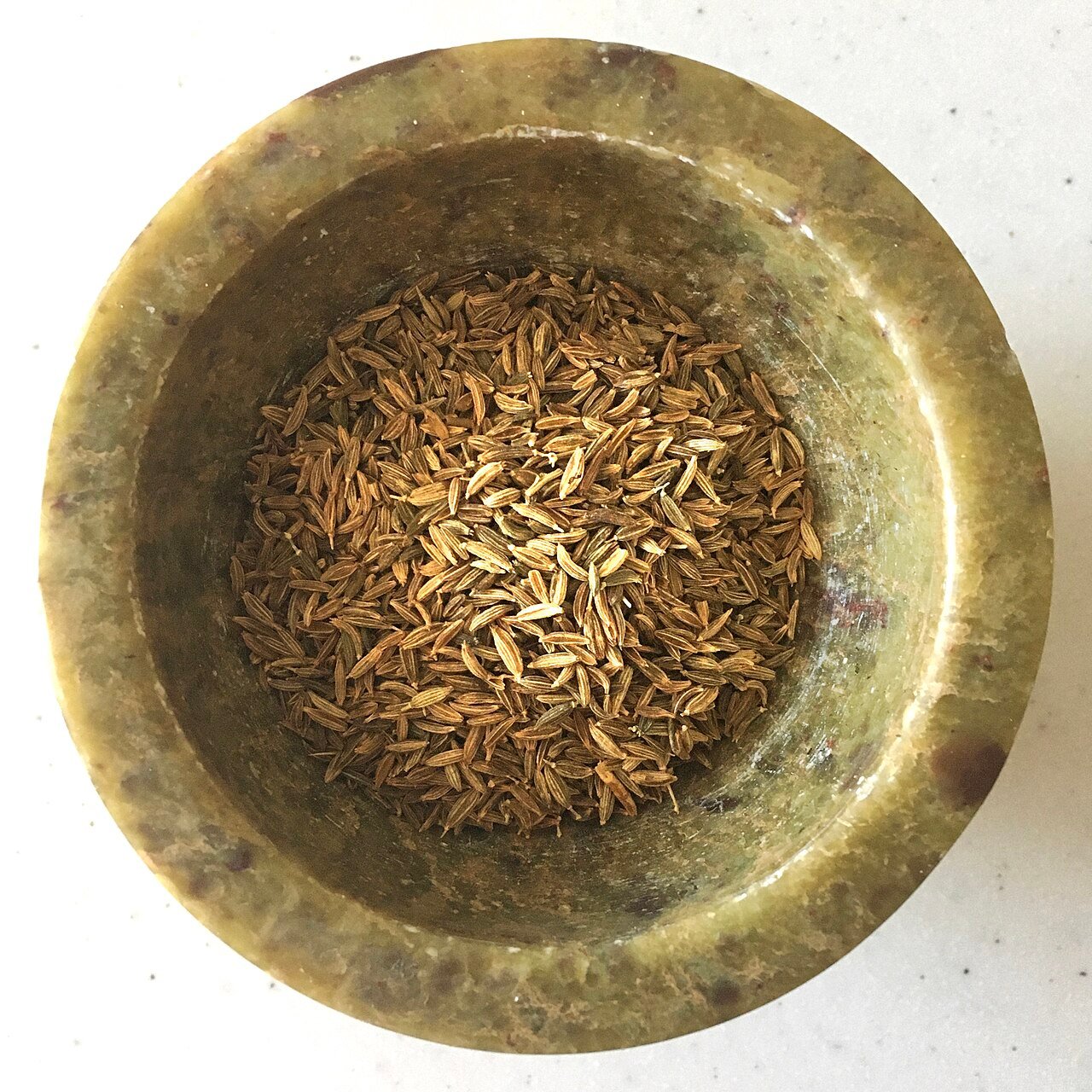
What we call cumin seeds are technically dried fruits. Each one is a slim, oblong capsule about 4 to 6 mm long, yellow-brown in color, with fine ridges running along its length. Inside are tiny oil canals that hold the aromatic essential oil.
According to Encyclopaedia Britannica, the fruits contain roughly 2.5 to 4.5 percent essential oil. Its main component, cuminaldehyde, gives cumin its unmistakable warm, musky smell.
Where cumin grows
The plant needs a long, hot, frost-free season of around 120 days. India is by far the largest producer, followed by Syria, Turkey and Iran, and cumin is also grown in North Africa, Mexico, Chile and China.


A Spice With Ancient Roots
Cumin is one of the oldest spices people have used. Wild seeds were found at Atlit-Yam, a submerged village off the coast of Israel dated to the early 6th millennium BC. Seeds also turn up in several New Kingdom sites in Egypt, where cumin flavored food and was used in mummification.
The Minoans recorded cumin in their palace inventories, and the Romans used it generously. The ancient Greeks kept it on the dining table in its own little container, a habit that still lives on in Moroccan homes and cafes today.
The English word traces back through Latin and Greek to a Semitic root shared with Hebrew kammon and Arabic kamoun. Spanish and Portuguese colonists later carried cumin to the Americas, which is why it is now central to Mexican and Tex-Mex cooking. You can read more in the Wikipedia cumin article.
Cumin Seeds vs Caraway vs Black Seed
Several spices look alike or share names, and recipes can be confusing. Cumin is most often mistaken for caraway, its cousin in the parsley family. “Black cumin” can mean three different plants, including nigella, which is not related to cumin at all.
| Spice | Plant | Look | Flavor | Typical use |
|---|---|---|---|---|
| Cumin seeds | Cuminum cyminum | Straight, pale brown, ridged | Warm, earthy, musky | Tagines, rubs, soups, curries |
| Caraway seeds | Carum carvi | Darker, curved, thinner | Sweeter, anise-like | Rye bread, harissa, Tunisian tabil |
| Fennel seeds | Foeniculum vulgare | Larger, greenish | Sweet licorice | Breads, sausages, tea |
| Nigella (black seed) | Nigella sativa | Small, jet black, angular | Peppery, onion-like | Breads, cheese, pastries |
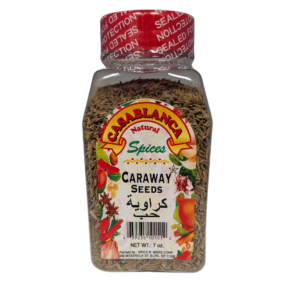
If a North African recipe asks for karwiya, it means caraway, which you can find as Casablanca caraway seeds. Kamoun is cumin. Swapping one for the other changes the dish noticeably, so it is worth keeping both in the pantry.
Whole Cumin Seeds or Ground Cumin?
Both forms come from the same seed, but they behave differently in the kitchen. Whole cumin seeds keep their essential oil sealed inside, so they last longer and release flavor slowly. Ground cumin delivers flavor instantly but fades faster once opened.
When to use whole seeds
- Blooming in oil at the start of a dish
- Toasting and sprinkling over salads, rice or yogurt
- Pickles, breads and slow-cooked stews
- Grinding fresh for the best aroma
When ground cumin is easier
- Dry rubs, kefta and marinades
- Soups like harira and bean dishes
- Spice blends such as ras el hanout and chermoula
Keep a jar of whole cumin seeds for toasting and a jar of ground cumin for quick weeknight cooking.
Conversion: as a rule of thumb, 1 teaspoon of whole seeds gives a little over 1 teaspoon once ground. Freshly ground cumin is stronger, so start with a bit less.
How to Toast and Bloom Cumin Seeds
Heat is what unlocks cumin. These two methods take less than five minutes and make a dramatic difference to flavor.
Dry toasting
- Heat the pan. Warm a dry skillet over medium heat for about a minute.
- Add the seeds. Spread 1 to 3 tablespoons of cumin seeds in a single layer.
- Keep them moving. Shake the pan or stir for 1 to 3 minutes.
- Watch for color. Stop when the seeds turn a shade darker and smell nutty.
- Cool fast. Tip them onto a plate right away so they do not keep cooking.
- Grind or use whole. Grind in a mortar or spice grinder once cool.
Blooming in oil
- Heat the fat. Warm 1 to 2 tablespoons of olive oil or butter over medium heat.
- Test it. Drop in one seed; it should sizzle gently, not burn.
- Add the cumin. Stir in 1 to 2 teaspoons of seeds.
- Count to 30. Let them sizzle for 20 to 40 seconds until fragrant.
- Build the dish. Add onions, garlic or tomatoes to stop the cooking.
- Or pour it over. Spoon the hot cumin oil over lentils, hummus or yogurt.
8 Classic Uses for Cumin Seeds
From North African tagines to Indian dals, these are some of the best ways to put cumin seeds to work.
Table cumin for eggs
Moroccans sprinkle ground cumin and salt on boiled or fried eggs, often at breakfast or from street stalls.
Zaalouk and carrot salad
Cooked eggplant and tomato salad and cumin-dressed carrots both rely on cumin, garlic, paprika and olive oil.
Kefta and chicken tagines
Cumin, sweet paprika and ginger form the base of many red-sauce tagines and meatballs.
Kamounia
This beef and liver stew takes its name from kamoun. It is cooked with plenty of cumin, garlic, olive oil and parsley.
Mechoui and grilled meat
Slow-roasted lamb is traditionally served with a little dish of cumin and salt for dipping each bite.
Bean and lentil soups
Fava bean bissara and lentil soups get a final dusting of cumin and a swirl of olive oil.
Chermoula marinade
Cumin joins cilantro, garlic, lemon and paprika in chermoula. A ready fish chermoula spice saves time.
Rice, dal and chili
Bloomed cumin seeds start Indian jeera rice and dal, and ground cumin is key in chili powder and taco seasoning.
Flavors that love cumin
Cumin rarely works alone. In North African kitchens it is part of a small team of flavors that turn up again and again, and knowing them makes it easy to improvise.
Coriander
Citrusy coriander softens the earthiness of cumin. The pair is the backbone of countless spice rubs from Morocco to India.
Paprika and chili
Sweet paprika brings color and gentle sweetness, while cayenne or chili flakes add heat to grilled meats and sauces.
Garlic and lemon
Garlic, lemon juice and olive oil with a pinch of cumin make a quick dressing for beans, carrots and roasted vegetables.
Cilantro and parsley
Fresh green herbs lift cumin-heavy dishes like chermoula, kamounia and lentil stews right before serving.
Harissa
Many cooks stir a spoon of harissa into cumin-seasoned soups and stews for warmth and a little smoke.
Tabil and caraway
Tunisian cooking leans on caraway and coriander, but cumin still appears in fish dishes and stews. Explore our Tunisian products.
Moroccan Cumin Salt With Toasted Cumin Seeds
This is the simple seasoning served beside eggs, grilled lamb and bean soup across Morocco. It takes 10 minutes and keeps for months. Makes about 1/3 cup.
Ingredients
- 3 tablespoons whole cumin seeds
- 2 tablespoons flaky or coarse sea salt
- 1/2 teaspoon sweet paprika (optional)
- 1 pinch cayenne pepper (optional)
You will need
- A dry skillet
- A mortar and pestle or spice grinder
- A small jar or shaker
Method
- Toast. Dry-toast the cumin seeds over medium heat for 1 to 3 minutes until fragrant and a shade darker.
- Cool. Spread them on a plate for 5 minutes.
- Grind. Grind to a medium-fine powder, leaving a little texture.
- Mix. Stir in the salt and the paprika and cayenne if using.
- Store. Keep in a sealed jar away from heat and light.
- Serve. Set a small dish on the table for eggs, roast lamb, grilled corn or soup.
Cumin Seeds Benefits and Nutrition Notes
General information only, not medical advice. Cumin is used in small amounts, so its nutritional impact comes from regular use rather than a single meal. Even so, the seeds are surprisingly rich in some minerals.
| Nutrient | Per 100 g | Per teaspoon (about 2 g) |
|---|---|---|
| Energy | About 375 kcal | About 8 kcal |
| Iron | About 66 mg | Roughly 1.3 mg |
| Protein | About 18 g | Under 0.5 g |
| Fat | About 22 g | Under 0.5 g |
| Carbohydrates | About 44 g | About 1 g |
Values are summarized from USDA data shown in the Wikipedia cumin article. Cumin seeds are also a source of magnesium and manganese.
What about digestion and other benefits?
Cumin has a long history in folk remedies, and many families in North Africa and South Asia sip cumin water or tea after heavy meals. Laboratory and small human studies have explored cumin for digestion, blood sugar and cholesterol, but the evidence is still limited, so treat these as possibilities rather than proven effects.
One practical way to think about it: a dish that uses a teaspoon or two of cumin adds a small but real amount of iron to the pot, alongside the iron in beans, lentils or meat. That makes cumin a helpful supporting player in a varied diet, not a supplement on its own.
Normal culinary amounts are considered safe for most people. Concentrated cumin supplements or essential oil are a different matter; talk to a doctor before using them, especially if you are pregnant, nursing, take blood-sugar or blood-thinning medication, or have surgery planned.
How to Buy and Store Cumin Seeds
Fresh cumin seeds should smell strong the moment you open the bag. Use these pointers to buy well and keep that aroma.
Look and smell
Choose evenly colored, pale brown seeds with few stems or dust. A good batch smells warm and intense even through the packaging.
Cool, dark, airtight
Keep cumin seeds in a sealed glass jar away from the stove, sunlight and steam. Whole seeds often stay flavorful for 2 to 3 years; ground cumin is best within about a year.
Check freshness
Crush a few seeds. If the smell is faint or dusty, toast them longer or replace the jar. Old spices are safe but taste flat.
Grinding at home
A heavy mortar and pestle gives the best texture and lets you stop at a coarse crush for salads and grilled meat. An inexpensive electric blade grinder used only for spices is faster for larger batches. Grind small amounts, about what you will use in two to three weeks, and wipe the grinder with a dry paper towel or a spoonful of raw rice between spices so flavors do not mix.
Best Cumin Seeds and Partners to Buy in the USA
Whole and ground cumin plus the spices it loves most, shipped to all 50 states. Browse the full Moroccan spices collection for more.
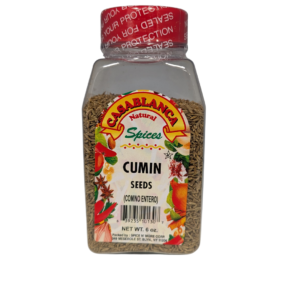 Best whole cuminCasablanca Cumin Seeds
Whole seeds for toasting, blooming and grinding fresh.
Shop now

 All-in-one blendCasablanca Ras El Hanout
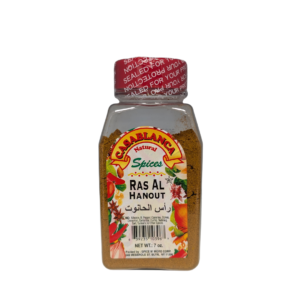
A ready Moroccan blend with cumin among its many spices.
Shop nowFor blooming, use a good olive oil such as Mina Moroccan extra virgin olive oil, and check our shipping policy for delivery times.
Cumin Seeds FAQs
What do cumin seeds taste like?
They taste warm, earthy and slightly nutty, with a gentle bitterness and a musky aroma. Toasting brings out a deeper, smokier flavor and softens the bitterness.
Are cumin seeds and caraway seeds the same?
No. Both belong to the parsley family and look similar, but caraway is darker, curved and sweeter, with an anise-like note. Cumin is straighter, paler and more earthy. They are not interchangeable in most recipes.
Is black seed the same as black cumin?
The names overlap. Black seed usually means nigella, an unrelated plant with small, jet-black seeds. Black cumin can also refer to Bunium or Elwendia species, which are true relatives of cumin. Check the botanical name on the label.
Should I toast cumin seeds before using them?
Toasting is optional but recommended. A minute or two in a dry pan, or 20 to 40 seconds in hot oil, releases the aromatic oils and makes the flavor fuller and rounder.
How much ground cumin equals 1 teaspoon of cumin seeds?
One teaspoon of whole seeds gives a little more than one teaspoon once ground. Freshly ground cumin is stronger than old pre-ground cumin, so start with slightly less and adjust to taste.
Are cumin seeds good for digestion?
Cumin is a traditional digestive remedy in many cultures, and some early studies look promising, but the evidence is limited. Enjoy it as a spice; ask a doctor before taking cumin supplements or oil.
How long do cumin seeds last?
Stored airtight in a cool, dark place, whole seeds often keep good flavor for 2 to 3 years. Ground cumin fades faster and is best used within about a year.
Further reading: Cumin (Wikipedia) · Cumin (Britannica) · Kamounia (Wikipedia)
Stock Your Spice Shelf Today
Whole and ground cumin and every North African spice that goes with it, delivered anywhere in the USA.
Shop Moroccan Spices Shop All Products