Couscous vs Quinoa Which Is Healthier and When to Use Each
A clear, side-by-side look at nutrition, gluten, taste, cooking time and cost, plus practical North African tips to help you choose the right one for every meal.
In the couscous vs quinoa debate, quinoa wins on protein, fiber, minerals and gluten-free status, while couscous wins on speed, softness, price and its place in North African cooking. A cup of cooked quinoa has about 8 g of protein and 5 g of fiber, compared with about 6 g of protein and 2 g of fiber in a cup of regular couscous. Couscous is wheat, so it contains gluten. Quinoa is a seed and is naturally gluten free. Both are healthy when you keep portions sensible and serve them with vegetables, legumes and good olive oil.
Your Complete Couscous vs Quinoa Guide
Couscous vs quinoa is one of the most common questions at the grain aisle. Both are small, quick-cooking and great in bowls and salads, so they often end up side by side on store shelves. Yet they come from different plants, different continents and very different food traditions.
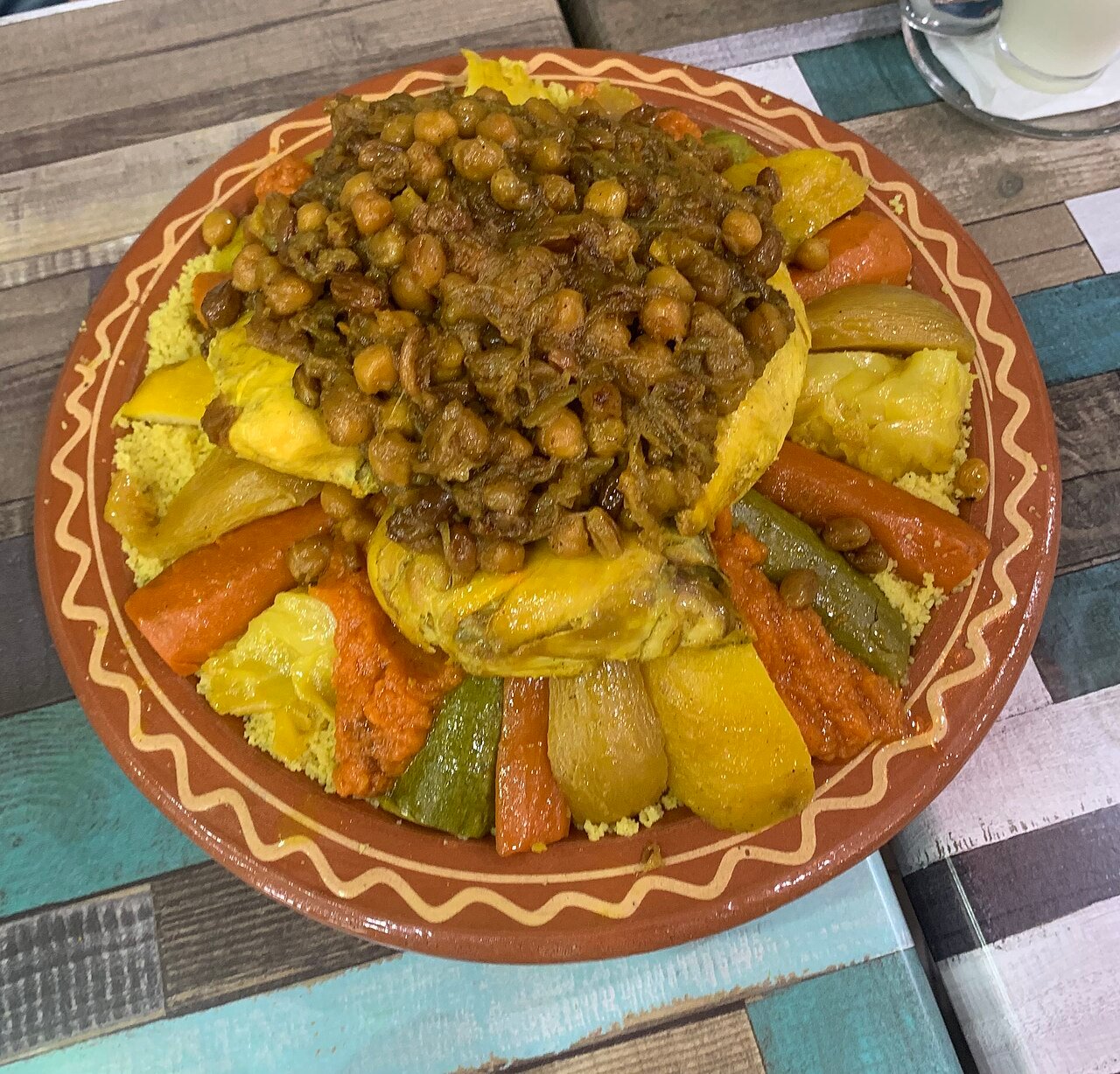
Couscous is the heart of the Maghreb table, steamed for Friday family meals in Morocco, Algeria and Tunisia. Quinoa comes from the Andes of South America. Below we compare them honestly, with real numbers, cooking methods and buying tips, and we show how to cook both. You can browse our full range of North African couscous as you read.
Couscous vs Quinoa at a Glance
What Is the Difference Between Couscous and Quinoa?
The biggest difference in couscous vs quinoa is botanical. Couscous is not a grain on its own. It is made by moistening durum wheat semolina and rolling it into tiny granules, which are then dried.
Quinoa is the seed of Chenopodium quinoa, a plant in the same family as spinach, chard and beets. Because we cook and eat it like a grain, nutritionists call it a pseudocereal. It has been grown in the Andes for thousands of years and is still a staple in Bolivia and Peru.
That difference explains almost everything else in couscous vs quinoa: why couscous contains gluten and quinoa does not, why quinoa has a little more fat and protein, and why couscous cooks in five minutes while quinoa needs a short simmer.
Couscous vs Quinoa Nutrition Side by Side
This couscous vs quinoa nutrition table uses approximate values per one cup cooked, based on USDA data. Brands vary a little, so always check your package label.
| Per 1 cup cooked | Couscous (about 157 g) | Quinoa (about 185 g) | Edge |
|---|---|---|---|
| Calories | About 176 | About 222 | Couscous is lighter |
| Protein | About 6 g | About 8 g | Quinoa |
| Fiber | About 2 g | About 5 g | Quinoa |
| Carbohydrates | About 36 g | About 39 g | Similar |
| Fat | Under 0.5 g | About 3.5 g | Couscous is leaner |
| Magnesium | About 13 mg | About 118 mg | Quinoa, by far |
| Iron | About 0.6 mg | About 2.8 mg | Quinoa |
| Selenium | About 43 mcg | About 5 mcg | Couscous, by far |
| Gluten | Yes (wheat) | No | Quinoa for celiac diets |
Two things stand out in this couscous vs quinoa comparison. First, quinoa is more nutrient-dense, with several times more magnesium and iron, plus more folate, potassium and manganese. Second, couscous is not “empty”: it is lower in calories and fat and is an excellent source of selenium, a mineral wheat often picks up from the soil.
You can check any food yourself in the free USDA FoodData Central database, which is where most US nutrition labels and apps get their numbers.
Protein, Fiber and Blood Sugar
In couscous vs quinoa, protein is where quinoa gets most of its fame. Quinoa contains all nine essential amino acids, which makes it a complete plant protein. That is rare among grains and very useful for vegetarians and vegans. Couscous, like other wheat products, is lower in the amino acid lysine.
Couscous vs quinoa for fiber
Quinoa has more than twice the fiber of regular couscous. Fiber helps you feel full and supports healthy digestion. If you love couscous, choose a whole wheat couscous, which keeps the bran and has noticeably more fiber than refined semolina.
Couscous vs quinoa and blood sugar
Published glycemic index estimates put quinoa in the low range, around 53, and refined couscous in the medium range, around 65. Real-life blood sugar response depends on the whole meal, so pairing couscous with chickpeas, vegetables and olive oil softens its effect.
The Harvard Health Publishing profile of quinoa describes about 8 g of protein and 5 g of fiber per cooked cup, along with good amounts of manganese, phosphorus and copper.
Gluten, Allergies and Health Notes
General information only, not medical advice. For anyone with celiac disease or a wheat allergy, the couscous vs quinoa question has a simple answer. Couscous is made from wheat and contains gluten, so it is not safe for a gluten-free diet. Quinoa is naturally gluten free.
The US National Library of Medicine notes on MedlinePlus that quinoa does not contain gluten and can be used by people with celiac disease. However, quinoa can be processed in facilities that also handle wheat. If you are very sensitive, look for a package labeled certified gluten free.
Saponins and a bitter taste
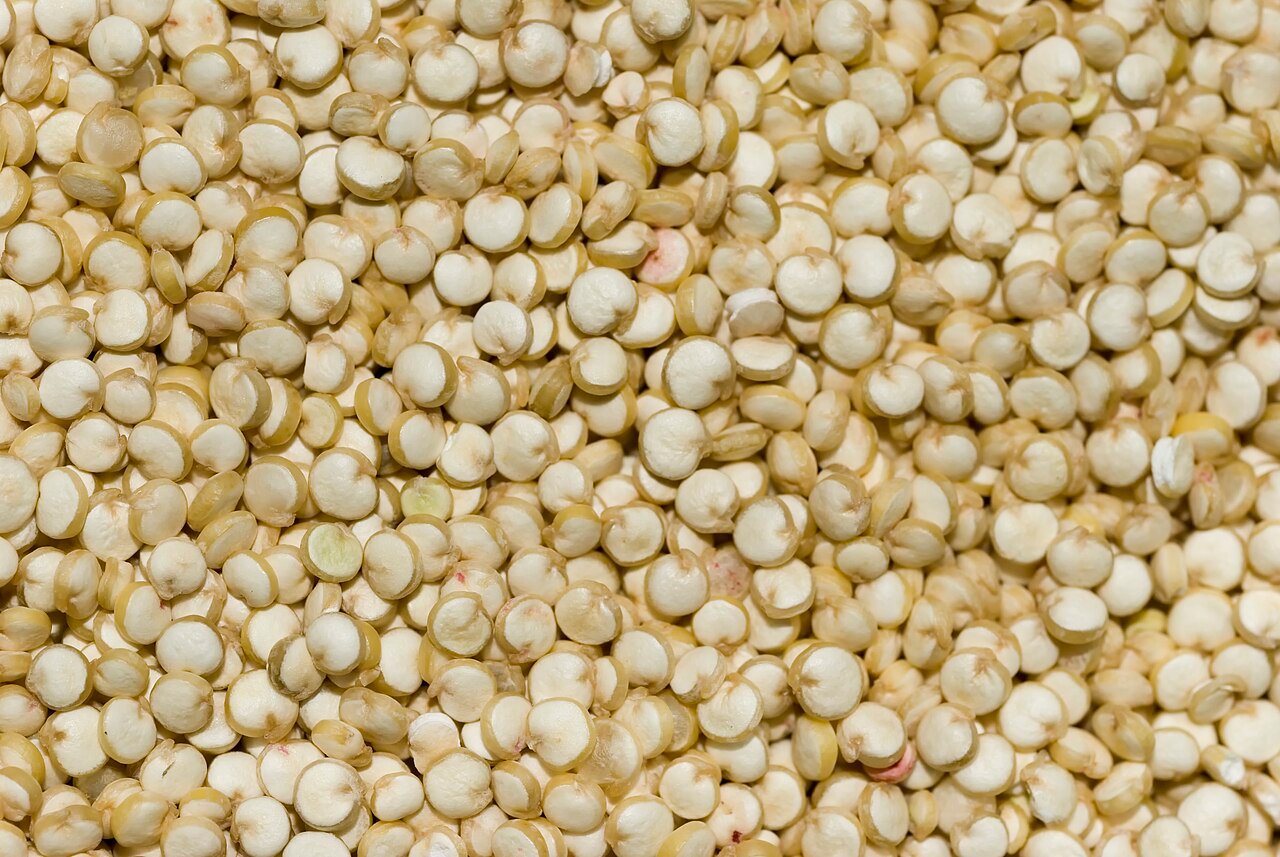
Quinoa seeds grow with a natural coating called saponin, which tastes bitter and soapy. Most packaged quinoa is pre-washed, but a 30-second rinse in a fine mesh strainer is still a smart habit. Couscous needs no rinsing at all.
Who should talk to a doctor first?
People managing diabetes, kidney disease or a restricted diet should ask a health care provider or registered dietitian how much of either food fits their plan. Both foods are mostly carbohydrate, so portion size matters more than how you settle couscous vs quinoa.
| Diet or need | Better fit | Why |
|---|---|---|
| Celiac or gluten free | Quinoa | Couscous is wheat |
| Vegan protein | Quinoa | Complete protein |
| Lower calorie side | Couscous | Fewer calories per cup |
| Low fat | Couscous | Almost no fat |
| Higher fiber | Quinoa or whole wheat couscous | More bran and seed coat |
Taste and Texture: Couscous vs Quinoa
Nutrition is only half of the couscous vs quinoa story. The two feel very different in your mouth, and that changes which dishes they suit.
Soft and fluffy
Well-steamed couscous is light, tender and separate, almost like a cloud. It soaks up broth and sauces beautifully.
Mild and wheaty
The flavor is gentle, so it carries spices well. Ras el hanout, cumin and cinnamon all shine on a couscous base.
Nutty and earthy
Quinoa has a toasty, slightly grassy taste. Red and black quinoa are stronger and earthier than white.
Light pop and chew
Cooked quinoa keeps a little bite, and each seed shows a curly white tail called the germ. It holds its shape for days.
Best with sauce
Stews, tagines and broths are where couscous is happiest. It turns gluey if you overload it with water, though.
Best in salads
Because it stays firm, quinoa works well in cold salads, grain bowls and meal-prep boxes that sit in the fridge.
How to Cook Couscous and Quinoa
Here is a simple method for each side of couscous vs quinoa. Both recipes serve 3 to 4 as a side dish.
Quick couscous (5 minutes)
- 1 cup medium or fine couscous
- 1 to 1 1/4 cups boiling water or broth
- 1 tablespoon olive oil or butter
- 1/2 teaspoon salt
- Oil the grains. Put the couscous in a wide bowl, add the oil and salt and rub with your fingers so every granule is coated.
- Add hot liquid. Pour the boiling water or broth over the couscous, stir once and cover tightly with a plate or lid.
- Rest. Leave it for 5 minutes without peeking.
- Fluff. Break up the grains with a fork, or rub them gently between your palms, until light and separate.
Fluffy quinoa (20 minutes)
- 1 cup quinoa, any color
- 2 cups water or broth (or 1 3/4 cups for firmer seeds)
- 1/2 teaspoon salt
- Optional: 1 teaspoon olive oil
- Rinse. Put the quinoa in a fine strainer and rinse under cold water for about 30 seconds, rubbing it lightly.
- Toast (optional). Warm the oil in a pot and toast the drained quinoa for 2 minutes for a nuttier flavor.
- Simmer. Add the water and salt, bring to a boil, then cover and simmer on low for about 15 minutes, until the liquid is absorbed.
- Rest and fluff. Take the pot off the heat, keep it covered for 5 minutes, then fluff with a fork.
The traditional steamed couscous method
In North African homes, couscous is often steamed two or three times in a couscoussier, a pot with a perforated steamer basket on top. Between steamings the cook sprinkles the grains with salted water, rubs in a little oil or smen and breaks up any lumps by hand. It takes about an hour, but the texture is wonderfully light. Even pre-steamed couscous from a North African brand tastes better with one round of real steaming.
Types of Couscous and Quinoa You Can Buy
Before settling couscous vs quinoa, know that each one comes in several styles. The type you buy can change the nutrition and texture more than you might expect.
Fine and medium
Fine couscous is used for sweet dishes like seffa and for delicate sides. Medium is the everyday choice for stews and seven-vegetable couscous.
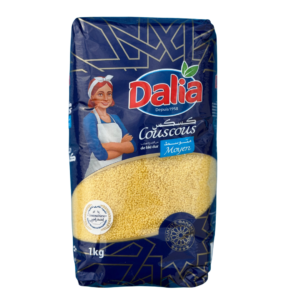
Try Kenz Fine or Dalia Medium.
Whole wheat and barley
Whole wheat couscous keeps the bran for more fiber. Barley couscous, called belboula in Morocco and dchicha in Algeria, is darker and earthier.
Pearl couscous
Pearl or Israeli couscous is a larger, toasted pasta ball that is boiled like pasta. In Tunisia and Algeria, similar large grains appear as m’hamsa and berkoukes.
Boil it like pasta for about 10 minutes.

White, red and black quinoa
White quinoa is the mildest and fluffiest. Red quinoa holds its shape better and is great in salads. Black quinoa is the crunchiest and most earthy. Tri-color blends mix all three. Nutrition is broadly similar across colors, so choose by taste and look.
9 Ways to Settle Couscous vs Quinoa
There is no single winner in couscous vs quinoa. The better choice depends on your goal, your diet and what you are cooking tonight.
Pick quinoa
If anyone at the table avoids gluten, quinoa is the safe option. Regular couscous is always wheat.
Pick couscous
Couscous is ready in 5 minutes with only a kettle. Quinoa needs rinsing and about 20 minutes.
Pick quinoa
For a meatless meal, quinoa adds complete protein. Couscous needs chickpeas or lentils alongside.
Pick couscous
Tagines, lamb stews and vegetable broths belong on couscous, which drinks up the sauce.
Either works
Quinoa stays firmer in the fridge, while couscous makes a softer, tabbouleh-style salad.
Pick couscous
Couscous is usually cheaper per serving, especially in 1 kg bags from North African brands.
Quinoa or whole wheat
Choose quinoa or whole wheat couscous when you want a more filling, higher-fiber side.
Often couscous
Many children prefer the soft, mild texture of couscous. Mixing half and half is a gentle way to introduce quinoa.
Pick quinoa
Cooked quinoa keeps its texture for 4 to 5 days in the fridge, while couscous can dry out and clump.
Can You Swap One for the Other?
Yes, in most recipes. When a recipe calls for one and you only have the other, the couscous vs quinoa swap is easy as long as you adjust the liquid and time. Use the same dry amount, then follow the right method for the food you are actually cooking.
| Dry amount | Liquid for couscous | Liquid for quinoa | Cooked yield (approx.) |
|---|---|---|---|
| 1/2 cup | 1/2 to 2/3 cup | 1 cup | About 1 1/2 cups |
| 1 cup | 1 to 1 1/4 cups | 2 cups | About 3 cups |
| 2 cups | 2 to 2 1/2 cups | 4 cups | About 6 cups |
Couscous vs quinoa swaps that work well
- Grain bowls: either one, topped with roasted vegetables and a spoon of harissa.
- Stuffed peppers: both work; quinoa holds together a little better.
- Cold salads: both, but dress couscous just before serving.
- Breakfast: warm couscous with milk, cinnamon and dates, or quinoa porridge.
Swaps to avoid
Sweet seffa, which is fine couscous steamed and topped with butter, cinnamon, powdered sugar and almonds, really needs couscous. For a seven-vegetable couscous on a Friday, quinoa will taste fine but it will not feel like the real dish.
Season it the North African way
Whichever you choose, a few spices turn a plain side into a meal. Stir in a pinch of ras el hanout, a little ground cumin or a cinnamon stick while it cooks, then finish with a drizzle of Moroccan extra virgin olive oil.
Origins: North Africa Meets the Andes
Couscous is tied to the Amazigh (Berber) peoples of North Africa, and it has been eaten across the Maghreb for centuries. It is the dish of Friday lunch, weddings, funerals and big family gatherings, often served from one large shared platter.
In 2020, UNESCO added the knowledge and practices of couscous to its list of intangible cultural heritage, after a joint nomination by Algeria, Mauritania, Morocco and Tunisia.
Quinoa was domesticated in the Andes around Lake Titicaca, where it has fed communities in Bolivia and Peru for thousands of years. It became a global health food in the 2000s, and the United Nations named 2013 the International Year of Quinoa.
Couscous vs quinoa on a shared table
Seen this way, couscous vs quinoa is not really a battle. Each is a cultural treasure, and both deserve a place in a modern pantry.

North African couscous dishes to try
Seven-vegetable couscous
Lamb or chicken with carrots, zucchini, turnips, squash, cabbage and chickpeas, served on medium couscous. Try Dari Medium Couscous.
Kesksou with red sauce
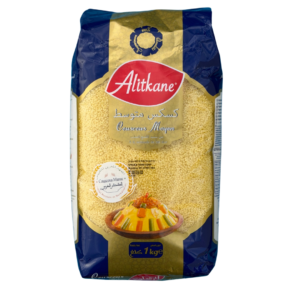
Algerian couscous is often served with a tomato and paprika broth, chickpeas and meat. Alitkane Medium is a good match.
Fish couscous
Coastal Tunisia loves couscous with fish in a spicy red broth, warmed with harissa. A harissa tube makes it easy.

Best Couscous Picks to Buy in the USA
Ready to taste the couscous side of the couscous vs quinoa debate? These authentic North African brands ship to all 50 states.

 Best for fiberKenz Whole Wheat Couscous
Whole grain couscous with more fiber than refined semolina.
Shop now
Want a lighter grain? Try Kenz barley couscous or Alitkane fine couscous, browse our Moroccan spices and cooking oils, and check our shipping policy for delivery times.
Couscous vs Quinoa FAQs
Couscous vs quinoa: which is healthier?
Quinoa is more nutrient-dense, with more protein, fiber, magnesium and iron, and it is gluten free. Couscous is lower in calories and fat and rich in selenium. Both can be part of a healthy diet when served in sensible portions with vegetables and legumes.
Is couscous a grain or a pasta?
Couscous is made from durum wheat semolina that is moistened and rolled into tiny granules, so it is technically a very small pasta. It is cooked and eaten more like a grain.
Is quinoa gluten free and couscous not?
Yes. Quinoa is a seed and is naturally gluten free, while couscous is made from wheat and contains gluten. People with celiac disease should choose quinoa labeled certified gluten free to avoid cross-contact.
Which is better for weight loss, couscous vs quinoa?
Couscous has fewer calories per cup, but quinoa has more protein and fiber, which can help you feel full longer. Portion size and what you serve with it matter more than the choice between the two.
Do I need to rinse quinoa or couscous?
Rinse quinoa for about 30 seconds to remove any leftover saponin, which tastes bitter. Do not rinse couscous; just rub it with a little oil before adding hot liquid.
Can I replace quinoa with couscous in a recipe?
Usually yes. Use the same dry amount, but cook couscous with about equal parts boiling liquid and a 5-minute rest, and cook quinoa with twice its volume of liquid for about 15 minutes plus a 5-minute rest.
Is whole wheat couscous as healthy as quinoa?
Whole wheat couscous closes much of the fiber gap because it keeps the bran, but quinoa still has more protein, magnesium and iron, and it is gluten free. Whole wheat couscous is a great middle ground if you prefer the texture of couscous.
Further reading: Harvard Health: Quinoa · MedlinePlus: Quinoa · UNESCO: Couscous
Bring Real Couscous to Your Table
Whatever you decide on couscous vs quinoa, find authentic Moroccan, Algerian and Tunisian couscous, spices and olive oils, delivered to your door anywhere in the USA.
Shop Couscous Shop All Products