Couscous Salad Recipes 7 Fresh North African Ideas
One easy master recipe, six tasty variations, the right couscous to buy, simple dressings and smart meal-prep tips for a bright, fluffy salad every time.
A couscous salad is cooked, cooled couscous tossed with chopped vegetables, fresh herbs and a lemon and olive oil dressing. Pour 1 cup of boiling water over 1 cup of precooked couscous, cover for 5 minutes, fluff with a fork and spread it out to cool. Then add cucumber, tomato, chickpeas, parsley and mint, dress with 3 tablespoons extra virgin olive oil and 1 tablespoon lemon juice, and season with salt and cumin.
Your Complete Couscous Salad Guide
A good couscous salad is one of the fastest healthy lunches you can make. The couscous cooks in five minutes, it soaks up dressing beautifully and it takes almost any vegetable, legume or herb you have in the fridge. It works warm, at room temperature or cold, which makes it perfect for picnics, potlucks and packed lunches.
In North Africa, couscous is usually steamed and served hot under a stew. The salad version is a lighter, modern way to enjoy the same grain, and it borrows many classic flavors from the region: cumin, lemon, olives, harissa, mint and good olive oil. Start with real durum wheat couscous from our Moroccan couscous collection and a fruity oil from our cooking oils.
- 01Couscous salad at a glance
- 02What it is and where couscous comes from
- 03Which couscous to use
- 04How to cook couscous for salad
- 05Master recipe
- 06Dressings that work
- 07Six more recipes
- 08Build your own bowl
- 09Tips and common mistakes
- 10Storage, meal prep and nutrition
- 11What to serve with it
- 12What to buy
- 13FAQs
Couscous Salad at a Glance
What Is a Couscous Salad and Where Does Couscous Come From?
Couscous is made from durum wheat semolina that is moistened and rolled into tiny granules, then steamed and dried. It looks like a grain, but it is really closer to a tiny pasta. Barley and whole wheat versions are also common in North Africa.
The dish is so central to the region that in December 2020, UNESCO added the “knowledge, know-how and practices pertaining to the production and consumption of couscous” to its list of the Intangible Cultural Heritage of Humanity. The nomination was a joint one from Algeria, Mauritania, Morocco and Tunisia. You can read the official UNESCO decision online.
The salad keeps the grain but changes the mood. Instead of a slow-simmered stew of meat and seven vegetables, you get crisp raw vegetables, herbs and a sharp dressing. It is closer to tabbouleh in spirit, and it is ready in a fraction of the time.
Which Couscous Is Best for Couscous Salad?
The type of couscous changes the texture of the salad more than any other choice. Fine and medium Moroccan couscous give the classic light, fluffy salad. Whole wheat and barley add a nuttier taste and more fiber. Pearl couscous gives chewy little balls that hold up well for days.
Fine vs medium
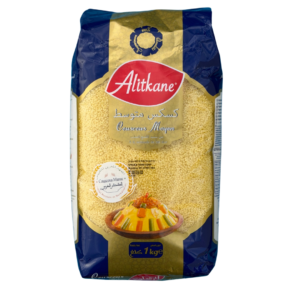
Fine couscous is soft and delicate and blends into the vegetables. Medium couscous has a little more bite, so it is the safer choice for a salad that will sit in a lunch box. Try Dalia medium couscous or Dari medium couscous.
Pearl couscous is different
Pearl or “Israeli” couscous is a toasted wheat pasta in larger balls. It is boiled like pasta for about 8 to 10 minutes rather than soaked, then drained.

| Couscous type | Texture in salad | How to cook | Try |
|---|---|---|---|
| Fine | Soft, light, very fluffy | Soak in boiling water, 5 minutes | Dalia Fine |
| Medium | Fluffy with a little bite | Soak in boiling water, 5 to 7 minutes | Alitkane Medium |
| Whole wheat | Nutty, a bit denser | Slightly more water, 6 to 8 minutes | Kenz Whole Wheat |
| Barley (belboula) | Earthy, rustic | Follow pack; often steamed | Kenz Barley |
| Pearl | Chewy, round | Boil like pasta, 8 to 10 minutes | Pasta aisle |
How to Cook Couscous for Salad
Fluffy, separate grains are the secret of a great couscous salad. Wet, clumpy couscous turns into paste once the dressing goes on. These six steps fix that.
Use equal volumes
For precooked couscous, use about 1 cup boiling water or stock for every 1 cup couscous. Always check the package, as brands vary.
Salt and oil the water
Add about 1/2 teaspoon salt and 1 teaspoon olive oil to the water. Seasoning now flavors every grain.
Pour, cover, wait
Pour the boiling liquid over the couscous in a wide bowl, cover tightly and leave it for 5 minutes. Do not stir.
Fork, not spoon
Rake the couscous with a fork, or rub it gently between oiled fingers, to break up every clump.
Spread it out
Spread it on a sheet pan for 10 to 15 minutes. Cooling in a thin layer stops it steaming itself soft.
Dress while slightly warm
Barely warm couscous absorbs dressing best. Add delicate herbs only once it is fully cool.
Master Couscous Salad Recipe with Chickpeas and Herbs
This Moroccan-inspired recipe is the base for every variation below. It serves 4 as a side and takes about 20 minutes.
Ingredients
- 1 cup medium couscous
- 1 cup boiling water or vegetable stock
- 1/2 teaspoon salt, plus more to taste
- 1 can (15 oz) chickpeas, rinsed and drained
- 1 small cucumber, diced
- 1 cup cherry tomatoes, quartered
- 1/2 small red onion, finely chopped
- 1/2 cup chopped flat-leaf parsley
- 1/4 cup chopped fresh mint
- 1/3 cup pitted olives, sliced
Lemon cumin dressing
- 3 tablespoons extra virgin olive oil
- 1 tablespoon fresh lemon juice, plus zest of 1/2 lemon
- 1/2 teaspoon ground cumin
- 1 small garlic clove, grated
- Pinch of paprika or ras el hanout
Method
- Cook the couscous. Put the couscous and salt in a wide bowl. Pour over the boiling water, cover and leave for 5 minutes.
- Fluff and cool. Fluff with a fork, spread on a tray and let it cool for 10 to 15 minutes.
- Make the dressing. Whisk the olive oil, lemon juice and zest, cumin, garlic and spice with a pinch of salt.
- Prep the vegetables. While the couscous cools, dice the cucumber, tomatoes and onion. Soaking the onion in cold water for 5 minutes softens its bite.
- Combine. Toss the couscous with the dressing first, then fold in the chickpeas, vegetables and olives.
- Finish. Add the herbs, taste and adjust with more salt, lemon or oil. Rest 10 minutes before serving so the flavors meet.
Dressings for Couscous Salad
Couscous is mild, so the dressing does most of the work. A simple rule is 3 parts oil to 1 part acid, plus salt and one strong flavor. Use about 1/4 cup of dressing for every cup of dry couscous.
Lemon and olive oil
The classic. A peppery extra virgin oil such as Mina Moroccan extra virgin or Akfadou Algerian extra virgin makes a big difference here, because you can taste it.
Harissa and lemon
Stir 1 to 2 teaspoons of harissa paste into the basic dressing for a gentle kick. New to the paste? Read our guide to what harissa is.
Orange and cinnamon
Swap half the lemon juice for orange juice and add a tiny pinch of cinnamon. It is lovely with dates, carrots and almonds.
Preserved lemon
Finely chop a little preserved lemon rind and whisk it in. It adds a salty, floral note that is very Moroccan.

6 More Couscous Salad Recipes to Try
Start with the master method above, then swap the add-ins and dressing. Each idea serves about 4.
Sweet carrot and date
Grated carrot, chopped dates, toasted almonds and the orange-cinnamon dressing. Finish with a few drops of orange blossom water.
Roasted vegetable
Roast zucchini, peppers and eggplant at 425°F for 25 minutes with cumin and olive oil, then fold into the couscous with parsley.
Tuna and harissa
Flaked canned tuna, olives, capers, hard-boiled egg and a harissa-lemon dressing, a nod to Tunisian salade méchouia flavors.
Lentil and herb
Add 1 1/2 cups cooked green or brown lentils, diced red pepper and lots of parsley for a filling vegan bowl.
Feta, olive and pepper
Crumbled feta, black olives, roasted red peppers and oregano. Go easy on the salt, as feta and olives are already salty.
Pearl couscous and tomato
Boiled pearl couscous with cherry tomatoes, basil, olives and balsamic. It holds up for days in the fridge.

Build Your Own Couscous Salad Bowl
Once you know the method, you do not need a recipe. Pick one or two items from each row and you will always end up with a balanced bowl.
Aim for roughly equal amounts of couscous and add-ins by volume. Too little filling and the salad tastes plain; too much and it falls apart.
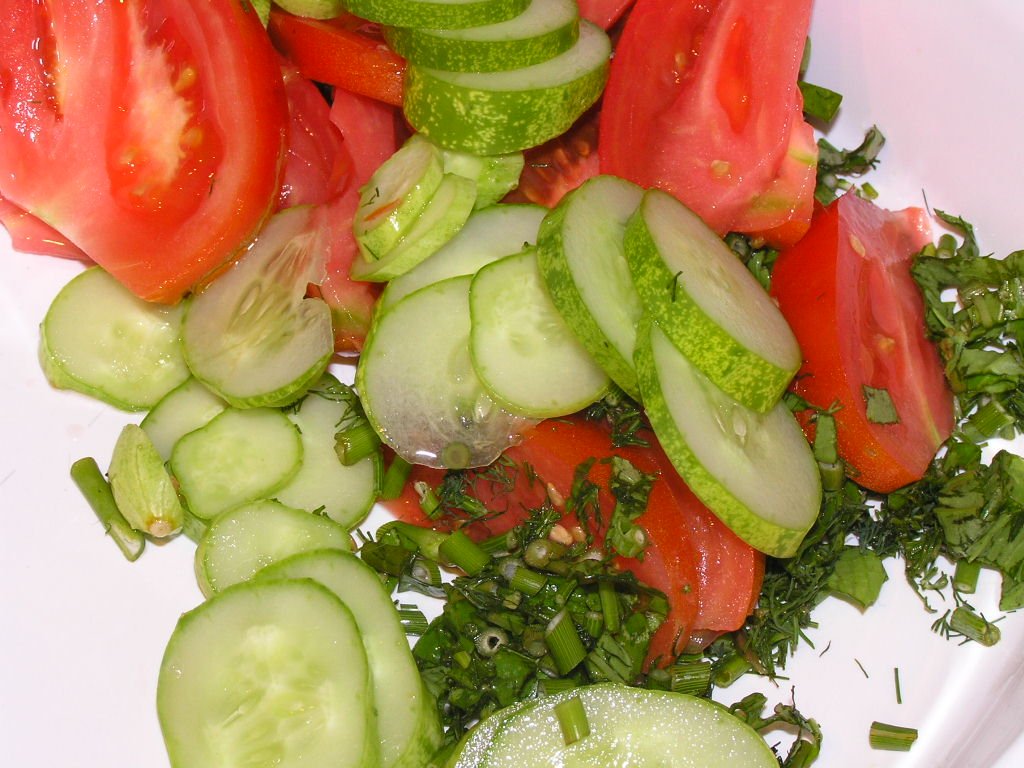
| Element | Choose from |
|---|---|
| Crunchy vegetables | Cucumber, bell pepper, radish, celery, red onion, fennel |
| Juicy or roasted | Cherry tomatoes, roasted peppers, grilled zucchini, roasted squash |
| Protein | Chickpeas, lentils, white beans, tuna, grilled chicken, feta, boiled egg |
| Salty | Olives, capers, preserved lemon, feta |
| Sweet | Raisins, chopped dates, dried apricots, orange segments, pomegranate |
| Crunch | Toasted almonds, pine nuts, sunflower seeds, pistachios |
| Herbs | Parsley, mint, cilantro, dill, basil |
For the salty element, Moroccan oil-cured olives or anything from our olives and pickles shelf work well.
8 Tips for a Better Couscous Salad
Most problems are about water, salt or timing. These quick fixes help.
Do not drown it
Too much water makes mush. You can add a splash more later, but you cannot take it away.
Season in layers
Salt the water, the dressing and the finished salad. Couscous tastes flat if salted only at the end.
Cool on a tray
Spreading hot couscous out is the easiest way to keep the grains separate and light.
Salt watery vegetables
Salt diced cucumber and tomatoes for 10 minutes and drain them, so the salad does not turn soggy.
Use a lot
Think of herbs as a vegetable, not a garnish. A full cup of parsley and mint is not too much.
Toast the nuts
Toast almonds or pine nuts in a dry pan for 3 to 4 minutes, then add them just before serving.
Taste when cold
Cold food tastes less salty and less sour. Re-season a chilled salad before serving.
Keep dressing separate
For meal prep, store extra dressing on the side and refresh the salad with it each day.
Storage, Meal Prep and Nutrition
How long does couscous salad last?
Refrigerate couscous salad within 2 hours of making it, in a covered container, and eat it within 3 to 4 days. That matches the general guidance for prepared salads on the US government’s FoodSafety.gov cold storage chart. Salads with fish, egg or chicken are best eaten sooner, and soft herbs and nuts stay fresher if you add them on the day.
The salad does not freeze well once it is mixed with raw vegetables. You can, however, freeze plain cooked couscous in flat bags for up to a couple of months and thaw it in the fridge.
Nutrition notes
General information only, not medical advice. According to standard nutrition data, one cup of plain cooked couscous has about 176 calories, 6 grams of protein, 36 grams of carbohydrate, 2 grams of fiber and very little fat or sodium. Whole wheat couscous usually has more fiber. Adding chickpeas, lentils and lots of vegetables makes a couscous salad more filling and balanced.
Couscous is made from wheat, so it contains gluten and is not suitable for people with celiac disease or a wheat allergy. For a gluten-free version, use quinoa, millet or rice instead and follow the same dressing ideas.
| Per 1 cup cooked plain couscous | Approximate amount |
|---|---|
| Calories | 176 kcal |
| Protein | 6 g |
| Carbohydrate | 36 g |
| Fiber | 2 g |
| Fat | Less than 1 g |

What to Serve With Couscous Salad
A couscous salad is a complete meal on its own when it includes legumes or fish. As a side, it pairs well with grilled and roasted food.
Grilled meat and fish
Serve it with grilled chicken, lamb kebabs, merguez or grilled sardines. A spoon of harissa on the side ties everything together.
A North African spread
In Morocco, meals often start with a table of small cooked salads. Put your couscous salad next to zaalouk, taktouka, carrot salad, olives and warm bread for a generous spread.
Picnics and lunch boxes
Because it has no mayonnaise and tastes good at room temperature, couscous salad travels well. Pack it in a jar with the dressing at the bottom and the herbs on top.
Want the hot version? Medium couscous from the same bag makes a classic steamed couscous with vegetables for Friday lunch.
Best Couscous Salad Essentials to Buy in the USA
Authentic North African couscous, oils and spices for your next couscous salad, shipped to all 50 states.


 Best dressing oilMina Moroccan Extra Virgin
Fruity Moroccan olive oil for lemon vinaigrettes.
Shop now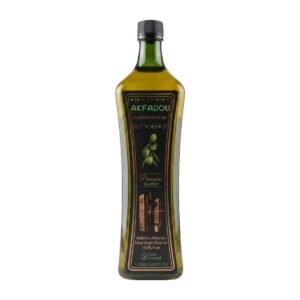 Peppery finishAkfadou Algerian Extra Virgin
A bold Algerian oil that stands up to cumin and harissa.
Shop now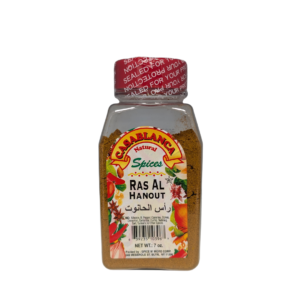 Flavor boostCasablanca Ras El Hanout
A warm Moroccan blend for dressings and roasted vegetables.
Shop nowCooking for a crowd? The El Ouazzania 2L extra virgin olive oil is great value. See our shipping policy for delivery times.
Couscous Salad FAQs
How do you keep couscous salad from getting soggy?
Use about equal volumes of water and precooked couscous, fluff it well and cool it in a thin layer before mixing. Salt and drain watery vegetables like cucumber and tomato, and add delicate herbs and nuts just before serving.
Is couscous salad served hot or cold?
Either works. Most couscous salads are served cold or at room temperature, which makes them great for lunch boxes and picnics, but you can also serve it slightly warm right after mixing.
How long does couscous salad last in the fridge?
Covered and refrigerated within 2 hours of making it, a couscous salad keeps for about 3 to 4 days. Salads with fish, egg or chicken are best eaten sooner.
What is the best couscous for salad?
Medium durum wheat couscous is the most reliable because it stays fluffy with a little bite. Fine couscous gives a softer salad, whole wheat adds fiber and pearl couscous gives a chewy texture that holds up for days.
Can I make couscous salad ahead of time?
Yes. Cook and cool the couscous, mix it with the sturdy vegetables and dressing, and refrigerate. Keep herbs, nuts and a little extra dressing separate and add them right before serving.
Is couscous salad healthy?
It can be a balanced meal when it includes plenty of vegetables, legumes and a moderate amount of olive oil. Plain cooked couscous has about 176 calories per cup. It contains gluten, so it is not suitable for people with celiac disease.
What can I use instead of couscous?
Quinoa, bulgur, millet, rice or orzo all work with the same dressings and add-ins. For a gluten-free salad, choose quinoa, millet or rice.
Further reading: UNESCO: Couscous heritage · FoodSafety.gov: Cold storage chart · Couscous nutrition facts
Make Your Best Couscous Salad Yet
Authentic Moroccan and Algerian couscous, olive oils and spices, delivered anywhere in the USA.
Shop Couscous Shop All Products