Chicken Tagine with Preserved Lemon and Olives, the Classic Djaj Mqualli
A step-by-step guide to Morocco’s best-loved chicken dish: the saffron and ginger sauce, how to handle preserved lemon, the right olives, the pot, and what to serve on the side.
Chicken tagine with preserved lemon is a Moroccan braise of chicken, onions, garlic, ginger and saffron, finished with preserved lemon rind and olives. Soften the onions in olive oil, coat the chicken in the spices, add a little water and cook it covered on low heat for about 50 to 60 minutes. Stir in the lemon rind and rinsed olives for the last 10 to 15 minutes, reduce the sauce until it clings, and serve it with bread.
Your Complete Djaj Mqualli Guide
If one dish has become the face of Moroccan home cooking abroad, it is chicken tagine with preserved lemon and olives. In Morocco it is often called djaj mqualli (also written mkalli or m’qualli). The chicken turns meltingly soft, the sauce is golden and silky, and the lemon and olives add a bright, salty finish.
The good news is that chicken tagine with preserved lemon uses everyday ingredients and very little hands-on time. Most of the flavor comes from a short list of Moroccan spices, good olive oil and patience. This guide walks you through each choice so your first pot tastes like the one served in a Moroccan family home.
Chicken Tagine with Preserved Lemon at a Glance
What Is Chicken Tagine with Preserved Lemon?
A tagine is two things at once: a shallow earthenware dish with a tall cone-shaped lid, and the slow-cooked stew made in it. The lid catches steam and sends it back down, so the food braises in very little water. Historians trace cooking in this kind of pot back many centuries, and the dish is generally eaten with bread rather than cutlery.
Chicken tagine with preserved lemon belongs to a family of sauces Moroccan cooks call mqualli. The word is used for a golden, oil-based sauce flavored mainly with ginger, saffron and pepper, often with onions cooked down until they almost melt. It is different from red sauces built on paprika and cumin, which you will meet in dishes such as kefta.
The classic version is linked to the old city kitchens of Fez and Marrakech, but you will find it everywhere from family weddings to roadside grills. Saveur, which included it among its classic recipes, calls this chicken, olive and lemon combination perhaps the most classic tagine of all, and their version of djaj mqualli is worth reading for comparison.

The Key Ingredients and Why They Matter
A great chicken tagine with preserved lemon is simple, so each ingredient has a job. Here is what to look for.
Best cuts for chicken tagine with preserved lemon
Bone-in, skin-on thighs and drumsticks stay juicy through a long braise. A whole chicken cut into 8 pieces also works. Breast meat dries out quickly, so add it later if you use it.
Onions and garlic
Two large onions may sound like a lot, but they cook down into the body of the sauce. Grated onion melts faster, while sliced onion gives a softer, sweeter texture.
Ginger and saffron
Ground ginger gives warmth and saffron gives color and a honey-like aroma. Many cooks also add a little turmeric for extra color. A pinch of pure Moroccan saffron goes a long way.
Fat
Olive oil is the base, and some families add a spoon of smen (aged butter) for depth. A neutral oil mixed with olive oil is also common.

Spice quantities for chicken tagine with preserved lemon
| Ingredient | Amount for 3 lb chicken | What it adds | Try |
|---|---|---|---|
| Ground ginger | 1 to 1½ tsp | Warm, gentle heat | Casablanca Ground Ginger |
| Saffron threads | A good pinch (about 15 to 20 threads) | Golden color, floral aroma | Moroccan Saffron |
| White or black pepper | ½ to 1 tsp | Clean bite | Casablanca White Pepper |
| Turmeric (optional) | ½ tsp | Extra yellow color | Any good brand |
| Ground coriander (optional) | ½ tsp | Citrus, earthy note | Casablanca Ground Coriander |
| Fresh cilantro and parsley | A small bunch each | Fresh, green finish | Supermarket produce |

Working with Preserved Lemon
Preserved lemons are whole lemons cured in salt and their own juice for several weeks. The process tames the bitterness and turns the rind silky, salty and deeply aromatic. That flavor is what makes chicken tagine with preserved lemon taste so different from a dish made with fresh lemon juice.
Rind or pulp?
Most cooks rinse the lemon, scoop out the pulp and use only the rind, sliced into strips or chopped finely. Some add a little pulp to the sauce early on for extra tang, but it can make the dish sharp, so start without it.
How much to use
One to two medium preserved lemons is plenty for a 3 lb chicken. Add the rind near the end so it keeps its shape and perfume.
Where to find them
Our store does not sell preserved lemons at the moment. Look for them in Middle Eastern grocers or make your own with organic lemons and coarse sea salt. A quick shortcut in an emergency: fresh lemon zest plus a squeeze of juice, though the taste is brighter and less rounded.
How to Make Chicken Tagine with Preserved Lemon
This chicken tagine with preserved lemon recipe serves 4 to 6 and works in a clay tagine, a Dutch oven or a heavy wide pan with a lid. Total time is about 1 hour 30 minutes, plus optional marinating.
Ingredients
- 3 lb bone-in chicken thighs and drumsticks (or 1 whole chicken, cut up)
- 2 large yellow onions, grated or thinly sliced
- 4 garlic cloves, finely chopped
- 3 tbsp olive oil, plus 1 tbsp smen or butter (optional)
- 1 to 1½ tsp ground ginger
- ½ to 1 tsp ground white or black pepper
- ½ tsp turmeric (optional)
- A good pinch of saffron threads, crumbled into 2 tbsp warm water
- Small bunch each of cilantro and parsley, tied with string
- 1 to 1½ cups water
- 1 to 2 preserved lemons, rind only, cut into strips
- 1 cup green or violet olives, rinsed
- Salt to taste, added at the end
You will need
- A tagine with a heat diffuser, or a Dutch oven
- A wooden spoon and tongs
- An instant-read thermometer
Method
- Marinate (optional). Rub the chicken with the garlic, ginger, pepper, turmeric, half the saffron water and 1 tbsp oil. Chill for 1 hour or overnight.
- Soften the onions. Warm the rest of the oil and the smen over medium-low heat. Add the onions with a pinch of salt and cook, covered, for about 10 minutes until soft and translucent.
- Coat the chicken. Add the chicken and any marinade. Turn the pieces for 5 to 8 minutes until they color lightly and the spices smell toasty. Keep the heat moderate so the garlic does not burn.
- Braise. Add the herb bundle, the rest of the saffron water and about 1 cup of water. Cover and cook on low for 45 to 60 minutes, turning the chicken once or twice. In a clay tagine on a diffuser, allow up to 1 hour 15 minutes.
- Check doneness. The meat should pull easily from the bone and read at least 165°F at the thickest part. Thighs are even more tender at around 175°F to 185°F.
- Add the finish. Scatter the lemon rind and olives over the chicken. Cook uncovered for 10 to 15 minutes so the flavors meet.
- Reduce the sauce. If the sauce is thin, lift the chicken out and simmer the liquid until it is thick and glossy, then return the chicken. Remove the herb bundle, taste and add salt only if needed.
Tagine Pot or Dutch Oven?
You do not need a clay pot to make excellent chicken tagine with preserved lemon. A heavy Dutch oven or a wide sauté pan with a tight lid gives very similar results, and the dish will still taste authentic.
Cooking in a clay tagine
If you own a cooking tagine, soak or season it as the maker suggests and always use a heat diffuser on gas or electric stoves. Start on low heat and raise it slowly. Sudden changes in temperature, such as cold liquid poured into a hot pot, can crack the clay.
Decorative vs cooking tagines
Many brightly painted tagines sold in markets are for serving only and are not made to go on heat. Check the label before you cook in one.
Oven method
You can also brown the chicken on the stove, then cover the pot and finish it in a 325°F to 350°F oven for about 45 minutes. Add the lemon and olives at the end on the stovetop.
We do not sell tagine pots, but our spices and oils will make any pot taste like Morocco. Read more about the pot and its history in the tajine article on Wikipedia.

8 Tips for a Better Chicken Tagine with Preserved Lemon
Most problems with chicken tagine with preserved lemon come from too much heat, too much water or salting too early. These tips fix them.
Keep it low and slow
A gentle simmer gives tender meat and a silky sauce. A hard boil toughens the chicken and breaks the sauce.
Use less water than you think
The chicken and onions release juice. Start with about 1 cup and add a splash only if the pot looks dry.
Salt at the end
Lemon and olives bring plenty of salt. Taste after they go in, then adjust.
Rinse or blanch the olives
Soak brined olives for 10 minutes or boil them for 1 to 2 minutes to soften harsh, bitter notes.
Bloom the saffron
Crumble the threads into warm water for 10 minutes so the color spreads evenly through the sauce.
Let the onions melt
Do not rush the onions. Their sweetness thickens the sauce without any flour or cream.
Add the rind late
Rind added at the start can turn bitter and lose its perfume. The last 10 to 15 minutes are enough.
Make it a day ahead
Like most stews, the flavors deepen overnight in the fridge. Reheat gently and add fresh herbs before serving.
Ways to Vary Your Chicken Tagine
Every family has its own version of chicken tagine with preserved lemon. These are some of the most common twists you will see across North Africa and in diaspora kitchens.
Topped with fries
In Morocco, chicken and olive tagine is sometimes served under a pile of thin French fries that soak up the sauce.
Whole chicken mqualli
A whole bird is braised, then often browned in the oven before serving with a thick onion sauce and olives.
Mashed liver in the sauce
Some cooks mash the cooked chicken liver into the sauce to thicken it and add depth.
Tajine zitoune
Algeria’s chicken and olive stew uses lots of green olives, often with carrots or mushrooms and a lemony finish.

Choosing olives for chicken tagine with preserved lemon
Green or violet olives
Cracked green olives and reddish violet olives are the traditional choice. They are mild, firm and slightly bitter, which balances the rich sauce.
Oil-cured black olives
Wrinkled, oil-cured olives are much stronger and saltier. They are not the classic pick here, but a small handful gives a deep, savory twist. Try Casablanca oil-cured olives.
Kalamata-style olives
Purple-brown olives work well when Moroccan violet olives are hard to find. Pit them or warn guests about the stones.
Want more heat? Serve a small dish of harissa on the side. Our guide to what harissa is explains the different styles. Browse our Moroccan olives and pickles for snacking alongside the meal.
Serving, Storing and Food Safety
In Morocco, chicken tagine with preserved lemon is set in the middle of the table and everyone eats from the same dish. Diners tear off pieces of round bread, called khobz, and use them to pick up meat and sauce with the right hand.
What to serve with chicken tagine with preserved lemon
- Crusty bread or Moroccan khobz for scooping the sauce.
- Plain couscous or rice if you prefer a fork.
- Cooked salads such as carrot salad, zaalouk or roasted peppers.
- A pot of mint tea afterwards, made with green tea from our tea time collection.
Storing and reheating
Cool leftovers and refrigerate them within 2 hours. They keep for 3 to 4 days in a covered container, and the sauce often tastes better on day two. Reheat until the chicken is steaming hot all the way through.
The US government’s safe minimum internal temperature chart lists 165°F for poultry and for reheated leftovers. A cheap instant-read thermometer takes the guesswork out of both.

| Question | Short answer |
|---|---|
| Can I freeze it? | Yes, for up to about 3 months. Thaw in the fridge and reheat gently. |
| Can I make it with boneless chicken? | Yes. Use boneless thighs and cut the braising time to 25 to 35 minutes. |
| Can I make it dairy free? | Yes. Skip the smen or butter and use only olive oil. |
| Is it spicy? | No. It is warm and aromatic, not hot. Add harissa at the table if you like heat. |
Best Tagine Essentials to Buy in the USA
The spices, oils and olives that give chicken tagine with preserved lemon its true Moroccan flavor, shipped to all 50 states.


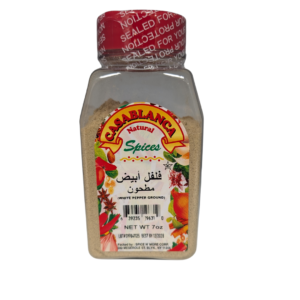

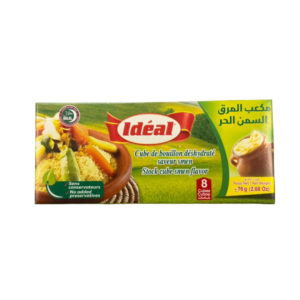

Stocking up for chicken tagine with preserved lemon? Explore our Moroccan cooking oils and bouillon cubes, and see our shipping policy for delivery times.
Chicken Tagine with Preserved Lemon FAQs
What is chicken tagine with preserved lemon called in Morocco?
It is usually called djaj mqualli, also spelled mkalli or m’qualli. Djaj means chicken, and mqualli describes the golden sauce made with oil, onions, ginger, saffron and pepper.
Do I need a clay tagine to make it?
No. A heavy Dutch oven or a wide pan with a tight lid works very well. If you use a clay tagine, put a heat diffuser under it and keep the heat low to avoid cracking.
Do you eat the preserved lemon rind?
Yes. The softened rind is the part most cooks use, cut into strips or chopped. The pulp is usually scooped out and discarded, or used sparingly, because it can make the sauce sharp.
What can I use instead of preserved lemon?
Fresh lemon zest with a squeeze of lemon juice and a little extra salt is the closest quick swap. The flavor is brighter and less mellow, so add it at the end and taste as you go.
Which olives are best for chicken tagine with preserved lemon?
Green cracked olives or reddish violet olives are traditional. Rinse or briefly blanch them to remove excess salt and bitterness. Strong oil-cured black olives can be used in small amounts for a bolder twist.
How long does chicken tagine take to cook?
Plan on about 1 to 1.5 hours in total. The chicken braises for 45 to 60 minutes in a pot, or up to about 1 hour 15 minutes in a clay tagine, plus 10 to 15 minutes with the lemon and olives.
Why is my tagine sauce too thin?
Usually too much water was added or the lid stayed on the whole time. Lift out the chicken and simmer the sauce uncovered until it thickens and turns glossy, then return the chicken.
Can I make chicken tagine with preserved lemon ahead of time?
Yes. It reheats very well and often tastes better the next day. Refrigerate within 2 hours, eat within 3 to 4 days, and reheat until steaming hot, at least 165°F.
Further reading: Tajine (Wikipedia) · Saveur: Djaj Mqualli · FoodSafety.gov temperature chart
Cook Your First Tagine This Weekend
Saffron, ginger, olive oil and olives for an authentic chicken tagine with preserved lemon, delivered anywhere in the USA.
Shop Moroccan Spices Shop All Products