Chakhchoukha Algeria’s Festive Bread and Lamb Feast
Discover chakhchoukha, the celebration dish of eastern Algeria: torn semolina flatbread soaked in a spicy red lamb and chickpea sauce. Learn its history, regional styles and a full home recipe.
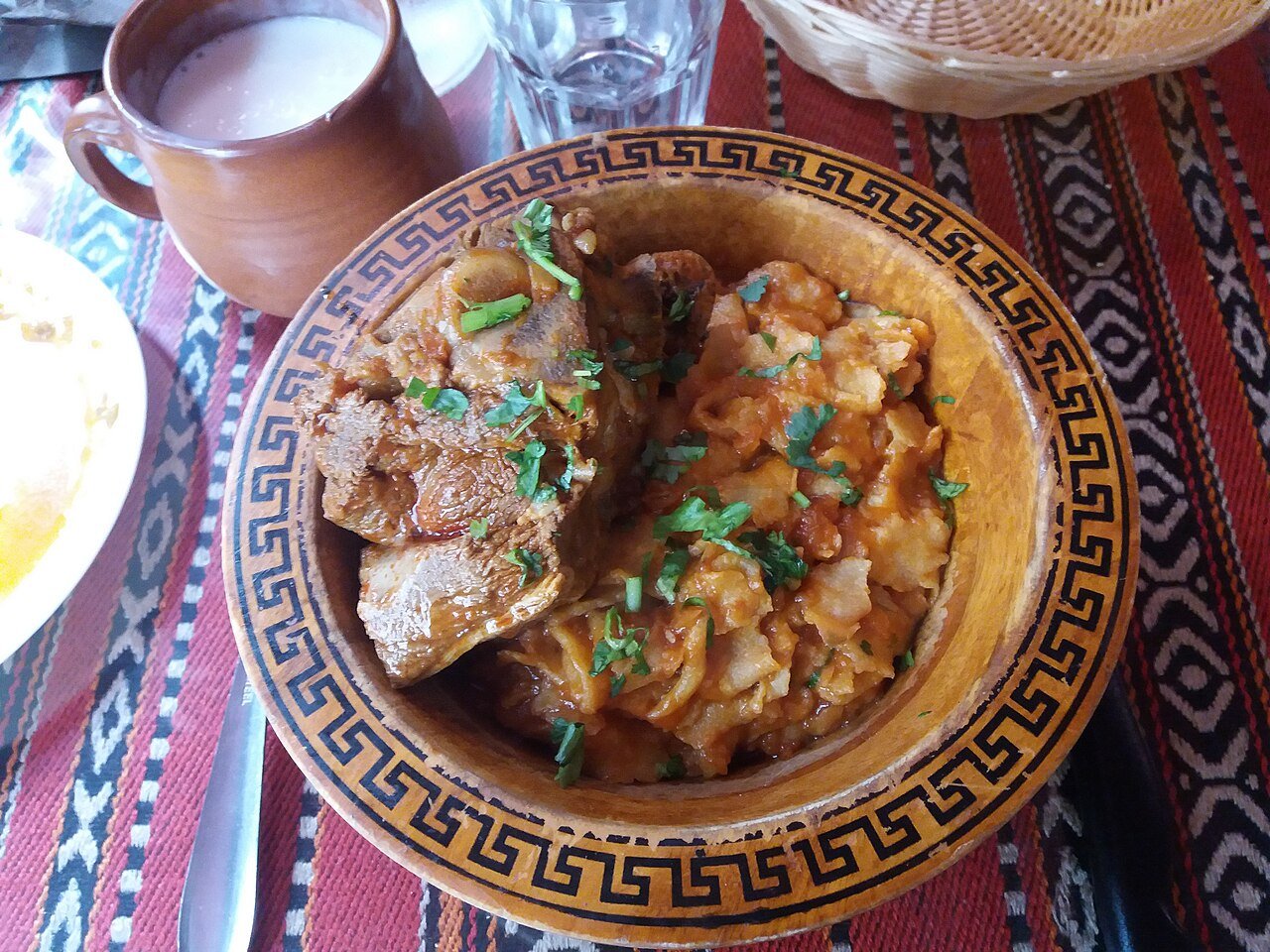
Chakhchoukha is a traditional Algerian dish of very thin semolina flatbread, torn into small pieces, steamed and soaked in a rich red sauce of lamb, chickpeas, tomato and warm spices. It comes from the Chaoui Berber communities of eastern Algeria and is closely linked to Biskra, Batna, M’Sila and Constantine. Families serve it at holidays, celebrations and big gatherings, usually in one large shared dish.
Your Complete Chakhchoukha Guide
If couscous is the everyday heart of the North African table, this is the dish that says “today is special.” It brings together homemade flatbread, slow-cooked lamb and a deep red sauce scented with paprika, caraway and chili, all piled into one generous platter.
Outside Algeria the dish is still little known, so this guide covers everything: where it comes from, how the Biskra and Constantine styles differ, and a step-by-step recipe you can cook in a US kitchen with spices from our spice collection and pantry staples from our Algerian products range.
Chakhchoukha at a Glance
What Is Chakhchoukha?
It is a one-platter feast built in two parts. The first is rougag, a thin round of semolina dough cooked on a hot griddle, then torn by hand into small pieces. The second is the marqa, a red stew of meat and chickpeas that soaks into the bread.
The torn bread is steamed until soft, moistened with sauce and butter, and topped with the meat and vegetables. The result sits somewhere between couscous and a hearty bread stew: tender, saucy and full of flavor.
Where the name comes from
According to the Wikipedia entry on chakhchoukha, the name is linked to a Chaouia Berber word meaning to crumble or tear into small pieces. That is exactly what happens to the bread. You may also see the spelling chekhchoukha or the Arabic شخشوخة.
Origins of Chakhchoukha and Its Celebrations
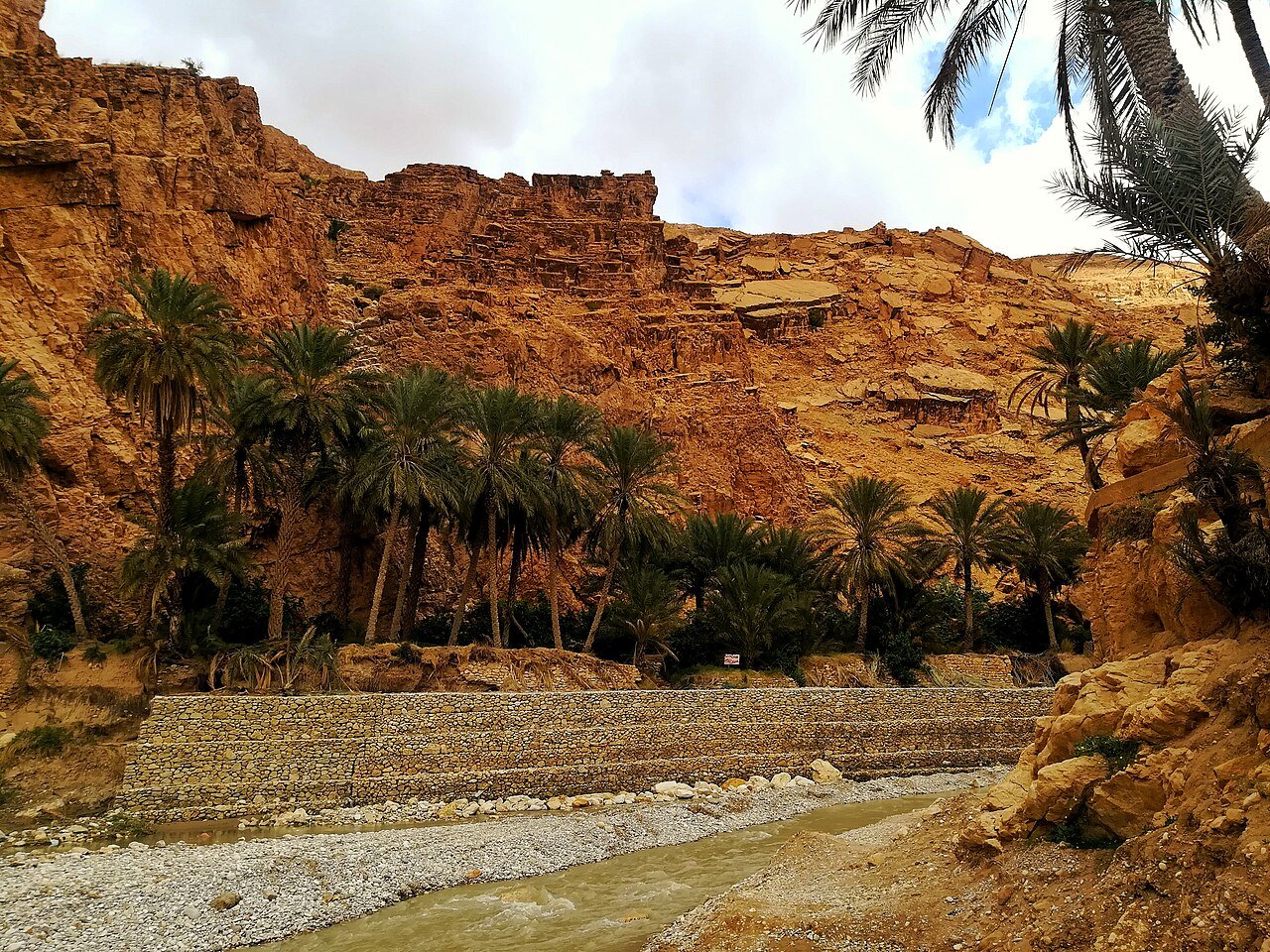
The dish began as a specialty of the Chaoui people, the Berber communities of the Aurès mountains and the surrounding plains in eastern Algeria. Over time it spread across the country and became a national favorite.
Its strongest home is Biskra, the oasis city on the northern edge of the Sahara. Encyclopaedia Britannica describes Biskra as the center of the Ziban oases, with the Aurès massif rising to the north and famous Deglet Nour dates growing nearby.
A dish for big days
Because the bread takes skill and time, this is festive food. It is commonly cooked for Mawlid, the Prophet’s birthday, for Ashura and for Yennayer, the Amazigh New Year in January. Many families also prepare it for weddings, the return of a traveler or a large family Friday lunch.
The dish also belongs to a much wider semolina tradition. Rolling, steaming and sharing grain dishes is so central to life in the region that UNESCO added the knowledge and practices of couscous, shared by Algeria, Mauritania, Morocco and Tunisia, to its intangible heritage list in 2020. The torn-bread feast grows from the same kitchen skills.
Regional Styles of Chakhchoukha
Every town in eastern Algeria claims its own version. These are the three styles you are most likely to meet.
Chakhchoukha biskria
The most famous style. Thin rougag is torn into small pieces and soaked in a fiery red lamb sauce with chickpeas, often finished with vegetables and boiled eggs. Expect real chili heat.
Chakhchoukha dfar
A city version made with a thicker baked bread broken into pieces, soaked in a spiced tomato sauce enriched with butter and herbs, usually with meat and sometimes carrots.
Highland styles
Around Batna, Barika and M’Sila, cooks use their own local breads and seasonal vegetables. The red sauce and the communal platter stay the same, and each family guards its own spice balance.
Local breads, same red marqa.
Common add-ins by season
Lamb first
Lamb shoulder or neck is traditional. Beef or chicken drumsticks make lighter weeknight versions.
Chickpeas
Almost every version includes chickpeas, soaked overnight and simmered in the sauce until creamy.
Potato and zucchini
Potatoes, zucchini, carrots or turnips are added depending on the season and the household.
Boiled eggs
Halved hard-boiled eggs on top are a classic festive touch, especially in Biskra.
Green chilies
Whole green chilies are often simmered in the sauce and served on top for those who like extra fire.
Parsley or cilantro
A handful of chopped fresh herbs adds color and freshness just before serving.
Bread, Sauce and Spices
A great platter depends on three things working together: bread that is thin enough to absorb sauce, a sauce that is rich but not greasy, and a balanced spice mix with gentle warmth and real heat.
Rougag, the torn bread
Rougag (also called trid in some areas) is made from fine semolina, water and salt, kneaded until very smooth and stretched almost paper thin. It is cooked briefly on a dry griddle so it stays pale and flexible, never crisp.
Marqa, the red sauce
The marqa starts with onion, garlic and olive oil. Tomato paste, grated tomatoes and spices turn it brick red, and lamb and chickpeas simmer in it for about an hour until tender.

The chakhchoukha spice table
| Spice | Role in the sauce | Amount for 6 servings | Try |
|---|---|---|---|
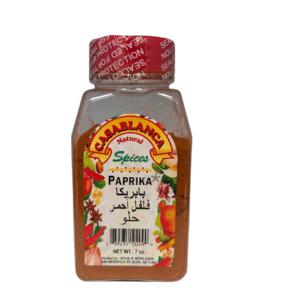
| Sweet paprika | Deep red color and mild sweetness | 1 tablespoon | Casablanca paprika |
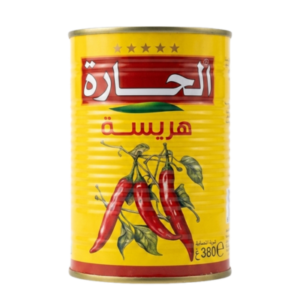
| Hot chili or harissa | The signature heat of Biskra | 1 to 2 tablespoons harissa, to taste | El Hara harissa |
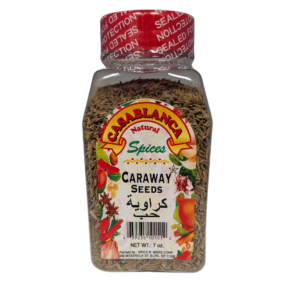
| Caraway | Earthy, slightly anise-like warmth, very Algerian | 1 teaspoon ground | Caraway seeds |
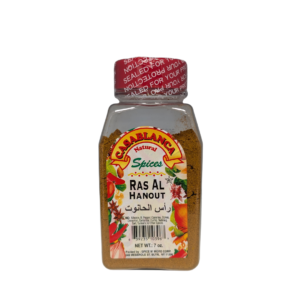
| Ras el hanout | Round, layered aroma | 1 teaspoon | Ras el hanout |
| Black pepper | Sharp background note | 1/2 teaspoon | Whole black pepper, freshly ground |
| Cumin (optional) | Savory depth, used by some families | 1/2 teaspoon | Ground cumin |
New to harissa? Our guide What Is Harissa explains its heat level and how to use it, which is useful before you season your first pot.
How to Make Chakhchoukha Step by Step
This recipe serves 6. Start the chickpeas the night before, and make the bread while the sauce simmers. A couscoussier (steamer pot) is ideal, but a large pot with a fitted steamer basket works too.
For the rougag bread
- 3 1/2 cups (about 600 g) fine semolina
- 1 teaspoon salt
- About 1 1/2 cups warm water
- Olive oil for your hands and work surface
For the marqa sauce
- 2 lb lamb shoulder or neck, cut into large pieces
- 3 tablespoons olive oil
- 2 onions, grated; 4 garlic cloves, crushed
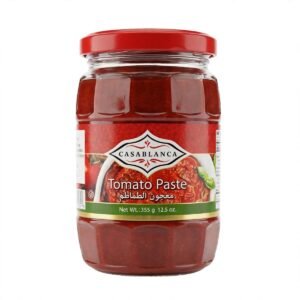
- 2 tablespoons tomato paste and 2 ripe tomatoes, grated
- 1 tablespoon sweet paprika, 1 teaspoon ground caraway, 1 teaspoon ras el hanout, 1/2 teaspoon black pepper
- 1 to 2 tablespoons harissa or 1/2 teaspoon cayenne
- 1 cup dried chickpeas, soaked overnight (or two 15 oz cans)
- About 8 cups water, salt to taste
- Optional: 2 potatoes, 2 zucchini, 3 green chilies, 4 hard-boiled eggs
- 2 tablespoons butter or smen for finishing
Method
- Start the sauce. Warm the oil in the bottom of the couscoussier. Add the lamb, onions, garlic, salt and all the spices and stir over medium heat for 8 to 10 minutes.
- Add tomato and chickpeas. Stir in the tomato paste and grated tomatoes, cook 5 minutes, then add drained dried chickpeas and the water. Bring to a boil.
- Simmer. Cover and simmer gently for about 1 hour, until the lamb is nearly tender. Canned chickpeas go in only for the last 15 minutes.
- Make the dough. Meanwhile, mix semolina and salt, then add water gradually and knead for 10 to 15 minutes until smooth and elastic. Cover and rest 30 minutes.
- Stretch and cook. Divide into 8 balls. With oiled hands, press and stretch each one on an oiled surface into a very thin round. Cook on a hot dry griddle or cast-iron pan for about 1 minute per side, until dry with a few pale spots.
- Tear the bread. Let the rounds cool slightly, then tear them into pieces about the size of a postage stamp.
- Steam the bread. Add vegetables to the sauce. Put the bread in the steamer top over the simmering pot and steam 15 minutes. Tip it into a wide bowl, sprinkle with a ladle of sauce, rub in the butter and steam again for 10 minutes.
- Assemble. Spread the bread on a large platter, ladle plenty of sauce over it, then arrange the lamb, chickpeas, vegetables, chilies and egg halves on top. Serve extra sauce on the side.

8 Tips for Perfect Chakhchoukha
Most problems come from thick bread, rushed sauce or too much liquid at once. These tips help your first attempt taste like it came from a Biskra kitchen.
Knead longer than you think
Well-kneaded semolina dough stretches thin without tearing. If it resists, rest it 10 more minutes.
Thin is the goal
Aim for rounds almost thin enough to see through. Thick bread stays chewy and never drinks up the sauce.
Cook the bread pale
Pull each round as soon as it looks dry. Browned, crisp bread breaks into hard shards.
Bake the rougag a day early
Cooked and torn bread keeps 2 to 3 days in a cloth bag, or longer in the freezer, which makes the big day easier.
Fry the spices first
Cooking paprika and caraway in oil with the meat for a few minutes brings out their color and aroma.
Soak them overnight
Dried chickpeas give the best texture. Soak at least 8 hours in plenty of water and drain before cooking.
Season at the end
Taste the sauce after it reduces. Adjust salt and harissa last, since flavors concentrate as it simmers.
Finish with smen or butter
A little butter rubbed into the steamed bread gives a glossy, rich finish. Smen stock cubes can add that aged-butter flavor to the sauce.
Serving Chakhchoukha on the Festive Table
Traditionally, the dish is served in one large, wide platter placed in the middle of the table, and everyone eats from their own side of the platter. The meat is often divided by the host so each guest gets a fair share.
Serve it hot, with extra sauce in a bowl so people can moisten their portion. Bread is rarely needed on the side, since the dish already is bread, but a simple salad and a bowl of olives make good companions.
What to drink
Buttermilk (lben) is a classic cooling partner for spicy Algerian dishes. After the meal, a pot of mint tea helps settle a rich feast. Browse our tea time collection for green tea and sugar.
Leftovers
Keep the sauce and the bread separate if you can. Refrigerate up to 3 days, then re-steam the bread for 10 minutes and reheat the sauce before combining. Mixed leftovers taste good too, just softer.
| Occasion | How it is served |
|---|---|
| Mawlid | A family platter shared at lunch or dinner |
| Ashura | A festive family meal, a long-standing tradition in many homes |
| Yennayer | A saucy dish on New Year’s Day after the dried-foods eve |
| Weddings and gatherings | Huge platters made by several cooks together |
Shopping and Substitutes in the USA
Most of what you need is easy to find in the United States. The spices and the harissa are where an authentic North African brand makes the biggest difference.
Semolina and bread
We do not currently stock semolina or ready-made rougag. Fine semolina is sold in many Middle Eastern, Italian and international grocery stores. Some Algerian bakeries and online sellers offer ready rougag, and very thin flour tortillas or lavash are a fair shortcut when you are short on time.
Chickpeas, lamb and tomatoes
Dried or canned chickpeas are in every US supermarket. Halal butchers usually carry lamb shoulder, and good tomato paste builds a deep color in the sauce.

Quick substitution guide
| If you do not have | Use instead |
|---|---|
| Rougag | Thin lavash or flour tortillas, lightly toasted and torn |
| Lamb | Beef chuck or bone-in chicken pieces (cook chicken about 40 minutes) |
| Dried chickpeas | Two 15 oz cans, drained, added near the end |
| Harissa | Cayenne pepper to taste, plus a little extra paprika |
| Smen | Unsalted butter |
| Couscoussier | A large pot with a steamer basket and a tight lid |
Best Chakhchoukha Ingredients to Buy in the USA
Authentic North African spices, harissa and olive oil for a proper red marqa, shipped to all 50 states.
Planning a feast? Check our shipping policy for delivery times before the big day.
Chakhchoukha FAQs
What is chakhchoukha made of?
It is made of rougag, a very thin semolina flatbread torn into small pieces and steamed, soaked in a red sauce of lamb, chickpeas, onion, tomato and spices such as paprika, chili and caraway. Vegetables and boiled eggs are common additions.
Where does chakhchoukha come from?
It comes from eastern Algeria and began as a specialty of the Chaoui Berber people. It is most closely linked with Biskra, as well as Batna, M’Sila and Constantine, and is now eaten across the country.
Is chakhchoukha the same as shakshuka?
No. Shakshuka is a dish of eggs poached in tomato and pepper sauce. Chakhchoukha is a bread and meat dish built on torn semolina flatbread. Only the names sound similar.
Is chakhchoukha spicy?
The Biskra style is known for real heat from dried red chili or harissa and whole green chilies. You can make it milder by reducing the chili and adding more sweet paprika.
When is chakhchoukha eaten?
It is festive food, often prepared for Mawlid, Ashura and Yennayer, the Amazigh New Year, and for weddings and large family gatherings.
Can I make chakhchoukha without a couscoussier?
Yes. Use a large pot of simmering sauce with a steamer basket set on top and a tight lid. You can also soften the torn bread by sprinkling it with hot sauce and covering the bowl for a few minutes.
Can I use store-bought bread for chakhchoukha?
Ready-made rougag gives the most authentic result. In a pinch, very thin lavash or flour tortillas, lightly toasted and torn, will absorb the sauce well, though the texture is slightly different.
What is the difference between chakhchoukha biskria and dfar?
Biskria uses paper-thin rougag torn into small pieces in a spicy lamb and chickpea sauce. The Constantine dfar style uses a thicker baked bread broken into pieces and a buttery tomato sauce with herbs.
Further reading: Chakhchoukha (Wikipedia) · Britannica: Biskra · UNESCO: Couscous heritage
Cook a Feast Algerian Style
Harissa, paprika, caraway and ras el hanout for your festive platter, delivered anywhere in the USA.
Shop Algerian Products Shop All Products