Bouillon Cubes Explained How to Choose and Use Them
What is inside a stock cube, how much water to use, how North African cooks build couscous broth, harira and tagines with them, and how to keep the salt in check.
Bouillon cubes are small blocks of dehydrated stock, salt, fat and seasonings that turn plain water into broth in a couple of minutes. Dissolve one cube in the amount of hot water printed on the box, or crumble it straight into a simmering pot. Because they are salty, add the cube first and taste before adding any more salt.
Your Complete Stock Cube Guide
Open almost any North African pantry and you will find a box of stock cubes next to the cumin and paprika. They are the quiet helper behind weeknight couscous broth, a fast pot of lentils, golden rice and the savory base of many soups. A single cube costs little, keeps for months and saves an hour of simmering bones.
Not all cubes are the same, though. Some taste mostly of salt, while others carry real chicken, herbs or a buttery smen note. Below you will learn what is in them, how to use them well, which flavors suit which dishes, and how they fit next to the rest of our Moroccan spices and pantry staples.
Bouillon Cubes at a Glance
What Are Bouillon Cubes?
A bouillon cube is dried broth pressed into a small block. Most are about half an inch wide and wrapped in foil to keep out moisture. Drop one into hot water and it breaks down into a seasoned broth.
The word bouillon is simply French for broth. In the United States the terms bouillon and stock are used almost interchangeably, while chefs use stock for long-simmered bones and broth for a lighter, seasoned liquid.
What is inside bouillon cubes
Typical bouillon cubes contain salt, a small amount of fat, dehydrated meat or vegetable stock, flavor enhancers such as MSG, and seasonings. Vegetarian and vegan versions use vegetable extracts in place of meat.
The quality range is wide. Budget cubes lean on salt, fat and added flavors, and a “beef flavor” cube may contain no beef at all. Better cubes rely more on real meat, bone or vegetable extract, plus herbs and spices such as onion, turmeric, coriander or parsley.

A Short History of the Stock Cube
People have tried to make broth portable for centuries. In the 1700s and 1800s, sailors and explorers carried “portable soup,” a hard, dried meat jelly sometimes nicknamed pocket soup. It was the ancestor of the modern stock cube.
In the mid-1800s the German chemist Justus von Liebig developed a concentrated meat extract. It was popular but expensive, which pushed manufacturers to look for something cheaper and easier to portion.
Factory-made cubes arrived in the early 20th century. Maggi brought its cube to market in 1908, Oxo followed in 1910 and Knorr in 1912. By 1913 at least ten brands were for sale, and their salt content ranged from about 59 to 72 percent, a reminder that salt has always been the backbone of the product.
From Europe, stock cubes spread around the world. Today they are a pantry basic across North and West Africa, the Middle East, Latin America and Asia. You can read more about the product’s background in the bouillon cube entry on Wikipedia.

Bouillon Cubes vs Powder, Paste and Stock
Instant bouillon is also sold as powder, granules, paste and liquid concentrate. Here is how the cube compares with the other options in a home kitchen.
| Form | Best for | Pros | Watch out |
|---|---|---|---|
| Bouillon cubes | Couscous broth, soups, tagines, rice | Pre-portioned, cheap, long shelf life, easy to crumble | Hard to use half a cube neatly; salty |
| Powder or granules | Seasoning rice, sauces, small batches | Measure by the teaspoon, dissolves fast | Easy to overuse; can clump once opened |
| Paste or concentrate | Gravies, braises, everyday soups | Often richer flavor, scoop what you need | Needs the fridge after opening |
| Carton broth | Large pots of soup | Ready to pour, no mixing | Bulky to store, shorter life once open |
| Homemade stock | Special meals, full control of salt | Best body and flavor | Takes hours and freezer space |
When bouillon cubes are the smart choice
Cubes shine when you cook big family pots, because one cube is already measured for a set amount of water. They travel well, never leak and keep for months in a drawer, which is why so many households buy them by the box.
How to Use Bouillon Cubes
There are two easy ways to cook with a cube. You can make a broth first, or you can let the cube melt straight into the food.
Method 1: make a broth
Bring water to a boil, drop in the cube and stir for one to two minutes until it fully dissolves. Use the broth for soups, couscous, rice or a pan sauce. Always follow the water amount printed on your box, since cube sizes differ.
Method 2: crumble it in
Crumble the cube with your fingers over a simmering tagine, a pot of beans or a sauce. It dissolves into the cooking liquid and seasons everything at once. This is how many North African cooks use them every day.
How much water per cube?
It depends on the brand. Many US cubes are made for about 1 to 2 cups of water, while family-size cubes are bigger. The Knorr lamb box we carry, for example, states that each 9 g cube makes about 1 liter (roughly 4 cups) of broth.
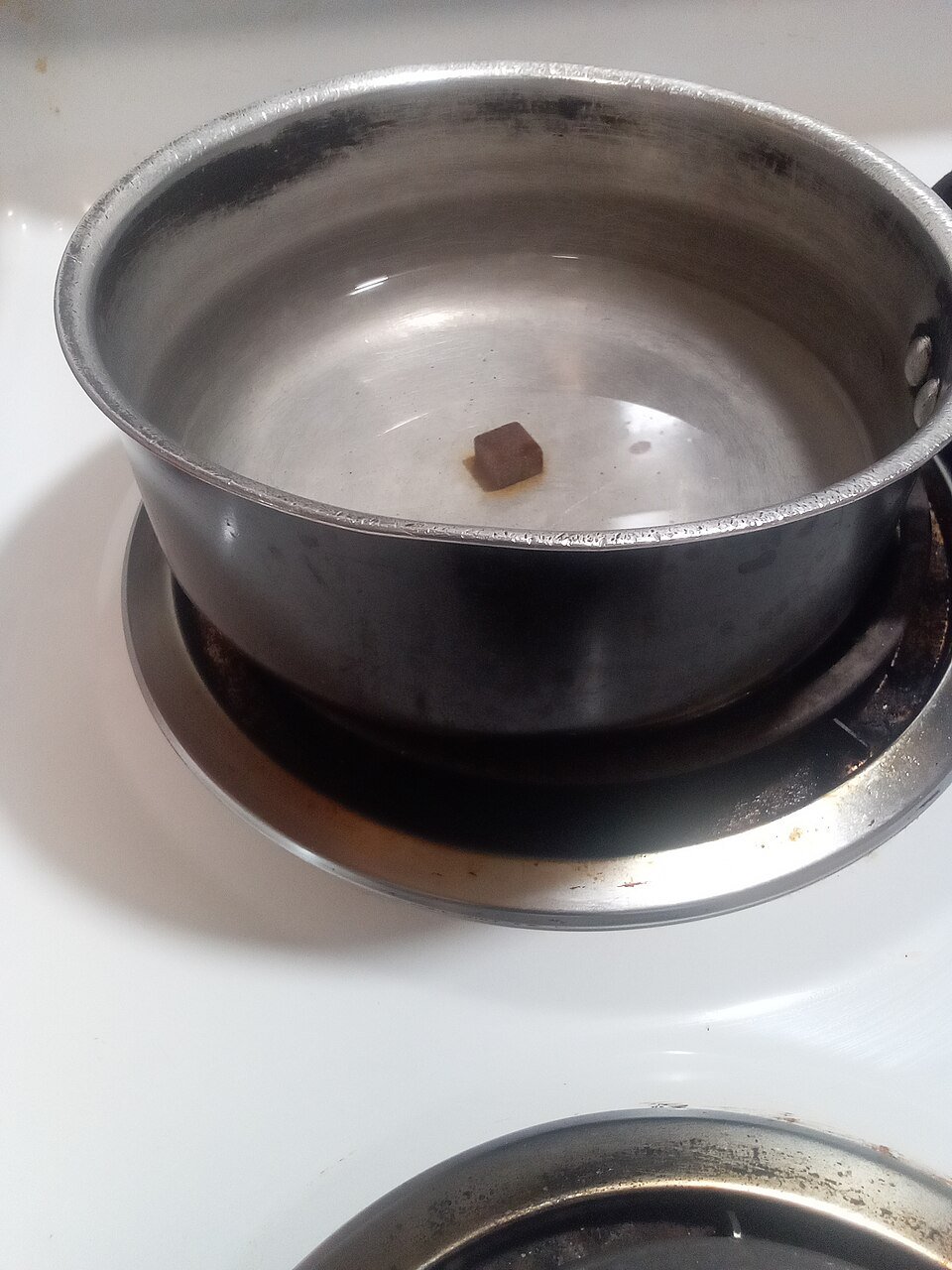
Add the cube before the salt
Cubes already contain plenty of salt. Taste after they dissolve, then decide if you need more.
Use hot liquid
Cold water dissolves cubes slowly and leaves grainy bits. Hot water or a simmering pot works best.
Fry it with onions
For tagines, crumble the cube into the oil with onions and spices for a minute. It deepens the flavor.
Start with less
For a pot of 8 to 10 cups, one or two cubes is usually plenty. You can always add, never take away.
Season the cooking water
Dissolve a cube in the water for rice, freekeh or pasta so every grain picks up savory flavor.
Finish with freshness
A squeeze of lemon, chopped cilantro or parsley lifts a cube-based broth and keeps it from tasting flat.
Bouillon Cubes in North African Cooking
In Morocco, Algeria and Tunisia, bouillon cubes come in flavors you rarely see in a US supermarket. Each one is built for a specific family of dishes.
Golden color for tagines
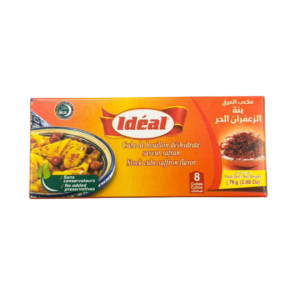
Saffron-flavor cubes give chicken tagine, rice and couscous broth a warm yellow color and a gentle floral note. They are a budget-friendly partner to real saffron threads.
Buttery, aged depth
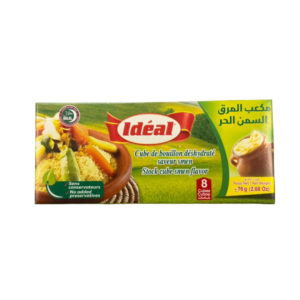
Smen is the aged, salted butter of North African cooking. Smen-flavor bouillon cubes add that rich, slightly funky note to couscous, harira and chorba without a jar of smen in the fridge.
Built for soup season
Special harira cubes, with celery and beef aroma on the box, save time during Ramadan when a big pot of soup is made almost every evening.
Which bouillon cubes go with which dish?
Seven-vegetable couscous
Lamb, chicken or smen cubes in the broth under the couscoussier. Steam medium couscous above it.
Chicken with olives
Crumble a saffron or chicken cube into the onions, then add ginger, turmeric and a little water.
Harira and chorba
A harira or herb cube plus tomato paste, lentils and chickpeas gives a deep base fast.
Loubia and lentils
White bean stew and lentil stew both taste richer with one cube and a spoon of ground cumin.
Golden rice
Cook rice in water seasoned with a saffron cube for a bright side dish (recipe below).
Vegetable soups
Herb and vegetable cubes keep lighter soups savory without meat.
Making harira this week? Pair your cube with Tayeb tomato paste, and if you like heat, see our guide to harissa for a spoonful on top.
Golden Saffron Rice With Bouillon Cubes
This easy side shows how much bouillon cubes can do with very little effort. It serves 4 and is ready in about 25 minutes.
Ingredients
- 1 1/2 cups long-grain rice, rinsed until the water runs clear
- 1 saffron-flavor or chicken bouillon cube
- About 3 cups hot water (or the amount your rice package suggests)
- 2 tablespoons olive oil or butter
- 1 small onion, finely chopped
- Optional: a pinch of real saffron threads, soaked in 2 tablespoons hot water
- Optional: a handful of toasted almonds and chopped parsley to finish
Method
- Dissolve. Stir the cube into the hot water until no lumps remain. Add the soaked saffron if using.
- Soften the onion. Warm the oil in a pot over medium heat and cook the onion for 4 to 5 minutes until soft.
- Toast the rice. Add the drained rice and stir for 2 minutes so every grain is coated.
- Simmer. Pour in the broth, bring to a boil, then cover and cook on low for 15 to 18 minutes.
- Rest. Turn off the heat and leave the lid on for 5 minutes, then fluff with a fork.
- Taste and finish. Taste before adding any salt. Top with almonds and parsley.
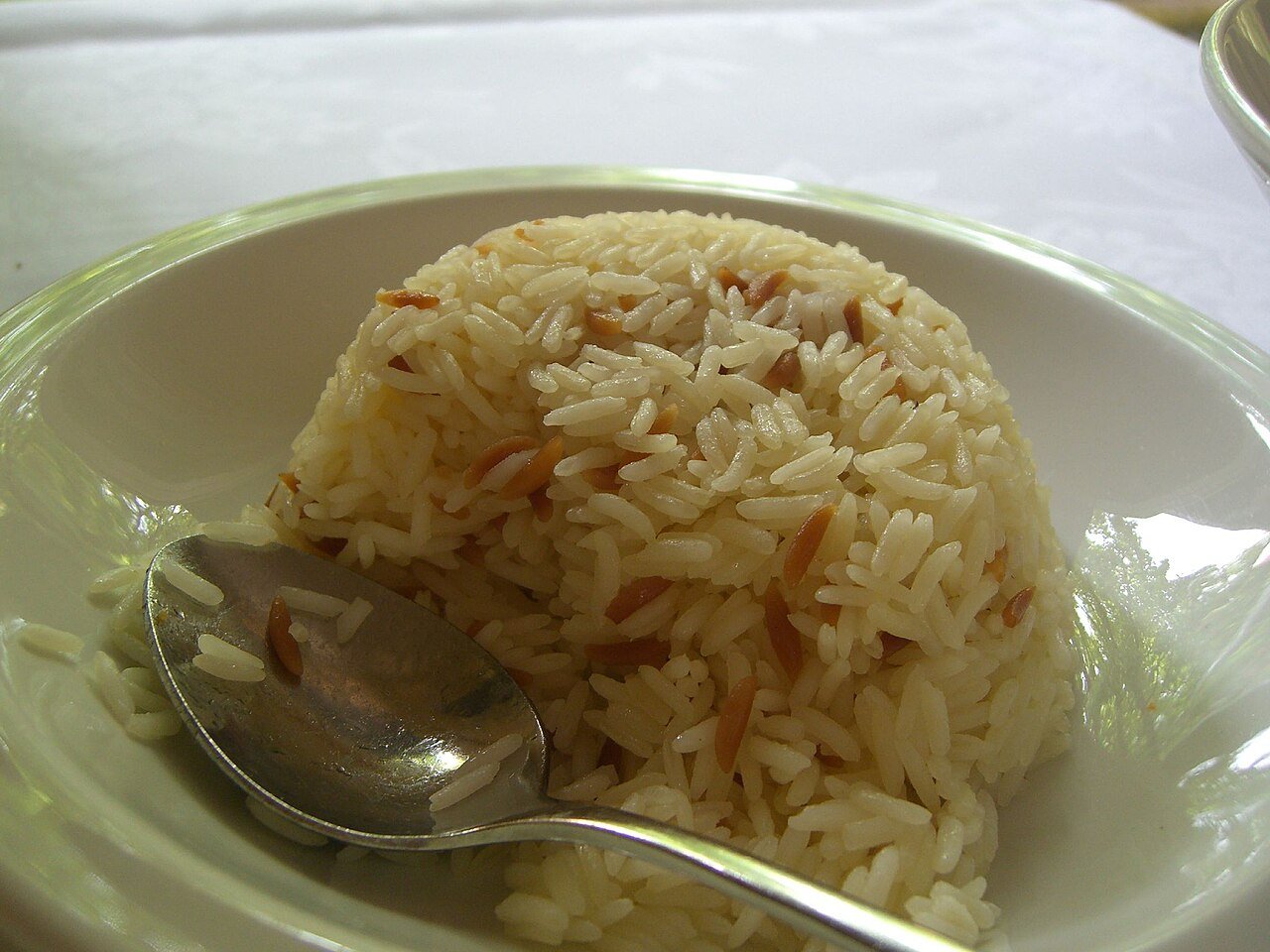
Make it your own
Swap in a smen cube for a richer, buttery taste. Add a cinnamon stick and a few raisins for a sweet-savory version, or stir in cooked chickpeas to make it a light meal.
For a deeper golden color, add a pinch of pure Moroccan saffron. Real threads bring aroma that flavored bouillon cubes can only hint at.
Are Bouillon Cubes Healthy? Salt, MSG and Labels
General information only, not medical advice. Bouillon cubes are a seasoning, not a health food. Their main issue is sodium: stock cubes are high in salt by design, and a broth made from one cube can supply a large share of a day’s sodium.
The US Food and Drug Administration sets the Daily Value for sodium at less than 2,300 mg a day and notes that Americans eat about 3,400 mg on average. The FDA also says more than 70 percent of the sodium we eat comes from packaged and prepared foods.
What about MSG?
Many cubes contain monosodium glutamate. The FDA classifies added MSG as generally recognized as safe, and it must be listed by name on the ingredient label. Ingredients such as yeast extract and hydrolyzed vegetable protein also contain natural glutamate, so products with them cannot claim “No MSG.” See the FDA questions and answers on MSG for details.
| Label check | What it tells you |
|---|---|
| Sodium and %DV | 5% DV or less per serving is low; 20% DV or more is high. |
| Serving size | Often one cube or part of a cube in a set amount of water. |
| First ingredients | Salt first is normal; real meat or vegetables higher up means more natural flavor. |
| Allergens | Some cubes contain wheat, celery, milk or soy. Check if you have allergies. |
Easy ways to use less salt
Use half a cube and boost flavor with onion, garlic, cumin, ginger and fresh herbs. Skip extra salt until the end, and choose low-sodium cubes if your doctor has asked you to watch sodium.
Homemade Stock and Easy Swaps
A homemade stock gives the best body and lets you control salt completely. Simmer chicken or lamb bones, or a mix of onions, carrots, celery, tomato and herbs, for 1 to 3 hours. Strain, cool and freeze in portions.
Some cooks even make their own bouillon cubes by reducing stock and seasoning until thick, then freezing it in ice cube trays. Frozen stock cubes work like store-bought ones but need the freezer.
No cube? Try these swaps
- Tomato paste plus spices: a spoon of paste with cumin, paprika and a pinch of salt.
- Ras el hanout: a teaspoon of ras el hanout adds warmth to stews.
- Browned onions: slowly cooked onions add sweetness and depth.
- Soy sauce or miso: a little gives savory depth, but it is salty too.
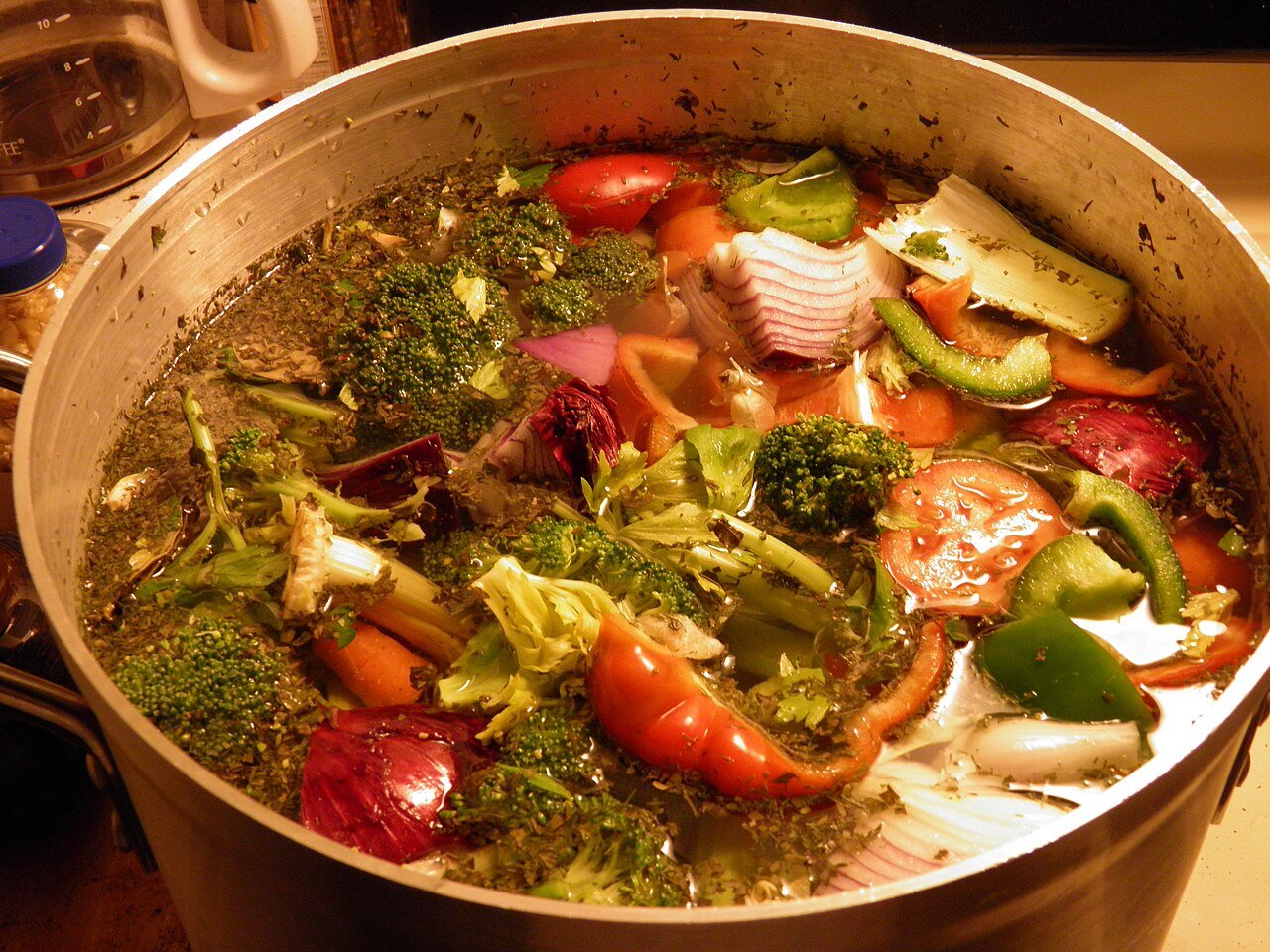
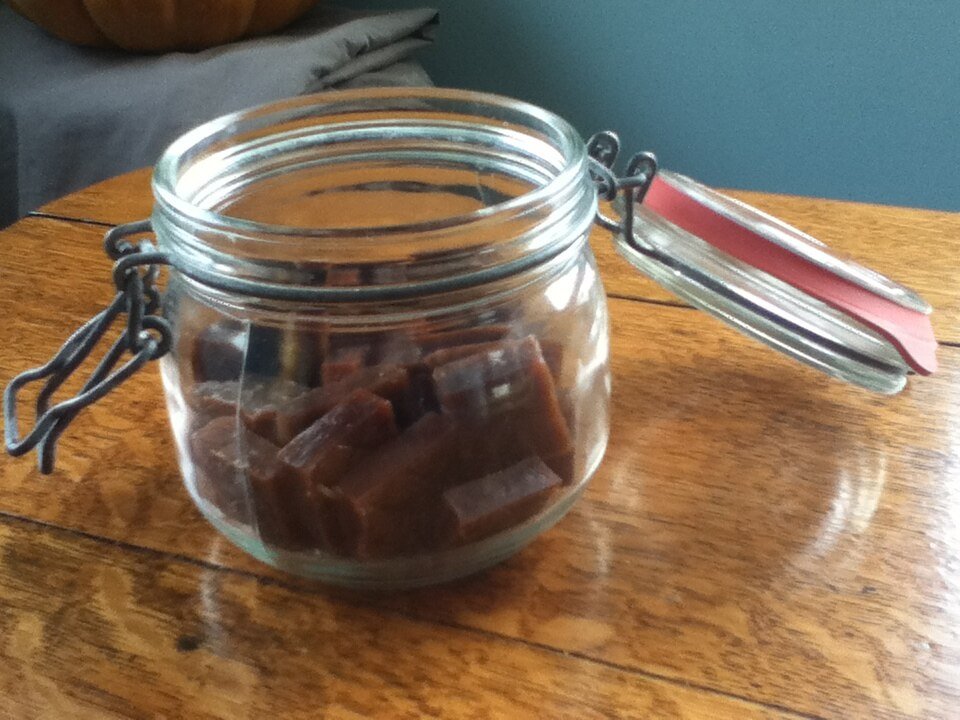
Cubes and homemade stock together
You do not have to choose one or the other. Many home cooks use a light homemade stock or plain water with vegetables and meat, then add one cube for seasoning. It is a practical middle ground for busy weeknights.
If you use homemade stock, you may need more salt and spice than a broth made from a cube. Taste at the end and adjust.
8 Tips for Buying and Storing Bouillon Cubes
A box of cubes lasts a long time if you store it well. These habits keep the flavor fresh and your cooking consistent.
Match the flavor to the dish
Saffron for tagines and rice, smen for couscous, harira cubes for soup, herb cubes for vegetables.
Check the water amount
Family-size cubes may be meant for a full liter. Using too little water makes broth far too salty.
Look for halal markings
Some boxes print a halal logo. If it matters to you, check the box or product page before buying.
Keep them dry
Store unopened cubes in a cool, dry cupboard away from the stove. Humidity makes them soft and sticky.
Close the box well
Once opened, keep loose cubes in an airtight container so they do not absorb kitchen smells.
Respect the best-by date
Old cubes do not usually spoil fast, but the fat can turn stale and the flavor fades over time.
Cut cubes with a knife
Need half? Cut the cube inside its foil with a sharp knife and rewrap the rest tightly.
Buy a few flavors
Keeping two or three kinds of bouillon cubes on hand lets you switch from chicken soup to lamb couscous easily.
Best Bouillon Cubes to Buy in the USA
These North African stock cubes are the flavors families reach for in Morocco and Algeria. All ship from our store to every US state; browse the full bouillon cubes collection.
 Best for hariraIdéal Special Harira Cubes
A ready base for harira, lentil and chickpea soups.
Shop now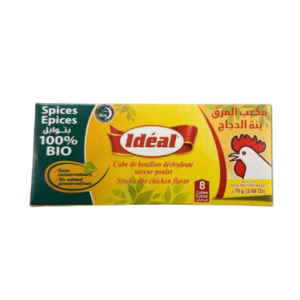

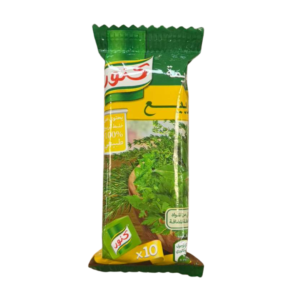 Best for vegetablesKnorr Herb Bouillon Cubes
Fresh herb flavor for lighter soups and lentils.
Shop nowPrefer a 10-pack? Try the Idéal saffron bouillon cubes 10-pack, and check our shipping policy for delivery times.
Bouillon Cubes FAQs
What are bouillon cubes made of?
Most contain salt, a small amount of fat, dehydrated meat or vegetable stock, flavor enhancers such as MSG, and seasonings like onion, herbs and spices. Cheaper cubes rely more on salt and added flavors, while better ones contain more real meat, bone or vegetable extract.
How much water do I use for one bouillon cube?
Follow the box, because sizes vary. Many US cubes are made for 1 to 2 cups of water, while larger family-size cubes, such as the Knorr lamb cubes we carry, are designed for about 1 liter each.
Are bouillon cubes the same as stock cubes?
Yes. In everyday cooking the names bouillon cube, stock cube and broth cube mean the same product: dried, seasoned broth pressed into a small block.
Can I use bouillon cubes without water?
Yes. You can crumble a cube directly into a simmering stew, tagine, sauce or pot of beans. It dissolves in the cooking liquid and seasons the whole dish.
Do bouillon cubes go bad?
They keep for a long time in a cool, dry place, but the flavor fades and the fat can turn stale after the best-by date. Cubes that are damp, discolored or smell off should be thrown away.
Are bouillon cubes high in sodium?
Yes. Stock cubes are salty by design. Taste your dish before adding any more salt, use less of the cube, or choose a low-sodium version if you are watching your sodium intake.
Which bouillon cubes are best for Moroccan cooking?
Saffron cubes suit chicken tagines and golden rice, smen cubes suit couscous and chorba, special harira cubes are made for soup, and lamb or herb cubes work well in stews and vegetable dishes.
Further reading: Bouillon cube (Wikipedia) · FDA: Sodium in Your Diet · FDA: MSG Q and A
Stock Your Pantry for Soup Season
Authentic North African bouillon cubes, spices and couscous, delivered to your door anywhere in the USA.
Shop Bouillon Cubes Shop All Products