Best Olive Oil Brands from North Africa
A practical guide to Moroccan and Algerian olive oils sold in the USA: what the grades mean, how to read a label, how the brands compare and which bottle suits each dish.
The best olive oil brands from North Africa combine a clear grade, a single country of origin and fresh, fruity flavor, and in the US the easiest to find include Mina, El Ouazzania, Alhorra and Mabrouka from Morocco and Akfadou, Masa and Tayeb from Algeria. Pick an extra virgin oil such as Mina or Akfadou for salads, dips and finishing. Choose a virgin oil in a larger bottle or jug for everyday tagines, soups and couscous.
Your Complete Olive Oil Buying Guide
Ask ten North African families about the best olive oil brands and you will get ten loyal answers. Olive oil is a daily staple from Meknes to Kabylie to Sfax. It goes into tagines, soups and salads, onto warm bread at breakfast and over a plate of bissara at lunch.
This guide explains what really separates the best olive oil brands from ordinary bottles, then walks through seven Moroccan and Algerian oils you can order from our cooking oils collection. We cover grades, regions, labels, tasting and storage, so you can choose with confidence instead of guessing.
- 01North African olive oil at a glance
- 02What makes a brand the best
- 03Olive oil grades explained
- 04Morocco, Algeria and Tunisia
- 057 brands worth knowing
- 06Side-by-side comparison
- 07How to read the label
- 08How to taste olive oil at home
- 09Which oil for which dish
- 10Storage, freshness and health
- 11Our picks
- 12FAQs
North African Olive Oil at a Glance
What Makes the Best Olive Oil Brands Stand Out?
A famous name on the bottle does not guarantee a good oil. The best olive oil brands earn trust by being clear and consistent. Here are the five things we look at before adding any oil to our shelves.
1. The best olive oil brands state a clear grade
The label should say exactly what is inside: extra virgin, virgin, or plain “olive oil.” Vague words like “pure” or “light” usually mean a refined blend. Good producers state the grade plainly.
2. A named country of origin
Single-origin oils, such as “Product of Morocco” or “Product of Algeria,” are easier to trust than bottles that blend oils from several countries without saying which. Origin also tells you a lot about flavor.
3. Freshness you can check
Olive oil is a fruit juice, and it fades with time. The best olive oil brands print a best-by date, and some also show the harvest season. Fresher oil smells greener and tastes livelier.
4. Protective packaging
Light and heat break down olive oil. Dark glass, tins and opaque jugs protect it better than clear plastic. A tight cap matters too, because oxygen is the other enemy.
5. Flavor that suits your cooking
There is no single winner for every kitchen. A bold, peppery extra virgin oil shines on salad, while a mellow virgin oil is perfect for a long-simmered tagine. Among the best olive oil brands, the right one is the one that fits your dishes.
Olive Oil Grades Explained Simply
Grades are the language that all the best olive oil brands share. The International Olive Council sets the global definitions, and the USDA’s voluntary US grade standards use the same acidity limits for the top grades.
| Grade | How it is made | Free acidity | Best uses |
|---|---|---|---|
| Extra virgin | Mechanically extracted from olives, no defects, good fruitiness | 0.8% or less | Salads, dips, drizzling, gentle cooking |
| Virgin | Mechanically extracted; may have minor flavor flaws | 2.0% or less | Everyday cooking, stews, frying at moderate heat |
| Olive oil (blend) | Refined olive oil mixed with some virgin oil | 1.0% or less | High-heat cooking, neutral flavor |
| Refined olive oil | Virgin oil treated to remove flavors and defects | 0.3% or less | Mostly used in blends |
| Olive pomace oil | Extracted from the leftover pulp, refined, often blended | 1.0% or less | Budget frying; not a substitute for virgin oil |
What “free acidity” means
Free acidity measures how much the fats in the oil have started to break down, expressed as a percentage of oleic acid. You cannot taste it directly, but low acidity usually points to healthy fruit that was milled quickly after picking.
Acidity is only one test. A true extra virgin oil must also pass a sensory panel, with fruitiness and no defects such as musty or rancid notes. That is why low acidity alone does not make an oil great.
Virgin is not “second best”
Many North African households cook with virgin olive oil every day, whatever they think the best olive oil brands are. It is fully unrefined, and its rounder, riper taste works beautifully in slow-cooked food. Several of the best olive oil brands from Morocco and Algeria sell their virgin oil as the house favorite.
Morocco, Algeria and Tunisia
Olive trees have grown across North Africa for thousands of years, and the region’s oils have their own character. According to production figures summarized on Wikipedia’s olive oil article, Tunisia was the world’s fifth largest producer in 2022 and Morocco the seventh.
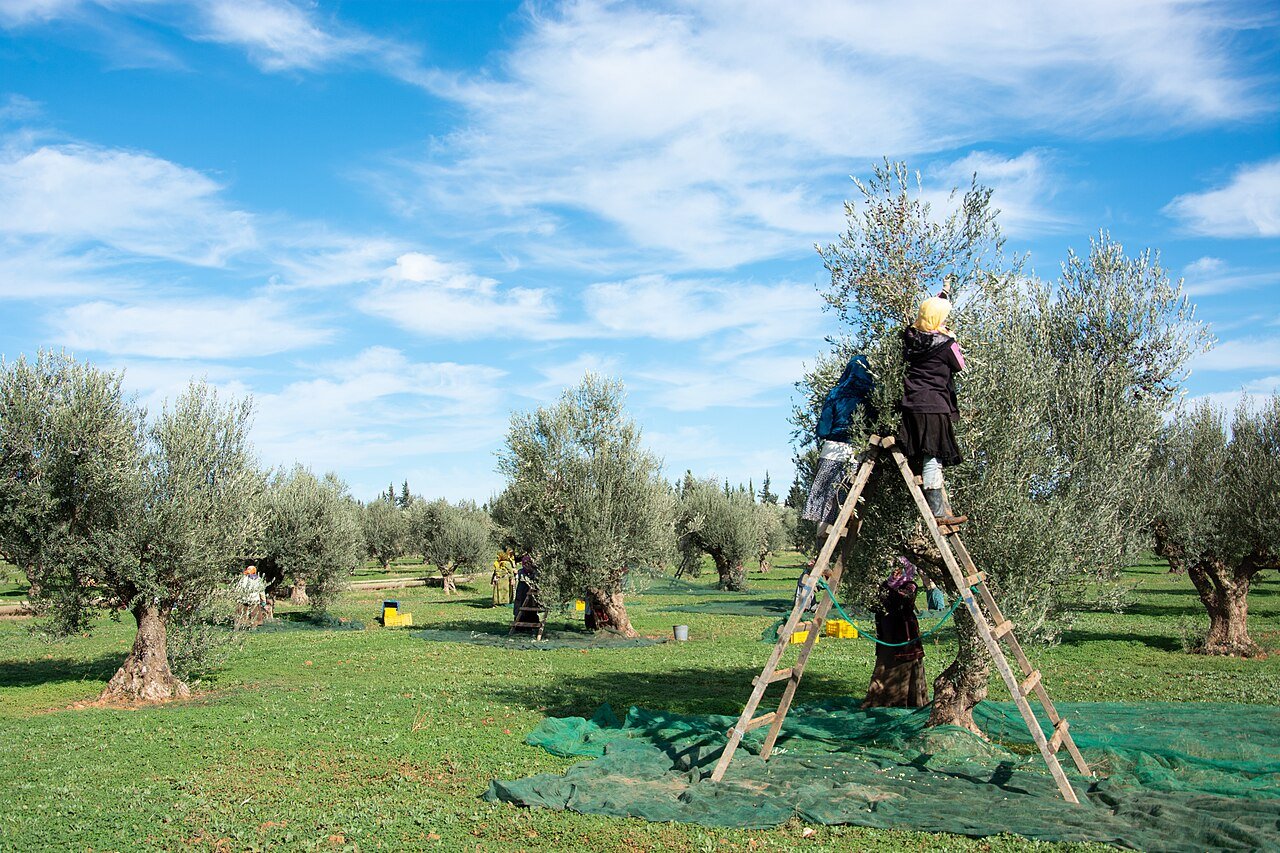
Olives are usually harvested from autumn into winter. Many families still pick by hand or beat the branches onto nets, while large estates use machines and modern mills.
Climate, soil and olive variety all shape the taste. That is why the best olive oil brands from each country can taste so different, even at the same grade.

Fruity and gently peppery
Picholine Marocaine is the country’s most widely planted olive. Its oil is often green and fruity with a mild bitterness. Groves around Meknes, Fes, Ouazzane and the Haouz near Marrakesh are well known.
Mountain oil from Kabylie
Chemlal is Algeria’s best-known oil olive, grown widely in the hills of Kabylie. Oils range from smooth and round to grassy and robust. Families often buy a year’s supply straight after the harvest.
A giant exporter
Tunisia grows vast groves of Chemlali in the center and south and Chetoui in the north. Much of its oil is exported in bulk. We do not stock a Tunisian olive oil right now, but you can explore our Tunisian products.
7 of the Best Olive Oil Brands from Morocco and Algeria
These are the North African bottles our customers reorder most. Details below come from each product listing; taste them side by side to find your favorite among the best olive oil brands.
Mina
A single-origin Moroccan extra virgin oil in a 1 liter glass bottle, made by cold extraction with listed acidity under 0.2%. Fresh, fruity and gently peppery, it is our top choice for salads and dipping.
El Ouazzania EVOO
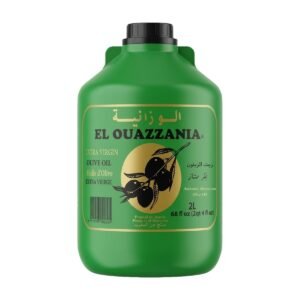
A Moroccan extra virgin oil in a 2 liter family jug. The name evokes Ouazzane, a northern town known for olives. Great value for households that use extra virgin oil daily.
El Ouazzania Virgin
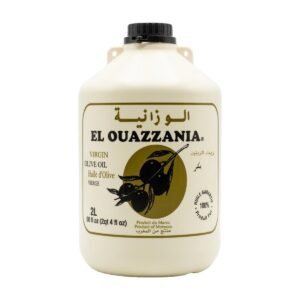
The same brand’s virgin oil in a 2 liter jug with a handle. Rich and fruity, it is made for harira, tagines and couscous.
Alhorra
A 100% Moroccan virgin oil in a 1 liter bottle with a light, golden taste. It suits everyday sautéing, stews and simple salads.
Mabrouka
Another 1 liter Moroccan virgin oil, a good everyday bottle for cooks who want authentic flavor without paying for extra virgin.
Akfadou
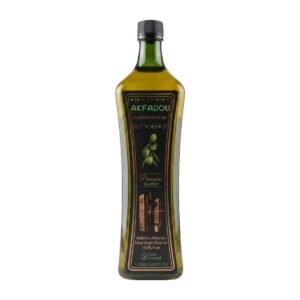
A cold-pressed Algerian extra virgin oil in a 1 liter bottle. Fresh and fruity, it is a favorite for finishing couscous, salads and warm bread.
Masa and Tayeb
Two single-origin Algerian virgin oils in 1 liter bottles, both smooth and fruity for chorba, stews and dipping. Masa and Tayeb are both easy picks.
Best Olive Oil Brands Side by Side
Use this quick table of the best olive oil brands we stock to match a bottle to the way you cook. Sizes and grades are taken from the product listings.
| Brand | Country | Grade | Size | Best for |
|---|---|---|---|---|
| Mina | Morocco | Extra virgin | 1 L glass | Salads, dipping, finishing |
| El Ouazzania EVOO | Morocco | Extra virgin | 2 L jug | Daily extra virgin use |
| El Ouazzania Virgin | Morocco | Virgin | 2 L jug | Tagines, harira, couscous |
| Alhorra | Morocco | Virgin | 1 L | Sautéing and stews |
| Mabrouka | Morocco | Virgin | 1 L | Everyday cooking |
| Akfadou | Algeria | Extra virgin | 1 L | Couscous, salads, bread |
| Masa | Algeria | Virgin | 1 L | Chorba, stews, dipping |
| Tayeb | Algeria | Virgin | 1 L glass | Soups, stews, dipping |
How to choose between the best olive oil brands
- One bottle only? Choose an extra virgin oil. It handles both raw and cooked uses.
- Big family, lots of stews? A 2 liter virgin jug keeps costs down.
- Love bold flavor? Keep a 1 liter extra virgin for the table and a virgin oil for the stove.
- Cooking Algerian dishes? An Algerian oil gives the flavor many families grew up with.
How to Read the Label Like a Pro
Labels on the best olive oil brands are short and specific. Here is what each line tells you and what to watch for.
Grade and origin
Look for “extra virgin” or “virgin” and a named country. “Product of Morocco” or “Produit d’Algérie” is a good sign; “packed in” only tells you where it was bottled.
Dates on the best olive oil brands
A best-by date is required on most bottles. If a harvest season is printed, the newer the better. Try to buy oil within about 18 months of harvest.
“Cold pressed” and “first press”
Under European labeling rules, “cold extraction” means the oil was processed below 27°C (about 81°F). “First press” is largely a traditional phrase today, since modern mills extract oil in a single pass.
Words to be careful with
“Light” refers to flavor and color, not calories. “Pure olive oil” usually means a refined blend. Neither is an extra virgin product.


How to Taste Olive Oil at Home
A side-by-side tasting is the fastest way to find your own favorite among the best olive oil brands. Pour two or three oils and follow these steps.
- Pour. Add about a tablespoon to a small glass or cup.
- Warm. Cup the glass in your hand and cover it for a minute to release the aroma.
- Smell. Look for green notes like cut grass, green apple, tomato leaf or artichoke.
- Sip. Take a small sip and draw in a little air to spread the oil.
- Notice. Mild bitterness on the tongue and a peppery tickle in the throat are good signs of fresh extra virgin oil.
- Reset. Eat a slice of green apple or plain bread between oils.
Rancid oil smells like crayons or old nuts. Musty, vinegary or muddy notes are also defects. If a bottle tastes like that, it is past its best.
Which Oil for Which Dish?
The best olive oil brands from North Africa are made for everyday cooking. Match the grade to the job and you will get more flavor from every bottle.
Salads and zaalouk
Raw dishes show off fresh, peppery oil. Drizzle it over tomato salads, zaalouk or grilled pepper salad just before serving.
Breakfast bread
Warm khobz or msemen dipped in olive oil, sometimes with honey or olives, is a classic Maghreb breakfast.
Tagines and stews
Slow cooking softens oil’s flavor, so a virgin oil is ideal. Start the onions in two to three tablespoons.
Couscous
Rub the grains with a little oil before steaming, or finish a bowl with a spoonful. See our couscous range.
Soups like harira and chorba
A swirl of oil at the start builds flavor, and a few drops of extra virgin on top add aroma.
Harissa and dips
Cover the top of a jar of harissa with oil, or stir oil into it for a dip. Learn more in our harissa guide.
Can you fry with the best olive oil brands?
Yes. Extra virgin olive oil generally has a smoke point of roughly 374 to 419°F, which covers most home sautéing and shallow frying. Keep the heat moderate, and use virgin oil if you fry often, since heat dulls the delicate aromas you pay for in extra virgin.
Olive oil also pairs naturally with other North African staples, from Moroccan olives to tuna packed in olive oil and the warm spices in our Moroccan spices.
Storage, Freshness and Health
Even the best olive oil brands lose flavor if the bottle sits next to the stove. Treat olive oil like a fresh ingredient.
Storage rules
- Keep it in a cool, dark cupboard, ideally below about 59°F to 70°F, away from the oven.
- Close the cap tightly after each use.
- Decant large jugs into a smaller dark bottle for daily use and keep the jug sealed.
- Aim to finish an opened bottle within about two to three months.
- Refrigeration is optional; the oil may turn cloudy but clears at room temperature.
A note on health
General information only, not medical advice. Olive oil is rich in monounsaturated fat and is a central part of the Mediterranean diet. In 2004 the US FDA allowed a qualified health claim saying that limited, not conclusive evidence suggests about 2 tablespoons a day may reduce the risk of heart disease when it replaces saturated fat, without adding calories.
Whichever of the best olive oil brands you choose, olive oil is still calorie dense, at roughly 120 calories per tablespoon. If you have a medical condition or follow a special diet, ask your health care provider what is right for you.

Best Olive Oil Brands to Buy in the USA
Six bottles from the best olive oil brands of North Africa, shipped to all 50 states. Browse every option in our cooking oils collection.

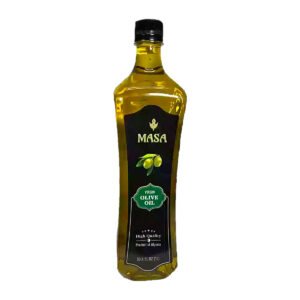
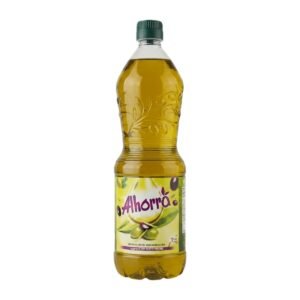
Prefer a different taste? Try Mabrouka or Tayeb, and check our shipping policy for delivery times.
Best Olive Oil Brands FAQs
What are the best olive oil brands from North Africa?
Good, widely available choices in the US include Mina, El Ouazzania, Alhorra and Mabrouka from Morocco, and Akfadou, Masa and Tayeb from Algeria. Choose extra virgin for raw dishes and virgin for everyday cooking.
Is Moroccan olive oil good quality?
Yes. Morocco is one of the largest olive oil producers in the world, and its extra virgin oils, mostly from the Picholine Marocaine olive, are often fruity with gentle bitterness. As with any country, quality depends on the producer, so check the grade and dates.
What is the difference between extra virgin and virgin olive oil?
Both are unrefined and mechanically extracted. Extra virgin must have free acidity of 0.8% or less and no taste defects, while virgin can have up to 2.0% and minor flaws. Extra virgin tastes fresher; virgin is milder and great for cooking.
How do I know if olive oil is fresh?
Check the best-by date and harvest season if listed, and buy dark glass, tins or opaque jugs. Fresh oil smells green and fruity. Oil that smells like crayons, old nuts or vinegar has gone off.
Can I cook tagines with extra virgin olive oil?
Yes. Extra virgin oil is safe for gentle simmering and sautéing. Many cooks use virgin oil for the long cook to save money and add a drizzle of extra virgin at the end for aroma.
How long does olive oil last after opening?
For the best flavor, use an opened bottle within about two to three months. Keep it tightly closed in a cool, dark place, and decant large jugs into a smaller bottle for daily use.
Do you sell Tunisian olive oil?
Not at the moment. Our current olive oils come from Morocco and Algeria. You can browse our other Tunisian products, such as harissa, in the Tunisian products category.
Are the best olive oil brands always the most expensive?
No. Price reflects grade, packaging and size as much as quality. A well-made virgin oil in a 2 liter jug can be the best choice for daily cooking, while a smaller bottle of extra virgin is worth it for salads and bread.
Further reading: International Olive Council: Olive oil categories · USDA olive oil grade standards · Olive oil (Wikipedia)
Taste the Maghreb in Every Drizzle
The best olive oil brands from Morocco and Algeria, from everyday virgin jugs to fresh extra virgin bottles, delivered anywhere in the USA.
Shop Olive Oils Shop All Products