Barley Couscous (Belboula) How to Steam, Cook and Serve It
Everything you need to know about Moroccan barley couscous: what belboula is, how it differs from wheat couscous, the traditional steaming method and three classic dishes to make at home.
Barley couscous, called belboula in Morocco, is couscous made from cracked barley instead of durum wheat semolina. It has a darker color, a nutty, slightly earthy taste and a chewier bite. It is best steamed two or three times over a simmering stew, then served with vegetables and meat, with cold buttermilk as saykouk, or cooked into a creamy barley soup called hssoua belboula.
Your Complete Belboula Guide
Ask a Moroccan grandmother about barley couscous and you will probably hear a story about the countryside. Long before fine wheat couscous filled supermarket shelves, barley was the everyday grain of many rural families, and belboula was the couscous they steamed for Friday lunch, for harvest days and for cool summer suppers.
Today belboula is having a comeback. Home cooks like its deep, toasty flavor, and many people choose it because barley is rich in a soluble fiber called beta-glucan. This guide explains how it is made, how to cook it properly and what to serve it with. You can find ready-made packs in our Moroccan couscous collection, shipped to all 50 states.
Barley Couscous at a Glance
What Is Barley Couscous?
Barley couscous is made by cracking barley kernels into small granules and sifting them by size. Traditionally, families did this at home, grinding the grain, rolling it by hand with a little water and drying the granules in the sun. Today most belboula is produced industrially and sold in bags labeled with the grain size.
Barley is one of the oldest cultivated grains in the world and grows well in dry climates, which is one reason it has deep roots in North Africa. In Morocco it is still one of the main cereal crops, and in many inland and mountain regions barley bread, barley soup and belboula were everyday staples for generations.
The word belboula is Moroccan Darija. You may also see the product called barley grits, couscous d’orge or semoule d’orge on imported packs. In Algeria and Tunisia, couscous made from barley is also popular, sometimes under different local names, and cracked barley is the base of the well-known Algerian and Libyan soups made with dchicha.
Couscous itself has global recognition. In 2020 the knowledge and practices around making and eating couscous were added to the UNESCO Intangible Cultural Heritage list, nominated jointly by Algeria, Mauritania, Morocco and Tunisia. Belboula is part of that shared tradition.
Barley Couscous vs Wheat Couscous
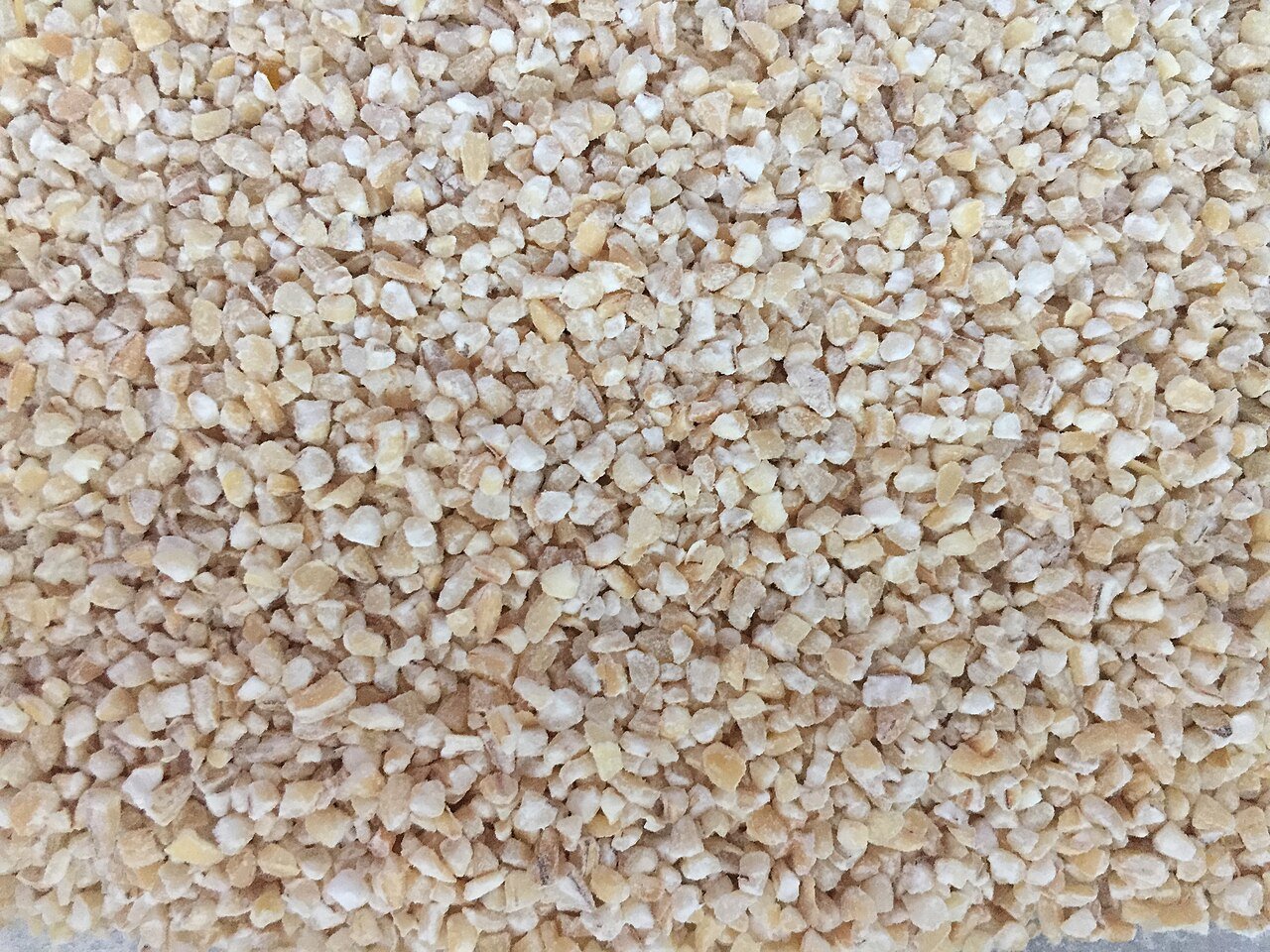
At first glance the two look similar, but they behave differently in the pot and on the plate. Wheat couscous is made from durum wheat semolina, which gives a pale yellow color and a soft, fluffy texture. Belboula is grayish beige to light brown, firmer and more rustic.
Taste and texture
Belboula tastes nutty and a little earthy, a bit like toasted bread crust. Each grain keeps more bite after steaming, so it stands up well to thick sauces and cold buttermilk without turning mushy.
Cooking time and water
Barley absorbs more water and needs longer to soften. Where fine wheat couscous can be ready after a quick soak, the barley version really benefits from two or three steamings. Plan on about 45 to 60 minutes for a traditional pot.
Which should you choose?
Choose wheat couscous like Dalia medium couscous when you want a light, quick side dish. Choose barley when you want more flavor, more fiber and a heartier meal.

| Feature | Barley couscous | Wheat couscous |
|---|---|---|
| Grain | Barley | Durum wheat semolina |
| Color | Beige to light brown | Pale yellow |
| Flavor | Nutty, earthy | Mild, neutral |
| Texture | Chewy, firm | Light, fluffy |
| Best method | Steaming 2 to 3 times | Steaming or quick soak |
| Typical fiber | Higher, includes beta-glucan | Lower unless whole wheat |
| Gluten | Contains gluten | Contains gluten |
Grain Sizes and Types of Barley Couscous
Belboula is sold in several sizes, and the right one depends on the dish. Packs are often labeled fine, medium or large, or with the French words fin, moyen and gros.
For saykouk and soft plates
Small granules steam quickly and give a tender, delicate result. They are a good choice for cold saykouk with buttermilk and for smooth barley soups.
The all-rounder
The most popular size for seven-vegetable couscous. Medium belboula keeps its shape under broth and gives a satisfying chew.
For hssoua and rustic dishes
Coarse barley grits need more water and time. They shine in porridges and soups where a hearty texture is welcome.
Is barley couscous a whole grain?
It depends on the barley used. According to the Whole Grains Council, grits made from hulled or hulless barley count as whole grain, while grits made from pearled barley do not, because pearling polishes away some or all of the bran. Check the ingredient list and look for words like whole barley or whole grain.
If you want a whole grain wheat option instead, Kenz whole wheat couscous is a good alternative with a similar rustic feel.

How to Steam Barley Couscous
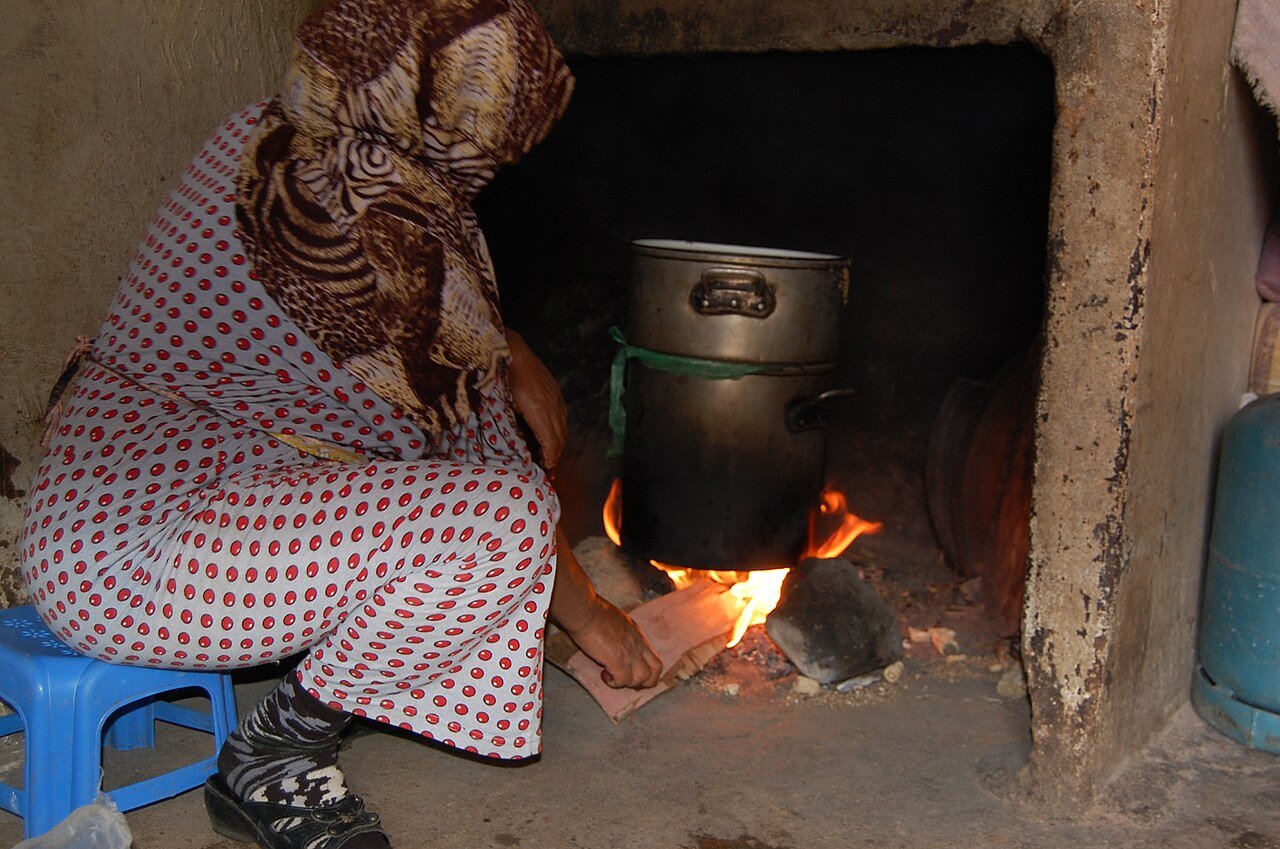
Steaming is the secret to light, separate grains. A couscoussier is a two-part pot: a stew simmers in the base and the couscous steams in the perforated top. A large pot with a snug metal colander or steamer basket works too.
Before you start
Use a wide bowl or a shallow dish (a gsaa in Morocco) so you can work the grains with your hands. Keep a cup of warm salted water and a little olive oil nearby.
Seal the gap
If steam escapes where the top meets the base, wrap a strip of damp cloth or a ribbon of flour paste around the join. All the steam should rise through the couscous.
Never cover the top
Leave the steamer basket uncovered. A lid traps condensation, which drips back and makes the grains gummy.
The three steamings, step by step
Wet the grains
Put 500 g (about 1 lb) of belboula in a wide bowl. Sprinkle with about 1 cup of water, toss with your fingers and let it absorb for 10 minutes.
Rub with oil
Add 2 tablespoons of olive oil and rub the grains between your palms to coat each one and break up lumps.
First steaming
Pile the grains loosely into the steamer over simmering water or stew. Steam for 15 to 20 minutes, counting from when steam rises through the top.
Break and season
Tip the hot grains into the bowl. Sprinkle with about 1 cup of salted water, work out the lumps with a spoon, then your hands, and rest 10 minutes.
Second steaming
Return to the steamer for another 15 to 20 minutes. Taste a few grains: they should be tender but still have bite.
Final steaming
For the softest result, moisten lightly once more and steam a third time for 10 to 15 minutes.
Butter or smen
Work in 1 to 2 tablespoons of butter or smen while hot, so every grain shines. Fluff and serve.
Barley Couscous With Seven Vegetables
This is the classic Friday-style barley couscous, made with beef or lamb and a colorful mix of vegetables. It serves 6 and takes about 1 hour 45 minutes, mostly hands-off simmering.
Ingredients
- 500 g (1 lb) medium barley couscous
- 1 to 1.5 lb beef or lamb, in large pieces
- 1 large onion, chopped, and 2 tomatoes, grated
- 2 carrots and 2 turnips, halved lengthwise
- 2 zucchini and 1 small wedge of pumpkin or butternut squash
- 1/2 small cabbage, cut in wedges
- 1 cup cooked chickpeas
- 1/4 cup olive oil, plus 2 tbsp for the grains
- 1 tsp each ground ginger, black pepper and turmeric
- 1/2 tsp ras el hanout (optional) and 1 tsp salt, or to taste
- A bunch of parsley and cilantro, tied
- 1 to 2 tbsp butter or smen to finish
Method
- Start the stew. In the couscoussier base, brown the meat with the onion, olive oil and spices for 5 minutes. Add tomatoes, herbs and about 8 cups of water. Bring to a simmer.
- Prepare the grains. While the stew warms, moisten and oil the grains as described above.
- First steaming. Set the steamer on top of the stew and steam the grains for 15 to 20 minutes.
- Add hard vegetables. Tip out the grains to rest. Add carrots, turnips and cabbage to the stew and simmer 20 minutes.
- Second steaming. Return the grains to the steamer for 15 to 20 minutes. Add zucchini, squash and chickpeas to the broth.
- Final steaming. Moisten the grains with a ladle of broth, steam a last 10 to 15 minutes and finish with butter or smen.
- Serve. Mound the grains on a large platter, make a well in the center, add the meat and arrange the vegetables around it. Spoon broth over and serve extra broth on the side.
Saykouk, Soup and Other Barley Couscous Dishes
Belboula is not only for Friday lunch. These traditional dishes show how versatile it is.
Saykouk: barley couscous with buttermilk
Saykouk (also spelled sekouk) is a refreshing summer dish. The steamed grains are cooled, then served in bowls with cold buttermilk, called lben in Morocco. Some families add a pinch of sugar, others keep it plain or salty.
To make it, steam about 250 g of fine or medium belboula two or three times, spread it out to cool completely, then pour over about 2 cups of very cold buttermilk. Eat it with a spoon on a hot afternoon. Plain kefir or thinned plain yogurt makes a good US substitute.

Hssoua belboula
A creamy barley soup simmered with water, olive oil, salt and cumin for 30 to 40 minutes, then finished with milk and butter. A favorite breakfast in winter.
Seffa-style barley
Steamed belboula tossed with butter, a little sugar and cinnamon, sometimes with raisins. Serve warm with a glass of milk.
Barley with honey
Warm buttered belboula drizzled with honey, such as Tayeb eucalyptus honey, makes a simple, comforting snack.
Cold barley salad
Toss cooled belboula with chopped tomato, cucumber, herbs, lemon juice and olive oil. It holds up well in lunch boxes.
With harissa broth
Stir a spoon of harissa into the stew broth for a Tunisian-style kick that suits the nutty grain.
Coastal fish couscous
On the coast, some cooks steam barley over a fish and vegetable broth. Use firm white fish and add it near the end.
Simple hssoua belboula for four
Rinse 1 cup of barley grits, then simmer them in about 6 cups of water with 2 tablespoons of olive oil, 2 teaspoons of salt and 1.5 teaspoons of cumin. Stir often over medium-low heat for 30 to 40 minutes, until thick and tender. Add 1.5 cups of milk, simmer 5 more minutes and finish with a knob of butter. Serve with a drizzle of olive oil and a pinch of cumin on top.
Is Barley Couscous Healthy? Nutrition and Gluten
General information only, not medical advice. Barley is valued for its fiber, especially beta-glucan, a soluble fiber found throughout the grain. Because some of that fiber sits inside the kernel, even lightly processed barley products keep a share of it.
In the United States, the Food and Drug Administration allows a heart health claim for foods with barley beta-glucan. A 2006 final rule in the Federal Register added whole grain barley and dry milled barley products to the soluble fiber claim, based on a daily intake of at least 3 grams of beta-glucan as part of a diet low in saturated fat and cholesterol.
That does not mean every pack carries the claim or meets the amount in one serving. Fiber content varies by brand, by grain size and by how much bran is left. Read the nutrition label on the package for exact values.
Does barley couscous contain gluten?
Yes. Barley is a gluten-containing grain, so barley couscous is not suitable for people with celiac disease or a diagnosed gluten intolerance. The Celiac Disease Foundation lists barley alongside wheat and rye as a source of gluten.
| Question | Short answer |
|---|---|
| Is it high in fiber? | Usually higher than refined wheat couscous; check the label. |
| Is it gluten free? | No. Barley contains gluten. |
| Is it whole grain? | Only if made from hulled or hulless whole barley. |
| Is it filling? | Many people find it more filling than wheat couscous. |
| Who should be careful? | People with celiac disease, wheat or barley allergy, or a doctor-advised low-fiber diet. |
8 Tips for Perfect Barley Couscous
Most problems with belboula come from too little water, too little steaming or a lid that traps moisture. These tips keep every grain light and separate.
Be generous with water
Barley drinks more than wheat. If the grains feel dry and hard after the second steaming, sprinkle more water and steam again.
Break lumps every time
Between steamings, rub the grains gently between your palms. Lumps left now become dense clumps later.
Oil before the first steam
A light coat of olive oil, such as Mina extra virgin olive oil, stops the granules sticking together.
Wait for the steam
Start timing only when steam rises through the top layer, not when you place the basket.
Salt the water, not the grains
Dissolve salt in the water you sprinkle between steamings so it spreads evenly.
Try a half and half blend
New to barley? Mix it 50/50 with wheat couscous such as Dari medium couscous for a softer first experience.
Reheat with steam
Refrigerate cooked belboula for up to 3 to 4 days. Reheat it in the steamer or covered in the microwave with a splash of water.
Keep dry grains airtight
Store unopened and opened packs in a cool, dry cupboard in a sealed container, away from moisture and pantry pests. Use by the date on the pack.
Best Barley Couscous Essentials to Buy in the USA
Authentic Moroccan barley couscous and the pantry basics to cook it, delivered anywhere in the United States.

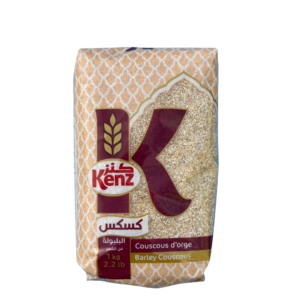
 Whole grain blendKenz Whole Wheat Couscous
Mix it with belboula for a softer, fiber-rich plate.
Shop now For the grainsMina Extra Virgin Olive Oil
Moroccan olive oil for oiling and finishing couscous.
Shop now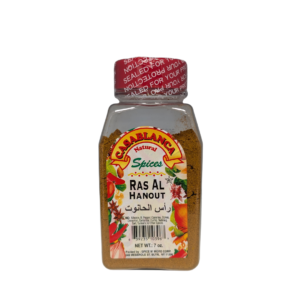
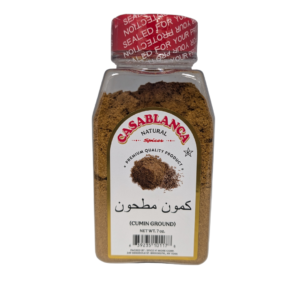
Explore more Moroccan spices and Moroccan cooking oils, and see our shipping policy for delivery times.
Barley Couscous FAQs
What is barley couscous called in Morocco?
In Morocco it is usually called belboula. On imported packs you may also see couscous d’orge or semoule d’orge, which are the French names.
Is barley couscous healthier than regular couscous?
It usually has more fiber than refined wheat couscous, including beta-glucan, a soluble fiber linked to heart health. Values vary by brand, so compare nutrition labels. This is general information, not medical advice.
Is barley couscous gluten free?
No. Barley contains gluten, so barley couscous is not safe for people with celiac disease or gluten intolerance.
How long does barley couscous take to cook?
Traditional steamed barley couscous takes about 45 to 60 minutes, with two or three steamings of 15 to 20 minutes each. Precooked brands can be soaked in boiling water in about 10 minutes.
Can I cook barley couscous without a couscoussier?
Yes. Use a large pot with a metal colander or steamer basket that fits snugly on top, and seal any gap with a damp cloth so the steam rises through the grains.
What is saykouk?
Saykouk is a Moroccan summer dish of steamed barley couscous served cold with buttermilk, called lben. It is light, refreshing and sometimes sweetened with a little sugar.
Where can I buy barley couscous in the USA?
Look in Middle Eastern or North African grocery stores, or order Moroccan brands such as Dalia and Kenz online from Maghribi Market, which ships to all 50 states.
Further reading: UNESCO: Couscous heritage · Whole Grains Council: Types of barley · Celiac Disease Foundation
Steam Your First Pot of Belboula
Authentic Moroccan barley couscous, spices and olive oil, delivered to your door anywhere in the USA.
Shop Moroccan Couscous Shop All Products