Are Sardines Healthy? The Honest Nutrition Guide
Are sardines healthy enough to eat every week? Here is what is really inside a can, how they compare with other fish, the few downsides and the easy North African ways to eat more of them.
Yes, are sardines healthy is one of the easier nutrition questions to answer: they are among the most nutrient-dense, lowest-mercury fish you can buy. A 100 g portion of canned sardines with bones gives roughly 25 g of protein, close to 1 g of the omega-3s EPA and DHA, and a large share of your daily vitamin B12, selenium and calcium. The main things to watch are salt, the extra calories from packing oil and their high purine content if you live with gout.
Your Complete Sardine Nutrition Guide
Sardines have a reputation problem. Many Americans picture an oily tin and a strong smell, then walk past them to the tuna. Yet when people ask “are sardines healthy?”, dietitians tend to answer with real enthusiasm, because few foods pack so much nutrition into such a small, cheap package.
In Morocco, Algeria and Tunisia, nobody needs convincing. Sardines are grilled on street corners, rolled into spiced fish balls and simmered in tomato sauce for a quick lunch. Below, we look at what the numbers say, who should be careful, and how to choose the best tins from our Moroccan sardines collection.
Sardines at a Glance
What Exactly Are Sardines?
“Sardine” is not one single fish. It is a market name for several small, oily fish in the herring family. Food standards allow more than a dozen related species to be sold as sardines, so the tin on a US shelf might hold European pilchards, Pacific sardines, sprats or round herring.
The classic North African sardine is the European pilchard, Sardina pilchardus. It swims in large schools along the Atlantic coast of Morocco and across the Mediterranean, feeding mostly on plankton. That low place in the food chain is a big reason the answer to “are sardines healthy” is so positive: small plankton eaters build up far less mercury than large predators like swordfish.
Most canned sardines are cleaned, headed, cooked (usually steamed) and then sealed with oil, water or a sauce. The heat of canning softens the tiny bones so much that you can eat them, which is where much of the calcium comes from.

Are Sardines Healthy? Nutrition Facts Explained
The table below uses USDA figures for Atlantic sardines canned in oil, drained, with bones. Values for your tin will vary with the species, the packing liquid and whether the bones were removed.
| Nutrient | Per 100 g (about 3.5 oz) | Approx. % Daily Value |
|---|---|---|
| Calories | 208 kcal | About 10% of 2,000 kcal |
| Protein | 24.6 g | About 49% |
| Total fat | 11.4 g (1.5 g saturated) | About 15% |
| EPA + DHA (omega-3) | About 0.98 g | No official DV |
| Vitamin B12 | 8.9 mcg | Over 350% |
| Selenium | 52.7 mcg | About 96% |
| Phosphorus | 490 mg | About 39% |
| Calcium | 382 mg | About 29% |
| Vitamin D | 4.8 mcg (about 190 IU) | About 24% |
| Iron | 2.9 mg | About 16% |
| Sodium | 307 mg | About 13% |
So, are sardines healthy by the numbers?
Two things stand out. First, sardines deliver a lot of protein for relatively few calories. Second, they are one of the rare everyday foods that supply vitamin D, vitamin B12, selenium and calcium together, nutrients many people fall short on.
Sardines in tomato sauce tend to be a little lower in calories and fat but often a little higher in sodium than oil-packed tins. Either way, the answer to “are sardines healthy” stays a confident yes for most people.
Why Are Sardines Healthy? 8 Key Benefits
Each benefit below comes from the nutrients sardines contain. This is general information only, not medical advice; talk to your doctor or a registered dietitian about your own diet.
Omega-3 fats
Sardines are a fatty fish rich in EPA and DHA. Health agencies link eating fatty fish regularly with better heart health, and the American Heart Association advises fish as part of a heart-friendly diet.
Complete protein
About 25 g of high-quality protein per 100 g helps keep you full and supports muscle, which makes sardines handy for weight-conscious eaters.
Calcium you can eat
The soft edible bones in canned sardines supply real calcium, a useful option for people who eat little dairy.
Vitamin D
Few foods naturally contain vitamin D. Oily fish like sardines are one of the best food sources, which matters in northern US states during winter.
Vitamin B12
A single serving covers several days of B12, which the body needs for healthy red blood cells and nerves.
Selenium and phosphorus
Selenium is an antioxidant mineral and phosphorus works with calcium in bones and teeth. Sardines provide plenty of both.
Low in mercury
Because they eat plankton and live short lives, sardines carry far less mercury than tuna steaks or swordfish.
Affordable and shelf stable
A tin costs a few dollars, needs no fridge until opened and keeps for years, so good nutrition is always in the pantry.

Mercury: Are Sardines Healthy to Eat Often?
Mercury is the worry most people have about fish. In the joint FDA and EPA advice about eating fish, sardines sit on the “Best Choices” list, the lowest-mercury group.
The Dietary Guidelines for Americans suggest at least 8 ounces of seafood a week for adults. For people who are pregnant, might become pregnant or are breastfeeding, the FDA recommends 2 to 3 servings a week from the Best Choices list, with one adult serving being about 4 ounces. That ranking is a big reason the answer to “are sardines healthy” is yes, even for people who eat fish often.
Are sardines healthy during pregnancy?
Their low mercury and high omega-3 content make sardines one of the fish the FDA specifically lists as a good choice. Eat them fully cooked (canned sardines already are) and keep within the recommended servings. Always follow your own doctor’s guidance.
Are sardines healthy for kids?
The FDA suggests about 2 servings a week from the Best Choices list for children, in smaller portions: around 1 ounce for ages 1 to 3, rising to 4 ounces by age 11. Mash boneless sardines into rice or pasta for little ones and check carefully for any larger bones.

When Are Sardines Healthy, and When to Be Careful
For most readers, the answer to “are sardines healthy” is yes, but a few groups should think before they open a tin. This is general information only, not medical advice.
Sodium
Canned fish is salted. A 100 g portion often carries 300 to 450 mg of sodium. If you are watching blood pressure, check labels, skip extra salt in the recipe and balance the meal with vegetables.
Purines
Mayo Clinic notes that sardines and anchovies are higher in purines than most seafood. People with gout or high uric acid may need smaller, less frequent portions; ask your doctor.
Fish allergy
Fish is one of the major food allergens in the US. Anyone allergic to finned fish should avoid sardines and products made with them, including sardine balls.
Packing oil
Oil-packed tins have more calories than those in sauce or water. Drain the oil if you are counting calories, or use it in the dish instead of adding more fat.
Blood thinners
Normal food amounts of fish are generally fine, but if you take blood thinners or high-dose fish oil, mention your seafood habits to your doctor.
Damaged cans
Never eat from a tin that is bulging, leaking or deeply dented on a seam. Once opened, move leftovers to a covered container and refrigerate for up to 2 days.
For balance, read the Mayo Clinic gout diet guide, which explains why moderate portions of fish can still fit many gout-friendly plans.

Are Canned Sardines Healthy Compared With Fresh?
Canned sardines keep almost all of the protein, minerals and omega-3 fats of fresh fish. The real differences are salt, the packing liquid and the bones.
Bone-in vs skinless and boneless
Bone-in, skin-on sardines give the most calcium and slightly more omega-3, since fat sits under the skin. Skinless and boneless sardines, like our Casablanca skinless boneless sardines, are milder and easier for beginners, but expect less calcium.
Fresh sardines
Fresh sardines taste wonderful grilled, but they are hard to find in many US towns and must be eaten within a day or two. Canned sardines are the practical everyday option.
Which packing style is best for you?
| Packing | Strengths | Watch for | Try |
|---|---|---|---|
| Tomato sauce | Lower fat, ready-made sauce, kid friendly | Can be a little saltier | Safi in tomato sauce |
| Sunflower or vegetable oil | Moist, rich texture | More calories; drain if needed | Casablanca skinless |
| Spicy oil or hot peppers | Big flavor with no extra cooking | Heat level; sodium | Hot Safi sardines |
| Sardine balls (boulettes) | Boneless, seasoned, great for tagines | Added starch and seasoning | Safi sardine balls |
| Tagine sauce with vegetables | A full meal in a tin | Smaller fish portion | Mario sardine tajine |
Why Moroccan Sardines Stand Out
Morocco is the world’s largest exporter of canned sardines, and sardines make up the majority of its fish catch. The cold, plankton-rich Canary Current off the Atlantic coast feeds huge schools of pilchards.
Port cities such as Safi and Agadir have canned sardines for generations. Brands like Safi, Casablanca, Omega, Mario and Tagine grew out of that tradition, and their tins are sold far beyond North Africa.
A family staple
For many Moroccan families, a tin of sardines in tomato sauce with bread, olives and a glass of mint tea is the classic quick lunch. Ask an aunt in Casablanca “are sardines healthy?” and she will likely tell you they are simply food, cheap, filling and good for you.
Want something bolder? Our Casablanca spicy sardines with hot peppers and Omega sardines in tomato sauce are two pantry favorites.

Wikipedia’s overview of sardines as food has more on the species, canning methods and Morocco’s role in the trade.
Easy Ways to Make Sardines Part of a Healthy Week
If you have decided that, yes, are sardines healthy enough to eat twice a week, these simple North African ideas make it easy. Most take under 15 minutes.
Sardines on toast
Mash a tin with lemon juice, a pinch of ground cumin and chopped parsley. Spread on whole-grain toast.
Moroccan sandwich
Stuff a baguette with sardines in tomato sauce, boiled potato, olives and a thin layer of harissa.
Harissa sardines
Stir a teaspoon of harissa paste into the tin juices. New to it? Read what harissa is first.
Sardine ball tagine
Warm sardine balls in tagine sauce with sliced peppers and serve with bread or couscous.
Sardine and bean salad
Toss sardines with white beans, red onion, tomatoes and a spoon of good extra virgin olive oil.
Tomato sardine pasta
Fold a tin of sardine balls in Sevillane sauce into hot spaghetti with garlic and chili.
How much is a healthy portion?
Once you know the answer to “are sardines healthy”, portion size is the next question. For most adults, one 125 g Moroccan tin (drained) is close to one serving of fish. Two to three tins a week, alongside other seafood, fits comfortably within US guidance. Pair them with vegetables, salads and whole grains to keep the meal balanced and the sodium in check.

Best Moroccan Sardines to Buy in the USA
If the answer to “are sardines healthy” has you reaching for a tin, start with these authentic picks from Morocco’s sardine coast, shipped to all 50 states.
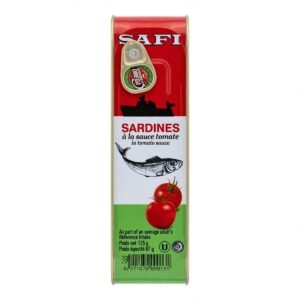 Best everyday tinSafi Sardines in Tomato Sauce
Lower in fat, ready for sandwiches and salads.
Shop now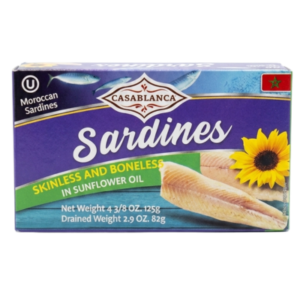


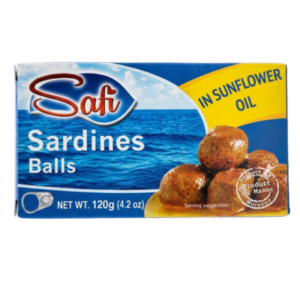

Mix and match with tuna and mackerel from our Moroccan canned fish range, and see our shipping policy for delivery times.
Are Sardines Healthy? FAQs
Are sardines healthy to eat every day?
For most healthy adults a tin a day is not harmful, but variety is better. US guidance suggests at least 8 ounces of seafood a week, and mixing sardines with other fish, beans and vegetables keeps sodium and purines in check. If you have gout, high blood pressure or kidney problems, ask your doctor first.
Are sardines healthier than tuna?
Sardines are lower in mercury than most tuna, and bone-in sardines add calcium and more vitamin D. Canned light tuna is leaner and higher in protein per calorie. Both are good choices; sardines simply win on omega-3s and minerals.
Are sardines healthy for weight loss?
They can help. Sardines are high in protein, which keeps you full, and a 100 g portion has around 200 calories in oil or less in tomato sauce. Drain the oil if you are counting calories and pair them with salad or vegetables.
Are canned sardines healthy or processed food?
Canned sardines are minimally processed: the fish is cleaned, cooked and sealed with oil, water or sauce. Canning keeps the protein, omega-3 fats and minerals. The main thing to check on the label is sodium.
Are sardines healthy with the bones in?
Yes. Canning softens the small bones so they are safe to eat and they supply much of the calcium. If you prefer, choose skinless and boneless sardines, which are milder but lower in calcium.
Are sardines healthy for people with gout?
Sardines are high in purines, which the body turns into uric acid, so people with gout are often told to limit them. Some can still enjoy small portions occasionally. This is general information only; follow your doctor’s advice.
Are sardines safe during pregnancy?
The FDA lists sardines as a Best Choice, the lowest-mercury group, and recommends 2 to 3 servings a week of these fish for people who are pregnant or breastfeeding. Canned sardines are fully cooked. Check with your own doctor about your diet.
How long do canned sardines last?
Unopened tins keep for years when stored in a cool, dry cupboard; follow the best-by date on the can. Once opened, move leftovers to a covered container, refrigerate and eat within about 2 days. Throw away bulging or leaking cans.
Further reading: NIH: Omega-3 fatty acids fact sheet · FDA: Advice about eating fish
Stock Your Pantry With Moroccan Sardines
Are sardines healthy? Yes, and these tomato, spicy, boneless and sardine ball tins from Morocco are delivered anywhere in the USA.
Shop Moroccan Sardines Shop All Products