Algerian Olive Oil From Kabylie Groves to Your Kitchen
Where Algerian olive oil comes from, the olive varieties behind it, how it is harvested and milled, what it tastes like, and how to buy, cook with and store a good bottle in the USA.
Algerian olive oil is pressed mainly in the mountain villages of Kabylie and other northern provinces, often from the local Chemlal olive, and it is known for a bold, peppery, fruity taste. Algeria has roughly 500,000 hectares of olive trees and made about 80,000 tonnes of oil in the 2017/2018 season. For the best flavor choose extra virgin, use it raw on salads, bread and couscous, and keep the bottle cool and dark.
Your Complete Algerian Olive Oil Guide
Ask any Algerian family what belongs on the table at breakfast and you will hear the same answer: warm bread and a bowl of olive oil. Algerian olive oil, called zit zitoun in Arabic and often simply “zit” at home, is used for dipping, frying, dressing salads, finishing soups and preserving peppers. In Kabylie the new oil of the season is a small celebration of its own.
Outside North Africa this oil is still little known, even though the country has one of the largest olive tree areas in the Mediterranean. This guide explains what makes Algerian olive oil different, which regions and varieties to know, and how to use it in real dishes. You can find authentic bottles in our Algerian cooking oils collection, shipped to all 50 states.
Algerian Olive Oil at a Glance
What Makes Algerian Olive Oil Different?
Olive trees have grown in the hills of northern Algeria since ancient times, and Berber farming communities have pressed oil there for many centuries. Much of the oil still comes from small family groves on steep slopes, where trees are pruned, harvested and carried to the mill by hand. That small scale shapes both the character and the price of Algerian olive oil.
The country is a large olive grower. Figures from the French Wikipedia page on Algerian agriculture list about 860,000 tonnes of olives in 2018, which placed Algeria sixth in the world for olives. The same source gives about 80,000 tonnes of olive oil for the 2017/2018 season, up from 61,800 tonnes in 2010/2011, and ninth place among producers.
Very little of that oil leaves the country. Most Algerian olive oil is eaten at home, sold at local mills or traded between families, and in 2021 exports were only around 600,000 liters, worth roughly 2 million dollars, shipped by 78 companies. Buyers included France, Canada, Indonesia, Spain and Belgium. In short, this is an oil made mostly for Algerian tables, which is exactly why many fans find it so authentic.
The government has made olive planting a priority. The stated goal is to grow the olive area from about 500,000 hectares toward 1 million hectares in the medium term, with new groves planted in the high plateaus and even in southern oasis provinces.
Where Algerian Olive Oil Is Produced
Olive growing in Algeria is concentrated in the north. The main provinces (wilayas) named in agricultural reports are Bejaia, Tizi Ouzou, Bouira, Bordj Bou Arreridj, Jijel, Setif and Mascara, with newer plantings in Biskra, El Oued and Laghouat.
Kabylie, the heart of Algerian olive oil
Kabylie is a mountainous Berber region east of Algiers that covers all or part of nine provinces. The Djurdjura range rises above the Soummam Valley and peaks at Lalla Khedidja, 2,308 meters high. Olive trees cover the lower slopes and valleys, and arboriculture, especially olives, has long been the base of the local economy.
The west and the table olive
Western Algeria has its own tradition. The plain of Sig in Mascara province is famous for table olives, with thousands of hectares of groves and more than 200 olive processing workshops. Here many olives are cured for eating rather than pressed.
| Region | Provinces | Known for |
|---|---|---|
| Kabylie (center-east) | Bejaia, Tizi Ouzou, Bouira | Traditional mountain groves, bold Chemlal oil |
| Eastern highlands | Bordj Bou Arreridj, Setif | Large and growing olive area |
| Coastal east | Jijel | Small family groves near the sea |
| West | Mascara (Sig plain) | Table olives and dual-purpose fruit |
| South (new) | Biskra, El Oued, Laghouat | Modern irrigated plantations |
The Olive Varieties Behind Algerian Olive Oil
Algeria grows dozens of local cultivars, but a few names come up again and again. Labels rarely list the variety, so it helps to know which olives shape the taste of each region.
Chemlal
Usually described as the most widely planted oil olive in Algeria and the signature of Kabylie. The fruit is small and the trees are large and vigorous. Its oil tends to be fruity with clear bitterness and a peppery finish. Do not confuse it with Chemlali, a different, Tunisian variety.
Azeradj
A larger-fruited Kabyle olive grown for oil and sometimes for the table. It is often grown alongside Chemlal in Kabyle groves. Olive references note that an early November harvest gives Azeradj extra virgin oil with excellent chemical quality.
Sigoise
Named after the town of Sig, this is the classic olive of western Algeria. It is a dual-purpose fruit, cured as green or black table olives and also pressed for a softer, rounder oil than the mountain oils of Kabylie.
Many groves also hold old local trees and grafted wild olives. Historic photographs from colonial-era agricultural archives show Kabyle farmers grafting wild olive stands in the hills, a practice that helped spread cultivated trees across the region. This mix of old trees and local varieties is part of what gives each village oil its own personality.
How Algerian Olive Oil Is Harvested and Milled
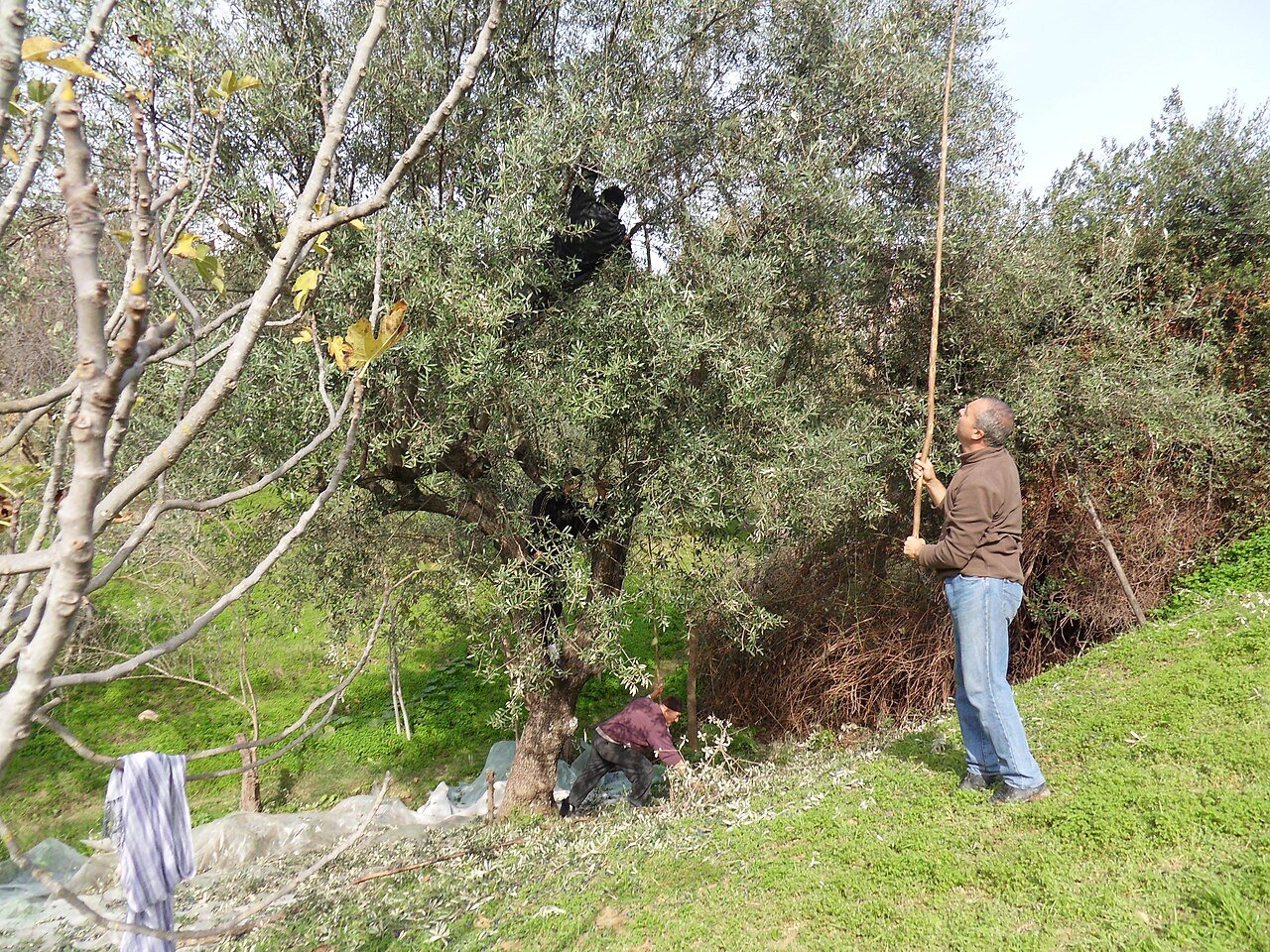
The harvest usually runs from November into January. Families spread nets or tarps under the trees, then beat the branches with long poles or comb the olives off by hand. In Kabylie the harvest is often a shared village effort, with relatives returning home to help.
Traditional mills
Older mills crush the olives under heavy stone wheels and press the paste in stacked mats under a screw or hydraulic press. These mills are slow, and the oil can taste rustic, sometimes with a heavier, riper note.
Modern mills
Newer mills wash the olives, grind them with metal crushers and separate the oil in a centrifuge. Fast processing at controlled temperature protects fresh aromas, which is why most extra virgin Algerian olive oil sold abroad now comes from modern equipment.

Harvest
Olives are knocked or combed onto nets, ideally when they are turning from green to purple.
To the mill
Sacks go to the village mill quickly. Olives left in piles for days start to ferment and spoil the oil.
Leaf removal
Leaves and twigs are blown off and the fruit is washed.
Paste
Stone wheels or metal grinders turn whole olives, pits included, into a thick paste.
Malaxing
The paste is stirred slowly so tiny oil droplets join together.
Press or centrifuge
Oil is separated from water and solids, then left to settle or filtered before bottling.
Algerian Olive Oil Taste and Quality Grades
A fresh bottle of Kabyle oil is usually green-gold, with aromas of cut grass, green olive and artichoke. On the tongue it is often noticeably bitter, then leaves a peppery tickle in the throat. Those sensations come from natural polyphenols and are a sign of fresh, carefully made oil, not a defect.
Western oils from riper fruit can be softer and more buttery. Oil from very traditional mills may taste riper still, and some Algerian families actually prefer that deep, old-style flavor for cooking.
How Algerian olive oil is graded
Grades follow the international standards also used by the USDA. The key difference is free acidity and taste: extra virgin must have no more than 0.8% free acidity and no sensory defects, while virgin may reach 2.0% and can show minor defects. For more detail see the olive oil overview on Wikipedia.
| Grade | Free acidity | Taste | Best use |
|---|---|---|---|
| Extra virgin | 0.8% or less | Fresh, fruity, no defects | Raw, finishing, gentle cooking |
| Virgin | Up to 2.0% | Good, minor defects allowed | Everyday cooking, stews, frying |
| Refined / “pure” | Low after refining | Neutral | High-heat cooking, not traditional |
How to taste it at home
Pour a tablespoon into a small glass, cover it with your hand and warm it for a minute. Smell it, then sip a little while drawing in air. Good Algerian olive oil should smell fresh and green, never like vinegar, wet cardboard or crayons. If it tastes flat and greasy it is probably old.
How Algerians Use Olive Oil Every Day
From breakfast to dinner, olive oil runs through Algerian cooking. Here are the dishes where a bottle of Algerian olive oil really shines.
Kesra and oil
Warm semolina flatbread torn and dipped in a saucer of oil, often with dates, olives or a glass of milk or coffee.
Hmiss
Grilled peppers and tomatoes crushed with garlic and bound with a generous pour of oil.
Seksu with oil
Many Kabyle cooks rub steamed couscous with olive oil instead of butter, and some serve it plain with buttermilk.
Chorba and berkoukes
A spoonful added to the pot or on top of each bowl gives soups a rich finish.
Tajine zitoune
Chicken and green olives in a light sauce, started by gently cooking onion in olive oil.
Peppers in oil
Roasted peppers and hot harissa are covered with oil to keep them longer in the fridge.
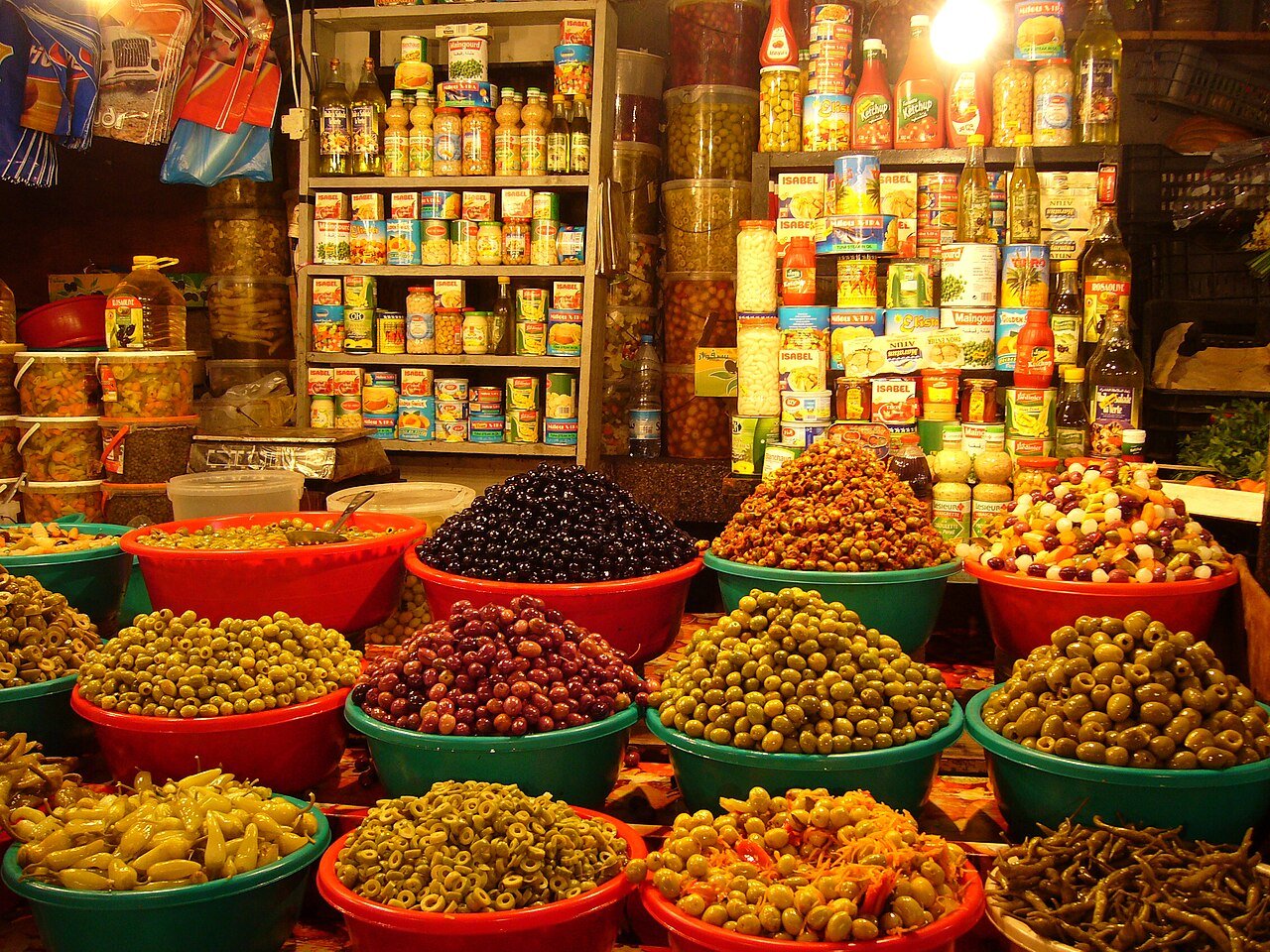
A spicy can of El Hara Algerian harissa mixed with olive oil and a pinch of ground cumin makes a quick dip for bread. For more ideas with chili paste, read our guide what is harissa. A drizzle of oil also lifts plain couscous and a bowl of cured olives.
Hmiss: Roasted Pepper Salad With Algerian Olive Oil
Hmiss is made all over Algeria, with small regional twists. In Kabylie some cooks stir in beaten eggs at the end. This simple version serves 4 as a starter and takes about 40 minutes.
Ingredients
- 4 large green or red bell peppers (or a mix with 1 hot pepper)
- 4 ripe tomatoes
- 3 garlic cloves, finely chopped
- 4 tablespoons extra virgin Algerian olive oil, plus more to serve
- 1/2 teaspoon sweet paprika
- 1/2 teaspoon ground cumin (optional)
- Salt and black pepper to taste
- Kesra or crusty bread, to serve
Method
- Roast. Grill the peppers and tomatoes over a gas flame, under the broiler or at 450°F (230°C) for 20 to 25 minutes, turning until the skins blister and blacken.
- Steam. Put the hot peppers in a bowl, cover for 10 minutes, then peel, seed and chop them. Peel and chop the tomatoes.
- Cook the base. Warm the olive oil in a skillet over medium-low heat, add the garlic and cook 1 minute without browning. Add the tomatoes and cook 8 to 10 minutes until thick.
- Combine. Stir in the peppers, paprika and cumin, then mash lightly with a fork. Cook 5 more minutes and season.
- Finish. Serve warm or at room temperature with a fresh drizzle of olive oil and bread for scooping.
How to Buy a Good Bottle of Algerian Olive Oil in the USA
Because so little oil is exported, choice in American stores is limited. These checks help you pick a bottle that tastes the way it should.
Choose extra virgin for raw use
Pick extra virgin for dipping and salads. Virgin is a sound, cheaper choice for daily cooking.
Look for “Product of Algeria”
Single-origin oil is more traceable than vague Mediterranean blends.
Check the dates
A harvest date or a best-before date far in the future signals fresher oil.
Prefer dark glass or tins
Light speeds up rancidity, so avoid clear bottles kept under bright shelf lights.
Buy what you will use
A 1 liter bottle suits most families. Finish it within a few months of opening.
Expect some bite
Bitterness and pepper are normal in Kabyle-style oil, so do not mistake them for a fault.
In our Algerian oils range you will find Akfadou Algerian extra virgin olive oil, named after the forested Akfadou area of Kabylie, plus two everyday virgin oils, Tayeb and Masa. To compare styles, try them next to a Moroccan bottle from our Moroccan cooking oils. Orders over $99 ship free; see our shipping policy.
Storing Algerian Olive Oil and Health Notes
Keep it fresh
Olive oil has three enemies: light, heat and air. Store the bottle closed, in a cupboard away from the stove, at about 57 to 70°F (14 to 21°C). Pour a small amount into a cruet for daily use and keep the main bottle sealed.
Cold may make the oil cloudy or thick. That is harmless and clears at room temperature. Once opened, aim to finish a bottle within about two to three months for the best flavor.
Health notes
Olive oil is rich in monounsaturated fat, and extra virgin oil keeps more natural polyphenols than refined oil. It is a core part of the Mediterranean-style diet, which many health bodies associate with heart health. It is still calorie dense, at roughly 120 calories per tablespoon, so use it in place of other fats rather than on top of them. This is general information only, not medical advice; speak with your doctor about your own diet.


Best Algerian Olive Oil and Pairings to Buy in the USA
Three Algerian bottles for every budget, plus pantry partners that show off their flavor.
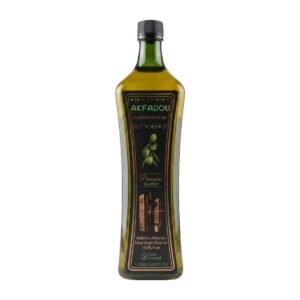 Best for drizzlingAkfadou Extra Virgin Olive Oil 1L
Fresh, fruity Algerian extra virgin oil for bread, salads and couscous.
Shop now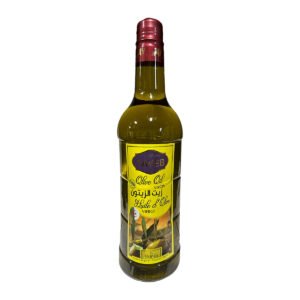 Best for daily cookingTayeb Virgin Olive Oil 1L
An everyday Algerian virgin oil for stews, soups and sauteing.
Shop now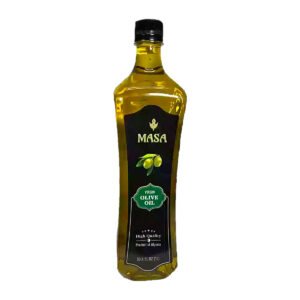
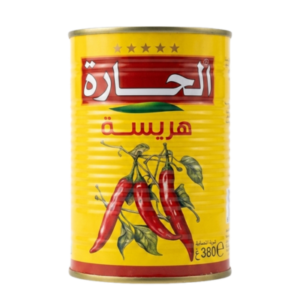 Best pairingEl Hara Algerian Harissa 380g
Hot pepper paste to stir into oil for a quick bread dip.
Shop now Best with breadOil Cured Olives 2 lb
Wrinkled black olives for a breakfast plate with oil and bread.
Shop now Best for comparingMina Moroccan Extra Virgin 1L
Taste it side by side with Algerian oil to learn the difference.
Shop nowAlgerian Olive Oil FAQs
Is Algerian olive oil good quality?
Yes. Fresh extra virgin oil from Kabylie is highly regarded in Algeria and has won medals at international competitions. As with any country, quality depends on fast milling and good storage, so choose extra virgin from a trusted seller for the best taste.
What does Algerian olive oil taste like?
Oil from Kabylie, often made from Chemlal olives, is usually fruity and grassy with clear bitterness and a peppery finish. Oils from western Algeria and from riper olives can be softer and more buttery.
Where is most Algerian olive oil made?
Most comes from the north, especially the Kabylie provinces of Bejaia, Tizi Ouzou and Bouira, along with Bordj Bou Arreridj, Jijel, Setif and Mascara. Newer irrigated groves are also being planted farther south.
What is the Chemlal olive?
Chemlal is a small-fruited olive variety from Kabylie and is widely described as the most planted oil olive in Algeria. It is different from Chemlali, which is the main olive variety of Tunisia.
Can I cook with Algerian olive oil?
Yes. Virgin and extra virgin olive oils are fine for sauteing, stews and shallow frying at moderate heat. Many cooks use a virgin oil for cooking and save extra virgin for drizzling over finished dishes.
How long does Algerian olive oil last?
An unopened bottle usually keeps well until its best-before date when stored cool and dark. After opening, try to use it within about two to three months, because the fresh flavor fades with exposure to air.
Where can I buy Algerian olive oil in the USA?
Specialty North African grocers carry it. Maghribi Market sells Akfadou extra virgin plus Tayeb and Masa virgin olive oils from Algeria, with delivery to all 50 states.
Further reading: Agriculture in Algeria (French Wikipedia) · Kabylia (Wikipedia) · Olive oil (Wikipedia)
Bring Kabylie to Your Table
Authentic Algerian olive oils and pantry staples, shipped to your door anywhere in the USA.
Shop Algerian Olive Oil Shop All Products