Olive Oil Benefits What Science Says and How to Get the Most From Every Spoon
A clear, evidence-based look at what olive oil does for your heart and overall diet, which grade keeps the most good compounds, and simple North African ways to use it every day.
The main olive oil benefits come from its high share of monounsaturated fat (mostly oleic acid) and, in extra virgin oil, natural polyphenols and vitamin E. Research links regular olive oil use, especially when it replaces butter and other saturated fats, with better heart health markers. The US FDA allows a qualified claim that about 2 tablespoons a day may reduce heart disease risk, though the evidence is described as limited. Choose fresh extra virgin oil and use it daily in place of other fats, not on top of them.
Your Complete Olive Oil Health Guide
Few foods have a reputation as glowing as olive oil. Doctors mention it, diet books praise it and grandmothers across Morocco, Algeria and Tunisia have poured it over bread for generations. But which olive oil benefits are backed by solid research, and which are just marketing?
This guide sorts the strong evidence from the hopeful headlines. You will learn what is actually inside a tablespoon, why the grade on the label changes the picture, how much people in studies used, and how to cook with it so you keep the good compounds.
We also share easy everyday uses from North African kitchens. If you want to follow along, our cooking oils collection has extra virgin and virgin oils from Morocco and Algeria, shipped across the USA.
- 01Olive oil benefits at a glance
- 02What is inside olive oil
- 03Heart health and cholesterol
- 04What research shows and does not
- 05Why extra virgin matters
- 06Cooking without losing the benefits
- 078 easy ways to use it daily
- 08Olive oil in North African diets
- 09How much per day
- 10Skin and hair uses
- 11Buying and storing
- 12Our picks
- 13FAQs
Olive Oil Benefits at a Glance
What Is Inside Olive Oil and Why It Matters
To understand olive oil benefits, start with the label on the back of the bottle. Olive oil is pure fat, so one tablespoon (13.5 g) carries about 119 calories and no protein, carbohydrate or fiber. What makes it special is the type of fat and the small amount of other compounds that ride along with it.
| Per 1 tablespoon (13.5 g) | Amount | What it means |
|---|---|---|
| Calories | About 119 | Energy dense, so portions matter |
| Monounsaturated fat | About 9.9 g | Mostly oleic acid, the star fat |
| Polyunsaturated fat | About 1.4 g | Mainly linoleic acid (omega-6) |
| Saturated fat | About 1.9 g | Mainly palmitic acid, low overall |
| Vitamin E | About 1.9 mg | Roughly 13% of the Daily Value |
| Vitamin K | About 8 mcg | Roughly 7% of the Daily Value |
| Polyphenols | Trace amounts | Highest in fresh extra virgin oil |
Figures are rounded from standard nutrition data summarized in the olive oil article on Wikipedia. Real bottles vary with olive variety, ripeness and region. Oleic acid can range from roughly 55% to 83% of the fat.
Oleic acid: the fat behind most olive oil benefits
Oleic acid is a monounsaturated fat that stays liquid at room temperature. Diets that swap saturated fats such as butter, lard or hard margarine for monounsaturated fats are associated with healthier LDL cholesterol levels. That swap, rather than adding extra oil, is the key idea.
Polyphenols: small amounts, big interest
Unrefined olive oil contains tiny amounts of polyphenols, natural plant compounds such as hydroxytyrosol, oleuropein derivatives and oleocanthal. They give good oil its bitter edge and the peppery tickle at the back of your throat. Refining strips most of them out, which is why the grade you buy changes the olive oil benefits you get.
Olive Oil Benefits for Heart Health and Cholesterol
General information only, not medical advice. The best-studied olive oil benefits relate to the heart and blood vessels. In 2004 the US Food and Drug Administration announced a qualified health claim for monounsaturated fat from olive oil and coronary heart disease.
In plain words, the claim says that limited and not conclusive scientific evidence suggests eating about 2 tablespoons (23 g) of olive oil daily may reduce the risk of coronary heart disease. The fine print matters: the oil must replace a similar amount of saturated fat, and you should not increase the total calories you eat in a day.
What European regulators accepted
In 2011 the European Food Safety Authority approved two related claims. One says olive oil polyphenols contribute to protecting blood lipids from oxidative damage. The other says replacing saturated fats with oleic acid and other unsaturated fats helps maintain normal LDL cholesterol. EFSA did not accept other proposed claims, such as effects on triglycerides or blood sugar.
The PREDIMED trial
A large Spanish trial called PREDIMED compared a Mediterranean diet supplemented with extra virgin olive oil or nuts against a reduced-fat control diet in older adults at high heart risk. The groups eating the Mediterranean diets had fewer major cardiovascular events. The paper was retracted and republished in 2018 after problems with how some participants were assigned, and the authors reported similar conclusions after reanalysis.

Olive Oil Benefits: What Research Shows and What It Does Not
Here is a fair way to rank the evidence for olive oil benefits, from strongest to most uncertain. This is general information only, not medical advice.
Replacing saturated fat
Swapping butter, lard or hard margarine for olive oil supports healthier LDL cholesterol. Regulators in the US and EU accept versions of this claim, with careful wording.
Whole diet patterns
Large observational studies and meta-analyses link higher olive oil intake with lower rates of heart disease, stroke and early death. Observational data cannot prove cause and effect, because olive oil users may also eat more vegetables or exercise more.
Brain, blood sugar, mood
Studies on memory, type 2 diabetes and depression often look at the Mediterranean diet as a whole. Results are interesting but mixed, and it is hard to credit olive oil alone.
Why the Mediterranean diet keeps coming up
Olive oil is the main fat of the traditional Mediterranean diet, which UNESCO added to its Intangible Cultural Heritage list in 2010 with Morocco among the countries named. The Mediterranean diet overview notes that reviews of this eating pattern range from encouraging to cautious, with some finding only modest effects on heart risk factors.
The practical takeaway is simple. The olive oil benefits seen in research usually come as part of a whole way of eating: plenty of vegetables, legumes, whole grains, fish and fruit, cooked and dressed with olive oil instead of butter. A spoonful of oil on top of fast food is not the same thing.
Why Extra Virgin Gives the Most Olive Oil Benefits
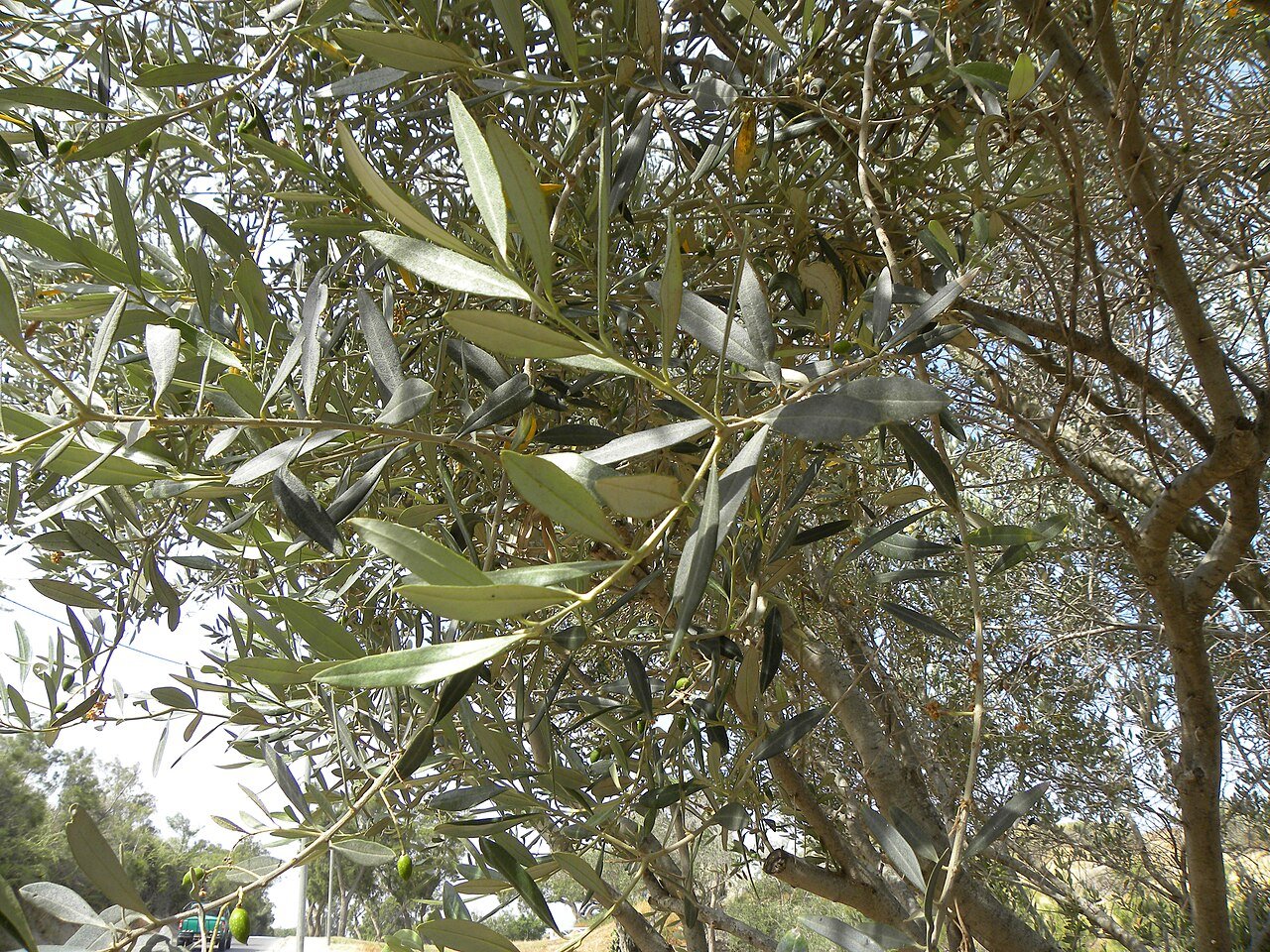
All olive oils share a similar fat profile, so the oleic acid side of olive oil benefits is about the same in every grade. The difference lies in the minor compounds. Extra virgin and virgin oils are pressed mechanically without refining, so they keep their natural polyphenols, aroma and color.
Refined oils, sold as “pure,” “classic” or “light,” are treated to remove flaws and lose most of those compounds along the way. Research comparing high-polyphenol and low-polyphenol oils has reported better results for some blood lipid and oxidation markers with the high-polyphenol oils, though authors call for longer studies.
How to spot a high-polyphenol oil
- Taste: a bitter note and a peppery catch in the throat are good signs.
- Freshness: polyphenols fade with time, so a recent harvest is better.
- Grade: choose extra virgin for raw use and finishing.
- Packaging: dark glass or tins protect the oil from light.
| Grade | Refined? | Polyphenols | Best for |
|---|---|---|---|
| Extra virgin | No | Highest when fresh | Raw use, dips, finishing, gentle cooking |
| Virgin | No | Present, often a little lower | Everyday cooking, tagines, stews |
| “Pure” or “light” | Blend of refined and virgin | Low | Neutral flavor needs |
| Pomace oil | Yes | Very low | Frying in volume |
Cooking Without Losing Olive Oil Benefits
A common myth says you should never heat olive oil. In reality you can sauté, roast and pan fry with it at normal home temperatures. Published smoke point figures for extra virgin oil usually fall around 190 to 215°C (about 374 to 419°F), depending on freshness and acidity.
Heat does reduce some delicate compounds. Polyphenols and aroma drop as oil is heated hard and for a long time, and reheated frying oil loses even more. So the smart approach is to use oil for cooking and also save some fresh oil to add raw at the end.
Keep olive oil benefits at the stove
- Cook over low to medium heat for onions, vegetables and tagines.
- Do not let the pan smoke; if it does, start again with fresh oil.
- Finish soups, salads and stews with a raw spoonful of extra virgin.
- Do not reuse frying oil many times.
- Use virgin oil for longer cooking and extra virgin where you can taste it.
8 Easy Ways to Enjoy Olive Oil Benefits Every Day
The goal is to replace less healthy fats, not to add extra calories. These simple swaps make that easy.
Bread and oil instead of butter
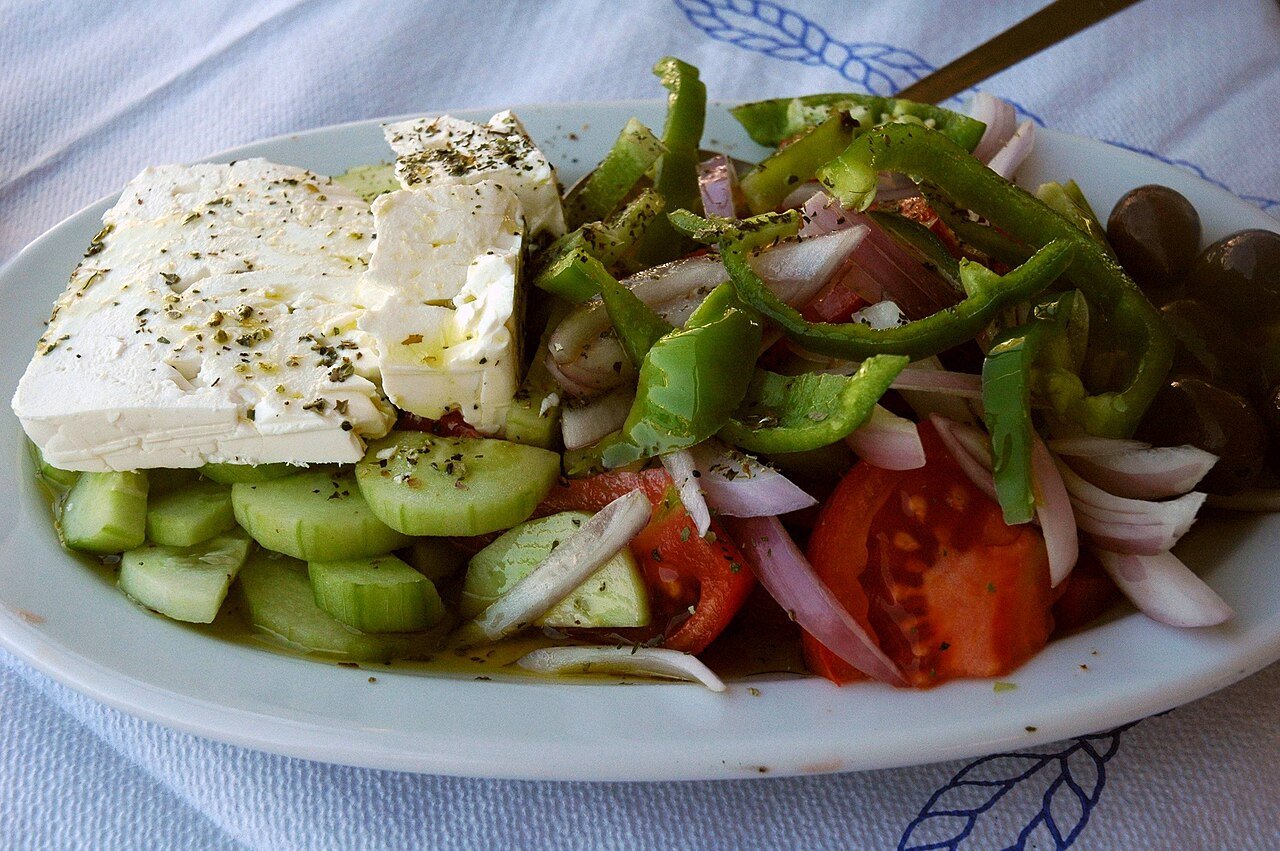
Dip warm bread in a saucer of extra virgin oil with a few Moroccan olives, as many North African families do.
Make your own dressing
Whisk 3 tablespoons olive oil with 1 tablespoon lemon juice, a pinch of salt and ground cumin. Skip bottled creamy dressings.
Finish with a swirl
Pour a teaspoon of fresh oil over bissara, lentil soup or harira just before serving.
Roast with oil, not butter
Toss carrots, zucchini or potatoes with oil, sweet paprika and salt, then roast at 400°F.
Pair with oily fish
Canned Moroccan sardines with lemon, parsley and a drizzle of oil make a quick lunch.
Upgrade your dips
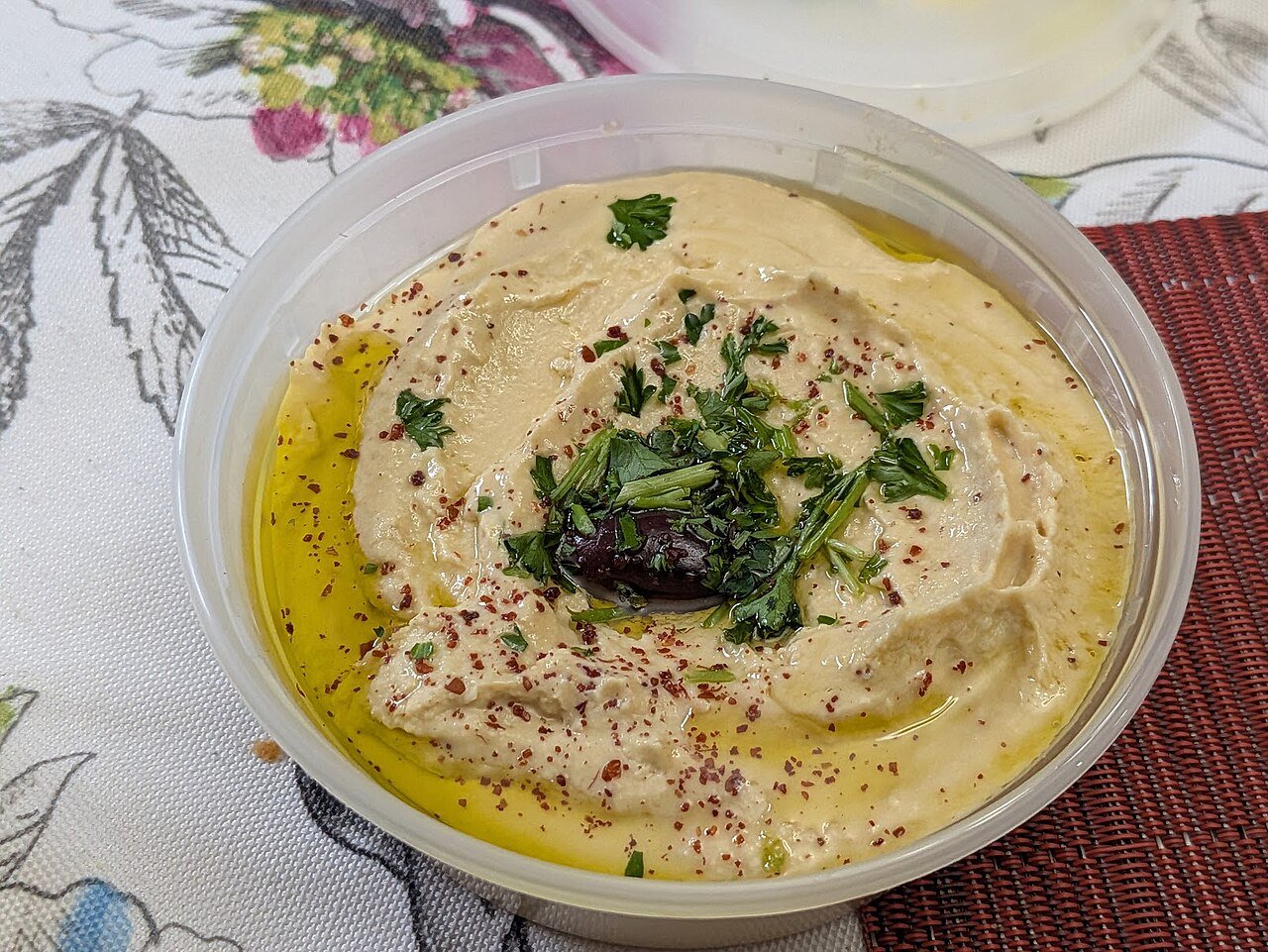
Hummus, zaalouk and spicy harissa dips all taste better with a final drizzle.
Start every stew with it
Soften onions in 2 tablespoons of virgin oil instead of smen or butter for tagines and sauces.
Try it in breads
Many North African flatbreads and savory doughs use olive oil instead of shortening.
Olive Oil in North African Diets
Olive trees have shaped daily life across Morocco, Algeria and Tunisia for thousands of years. Tunisia is one of the world’s leading producers, Algeria’s Kabylie region is famous for its mountain oil, and Morocco’s olive groves stretch from the Rif to the foothills of the Atlas.
In these kitchens, olive oil is not a health supplement. It is simply the everyday fat: poured on bread at breakfast, cooked into salads, stirred into couscous sauces and served beside a plate of olives. That habit of using it in place of animal fats is exactly the pattern linked with many olive oil benefits in research.
Our Moroccan cooking oils and Algerian cooking oils sections bring those same bottles to US kitchens.
Bissara
Dried fava bean soup topped with olive oil, cumin and paprika. Filling, cheap and full of fiber.
Zaalouk
Cooked eggplant and tomato salad that relies on olive oil for its silky texture.
Chakchouka
Peppers, tomatoes and eggs cooked slowly in olive oil, often with a little harissa.
Salade mechouia
Grilled pepper and tomato salad dressed with oil, often served with tuna in olive oil.
How Much Olive Oil Per Day Is Reasonable?
General information only, not medical advice. There is no single official daily target for olive oil. The FDA qualified claim uses about 2 tablespoons (23 g) a day as its reference amount, always as a replacement for saturated fat. That is roughly 240 calories, so it should replace other fats rather than sit on top of them.
If you are watching your weight, measure oil with a spoon for a week. It is easy to pour three or four tablespoons into a pan without noticing, which can cancel out olive oil benefits.
| Swap this | For this | Why it helps |
|---|---|---|
| Butter on toast | 1 tsp extra virgin oil | Less saturated fat, more polyphenols |
| Creamy bottled dressing | Oil, lemon and spices | No added sugar or thickeners |
| Lard or smen for stews | Virgin olive oil | Mostly monounsaturated fat |
| Mayonnaise in tuna salad | Oil and lemon | Lighter, fresher taste |
| Deep-fried snacks | Oven-roasted vegetables with oil | Less oil overall, more vegetables |
Who should be careful
People on calorie-restricted diets, those with gallbladder problems and anyone told to limit fat should follow their own doctor’s advice. Olive oil is generally a safe food, but more is not always better.
Olive Oil Benefits for Skin and Hair
Outside the kitchen, olive oil has a long history in North African beauty rituals. It is a traditional base for Moroccan black soap, the soft paste used in the hammam before scrubbing. Many people also use a few drops as a simple moisturizer for dry hands, elbows or hair ends.
The evidence for skin-care olive oil benefits is much thinner than for diet. Oil can soften dry skin and reduce moisture loss, but it is heavy and may not suit acne-prone or sensitive skin. Always patch test a small area first, and see a dermatologist for skin conditions such as eczema. This is general information only, not medical advice.
If you enjoy hammam-style care, try black soap with olive oil and prickly pear or the rose black soap, both made with olive oil.
Buying and Storing Oil to Protect Olive Oil Benefits
Oxygen, light and heat slowly break down polyphenols and flavor, so storage decides how many olive oil benefits reach your plate.
- Read the grade: extra virgin or virgin means unrefined.
- Check the date: look for a harvest or best-by date and buy the freshest.
- Find the origin: “product of Morocco” or “product of Algeria” tells you where the olives grew.
- Choose dark packaging: dark glass or tins beat clear plastic.
- Buy the right size: a 2 L bottle suits daily cooks; a 1 L bottle stays fresher for occasional use.
- Store it well: keep it tightly closed in a cool, dark cupboard and use an opened bottle within a few months.
Cold oil may turn cloudy in the fridge. It clears at room temperature and is not damaged.

Best Olive Oils to Buy in the USA
Three extra virgin oils for raw use and three virgin oils for everyday cooking, all from Morocco and Algeria.

 Best for finishingAkfadou Extra Virgin 1L
Algerian mountain oil to drizzle over soups and dips.
Shop now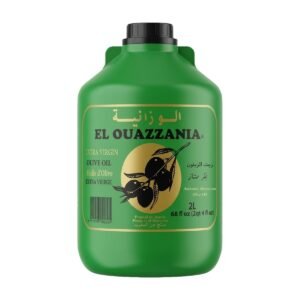 Best family sizeEl Ouazzania Extra Virgin 2L
For households that use extra virgin oil every day.
Shop now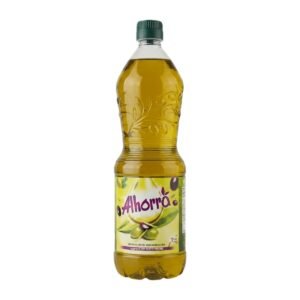
Need delivery details? See our shipping policy.
Olive Oil Benefits FAQs
What are the main olive oil benefits?
Olive oil is rich in monounsaturated fat, mainly oleic acid, and unrefined grades contain polyphenols and vitamin E. Used in place of saturated fats, it is linked with healthier cholesterol levels and better heart health markers. This is general information, not medical advice.
Do all grades give the same olive oil benefits?
No. All olive oils have a similar fat profile, but refined oils lose most of their polyphenols. Fresh extra virgin oil keeps the most of these compounds, followed by virgin oil.
How much olive oil should I eat per day?
There is no official target. The FDA qualified health claim refers to about 2 tablespoons (23 g) a day, replacing a similar amount of saturated fat without raising total calories. Ask your doctor or dietitian what suits you.
Does cooking destroy olive oil benefits?
Not entirely. The fat profile stays the same, but hard, long heating lowers polyphenols and aroma. Cook at low to medium heat and add a little raw extra virgin oil at the end to keep the most benefit.
Is it good to drink olive oil on an empty stomach?
Some people take a spoonful in the morning, but there is no strong evidence that this works better than using the same oil in food. A spoonful adds about 119 calories, so count it as part of your daily fat.
Can olive oil help with weight loss?
Olive oil is calorie dense, so it does not cause weight loss by itself. It can fit a healthy weight plan when it replaces other fats and helps make vegetables and legumes more satisfying.
Is olive oil good for skin?
It can soften dry skin and is a traditional ingredient in Moroccan black soap. It is heavy and may not suit acne-prone skin, so patch test first and ask a dermatologist about skin conditions.
How can I tell if my olive oil is still fresh?
Smell and taste it. Fresh oil smells fruity or grassy and may taste slightly bitter and peppery. A smell like crayons, stale nuts or vinegar means the oil has gone rancid or stale.
Further reading: FDA qualified health claims · Olive oil (Wikipedia) · Mediterranean diet (Wikipedia)
Bring Fresh Olive Oil to Your Table
Enjoy everyday olive oil benefits with Moroccan and Algerian oils, shipped to your door anywhere in the USA.
Shop Cooking Oils Shop All Products