Moroccan Tagine Recipe for Beginners
A simple, foolproof beef tagine with carrots, potatoes and peas, plus the pot, the spices, the method and the mistakes to avoid on your very first try.
A classic Moroccan tagine recipe slowly braises meat with onion, olive oil, ginger, paprika, cumin, saffron and a little water under a cone-shaped lid, then finishes it with vegetables on top. For beginners, coat 2 lb of beef chuck with the spices, cook it gently on low heat for about 2 hours, add carrots and potatoes for the last 30 to 40 minutes and peas for the final 10. Serve it straight from the pot with crusty bread.
Your First Tagine, Made Easy
A tagine looks impressive, but it is one of the most forgiving dishes you can cook. This Moroccan tagine recipe is written for beginners: one pot, everyday ingredients, low heat and plenty of time doing nothing while the kitchen fills with the smell of ginger and saffron.
Below you will learn how the pot works, which spices matter most, a step-by-step beef and vegetable tagine, and how to adapt it for lamb, chicken or a meat-free version. Most of the spices come from our Moroccan spices collection, and the oil from our olive oils.
Moroccan Tagine at a Glance
What Is a Tagine and Why Does It Work?
The word tagine (also spelled tajine) means two things: a shallow earthenware dish with a tall, cone-shaped lid, and the slow-cooked stew made inside it. The Wikipedia entry on tajine notes that the Arabic word may come from an ancient Greek term for a frying pan or saucepan.
The design is clever. Steam rises into the cone, cools, and runs back down onto the food, so very little water is needed. That made the pot ideal in places where water was precious, and it is why a good Moroccan tagine recipe uses so little liquid.
Traditionally, the pot for a Moroccan tagine recipe sits over charcoal in a small clay brazier. At home, a gas or electric stove on low heat, a heat diffuser, or a low oven all work well.
Moroccan vs Tunisian tagine
In Morocco and Algeria, tagine means a stew of meat, poultry or fish with vegetables or fruit. In Tunisia the same word usually describes a baked egg and cheese dish closer to a frittata or quiche. This Moroccan tagine recipe is the stew.

Choosing and Seasoning Your Tagine Pot
You do not need a special pot to follow this Moroccan tagine recipe, but if you own one, a little care keeps it cooking for years. Note that we do not sell tagine pots; any kitchen store or Moroccan pottery seller can help.
Cooking tagine vs serving tagine
Brightly painted tagines are often made for serving only. For cooking, choose a plain glazed or unglazed earthenware pot sold as cookware, or a flameproof stoneware or cast-iron-bottomed model.
How to season a new clay pot before your first Moroccan tagine recipe
- Soak. Many makers suggest soaking an unglazed pot and lid in water for a few hours or overnight.
- Dry and oil. Let it dry, then rub the inside with olive oil.
- Bake slowly. Put it in a cold oven, heat to about 300°F and leave it for around 2 hours.
- Cool in place. Turn the oven off and let the pot cool inside to avoid cracks.
Rules that prevent cracks
- Always start on low heat and raise it slowly. Use a heat diffuser on gas or electric burners.
- Never pour cold water into a hot pot, or set a hot pot on a cold, wet surface.
- Keep at least a little liquid in the base so it never cooks dry.
- Wash with warm water and a soft brush; avoid soaking a seasoned pot in soapy water.
The Beginner’s Tagine Formula
This is the heart of any Moroccan tagine recipe. Once you understand these seven building blocks, almost every Moroccan tagine recipe follows the same pattern. Swap the meat and toppings and you can cook dozens of dishes.
Olive oil in the base
Two to four tablespoons of olive oil coat the pot and carry the spice flavors. A virgin oil is ideal for long cooking.
Plenty of onion
Grated onion melts into the sauce; sliced onion forms a bed that stops meat sticking. Use both.
A warm spice mix
Ginger, paprika, cumin, pepper and a pinch of saffron are the core. Ras el hanout adds depth.
A cut that loves time
Beef chuck, lamb shoulder or chicken thighs become tender with slow cooking. Lean cuts dry out.
Just a little water
Start with about 1 to 1.5 cups. The lid recycles steam, so you add more only if the base looks dry.
Vegetables or fruit
Carrots, potatoes, peas, zucchini, olives or dried fruit go on top so they steam instead of turning to mush.
Herbs and a final drizzle
Fresh cilantro and parsley, a few olives and a spoon of good extra virgin oil wake up the flavors at the end.
Spices for a Moroccan Tagine Recipe and What Each Does
You do not need a long list. These amounts are for the beef tagine below and serve 4 to 6. For more on the famous blend, see Britannica’s ras el hanout entry.
| Spice | Amount | What it adds | Try |
|---|---|---|---|
| Ground ginger | 1 tsp | Warmth and the classic tagine aroma | Casablanca ginger |
| Sweet paprika | 1 tsp | Color and gentle sweetness | Casablanca paprika |
| Ground cumin | 1 tsp | Earthy depth | Ground cumin |
| Ras el hanout | 1 tsp | A rounded, complex spice background | Ras el hanout |
| Saffron | A pinch (8 to 10 threads) | Golden color and floral notes | Moroccan saffron |
| Black or white pepper | 1/2 tsp | Gentle heat | White pepper |
| Cinnamon stick | 1 small (optional) | A soft sweet note | Cinnamon sticks |
Spice tips for your first Moroccan tagine recipe
Crumble the saffron threads into a spoonful of warm water a few minutes before using them, so the color spreads evenly. Many Moroccan cooks also use turmeric for color; we do not stock it, but saffron alone works beautifully.
Ground spices lose aroma over time, and a Moroccan tagine recipe depends on them. If your jars are more than a year old, smell them: if the scent is faint, a fresh jar will make a noticeable difference.
Moroccan Tagine Recipe: Beef with Carrots, Potatoes and Peas
This Moroccan tagine recipe serves 4 to 6 and takes about 25 minutes of hands-on work. Times are for a clay tagine on a diffuser or a Dutch oven on low heat.
Ingredients
- 2 lb (about 900 g) boneless beef chuck, cut into 1.5 to 2 inch chunks
- 3 tbsp olive oil, plus extra to finish
- 2 medium onions: 1 grated, 1 thinly sliced
- 3 garlic cloves, minced
- 1 tsp each ground ginger, sweet paprika, ground cumin and ras el hanout
- 1/2 tsp black or white pepper and about 1 tsp salt
- A pinch of saffron threads soaked in 2 tbsp warm water
- 1 small cinnamon stick (optional)
- 1 tbsp tomato paste (optional)
- A small bunch each of cilantro and parsley, tied with string
- 1 to 1.5 cups water, plus more if needed
- 3 carrots, peeled and halved lengthwise
- 3 medium potatoes, peeled and cut in wedges
- 1 cup green peas, fresh or frozen
- A handful of olives (optional)
Method
- Season the meat. In a bowl, mix the beef with the grated onion, garlic, oil, all the spices, the saffron water and salt. Rest 15 minutes, or cover and refrigerate overnight.
- Build the base. Spread the sliced onion in the tagine or Dutch oven. Add the beef and its marinade on top. Warm over low heat for 10 to 15 minutes, turning the meat once, until it smells fragrant.
- Add liquid and simmer. Stir in the tomato paste if using, add 1 cup of water, the herb bundle and cinnamon. Cover and cook on low for about 1.5 to 2 hours, checking every 30 minutes and adding a splash of water if the base looks dry.
- Arrange the vegetables. When the beef is almost tender, stand the carrots and potato wedges around and over the meat in a cone shape. Season them lightly, add 1/2 cup water, cover and cook 30 to 40 minutes.
- Add the peas. Scatter the peas over the top and cook 10 minutes more, until the vegetables are tender when pierced with a knife.
- Reduce and finish. Remove the herb bundle and cinnamon. If the sauce is thin, cook with the lid ajar for 5 to 10 minutes. Add olives, a drizzle of extra virgin oil and chopped herbs, then serve.


8 Tips and Mistakes to Avoid
Almost every problem with a first Moroccan tagine recipe comes from too much heat, too much water or vegetables added too early.
Keep it low
A Moroccan tagine recipe should barely bubble. High heat burns the base and can crack a clay pot.
Do not drown it
Too much water gives you soup. Start small; you can always add more.
Vegetables go in late
Add them when the meat is nearly done so they hold their shape.
Resist lifting the lid
Every peek lets steam escape. Check every 30 minutes, not every 5.
Pick a fatty cut
Chuck or shoulder stays juicy. Lean stew meat or sirloin turns dry and stringy.
Season in stages
Salt the meat at the start, then taste the sauce near the end. Olives add salt too.
Cut evenly
Same-size chunks cook at the same pace, so nothing is tough while the rest is tender.
Let it sit
Rest the covered tagine 10 minutes off the heat. The sauce thickens and the flavors settle.
Easy Variations on This Moroccan Tagine Recipe
Keep the same formula and change the protein, toppings or fruit. Here are six popular directions to try once you are comfortable.
Lamb shoulder Moroccan tagine recipe
Use the same spices and timing. Lamb is the most traditional meat for a festive Moroccan tagine recipe.
With prunes and almonds
Skip the vegetables, add soaked prunes, a little honey and cinnamon for the last 20 minutes, then top with toasted almonds and sesame.
Chicken with olives
Use bone-in thighs and cut the cooking time to about 45 to 60 minutes. Finish with Moroccan olives.
All-vegetable tagine
Layer potatoes, carrots, zucchini, tomatoes and peppers with the spices and oil, and cook about 1 hour.
A kick of heat
Stir a spoon of harissa into the sauce, or add a pinch of cayenne. Learn more in our harissa guide.
Richer sauce
A crumbled stock cube, such as Ideal saffron cubes, adds body when you are short on time. Reduce the salt.


Serving and Storing Your Tagine
How to serve a Moroccan tagine recipe
In Morocco, a tagine goes to the table in its pot, and everyone eats from the shared dish using pieces of bread to scoop up meat, vegetables and sauce. Round Moroccan khobz is traditional, but any crusty loaf works.
Add a couple of small salads, such as tomato and cucumber or cooked carrot with cumin, and finish the meal with a pot of mint tea from our tea time range. Some families serve couscous on the side, although couscous and tagine are usually separate dishes.
Leftovers and food safety
A Moroccan tagine recipe often tastes even better the next day. Cool leftovers and refrigerate them within 2 hours, then eat them within 3 to 4 days, as recommended by the USDA Food Safety and Inspection Service. Reheat until steaming hot, to 165°F.
Tagine also freezes well for about 2 to 3 months for best quality. Potatoes can turn a little grainy after freezing, so you may prefer to freeze the meat and sauce and cook fresh vegetables when you reheat.
| Question | Short answer |
|---|---|
| Can I make it ahead? | Yes. Cook it a day early and reheat gently. |
| Can I reheat in the clay pot? | Only if it starts at room temperature, on low heat. |
| How long in the fridge? | 3 to 4 days in a sealed container. |
| Can I freeze it? | Yes, about 2 to 3 months for best quality. |
Moroccan Tagine Recipe Essentials to Buy
Everything for your first Moroccan tagine recipe, except the pot and the fresh produce, shipped to all 50 states.
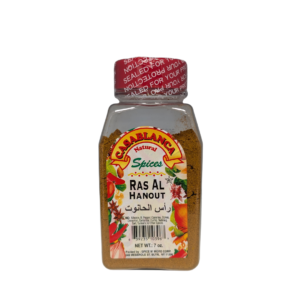

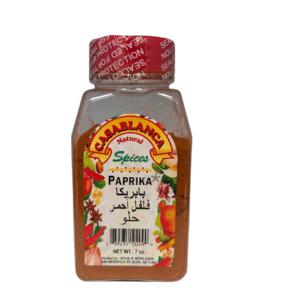
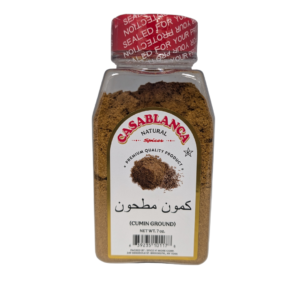

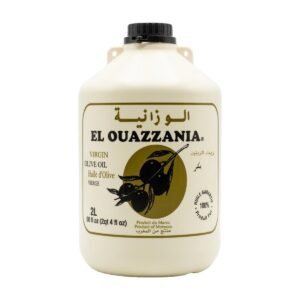
For finishing, a bottle of Mina extra virgin olive oil adds fresh, peppery aroma. See our shipping policy for delivery times.
Moroccan Tagine Recipe FAQs
Do I need a tagine pot for a Moroccan tagine recipe?
No. A heavy Dutch oven or a wide pan with a tight lid works very well. Keep the heat low and the lid closed, and use a little less water than you would for a regular stew.
What is the best meat for a beginner tagine?
Beef chuck and lamb shoulder are the easiest because their fat and connective tissue turn tender with slow cooking. Bone-in chicken thighs are a quicker option.
How long does a Moroccan tagine take to cook?
Beef or lamb usually needs about 2 to 2.5 hours on low heat, plus 30 to 40 minutes for the vegetables. Chicken takes about 45 to 60 minutes, and an all-vegetable tagine about 1 hour.
Can I put a clay tagine on an electric or glass stove?
Many clay tagines can be used on electric or gas burners with a heat diffuser, but check the maker’s instructions. Glass and induction tops usually need a diffuser or a metal-based tagine.
Which spices are essential for a Moroccan tagine recipe?
Ground ginger, sweet paprika, cumin, black or white pepper and a pinch of saffron are the core. Ras el hanout and a cinnamon stick add extra warmth and depth.
Why is my tagine watery?
Usually too much water was added at the start, or the vegetables released their juices. Cook with the lid slightly open for 5 to 10 minutes at the end to reduce the sauce.
What do you serve with tagine?
Crusty bread is traditional for scooping. Simple salads and a pot of mint tea complete the meal. Couscous is sometimes served alongside, though it is usually a separate dish.
How long do tagine leftovers keep?
Refrigerate leftovers within 2 hours and eat them within 3 to 4 days, reheating until steaming hot. Tagine also freezes well for about 2 to 3 months.
Further reading: Tajine (Wikipedia) · Ras el hanout (Britannica) · USDA FSIS: Leftovers and food safety
Cook Your First Tagine This Weekend
Authentic Moroccan spices, saffron and olive oil for every Moroccan tagine recipe, delivered to your door anywhere in the USA.
Shop Moroccan Spices Shop All Products