Rfissa Moroccan Chicken and Msemen
The story, the spices and a step-by-step recipe for Morocco’s most comforting celebration dish: saffron chicken, lentils and fenugreek over steamed, shredded msemen.
Rfissa is a Moroccan dish of chicken slowly cooked with onions, lentils, fenugreek seeds and ras el hanout, served over a mound of torn, steamed msemen or other flatbread that soaks up the saffron broth. It is a home-cooked, family dish, traditionally served to new mothers and at gatherings. Plan on soaking the fenugreek overnight and about 1.5 to 2 hours of cooking.
Your Complete Rfissa Guide
If couscous is Morocco’s Friday dish, this is its dish of care. It is what a mother cooks after her daughter gives birth, what an aunt makes when the whole family comes over, and what many Moroccans abroad crave on a cold weekend. Rfissa combines tender chicken, a golden broth fragrant with fenugreek and a bed of soft, buttery bread.
The good news: it is not hard, it just takes a little planning. Below you will find its history, what each ingredient does, how to handle the bread, a full recipe and the spices you can order from our Moroccan spices collection anywhere in the USA.
Rfissa at a Glance
What Is Rfissa and Where Does It Come From?
Rfissa belongs to an old family of dishes where bread is soaked in a rich meat broth. Its closest ancestor is tharid, a bread-and-stew dish known across the Arab world for centuries. In Morocco, a similar dish called trid uses paper-thin pastry, and the two names are sometimes used for the same plate.
The name is linked to the medieval term rafis, which described dough kneaded with butter and sprinkled with sugar. Over time the name moved from the bread itself to the whole festive dish built on top of it.
A rural dish that reached the cookbooks late
Interestingly, the dish did not appear in Moroccan cookbooks until the 1990s. The historian Anny Gaul has suggested this is because it came from rural kitchens, while many early cookbook authors came from elite urban families in Fez. You can read more in the Wikipedia entry on rfissa.
Today it is cooked in homes across Morocco, from Marrakech to Casablanca, and in Moroccan families in the US, France and beyond.

When Is Rfissa Served?
Rfissa is best known as the dish for a new mother. In many Moroccan families, relatives cook it in the days after a baby is born, often on the third day, and invite friends and neighbors to share it. Fenugreek has long been believed to help women recover and to support breastfeeding.
The dish is also a centerpiece for family celebrations, big weekend lunches and visits from guests. Because one large platter feeds a crowd, it naturally becomes a reason to gather around the table.
Rfissa as comfort food
For Moroccans abroad, this dish is often a taste of home. The smell of fenugreek, saffron and onions simmering together brings back memories of grandmothers’ kitchens. It is the kind of meal people make on a slow Sunday, not a rushed weeknight.
The Key Rfissa Ingredients
Every family has its own version, but the dish always rests on the same core ingredients. Here is what each one brings to the plate.
Chicken
Moroccans prize free-range farm chicken, called beldi, which has firmer meat and needs longer cooking. A regular supermarket chicken, called roumi in Morocco, works well and cooks faster. Bone-in thighs and drumsticks are a great US option.
Fenugreek seeds
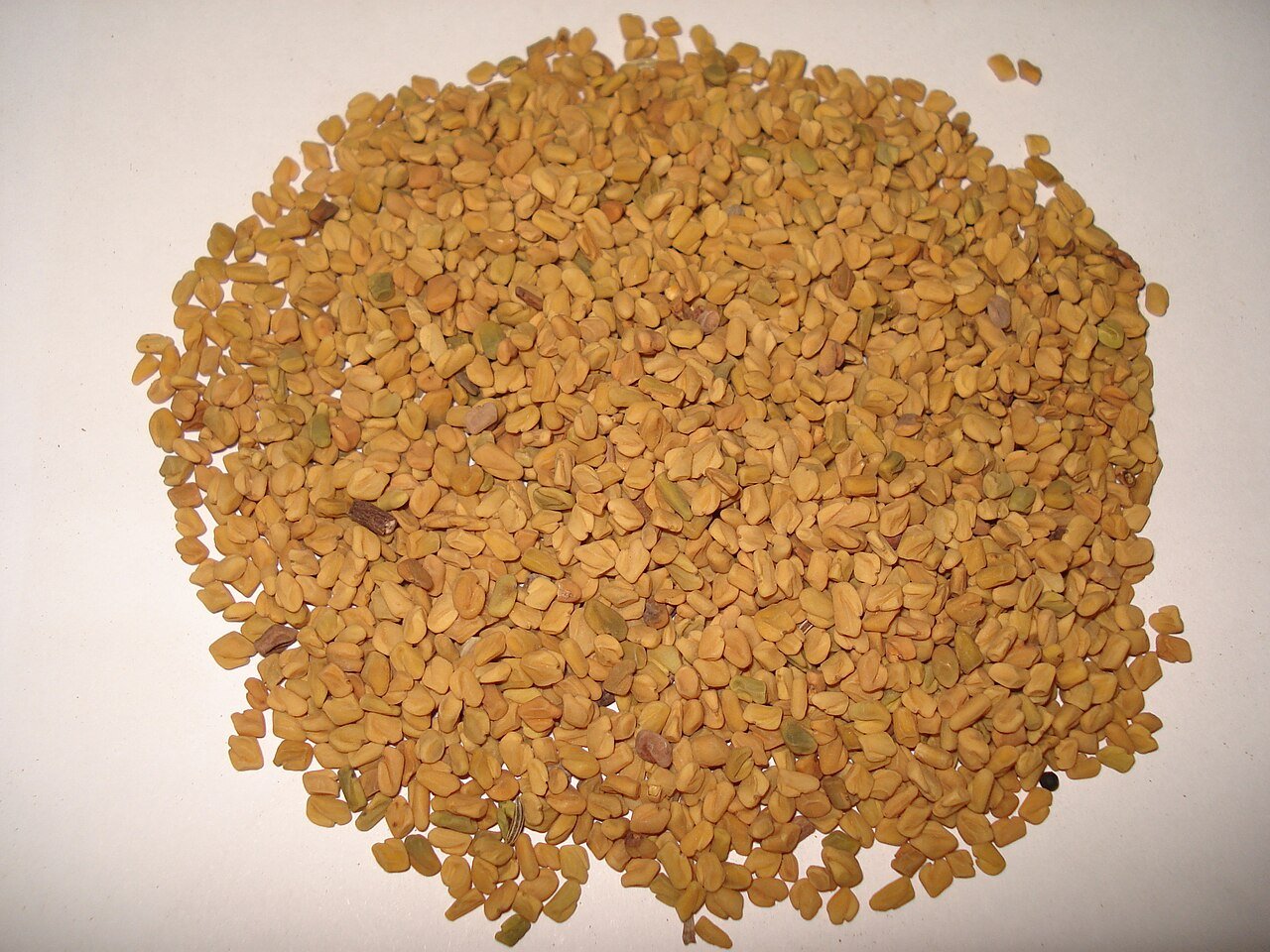
Fenugreek, or helba, is the signature flavor here. The seeds taste slightly bitter and smell like maple and celery. Soaking them overnight softens them and tames the bitterness.
Lentils
Brown or green lentils add body to the broth and a soft, earthy bite. They hold their shape better than red lentils.
Onions
Plenty of thinly sliced onions melt into a sweet, savory sauce that clings to the bread.
| Ingredient | Role in the dish | US shopping tip |
|---|---|---|
| Chicken | Main protein, flavors the broth | Bone-in, skin-on pieces or a whole bird |
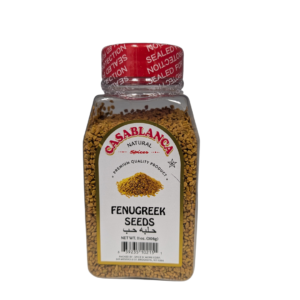
| Fenugreek seeds | Signature aroma and slight bitterness | Casablanca fenugreek seeds |
| Brown or green lentils | Body and texture | Any supermarket; avoid red lentils |
| Onions | Sweet, silky sauce | Yellow onions, 3 large |
| Olive oil | Cooking fat and flavor | Mina extra virgin olive oil |
| Fresh herbs | Freshness and color | Cilantro and flat-leaf parsley |
| Bread | Soaks up the broth | Msemen, trid, harcha or day-old bread |

The Rfissa Spice Blend
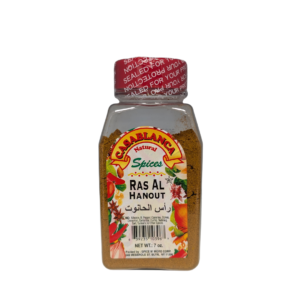
The spice mix is warm and golden rather than hot. Most families use a base of ginger, turmeric, black pepper and saffron, then add ras el hanout or a winter blend called msakhen.
Ras el hanout vs msakhen
Ras el hanout means “head of the shop,” a merchant’s best blend of many spices. Msakhen, meaning “warming,” is a related mix that often includes herbs and more heat. It is a favorite in colder months. Either works; use what you can find.
Saffron
A pinch of saffron gives the broth its deep yellow color and a honeyed aroma. Morocco grows its own saffron, especially around Taliouine. Warm the threads lightly and crumble them before adding.
Smen
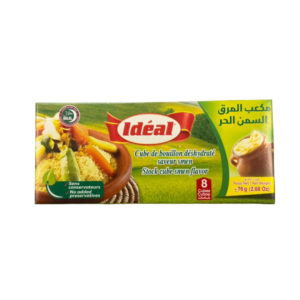
Smen is a preserved, aged butter with a strong, cheesy aroma. A teaspoon stirred in at the end gives rfissa its classic depth. We do not sell smen itself, but Idéal smen flavor cubes are a handy shortcut.
| Spice | Amount (1 chicken) | What it adds |
|---|---|---|
| Ras el hanout | 1 tablespoon | Warm, complex base |
| Ground ginger | 1 tablespoon | Gentle heat and brightness |
| Ground turmeric | 1 teaspoon | Golden color |
| Black pepper | 1 teaspoon, freshly ground | Bite |
| Saffron threads | A generous pinch | Color and aroma |
| Fenugreek seeds | 3 tablespoons, soaked | The signature flavor |
| Salt | About 2 teaspoons, to taste | Balance |
Msemen, Trid and Other Rfissa Breads
The bread is half of the dish. It should be soft and flaky enough to drink up the broth without turning to mush. Most families make it a day or more ahead, tear it into strips while warm, then steam it just before serving.
Msemen are square, laminated pancakes made from flour, fine semolina, oil and butter. Folded and griddled, they form thin layers that separate easily into ribbons. Trid is even finer: dough stretched paper-thin and cooked in delicate sheets.
How to prepare the bread
Tear warm msemen into bite-size strips and keep them in a bag so they stay soft. Freeze them if you are working more than a day ahead. Before serving, steam the strips for about 10 minutes over simmering water, or cover and microwave them with a sprinkle of water.

Msemen
The most common base. Flaky layers soak up broth evenly and stay tender.
Trid
Ultra-thin pastry sheets for special occasions. Lighter and more delicate, but more work.
Meloui
Round, coiled flatbreads with similar layers to msemen. A good alternative.
Harcha
Semolina griddle bread. Crumbled under the chicken, it gives a heartier version.
Day-old bread
Stale Moroccan khobz or a rustic loaf, cut in cubes. The oldest way to use leftover bread.
Frozen paratha
Store-bought paratha from South Asian groceries is a popular US shortcut. Cook, shred and steam.
How to Make Rfissa Step by Step
This recipe serves 6. Soak the fenugreek the night before, and make or buy the bread ahead. Active time is about 40 minutes; cooking time is 1.5 to 2 hours.
Ingredients
- 1 chicken (3.5 to 4 lb), cut into 4 to 8 pieces, or 3 lb bone-in thighs and drumsticks
- 3 large yellow onions, thinly sliced
- 1/3 cup olive oil
- 3 tablespoons fenugreek seeds, soaked overnight and drained
- 1/2 cup brown or green lentils, rinsed
- 1 tablespoon ras el hanout (or msakhen)
- 1 tablespoon ground ginger
- 1 teaspoon turmeric
- 1 teaspoon black pepper and about 2 teaspoons salt
- A generous pinch of saffron threads
- A small bunch each of cilantro and parsley, tied together
- 5 to 6 cups water
- 1 teaspoon smen or butter (optional)
- 8 to 10 msemen, torn into strips
Method
- Season the chicken. In a large heavy pot, combine the chicken, onions, oil, salt and all the spices except saffron. Rub well and leave for at least 1 hour, or overnight in the fridge.
- Build the sauce. Set the pot over medium heat, cover and cook for 15 to 20 minutes, stirring now and then, until the onions soften and release their juices.
- Add the broth. Add the drained fenugreek, herb bundle, crumbled saffron and water. Bring to a boil, then lower to a gentle simmer and cover.
- Simmer. Cook a supermarket chicken for about 30 minutes before adding the lentils. A beldi chicken needs about an hour first.
- Add the lentils. Stir in the lentils and simmer 40 to 60 minutes more, until the chicken is tender and the lentils are soft. Add a little water if the broth gets too thick.
- Finish. Remove the herbs, stir in the smen and taste for salt. For crisp skin, broil the chicken pieces for a few minutes.
- Steam the bread. Steam the msemen strips for about 10 minutes until hot and soft.
- Assemble. Mound the bread on a large platter, ladle over plenty of broth, then add the chicken, lentils and onions on top. Serve extra broth on the side.
8 Tips for the Best Rfissa
Most problems come down to bitter fenugreek, dry bread or a thin broth. These tips solve all three.
Always soak the seeds
An overnight soak softens the seeds and reduces bitterness. Pressed for time? Simmer them in water for 10 minutes and drain.
Use a cheesecloth bag
Tie the seeds in cheesecloth if guests dislike biting into them. You still get the aroma.
Ground fenugreek in a pinch
Start with 1/2 to 1 teaspoon of ground fenugreek. It is stronger than whole seeds.
Do not rush the onions
Letting the onions sweat with the spices before adding water builds a deep, sweet sauce.
Make extra broth
The bread drinks a lot. Keep at least two cups of broth for the side bowl.
Steam, do not soak
Hot, steamed bread absorbs broth evenly. Cold bread turns gummy.
Watch the chicken
If the chicken is done before the lentils, lift it out and return it at the end to warm through.
Store bread and stew apart
Refrigerate leftovers separately and reheat with a splash of water. It reheats well this way.
Regional Rfissa Variations
The dish changes from city to city and family to family. These are some of the versions you may meet in Morocco and in Moroccan homes abroad.
Bormache
A Meknes-style cousin cooked with tomatoes, garlic and dried herbs for a brighter, tangier broth.
Rfissa medhoussa
Instead of msemen, the chicken and broth go over crumbled harcha, mixed by hand into a moist, hearty base.
Treda
A thrifty version where cubes of bread take the place of flatbread. Simple and very filling.
Easy twists for US kitchens
Weeknight rfissa
Use boneless thighs, skip the overnight marinade and cook for about 45 minutes. Lentils cooked separately can be stirred in at the end.
Msakhen version
Swap ras el hanout for msakhen for a more herbal, warming pot on cold days.
Chickpea rfissa
A home-style idea: simmer chickpeas and vegetables in the same spiced broth and serve over msemen.
How to Serve and Eat Rfissa
The dish is served on one big round platter set in the middle of the table. Each person eats from the section in front of them, by hand with a piece of bread or with a spoon. The host usually pushes the best pieces of chicken toward guests.
Put a bowl of extra broth on the table so everyone can moisten their portion. A small dish of soaked fenugreek seeds is also common for those who love them.
What to serve with rfissa
- Small salads such as tomato and cucumber or roasted pepper salad
- Olives and pickles on the side
- Fresh fruit after the meal
- A pot of mint tea from our tea time collection to finish

Fenugreek and Health Notes
General information only, not medical advice. Rfissa is traditionally linked to new mothers because fenugreek has long been believed to support recovery after birth and breast milk supply. This is a strong cultural tradition, but the science is not settled.
The US National Center for Complementary and Integrative Health says studies on fenugreek and milk production have had mixed results and more research is needed. It considers fenugreek likely safe in normal food amounts for most adults, but notes it is not safe during pregnancy in amounts larger than those found in food.
Practical notes
- If you are pregnant, nursing or taking medicine, especially for blood sugar, ask your health care provider before eating large amounts of fenugreek.
- Fenugreek can cause digestive upset in some people, and allergic reactions are possible.
- The dish is rich: the bread, oil and smen add up. Serve generous chicken and lentils, and go easy on the bread if you want a lighter plate.
- Lentils and chicken make it a good source of protein.
Best Rfissa Spices to Buy in the USA
The pantry staples for an authentic pot, shipped to all 50 states. Explore the full spice collection for more.



See our shipping policy for delivery times, or browse the whole shop.
Rfissa FAQs
What is rfissa made of?
Rfissa is chicken cooked with onions, lentils, fenugreek seeds, ras el hanout, ginger, turmeric and saffron, served over shredded msemen, trid or day-old bread soaked in the broth.
Why is rfissa served after childbirth?
Fenugreek has long been believed in Morocco to help new mothers recover and to support breastfeeding. Studies on this are mixed, but the tradition remains strong.
What is the difference between rfissa and trid?
Both are bread-and-broth dishes. Trid usually means the paper-thin pastry and the dish made with it, while rfissa most often uses msemen. Many families use the names loosely.
Can I make rfissa without msemen?
Yes. Meloui, harcha, cubes of day-old bread or store-bought paratha all work. Steam the bread so it absorbs the broth evenly.
How do I make fenugreek less bitter?
Soak the seeds overnight and drain them, or simmer them in water for about 10 minutes and discard the water before adding them to the pot.
Can I make rfissa ahead of time?
Yes. Cook the chicken and broth a day ahead and keep the bread separate. Reheat the stew, steam the bread, then assemble just before serving.
Is rfissa spicy?
No. It is warm and aromatic rather than hot. The heat comes only from ginger and black pepper, and you can add harissa at the table if you like.
Further reading: Rfissa (Wikipedia) · NCCIH: Fenugreek · Taste of Maroc: Chicken Rfissa
Cook Rfissa This Weekend
Fenugreek, ras el hanout, saffron and more, delivered to your door anywhere in the USA.
Shop Moroccan Spices Shop All Products