Algerian Breakfast Breads, Coffee and Morning Traditions
What Algerians really eat in the morning, from café au lait and kesra to msemmen, dates and lben, plus an easy skillet bread recipe and a simple plan to recreate the table in the USA.
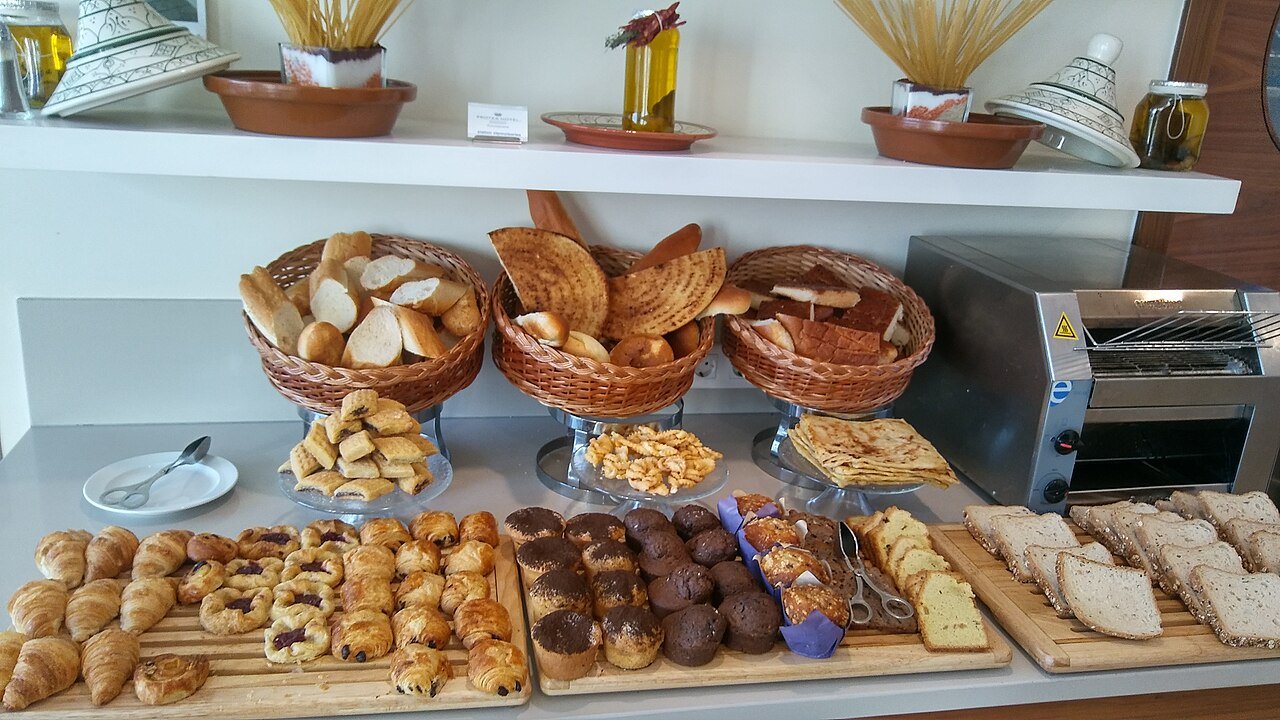
A typical Algerian breakfast is simple: coffee with milk or a small black coffee, bread or a griddle flatbread, and something to spread or dip, such as olive oil, butter, honey or jam. City cafés add croissants and other French-style pastries. At home, families bake kesra or matlou, fold msemmen, and set out dates, olives, cheese and a glass of lben (fermented milk). Weekends and holidays bring richer dishes like baghrir and sfenj.
Your Complete Morning Table Guide
An Algerian breakfast is less about one famous dish and more about a rhythm. A pot of coffee goes on, a round of bread comes off the griddle, and the table fills with small bowls of olive oil, honey and jam. It is quick on workdays and slow and generous on weekends.
That rhythm comes from many influences. Algerian food blends Amazigh (Berber), Arab, Ottoman Turkish and French traditions, and you can taste each of them before 9 a.m. Below you will find the drinks, the breads, the toppings, regional twists, Ramadan mornings and an easy recipe, with pantry staples from our Algerian products collection where they help.
Algerian Breakfast at a Glance
What Does an Algerian Breakfast Usually Include?
On a weekday, an Algerian breakfast can be as short as a bowl of coffee with milk and a piece of buttered bread. Many workers grab a coffee and a croissant at a neighborhood café on the way to the office. Students often eat bread with jam or soft cheese and a hot drink.
The French presence in Algeria from 1830 to 1962 left a clear mark here. Baguettes, croissants, pain au chocolat and café au lait are everyday items in cities like Algiers and Oran. The Breakfast by country entry on Wikipedia also describes coffee with a sweet pastry as the most common pairing.
Yet the older layer never disappeared. Semolina breads baked on a clay or cast-iron griddle, olive oil from family groves, dates and fermented milk are still at the heart of the traditional Algerian breakfast, especially in villages and on weekends.
Weekday vs weekend
Algeria’s weekend falls on Friday and Saturday. Those are the mornings for slower cooking: a stack of msemmen, a tray of baghrir with honey butter, or fried sfenj bought hot from a street stand.

Coffee, Tea and Milk
Coffee is the main drink of an Algerian breakfast. Algeria has a long café culture, and the morning cup is a ritual for many families. Encyclopaedia Britannica’s overview of Algerian cuisine notes the love of strong, sweet Turkish-style coffee at social gatherings.
Café au lait (kahwa b’hlib)
Hot milk with coffee is the classic family option, often served in a large cup or bowl for dipping bread. Children usually get warm milk with a little coffee or cocoa.
Black coffee and spiced coffee
Adults often drink a small, strong black coffee with sugar. Some households add a pinch of cinnamon, a drop of orange blossom water or a little vanilla. In parts of the Sahara, a caffeine-free brew is even made from roasted date pits.
Mint tea
Green tea with fresh mint is also popular, particularly in the south and in the afternoon. Our tea time collection has the Chinese green teas used across North Africa.
| Drink | How it is served | Best with |
|---|---|---|
| Café au lait | Coffee with plenty of hot milk, lightly sweetened | Bread, butter and jam for dipping |
| Black coffee | Small cup, strong and sweet | Croissant, msemmen or a date |
| Instant coffee | Quick cup with hot milk at home or at work | Biscuits or kesra |
| Mint tea | Green tea, fresh mint and sugar, poured high | Baghrir, msemmen, nuts |
| Lben | Cold fermented milk in a glass | Kesra, dates, couscous dishes |
Algerian Breakfast Breads and Griddle Cakes
Bread is the backbone of an Algerian breakfast. Most traditional breads use durum wheat semolina, which gives a golden color and a slightly sandy, nutty bite. Here are the ones you will meet most often.
Kesra (galette)
Kesra is a round, flat semolina bread cooked on a hot griddle called a tajine. The basic dough is semolina, oil or butter, salt and water. Some cooks add yeast, nigella seeds or orange blossom water.
The name comes from an Arabic root meaning “to break,” because the firm round is broken by hand at the table. In Algiers it is called khobz el ftir, and in Kabylia it is known as aghrum n tajin.
Matlou (khobz tajine)
Matlou is a thicker, soft, risen semolina bread, also baked in a pan or on a griddle. It was traditionally leavened with a natural starter, while most home cooks today use dry yeast. It is a favorite at Ramadan meals and is wonderful warm with butter and honey.

More Algerian breakfast favorites
Msemmen
Square, flaky pancakes made by folding oiled dough into layers. Eaten plain, with honey, or with a glass of coffee or mint tea.
Mhadjeb
A cousin of msemmen filled with a cooked tomato, onion and pepper mixture. Popular as a street snack and a hearty breakfast.
Baghrir
Semolina pancakes with many small holes, cooked on one side only, then soaked with warm honey and butter.
Sfenj
Light yeasted doughnut rings, fried to order at street stalls and dusted with sugar or dipped in honey.
Mbesses
A tender semolina cake rich with butter or smen (aged clarified butter), often cooked in a pan and served with coffee.
Baguette and croissant
The city option: a fresh baguette with butter and jam, or a croissant from the bakery near the café.
Easy Kesra for Your Algerian Breakfast
This skillet kesra needs no oven and no yeast. It makes 2 rounds of about 9 inches, enough for 4 to 6 people. Fine semolina is sold in most US supermarkets and Middle Eastern grocers.
Ingredients
- 3 cups (about 500 g) fine semolina
- 1 teaspoon salt
- 1/3 cup (80 ml) olive oil, or melted butter
- About 1 cup (240 ml) warm water, added little by little
- Optional: 1 teaspoon nigella seeds or anise seeds
- Optional: 1 teaspoon orange blossom water
You will need
- A large bowl
- A heavy cast-iron skillet or flat griddle
- A clean kitchen towel
Method
- Oil the semolina. Mix the semolina and salt, pour in the oil and rub it between your palms for 2 minutes, until every grain is coated.
- Add water slowly. Pour in the warm water a little at a time, mixing with your fingers, until the dough holds together. It should be firm, not sticky.
- Knead and rest. Knead for 3 to 5 minutes, then cover and rest for 15 minutes so the semolina absorbs the water.
- Shape. Divide the dough in two. Press each piece into a round about 1/2 inch thick on a lightly oiled surface. Prick the top with a fork.
- Cook. Heat the dry skillet over medium heat. Cook each round 6 to 8 minutes per side, turning a few times, until golden with darker spots.
- Check the edges. Stand the bread on its side and roll it around the hot pan for a minute to brown the rim.
- Wrap and serve. Wrap in a towel for 5 minutes, then cut or break into wedges. Serve warm with olive oil, honey or butter.

Toppings, Spreads and Sides
The bread is only half of an Algerian breakfast. The other half is what you dip it in or spread on it. A typical table has three or four of these small bowls.
Olive oil
Warm kesra dipped in olive oil is one of the oldest breakfasts in the country. Kabylia is famous for its strong, peppery oil. Try Akfadou extra virgin olive oil.
Honey
Drizzled over baghrir, msemmen or buttered bread. Honey is often mixed with melted butter for dipping.
Jam and marmalade
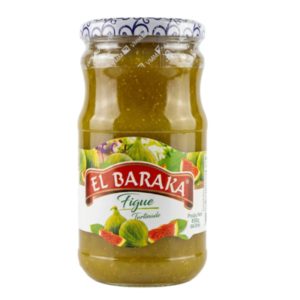
Apricot, strawberry, orange and fig jams are common. El Baraka fig jam is lovely with butter on warm bread.
Butter
Fresh butter on a baguette or kesra is a simple classic, especially with a bowl of café au lait.
Cheese
Soft processed cheese triangles and mild white cheese are everyday favorites, especially for children.
Olives
A small dish of green or black olives sits next to the olive oil on many traditional tables.
Dates
A few dates with milk or lben make a quick, energy-dense start to the day, and they are central in Ramadan.
Lben and raib
Lben is a tangy fermented milk and raib is curdled milk. Both are served cold with bread or dates.
Eggs and chakchouka
On weekends, eggs cooked in a tomato and pepper sauce make a hearty brunch. A spoon of harissa adds heat.
Want more heat in your eggs? Our guide to harissa explains how to use it, and a can of El Hara hot harissa lasts for many breakfasts.
Regional Algerian Breakfast Styles
Algeria is the largest country in Africa, so the morning meal changes from the coast to the mountains to the Sahara. These are broad patterns, and every family has its own habits.
Café culture
In the big coastal cities, breakfast often means coffee and a croissant or a buttered baguette at a café. At home, msemmen and bakery pastries appear on weekends.
Olive oil and figs
In the Kabyle mountains, griddle bread with local olive oil, dried figs and olives is a classic Algerian breakfast. Many families still press oil from their own trees.
Dates and tea
Around oasis towns, dates, milk and strong tea dominate. The Biskra region, including Tolga, is known for its Deglet Nour dates.
The East: Constantine and the Aurès
In eastern Algeria, semolina dishes take center stage. Rfiss, made from crumbled bread or semolina mixed with dates and butter, is a comforting sweet. Bradj, semolina diamonds filled with date paste and cooked on a griddle, are often made to welcome spring.
In the Aurès mountains, kesra goes by names like arekhsis, and many Chaoui families serve it with lben, butter and honey.
The West: Oran and Tlemcen
Western Algeria shares many habits with neighboring Morocco. Msemmen, baghrir and mint tea are common, and the Andalusian heritage of Tlemcen shows in its delicate pastries.

Ramadan Suhoor and Celebration Breakfasts
During Ramadan, the usual Algerian breakfast is replaced by suhoor, the meal eaten before dawn. Families favor foods that are filling and easy on the stomach so they can fast through the day.
Typical suhoor dishes
- Mesfouf or seffa: fine steamed couscous with butter and sugar, often with raisins or dates, served with a glass of milk or lben.
- Dates and milk: a few dates with cold milk or lben is the simplest choice.
- Matlou with butter and honey: soft and satisfying with tea or coffee.
- Leftovers: some families reheat a little chorba or eat bread with cheese and olives.
Births, Eid and family visits
Big moments call for a richer table. In Algiers, tamina, toasted semolina with honey and butter, is a well-known treat served with coffee to celebrate a new baby. On the morning of Eid, families share coffee with homemade cookies and cakes before visiting relatives.
Algerian Breakfast vs Moroccan and Tunisian
The three Maghreb countries share many morning foods, but each has its own accent. Here is a quick comparison.
| Item | Algeria | Morocco | Tunisia |
|---|---|---|---|
| Main hot drink | Coffee, often with milk | Mint tea, also coffee | Coffee, also tea |
| Signature bread | Kesra and matlou | Khobz, harcha, msemen | Tabouna and baguette |
| Griddle favorite | Msemmen, mhadjeb | Msemen, baghrir | Bambalouni (fried dough) |
| Savory hot dish | Chakchouka with eggs | Bissara, eggs with khlii | Lablabi chickpea soup |
| Dairy | Lben and raib | Raib, fresh cheese | Leben and fresh ricotta |
| French influence | Strong in cities | Moderate | Strong in cities |
Because the region shares so much, an Algerian breakfast will feel familiar to anyone who knows Moroccan or Tunisian mornings. The biggest differences are the strong coffee habit and the central role of semolina griddle breads like kesra.
How to Make an Algerian Breakfast at Home
You do not need special equipment to recreate an Algerian breakfast in an American kitchen. A cast-iron skillet stands in for the clay tajine, and most ingredients are pantry staples.
Step 1: Pick one bread
On weekdays, use a good baguette or a batch of kesra made on Sunday. On weekends, try msemmen or baghrir.
Step 2: Set three small bowls
Olive oil, honey and a jam are enough. Add olives and butter for a fuller table.
Step 3: Choose your drink
Café au lait for the classic Algerian breakfast, or mint tea if you prefer. Keep dates and lben (plain kefir or buttermilk is the closest US substitute) in the fridge.
Step 4: Plan ahead for yeast breads
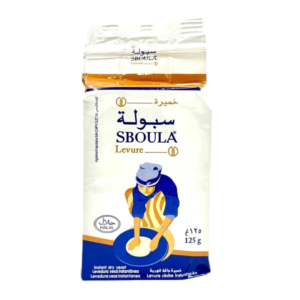
Matlou and msemmen need a short rise. Mix the dough the night before and refrigerate it, then shape and cook in the morning. A pack of Sboula instant yeast keeps well in the pantry.

A sample week of Algerian breakfast ideas
| Day | Bread | On the side | Drink |
|---|---|---|---|
| Monday | Baguette | Butter and fig jam | Café au lait |
| Tuesday | Kesra | Olive oil and olives | Black coffee |
| Wednesday | Kesra, rewarmed | Honey and soft cheese | Café au lait |
| Thursday | Biscuits | Dates and lben | Coffee or tea |
| Friday | Msemmen | Honey butter | Mint tea |
| Saturday | Baguette | Chakchouka with eggs | Café au lait |
| Sunday | Baghrir | Honey, butter and fruit | Mint tea |
Best Algerian Breakfast Essentials to Buy in the USA
Pantry staples for a homemade Algerian breakfast, shipped to all 50 states. Fresh items like semolina, milk and butter are easy to find locally.
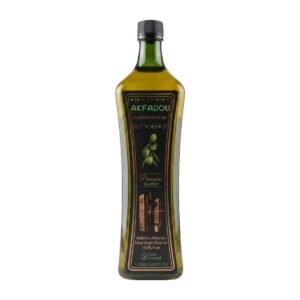 Best for dippingAkfadou Algerian Extra Virgin Olive Oil
Algerian olive oil for warm kesra and olives.
Shop now

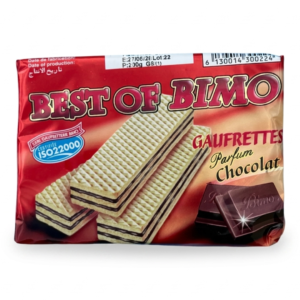
Prefer a lighter roast? Try Samar Café Gusto, and see our shipping policy for delivery times.
Algerian Breakfast FAQs
What is a typical Algerian breakfast?
A typical Algerian breakfast is coffee, often with milk, plus bread or a griddle flatbread such as kesra or msemmen. It is served with olive oil, butter, honey or jam, and often dates, olives, cheese or a glass of lben.
What do Algerians drink for breakfast?
Coffee is the most common morning drink, either as café au lait or a small, strong black coffee with sugar. Mint tea is also popular, especially in the south, and children often drink warm milk or cocoa.
What is the difference between kesra and matlou?
Kesra is a flat, firm semolina bread that is often unleavened and is broken by hand. Matlou is thicker and softer because the dough rises, traditionally with a natural starter and today usually with dry yeast. Both are cooked on a griddle or in a pan.
Is an Algerian breakfast sweet or savory?
Most often it is lightly sweet, with honey, jam or sweet coffee. Savory touches like olive oil, olives and cheese are common too, and on weekends some families cook eggs in a tomato and pepper sauce.
What do Algerians eat for suhoor in Ramadan?
Popular suhoor foods include mesfouf, a sweet buttered couscous with raisins or dates, dates with milk or lben, and matlou with butter and honey. The goal is a filling meal before the daily fast.
How is an Algerian breakfast different from a Moroccan breakfast?
They share many foods, such as msemmen, baghrir and olive oil. An Algerian breakfast usually centers on coffee and semolina breads like kesra, while Moroccan mornings lean more on mint tea, harcha and bissara.
Can I make an Algerian breakfast in the USA?
Yes. Fine semolina, butter and milk are easy to find in US supermarkets, and a cast-iron skillet replaces the traditional clay griddle. Specialty items like Algerian olive oil, jams and biscuits can be ordered online.
What can I use instead of lben?
Plain kefir or cultured buttermilk is the closest substitute found in most US stores. Both have a similar tangy taste and pourable texture.
Further reading: Algerian cuisine (Britannica) · Kesra (Wikipedia) · Breakfast by country (Wikipedia)
Bring Algiers to Your Kitchen
Olive oil, honey, jams, coffee and biscuits for an authentic Algerian breakfast, delivered anywhere in the USA.
Shop Algerian Products Shop All Products