Rose Water Benefits 10 Uses for Skin, Hair and Cooking
What rose water really does, what the science says, and how North African homes use it in skin care, sweets and drinks, with simple how-tos and a classic pudding recipe.
The main rose water benefits are gentle skin toning and hydration, a soothing feel on irritated skin, a calming scent and a delicate floral flavor for desserts and drinks. Rose water is the fragrant water left after distilling rose petals, usually from the Damask rose. Lab studies suggest rose compounds have antioxidant and anti-inflammatory activity, but human research is limited, so treat it as a pleasant everyday helper rather than a cure.
Your Complete Rose Water Guide
Few bottles are as useful in both the bathroom and the kitchen as rose water. Across Morocco, Algeria and Tunisia it is splashed on the face after the hammam, sprinkled over guests at weddings and stirred into almond sweets and milk puddings. So what are the real rose water benefits, and which claims hold up?
This guide sorts real rose water benefits from myths, then shows you exactly how to use it, how much to add to recipes and how to pick a pure bottle. You can find both culinary rose waters in our Moroccan baking essentials and rose-scented skin care in our Moroccan cosmetics range.
- 01Rose water benefits at a glance
- 02What rose water is
- 03Morocco’s Valley of Roses
- 04How rose water is made
- 0510 rose water benefits and uses
- 06Rose water benefits: the science
- 07How to use it on skin and hair
- 08Rose water in the kitchen
- 09Recipe: rose milk pudding
- 10How to choose a good bottle
- 11Safety and storage
- 12What to buy
- 13FAQs
Rose Water Benefits at a Glance
What Is Rose Water?
Rose water is the fragrant water collected when rose petals are distilled. When steam passes through the petals, it carries tiny amounts of aromatic oil with it. The steam is cooled back into liquid, and the scented water that remains is rose water, also called a rose hydrosol.
It is not the same as rose essential oil. The oil is the concentrated layer that floats on top during distillation, and it is extremely strong and expensive. Rose water holds only traces of those compounds, which makes it gentle enough to splash on skin or add to food.
What gives rose water its scent?
A review of Rosa damascena research lists geraniol, citronellol, phenylethyl alcohol and nerol among the main aroma compounds in rose distillates. These molecules give the classic soft, sweet rose smell, and they are behind many of the rose water benefits people notice, from a fresh face to a fragrant dessert.


Morocco’s Valley of Roses
On the southern side of the High Atlas, along the Dades and M’Goun rivers, lies the area known as the Valley of Roses. The town of Kelaat M’Gouna is its center. Here, fragrant pink roses are grown as long hedges between fields of grain, olive trees and almonds.
Local tradition says the rose arrived centuries ago with travelers or pilgrims from the East. Whatever its route, it found a perfect home: cold winters, warm days and careful irrigation from the rivers.
Harvest and the Rose Festival
The flowers are picked by hand in the early morning, when their scent is strongest, and taken to distilleries within hours. Each May, Kelaat M’Gouna celebrates the harvest with its well-known Rose Festival, full of music, markets and rose garlands, as described in this guide to the Moroccan Festival of Roses.
Shops in the valley sell rose water, dried rosebuds, soaps and creams. Many Moroccan families keep a bottle at home for guests, baking and the hammam.

How Rose Water Is Made
Traditional rose water is made by steam or water distillation in large copper or steel stills. The method has been used in Persia, the Arab world and North Africa for many centuries.
- Pick. Fresh petals are gathered at dawn.
- Load. The petals go into the still with water.
- Heat. Steam rises through the petals and picks up their aroma.
- Cool. The steam passes through a cooling coil and turns back into liquid.
- Separate. A tiny amount of rose oil may be skimmed off. The fragrant water is rose water.
- Rest and bottle. The water is left to settle, filtered and bottled.
Can you make it at home?
Yes, in a simple way. Gently simmer a cup of clean, unsprayed petals in about 1.5 cups of distilled water, covered, for 20 to 30 minutes, then strain. This “infused” version is softer than distilled rose water and keeps only about a week in the fridge.

10 Rose Water Benefits and Everyday Uses
Some rose water benefits are about how it feels and smells, and some are about flavor. Here are the ten most useful, with honest notes on the evidence.
A gentle, alcohol-free toner
Swipe it on after cleansing to remove the last traces of soap and leave skin feeling fresh, without the sting of alcohol toners.
A soothing feel for irritated skin
Lab work on rose extracts suggests anti-inflammatory activity. Many people find it calming on mild redness, but it is not a treatment for skin disease.
A refreshing face mist
A light spray over moisturizer or makeup wakes up dry skin on flights, hot days or long hours in heated rooms.
Antioxidant compounds
Roses contain flavonoids and other antioxidants. How much reaches your skin from a toner is not clear, so see this as a bonus, not a promise.
A fresh scalp and hair rinse
Mixed with water as a final rinse or spritzed on the ends, it adds a light scent and a clean feel between washes.
A calming scent
Of all rose water benefits, scent may be the most immediate. Rose aroma has been studied in aromatherapy research. A mist on your pillow or wrists is a simple way to enjoy it.
The finishing splash
In Moroccan hammam routines, rose water often follows black soap and scrubbing to cool and perfume the skin.
Floral flavor for sweets
A few drops lift almond pastries, cakes, cookies, puddings and fruit salads, a classic touch in North African and Middle Eastern desserts.
A lift for drinks
Add a splash to lemonade, almond milk, iced tea or sparkling water for a caffeine-free floral note.
Hospitality and celebration
In many North African homes, guests are welcomed with a sprinkle of rose water from a decorative flask at weddings and feasts.
Rose Water Benefits: What the Science Says
General information only, not medical advice. Rose water is safe and pleasant for most people, but strong health claims online about rose water benefits often go far beyond the research.
A widely cited review of the pharmacological effects of Rosa damascena describes many effects of rose extracts and oils, but most were found in lab or animal studies. The review also notes that some lab results, such as antibacterial activity, applied to rose oil and absolute rather than to the hydrosol. In other words, effects seen with concentrated extracts do not automatically transfer to a bottle of rose water.
A Healthline overview of rose water reaches a similar view: research on rose water itself is limited, though small studies on rose extracts and rose aromatherapy are encouraging.
| Claim | Evidence so far | Our take |
|---|---|---|
| Calms redness and irritation | Lab studies on rose extracts | Pleasant and gentle, not a medicine |
| Antioxidant protection | Compounds identified; lab tests | Plausible, size of effect unknown |
| Fights acne bacteria | Lab activity mostly for rose oil, not rose water | Do not rely on it for acne |
| Relaxation and sleep | Some small human trials of rose aromatherapy | A nice ritual; promising but early |
| Hydration | Water-based mist adds moisture briefly | Use with a moisturizer to lock it in |
| Flavor in food | Long culinary tradition | The most reliable benefit of all |
Rose Water Benefits for Skin: Simple Routines
You do not need a complicated routine to enjoy rose water benefits. These five ideas cover most needs.
1. Toner
After cleansing, soak a cotton pad and swipe it over the face and neck. Follow with your usual moisturizer. Once or twice a day is plenty.
2. Face mist
Pour rose water into a clean spray bottle and keep it in the fridge for an extra-cool spritz. Mist from about 8 inches away with eyes closed.
3. Moisture booster
Mix two or three drops of a facial oil such as pure argan oil with a splash of rose water in your palm, then press it onto damp skin.
4. After the hammam
At home, wash with Moroccan black soap, rinse, scrub gently, then finish with a cool splash of rose water. A rose-scented soap such as Terre d’Oleane Savon Noir a la Rose carries the scent through the whole ritual.
5. Rose water benefits for hair
Mix 1/4 cup rose water with 3/4 cup cool water and pour it over clean hair as a final rinse, or spritz a little on the ends. Massage leftover argan oil into dry tips.
Rose Water Benefits in the Kitchen
For cooks, the biggest of all rose water benefits is flavor. A few drops add a floral, slightly fruity aroma that makes simple sweets taste special. North African bakers use it alongside orange blossom water, almonds, honey and sesame.
How much to use
Rose water is powerful, and too much tastes like soap. Start with 1/2 teaspoon per cup of liquid or per batch of dough, taste, then add more a few drops at a time. Add it near the end of cooking, since long boiling dulls the scent.
Rose water or orange blossom water?
Both are floral waters. Rose is sweeter and perfume-like, while orange blossom is brighter and citrusy. Many Moroccan pastry recipes call for orange blossom water, and you can blend the two for a fuller flavor.

Almond sweets
A spoonful in almond paste for briouats, gazelle horns or stuffed dates adds a gentle floral lift.
Milk puddings
Rice pudding, mhallabiya and custards love rose water. See the recipe below.
Fruit salads
Toss oranges, strawberries or melon with a little sugar and a few drops of rose water.
Almond milk
Blend almonds, water, sugar and a splash of rose water for a classic North African summer drink.
Rose lemonade
Add 1 to 2 teaspoons of rose water to a quart of fresh lemonade and serve over ice.
A floral tea
A few drops in green tea or herbal tea from our tea time collection make a soft, scented cup.
Rose Water Milk Pudding
This silky pudding, close to the mhallabiya served across North Africa and the Middle East, is the easiest way to enjoy the culinary rose water benefits. Serves 4, about 15 minutes plus chilling.
Ingredients
- 3 cups whole milk
- 1/3 cup sugar
- 1/4 cup cornstarch, such as Mayfine cornstarch
- 1 to 2 teaspoons rose water, to taste
- A pinch of salt
- Chopped pistachios or almonds, for topping
- Optional: dried rose petals or a drizzle of honey
Method
- Mix. In a saucepan, whisk the cornstarch with 1/2 cup of the cold milk until smooth.
- Add the rest. Whisk in the remaining milk, sugar and salt.
- Cook. Heat over medium, stirring all the time, until the mixture thickens and bubbles gently, about 6 to 8 minutes. Cook 1 minute more.
- Flavor. Take the pan off the heat and stir in 1 teaspoon of rose water. Taste and add more if you like.
- Chill. Pour into 4 small bowls, cover and chill for at least 2 hours.
- Serve. Top with pistachios and a few rose petals just before serving.
How to Choose a Good Rose Water
Not every bottle labeled rose water is the same. A minute reading the label helps you get the rose water benefits you are paying for.
| Check | Look for | Avoid |
|---|---|---|
| Ingredients | Distilled rose water, or rose water and water | Added fragrance, “parfum” or synthetic flavor |
| Use | Food grade or culinary for cooking | Cosmetic-only products in food |
| Alcohol | None for skin care | Alcohol-heavy toners on dry skin |
| Bottle | Glass, ideally tinted or kept in a box | Bottles stored in bright sun |
| Smell | Soft, natural, fresh rose | Sharp, sour or very artificial scent |
| Color | Clear or nearly clear | Bright pink dye in a “pure” product |
Our culinary rose waters, such as Mazyana rose water and Samra rose water, are sold for pastries, desserts and drinks and can also be used as a refreshing face toner. Browse more floral waters and baking basics in our baking essentials.
Safety and Storage
General information only, not medical advice. To enjoy rose water benefits safely, keep a few points in mind. Rose water is generally considered safe to use on skin and in normal food amounts. The main risk is an allergy or sensitivity, especially for people who react to fragrances or flowers.
- Patch test before using it on your face, and stop if irritation appears.
- Keep it out of your eyes. Do not use it to treat eye infections; see a doctor instead.
- Use food-grade rose water for cooking and drinks.
- If you are pregnant, nursing or have a skin condition, ask a health professional before using concentrated rose products.
How to store rose water
Keep the bottle tightly closed in a cool, dark cupboard. Many cooks keep an opened bottle in the fridge, which also makes a nicer face mist. Use it by the date on the label, and throw it out if it smells sour or turns cloudy.
Homemade infused rose water has no preservatives, so refrigerate it and use it within about a week.
Best Rose Water Products to Buy in the USA
Our favorite ways to enjoy rose water benefits at home, from culinary bottles to rose-scented hammam soaps.
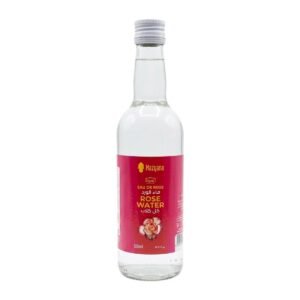 Best for bakingMazyana Rose Water 500ml
A large glass bottle for pastries, puddings and drinks.
Shop now


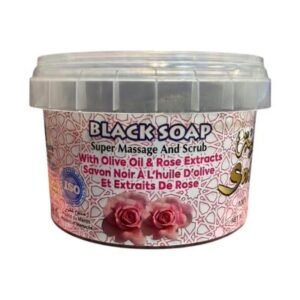 Hammam scrubBlack Soap with Rose Extracts
Olive oil black soap with rose, made for scrubbing.
Shop now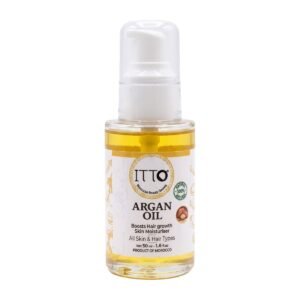
All orders ship across the US; see our shipping policy for delivery times.
Rose Water Benefits FAQs
What are the main rose water benefits for skin?
Rose water works well as a gentle, alcohol-free toner and face mist. It leaves skin feeling fresh and many people find it soothing on mild redness. Lab studies suggest rose compounds have antioxidant and anti-inflammatory activity, but human evidence is limited.
Are rose water benefits backed by science?
Partly. Lab and animal studies show promising effects for rose extracts, and small human trials support rose aromatherapy for relaxation, but research on rose water benefits for skin in people is still limited.
Can I use rose water on my face every day?
Most people can use pure rose water once or twice a day as a toner or mist. Patch test first, follow with a moisturizer, and stop if you notice irritation.
Is rose water good for acne?
It may feel soothing, but there is little research on rose water for acne. Lab antibacterial effects were mostly seen with rose oil and extracts, not the water. See a dermatologist for persistent acne.
Can you drink rose water?
Yes, food-grade rose water is used in drinks and desserts across North Africa, the Middle East and South Asia. Use small amounts, such as a teaspoon or two per drink or recipe, and avoid cosmetic-only products.
What is the difference between rose water and rose oil?
Rose oil is the concentrated aromatic oil from distillation and is very strong. Rose water is the fragrant water left behind, holding only traces of the oil, so it is mild enough for skin and food.
Does rose water help hair?
It can make a pleasant final rinse or hair mist that adds scent and a fresh feel. There is no strong evidence that it makes hair grow, but it pairs well with argan oil on dry ends.
How long does rose water last?
An unopened bottle usually keeps until the date on the label. Once opened, keep it closed in a cool, dark place or the fridge, and discard it if it smells sour or turns cloudy. Homemade rose water lasts about a week in the fridge.
Further reading: Pharmacological Effects of Rosa damascena (PMC) · Healthline: Rose water benefits · The Moroccan Festival of Roses
Bring Home a Bottle of Roses
Enjoy rose water benefits every day with culinary rose water, rose black soaps and argan oil for your kitchen and beauty routine, delivered anywhere in the USA.
Shop Moroccan Cosmetics Shop All Products