What Is Ras El Hanout? The Complete Guide to Morocco’s Signature Spice Blend
Learn what ras el hanout means, what goes into it, how it tastes, how to blend your own at home and the easiest ways to cook with it tonight.
Ras el hanout is a warm, aromatic North African spice blend whose name means “head of the shop,” because it was the best mix a spice seller could offer. There is no single recipe. Most blends combine a dozen or more ground spices such as cumin, coriander, ginger, cinnamon, turmeric, paprika, nutmeg, cloves, cardamom and black pepper. It tastes earthy, sweet and gently peppery rather than very hot, and it is used in tagines, couscous, roasted vegetables, rice and meat rubs.
Your Complete Ras El Hanout Guide
If a Moroccan recipe tastes deep, fragrant and a little mysterious, there is a good chance ras el hanout is behind it. This golden brown spice blend is a pantry staple in Morocco, and versions of it are also used in Algeria and Tunisia. One spoonful can season a whole pot of lamb, chicken, chickpeas or vegetables.
In this guide you will learn where this blend comes from, which spices usually go into it, how it differs from country to country, and how to blend a simple version yourself. We also share practical cooking ideas and buying tips, plus the jar we keep in our own Moroccan spices collection for days when you would rather not grind a dozen spices.
Ras El Hanout at a Glance
What Does Ras El Hanout Mean?
The name comes from Arabic: ras means head, and hanout means shop or store. Put together, the name means “the head of the shop,” the top-shelf blend that shows off the best spices a merchant has. In practice, it was a way for a spice seller to prove skill and taste.
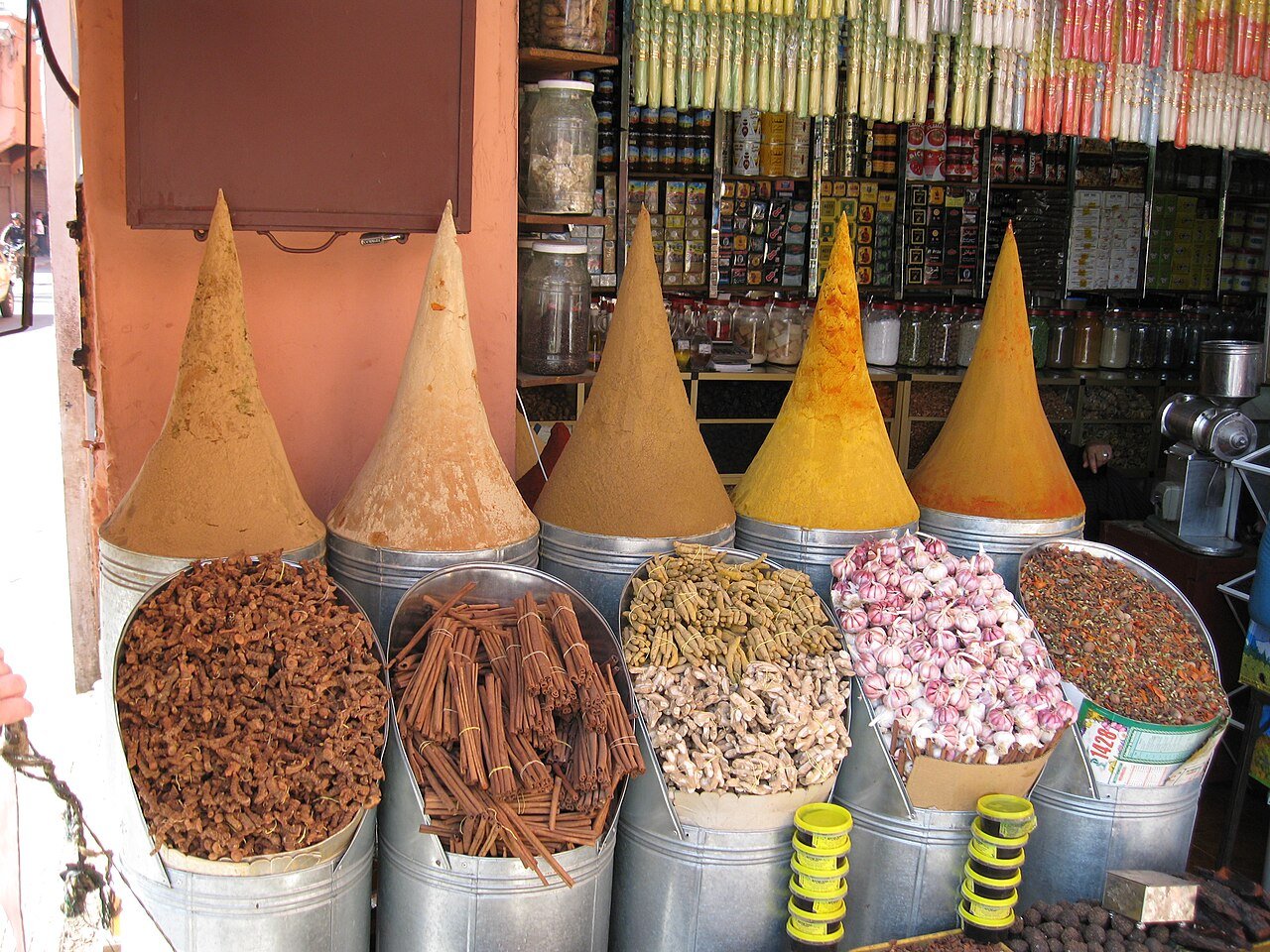
Because each seller made his own, the blend never had one fixed formula. A blend from one stall in Fez could taste quite different from a blend in Marrakech, and family recipes were often kept private. That is still true today, both in the souks and among packaged brands.
A blend shaped by trade
Many of the classic ingredients, such as cinnamon, cloves, nutmeg, cardamom and black pepper, do not grow in North Africa. They arrived through centuries of trade across the Sahara and the Mediterranean, which is why the mix feels so rich and layered. The Wikipedia entry on ras el hanout also notes that some old Moroccan formulas included ingredients believed to be aphrodisiacs, which added nothing to the flavor and are not used in modern food blends.

What Is in Ras El Hanout? The Usual Spices
Every recipe is different, but most share a reliable core. Here are the spices you will see again and again, and what each one brings to the blend.
| Spice | What it adds | Role in the blend | Buy it alone |
|---|---|---|---|
| Cumin | Earthy, nutty, savory | Backbone | Ground cumin |
| Coriander seed | Citrusy, floral | Backbone | Ground coriander |
| Ginger | Warm, slightly sharp | Warmth | Ground ginger |
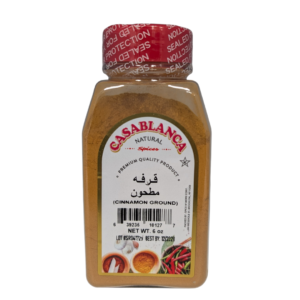
| Cinnamon | Sweet, woody | Sweet note | Ground cinnamon |
| Turmeric | Earthy, golden color | Color and body | Supermarket |
| Sweet paprika | Mild, fruity, red color | Color and body | Sweet paprika |
| Black or white pepper | Gentle heat | Heat | White pepper |
| Nutmeg and mace | Sweet, resinous | Depth | Ground nutmeg |
| Cloves | Strong, numbing, sweet | Accent | Whole cloves |
| Cardamom | Fresh, eucalyptus-like | Accent | Specialty stores |
| Allspice | Clove-cinnamon mix | Accent | Supermarket |
The rarer ras el hanout ingredients
Premium or regional blends may add less common items. Encyclopedia sources list dried rosebuds, grains of paradise, cubeb pepper, long pepper, galangal, orris root, fennel or anise seed, monk’s pepper and even mountain ash berries.
These extras are part of why a market blend can smell almost perfumed. They are also why a homemade version never tastes exactly like the one you tried on a trip to Morocco.
What usually stays out
Traditional ras el hanout is a pure spice blend. Garlic, salt, sugar, dried herbs and saffron are normally added to the dish on their own, although some Western supermarket versions mix them in. Check the label if you are watching sodium.

What Does Ras El Hanout Taste Like? Plus Regional Styles
Think warm, rounded and fragrant. Ras el hanout aims to balance earthy, sweet, bitter and spicy notes, so no single spice should shout over the rest.
The first impression is usually cumin and coriander, followed by the sweetness of cinnamon and nutmeg and a soft heat from ginger and pepper. Most blends are mild enough for children, and the heat depends on how much chili or pepper the maker adds. Compared with curry powder, it is usually sweeter and more floral; compared with garam masala, it often contains more turmeric, paprika and ginger.
The most complex
The Moroccan style is the best known abroad. Souk blends can be very elaborate, and the mix is closely tied to tagines and festive dishes such as mrouzia.
Everyday and earthy
Algerian cooks use the blend in stews, chorba and couscous sauces. Home versions often lean on cumin, coriander, pepper and cinnamon.
Lighter and floral
Tunisian versions are often simpler, and many include dried rosebuds with cinnamon and black pepper. Tunisian cooking also relies on separate blends such as tabil.

How to Make Ras El Hanout at Home
This homemade ras el hanout uses 12 spices that are easy to find in the USA. It makes about 1/2 cup, enough for 10 to 15 family meals. Adjust the heat and sweetness to suit your table.
Ingredients
- 2 tablespoons ground cumin
- 2 tablespoons ground coriander
- 1 tablespoon ground ginger
- 1 tablespoon sweet paprika
- 2 teaspoons ground turmeric
- 2 teaspoons ground cinnamon
- 1 teaspoon ground black pepper
- 1 teaspoon ground white pepper
- 1 teaspoon ground allspice
- 1/2 teaspoon ground nutmeg
- 1/2 teaspoon ground cardamom
- 1/4 teaspoon ground cloves
- Optional: 1/4 teaspoon cayenne, 1 teaspoon crushed dried food-grade rose petals
You will need
- A small dry skillet (if toasting whole seeds)
- A spice grinder or mortar and pestle
- A clean, airtight glass jar
Method
- Measure everything first. Spices are cheap to waste and easy to over-measure, so set out each amount before you start.
- Toast whole seeds (optional). If you use whole cumin and coriander seeds, toast them in a dry skillet over medium heat for 1 to 2 minutes, shaking the pan, until fragrant. Do not let them smoke.
- Cool and grind. Let toasted seeds cool for 5 minutes, then grind them to a fine powder with any whole cloves or cardamom seeds.
- Mix. Combine all the ground spices in a bowl and whisk well, breaking up any lumps of turmeric or ginger.
- Sift for a finer blend. For a silky texture, pass the mix through a fine sieve and regrind any coarse bits.
- Rest and taste. Let the blend sit in a sealed jar for a day so the aromas mingle. Taste a pinch warmed in a little oil, then adjust with more cinnamon for sweetness or pepper for heat.
- Store well. Keep it in an airtight jar away from the stove and sunlight, and write the date on the lid.
10 Easy Ways to Use Ras El Hanout
This blend is more flexible than many people expect. Start with these ideas, then use it anywhere you would reach for curry powder or a warm seasoning mix.
Season a tagine
Rub 1 to 2 teaspoons per pound of lamb, beef or chicken with onion, oil and a pinch of salt before slow cooking.
Make a quick meat rub
Mix the blend with olive oil, garlic, lemon juice and salt. Marinate chicken thighs for at least 1 hour, or lamb overnight.
Roast vegetables
Toss carrots, cauliflower, squash or sweet potato with oil and 1 teaspoon of the blend, then roast at 425°F for 25 to 35 minutes.
Flavor couscous and rice
Stir 1/2 teaspoon into the cooking liquid for couscous, rice or bulgur for a golden, fragrant side dish.
Warm up soups
Add a teaspoon to lentil, chickpea or vegetable soup in the last 10 minutes of cooking.
Dust fish fillets
Use a light hand on fish. A pinch with lemon and olive oil is enough for salmon or white fish.
Spice up yogurt
Stir 1/4 teaspoon into plain yogurt with lemon and garlic for a dip or a sauce for grilled meat.
Season ground meat
Mix 1 teaspoon into a pound of ground beef or lamb for kefta, meatballs or burgers.
Roast chickpeas or nuts
Coat drained chickpeas or almonds with oil, salt and the blend, then roast until crisp.
Finish eggs
Sprinkle a pinch over fried or scrambled eggs, or into a pan of tomato and pepper shakshuka.
Classic Dishes Made With Ras El Hanout
In Morocco, this blend seasons special and everyday dishes alike. It is rarely the only spice in the pot; cooks often add extra ginger, saffron or cinnamon depending on the recipe.
Mrouzia
Mrouzia is the dish most closely linked to ras el hanout. It is a slow-cooked lamb tagine with raisins, almonds and honey, traditionally prepared for Eid al-Adha. The meat is rubbed with the blend, cooked until very tender, then finished in a sticky, sweet and spiced sauce. Our M’Rouzia spice mix is made for this dish.
Tagines with fruit
Sweet-and-savory tagines, such as lamb with prunes and almonds or chicken with apricots, rely on the warm, sweet side of the blend. A spoonful of honey at the end ties everything together.

Seven-vegetable couscous
A pinch of the blend in the broth deepens the flavor of the vegetables. Serve it over Dari medium couscous.
Lentil and chickpea soups
Some families add a little of the blend to harira or lentil soup for extra warmth, alongside ginger and pepper.
Kefta and grilled skewers
The blend works well in minced meat with onion and parsley, grilled over charcoal or cooked in a tomato sauce.
Roast chicken
Rub the skin with the spice mix, olive oil and salt, then roast. Try it with Mina extra virgin olive oil.
Spiced vegetable tagine
Carrots, potatoes, zucchini and chickpeas with olives and the blend make an easy meatless meal.
Roasted cauliflower
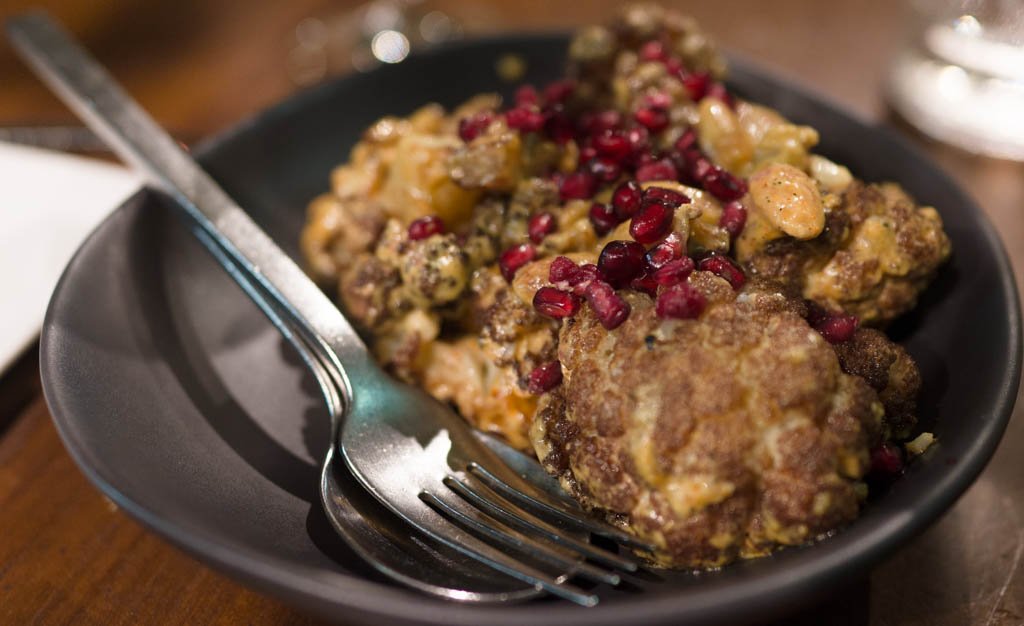
The blend, pomegranate seeds and raisins turn plain cauliflower into a colorful side or salad.
How to Buy and Store Ras El Hanout
Whether you buy it in a souk, a supermarket or online, a few simple checks help you get a fresh, flavorful blend.
What to look for
- Color: a warm golden brown to reddish brown. Very pale or grey powder is often old.
- Aroma: sweet, floral and warm as soon as you open it.
- Label: a list of spices only. Salt, sugar or fillers near the top of the list mean less spice per spoon.
- Size: buy an amount you will use within a few months. A 7 oz jar suits a household that cooks North African food weekly.
How to store it
Keep the blend in an airtight container in a cool, dark cupboard, away from the stove. Ground spices do not spoil quickly, but they slowly lose aroma. For the best flavor, use it within about 6 to 12 months of opening.
| Option | Pros | Cons | Best for |
|---|---|---|---|
| Homemade blend | Freshest; fully adjustable | Needs 10+ spices and time | Keen cooks |
| Packaged Moroccan blend | Consistent and authentic in style | Recipe set by the brand | Weekly tagines and couscous |
| Souk blend | Unique, often very aromatic | Varies a lot; hard to replace | Travel souvenir |
| Supermarket blend | Easy to find | May contain salt or sugar | Occasional use |
Is Ras El Hanout Healthy?
General information only, not medical advice. This spice mix is used in small amounts, so it adds a lot of flavor with very few calories. A pure spice blend contains no added salt, which makes it a helpful way to season food if you are trying to cut back on sodium.
Several of its spices, including turmeric, ginger and cinnamon, are widely studied for possible health effects. The research is still developing, and the amounts in a teaspoon of seasoning are small. The National Center for Complementary and Integrative Health explains what is and is not known about turmeric, for example.
Spice blends can contain allergens or be processed in shared facilities. If you have a food allergy, are pregnant or take medication, read labels carefully and ask a health care provider about concentrated spice supplements.
| Question | Short answer |
|---|---|
| Is it spicy hot? | Usually mild. Heat depends on the pepper and chili used. |
| Does it contain salt? | Traditional blends do not. Check commercial labels. |
| Is it gluten free? | Pure spices are naturally gluten free, but check for shared-facility warnings. |
| Is it vegan? | Yes, a spice-only blend is plant based. |
Best Ras El Hanout Essentials to Buy in the USA
A ready blend plus the single spices that let you tweak it, shipped to all 50 states. Explore the full spice collection for more.
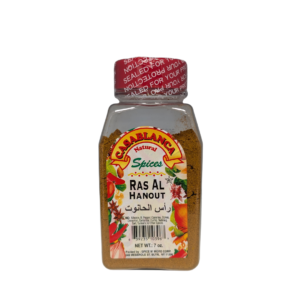 Best ready blendCasablanca Ras El Hanout
A 7 oz jar of the classic blend for tagines, couscous and rubs.
Shop now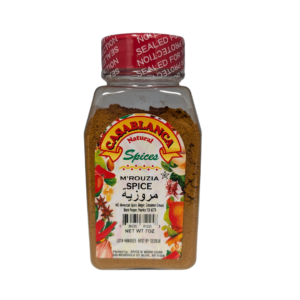
 Festive touchPure Moroccan Saffron
Add a few threads with the blend for golden, festive dishes.
Shop now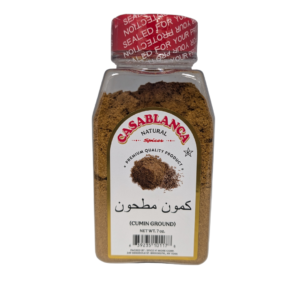

Cooking a big tagine? Add Moroccan olives to the pot and check our shipping policy for delivery times.
Ras El Hanout FAQs
What is ras el hanout made of?
Ras el hanout is a blend of ground spices. Most versions include cumin, coriander, ginger, cinnamon, turmeric, paprika, black or white pepper, nutmeg, cloves, cardamom and allspice. Premium or regional blends may also contain dried rosebuds, grains of paradise, cubeb pepper or galangal.
What does ras el hanout mean?
It is Arabic for head of the shop. The name refers to the finest blend a spice seller could make, using the best spices in the store.
Is ras el hanout spicy?
Most blends are warm and aromatic rather than hot. The heat comes from pepper, ginger and any chili the maker adds, so some brands are milder than others. You can always add cayenne to your dish for more heat.
How much ras el hanout should I use?
A good starting point is 1 to 2 teaspoons per pound of meat or vegetables, or about 1/2 teaspoon for a pot of couscous or rice. Taste and add more at the end if needed.
Is ras el hanout the same as garam masala?
No. Both are warm, complex blends, but ras el hanout usually contains more turmeric, ginger and paprika and has a sweeter, more floral profile, while garam masala often leans on cardamom, cloves and black pepper.
What can I substitute for ras el hanout?
In a pinch, mix equal parts ground cumin and coriander with half as much ginger, cinnamon and turmeric, plus a pinch of black pepper and nutmeg. Curry powder or garam masala also work, though the flavor will be different.
How long does ras el hanout last?
Stored in an airtight jar away from heat and light, ras el hanout stays safe to use for a long time, but it slowly loses aroma. For the best flavor, use it within about 6 to 12 months of opening.
Is ras el hanout used in Algeria and Tunisia too?
Yes. Versions of ras el hanout are used across Morocco, Algeria and Tunisia. Tunisian blends are often simpler and many include dried rosebuds, while Moroccan souk blends tend to be the most elaborate.
Further reading: Ras el hanout (Wikipedia) · Ras el hanout (Britannica) · NCCIH: Turmeric
Cook Your First Tagine This Week
Authentic Moroccan spice blends, single spices and saffron, delivered to your door anywhere in the USA.
Shop Moroccan Spices Shop All Products