North African Ramadan Recipes for Iftar and Suhoor
The soups, savory pastries, sweets and pre-dawn meals that fill Moroccan, Algerian and Tunisian tables during the holy month, with a full chorba recipe and a plan to cook it all without stress.
The most loved North African Ramadan recipes are harira and chorba soups, fried pastries like brik, bourek and briouats, honey sweets such as chebakia and zlabia, and simple suhoor dishes like mesfouf and msemen. Iftar usually opens with dates and water or milk, then soup, then savory bites, with mint tea and sweets later in the evening. Most of these dishes can be prepared ahead, which makes the month far easier on the cook.
Your Complete Ramadan Recipes Guide
For many North African families in the US, the smell of soup simmering in the late afternoon is the true sign that Ramadan has arrived. These Ramadan recipes are passed down from grandmothers in Fez, Oran and Sfax, and they connect the iftar table in Texas or New Jersey to home.
This guide brings together 15 classic Ramadan recipes from Morocco, Algeria and Tunisia, explains how the iftar table is built course by course, and shares a step-by-step chorba you can cook this week. You will also find suhoor ideas, a make-ahead plan and the pantry staples from our Moroccan products range that make it all easier.
Ramadan Food at a Glance
How a North African Iftar Table Comes Together
An iftar in Morocco, Algeria or Tunisia is not a single plate. It is a table that fills up in stages, and knowing that rhythm helps you plan your Ramadan recipes for the week.
1. Break the fast gently
When the call to the sunset prayer is heard, most people start with dates and a glass of water or milk. Eating dates first is a long-standing tradition linked to the example of the Prophet Muhammad. Many families then pause to pray before the main meal.
2. A bowl of soup
Next comes the soup that defines Ramadan recipes in the region: harira in Morocco and parts of western Algeria, chorba in most of Algeria and Tunisia. It is warm, filling and easy on an empty stomach.
3. Savory bites and sides
Crispy pastries, boiled eggs sprinkled with cumin, olives, salads and breads such as msemen arrive alongside the soup.
4. Later in the evening
Many families save heartier Ramadan recipes, like a tagine, for later at night, then share mint tea and sweets with guests.

15 Ramadan Recipes North African Families Love
These are the Ramadan recipes you will see again and again across the Maghreb. Some are daily staples, others appear on weekends or when guests come for iftar.
Dates with milk or water
The simplest of all Ramadan recipes: a few dates, often Deglet Nour, with cold milk or water to open the meal.
Harira
A tomato, lentil and chickpea soup thickened with a flour slurry and finished with cilantro, parsley and lemon.
Chorba frik
A tomato and lamb soup made with frik, cracked green wheat, and scented with mint and cilantro. Recipe below.
Brik
A thin malsouka sheet folded around egg and tuna, fried until it crackles. Often eaten right after the soup.
Bourek
Pastry rolls filled with spiced ground meat, cheese or chicken, a fixture of the Algerian iftar table.
Briouats
Small fried or baked triangles of warqa filled with meat, chicken, seafood, cheese or sweet almond paste.
Chebakia
Flower-shaped sesame cookies fried and soaked in honey, usually made in big batches before Ramadan starts.
Zlabia
Bright, crunchy coils of fried batter soaked in syrup, sold in huge piles by sweet shops during the month.
Sellou (sfouf)
A rich, no-bake mix of toasted flour, almonds, sesame seeds, butter and honey or sugar, eaten by the spoonful.
Boiled eggs with cumin
Hard-boiled eggs served with small bowls of salt and ground cumin for dipping.
Msemen and baghrir
Flaky square pancakes and spongy semolina pancakes, served with honey and butter at iftar or suhoor.
Tajine lahlou
A sweet lamb stew with prunes, raisins or apricots and cinnamon, traditionally served on the first day of Ramadan.
Mesfouf
Steamed fine couscous tossed with butter and raisins, a favorite light suhoor dish.
Qalb el louz
A syrup-soaked semolina and almond cake scented with orange blossom water, a Ramadan evening classic.
Makroud
Semolina pastries filled with date paste, fried or baked, then dipped in honey or syrup.
Ramadan Recipes by Country
The three countries share many Ramadan recipes, but each iftar has its own personality. Here is what tends to define the table in each one.
Harira and honey sweets
Harira with dates, chebakia and boiled eggs is the iconic trio. Sellou, msemen, baghrir and briouats round out the spread, with mint tea later on.
Chorba, bourek and qalb el louz
Chorba frik is served almost every night, with bourek on the side. Sweet tajine lahlou opens the month, and zlabia and qalb el louz follow evening prayers.
Chorba and brik
A bowl of chorba followed by a crispy brik is the standard opening. Tunisian tables also feature salads, tajine (a baked egg dish) and zlabia from sweet shops.
Ramadan recipes at a glance by course
| Course | Morocco | Algeria | Tunisia |
|---|---|---|---|
| Opening | Dates, milk, water | Dates, milk (often with lben) | Dates, water, milk |
| Soup | Harira | Chorba frik, harira in the west | Chorba frik or with small pasta |
| Savory | Briouats, msemen, eggs | Bourek, salads | Brik, salads, tajine |
| Main | Tagine, often later | Tajine lahlou, stews | Stews, couscous on weekends |
| Sweets | Chebakia, sellou | Zlabia, qalb el louz | Zlabia, makroud |
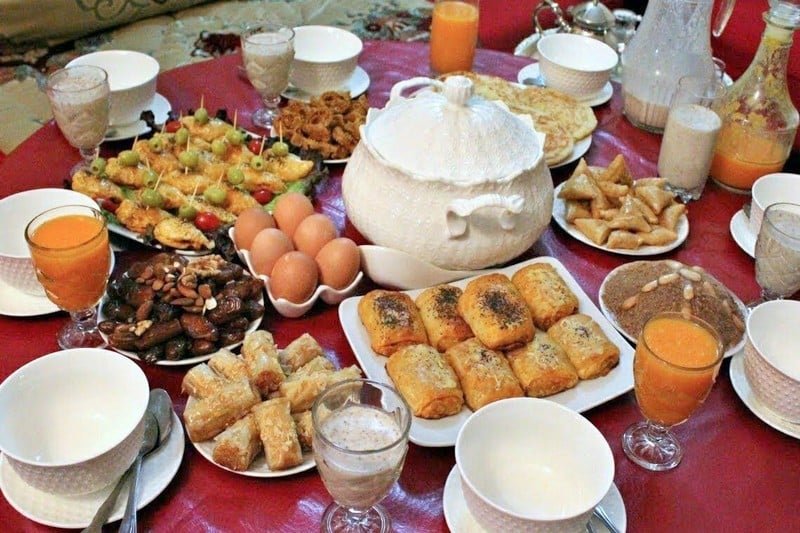
Easy Chorba Frik for Ramadan Nights
If you only cook one of these Ramadan recipes this year, make chorba. It is the nightly soup in much of Algeria and Tunisia, and a pot lasts two or three iftars.
Frik is durum wheat harvested while still green, then roasted and cracked. It gives the soup a gentle smoky taste and a creamy body. Our store does not carry frik, but you can find it as freekeh at many Middle Eastern grocers. Broken vermicelli or small pasta works too.
For more background on the wider family of chorba soups, see the Wikipedia entry on chorba.

Ingredients (serves 6)
- 1 lb lamb shoulder or bone-in chicken thighs, cut into small pieces
- 2 tablespoons olive oil
- 1 medium onion, grated
- 2 tablespoons tomato paste
- 2 ripe tomatoes, grated (or 1 cup crushed tomatoes)
- 1 teaspoon sweet paprika
- 1 teaspoon black pepper and 1/2 teaspoon ground coriander
- 1 cinnamon stick
- About 8 cups water
- 1/2 cup frik (freekeh) or broken vermicelli
- 1 can (15 oz) chickpeas, drained
- 1 large handful chopped cilantro
- 1 teaspoon dried mint, plus salt to taste
- Lemon wedges to serve
Method
- Brown. Heat the oil in a large pot over medium heat. Add the meat and onion and cook for 5 minutes, stirring, until lightly colored.
- Spice. Stir in the tomato paste, paprika, pepper and coriander. Cook for 1 to 2 minutes so the paste darkens slightly.
- Simmer. Add the grated tomatoes, cinnamon stick, half the cilantro and the water. Bring to a boil, then cover and simmer for 45 minutes, until the meat is tender.
- Add the frik. Rinse the frik and stir it in. Simmer uncovered for 25 to 30 minutes, stirring now and then so it does not stick. Vermicelli needs only about 10 minutes.
- Finish. Add the chickpeas for the last 10 minutes. Season with salt, then stir in the remaining cilantro and the dried mint.
- Serve. Remove the cinnamon stick. Ladle into bowls and serve with lemon wedges and bread.
Suhoor Ramadan Recipes That Keep You Going
Suhoor is eaten before the dawn prayer, often while half asleep. The best suhoor Ramadan recipes are quick, gentle on the stomach and not too salty.
Mesfouf with raisins
Steam fine couscous, toss with butter and raisins, and serve with a glass of milk or lben.
Seffa
A sweeter cousin of mesfouf, topped with powdered sugar, ground cinnamon and toasted almonds.
Msemen with honey
Make a batch on the weekend, freeze it, and reheat one or two in a dry pan with a drizzle of honey.
Yogurt, dates and nuts
A bowl of plain yogurt with chopped dates and walnuts takes two minutes and feels substantial.
Eggs and olive oil
Soft scrambled or boiled eggs with bread dipped in good olive oil are a simple, protein-rich choice.
Leftover chorba
Some families simply warm a small bowl of the evening’s soup. It is hydrating and already made.

Sweet Ramadan Recipes for After Iftar
Sweet Ramadan recipes play a big role in the month. They give a quick lift after a long day of fasting and are shared with neighbors and guests after evening prayers.
Chebakia
Morocco’s signature Ramadan cookie is a folded flower of dough flavored with anise, cinnamon and orange blossom, fried and then soaked in hot honey. It is coated with sesame seeds and stored for weeks in tins.
Zlabia
Zlabia is piped batter fried in loops and dipped in syrup. In Algeria and Tunisia, queues form outside sweet shops in the late afternoon, and some towns are famous for their versions.
Qalb el louz and sellou
Qalb el louz, meaning “heart of almonds,” is a dense semolina cake soaked in syrup. Sellou needs no baking at all, just toasted flour, ground almonds, sesame and spices.
Zlabia at home
Home cooks often buy zlabia instead of frying it, but it can be made with a simple fermented batter and a squeeze bottle.
Qalb el louz tip
Pour cooled syrup over the hot cake, or hot syrup over a cooled cake, so it soaks in evenly.
Sellou tip
Toast the flour slowly in a dry pan until it smells nutty. This step gives sellou its deep flavor.


A Make-Ahead Plan for Ramadan Recipes
Cooking a full iftar every night for 29 or 30 days is a lot of work. Experienced home cooks lean on a few weekends of batch prep before and during the month. These make-ahead steps fit most of the Ramadan recipes in this guide.
| Dish | Make ahead | How to store |
|---|---|---|
| Chebakia | 1 to 2 weeks before Ramadan | Airtight tin at room temperature |
| Sellou | Up to 2 to 3 weeks | Airtight jar in a cool, dark place |
| Briouats and bourek | Fill and roll, freeze unfried | Freeze flat, then bag; fry from frozen |
| Harira or chorba base | Cook a big pot without pasta or frik | Fridge 3 to 4 days, or freeze in portions |
| Msemen | Cook, cool and stack with parchment | Freeze; reheat in a dry pan |
| Spice mixes and herbs | Measure and chop each weekend | Jars and damp-towel wrapped herbs in the fridge |
Stock the pantry before the month
Ramadan recipes rely on the same staples night after night. Before the month begins, check your supply of spices like ginger, cinnamon, cumin and saffron, plus tomato paste, olive oil, honey, sesame seeds, couscous and green tea. Our spice collection covers most of them, and our shipping policy explains delivery times so you can order in good time.
Eating Well While Fasting
General information only, not medical advice. Fasting from dawn to sunset changes when and how much you eat and drink. Many families shape their Ramadan recipes around a few simple habits.
Hydrate between iftar and suhoor
Spread water through the evening rather than drinking a lot at once, and choose Ramadan recipes with plenty of liquid. Soups like harira and chorba, fruit and milk all add fluid. Very salty dishes and lots of sugary drinks can make thirst worse the next day.
Start light, then eat a balanced meal
Dates and soup are a gentle way to break the fast. Fried pastries and honey sweets are part of the tradition, but many cooks balance them with salads, lentils, vegetables and grilled or stewed meat.
Who should take extra care
People with diabetes, kidney problems, heart conditions, those who are pregnant or nursing, and anyone taking regular medication should speak with a doctor before fasting and about what to eat at iftar and suhoor.
Best Ramadan Pantry Staples to Buy in the USA
The pantry staples behind these Ramadan recipes, shipped to all 50 states. Stock up early so your spices and honey are ready for the first iftar.

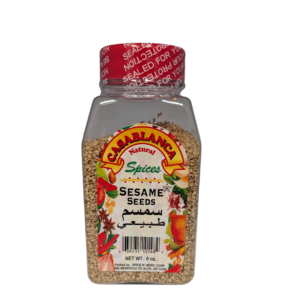


Making brik for iftar? Pick up malsouka brik sheets and a can of Cap Bon harissa. Looking for dates? Browse our Algerian dates page for availability.
Ramadan Recipes FAQs
What are the most popular North African Ramadan recipes?
Harira and chorba soups, brik, bourek and briouats, chebakia, zlabia, sellou, qalb el louz and makroud are the best known. Dates with milk or water open almost every iftar.
What is the difference between harira and chorba?
Harira is a Moroccan soup of tomatoes, lentils and chickpeas thickened with a flour and water slurry. Chorba is the Algerian and Tunisian soup, usually made with lamb, tomato and frik or small pasta, and it is not thickened with flour.
What do Moroccans eat to break the fast?
Most start with dates and milk or water, then a bowl of harira with boiled eggs, chebakia, msemen or baghrir and briouats. A larger main dish is often eaten later in the evening.
What are good suhoor Ramadan recipes in North African homes?
Popular choices are mesfouf or seffa made with fine couscous, msemen with honey, yogurt with dates, eggs with bread and olive oil, or a small bowl of leftover soup.
Which Ramadan recipes can I make ahead?
Chebakia and sellou keep for weeks in airtight containers. Briouats and bourek can be rolled and frozen unfried, and soup bases freeze well if you add the pasta or frik when reheating.
When does Ramadan start in 2027?
Ramadan 2027 is expected to begin around February 8, 2027. The exact date depends on the sighting of the new moon, so it can shift by a day in different communities.
Why are dates eaten first at iftar?
Breaking the fast with dates and water follows the tradition of the Prophet Muhammad. Dates are also sweet and easy to eat after a long day without food.
Further reading: Iftar (Wikipedia) · Harira (Wikipedia) · Chorba (Wikipedia)
Get Ready for the Holy Month
Spices, honey, couscous, tea and brik sheets for all your Ramadan recipes, delivered anywhere in the USA.
Shop Moroccan Products Shop All Products