How to Make Preserved Lemons and 10 Ways to Use Them
The classic Moroccan salt-cured lemon, step by step: which lemons and salt to buy, how long to cure, how to tell when they are ready and how to cook with every part of the jar.
Preserved lemons are whole or quartered lemons cured in salt and their own juice until the peel turns soft, silky and deeply savory. Cut scrubbed lemons into quarters without slicing through the base, pack each one with about 1 tablespoon of non-iodized salt, press them into a clean jar and cover completely with lemon juice. Leave the jar at cool room temperature for about 3 to 4 weeks, turning it every day or two, then refrigerate. Rinse before use and chop the peel into tagines, salads, dressings and grains.
Your Complete Citron Confit Guide
Open a jar of preserved lemons and you smell the heart of Moroccan home cooking. In Morocco they are often called l’hamd markad, and in French citron confit. The peel loses its bitterness, turns tender and develops a rich, salty, floral flavor that fresh lemon simply cannot match.
The best part is that you need only two ingredients and a few minutes of work. This guide walks you through the traditional method, an easy spiced variation, the most common mistakes and ten practical ways to cook with the finished lemons. You will also find the spices from our Moroccan spices collection that pair best with them.
Preserved Lemons at a Glance
What Are Preserved Lemons and Where Do They Come From?
Preserved lemons are a simple salt pickle. Salt draws juice out of the fruit, and the lemons slowly cure in that salty, acidic brine. Over several weeks the white pith softens, the sharp bitterness fades and the peel becomes the prized part of the fruit.
Salt-cured lemons are best known from Moroccan cooking, where they flavor tagines, salads and fish dishes. Related lemon pickles are also common across the Indian subcontinent, and recipes for pickled lemons appear in English and American cookbooks from the 18th and 19th centuries, as the preserved lemon entry on Wikipedia notes.
In Moroccan kitchens, preserved lemons sit next to olives, spices and olive oil as everyday staples. Many families make a big jar each winter when lemons are plentiful and use it all year.

Choosing Lemons, Salt and a Jar
With only two ingredients, each choice matters. Here is what to look for before you start your preserved lemons.
1. The lemons
Moroccan cooks favor small, thin-skinned, fragrant local lemons. In the US, Meyer lemons are a great match because their skins are thin and their flavor is sweet and floral. Regular Eureka or Lisbon lemons also work well; they just take a little longer to soften.
Choose firm, heavy, unblemished fruit. Organic or unwaxed lemons are ideal because you eat the peel. If yours are waxed, scrub them well under hot water.
2. The salt
Use salt without iodine or anti-caking agents, such as pickling salt, kosher salt or pure sea salt. Fine salt packs more densely than flaky kosher salt, so use a little less by volume. A jar of Casablanca natural sea salt covers several batches.
3. The jar
A 1-quart glass jar with a tight lid holds about 5 to 6 medium lemons. Wash it in hot soapy water and rinse well, or boil it for 10 minutes for extra care.

How to Make Preserved Lemons Step by Step
This traditional recipe fills one 1-quart jar. It takes about 20 minutes of work and roughly a month of patience.
Ingredients
- 5 to 6 medium lemons (or 7 to 8 small Meyer lemons), scrubbed
- About 1/2 cup non-iodized salt, plus extra for the jar
- Juice of 3 to 4 more lemons, enough to cover
- Optional: 1 bay leaf, 1 small cinnamon stick, 1/2 teaspoon coriander seeds or black peppercorns
You will need
- A clean 1-quart glass jar with a lid
- A sharp knife and a cutting board
- A wooden spoon or muddler for pressing
Method
- Prep the jar. Sprinkle about 1 tablespoon of salt over the bottom of the clean jar.
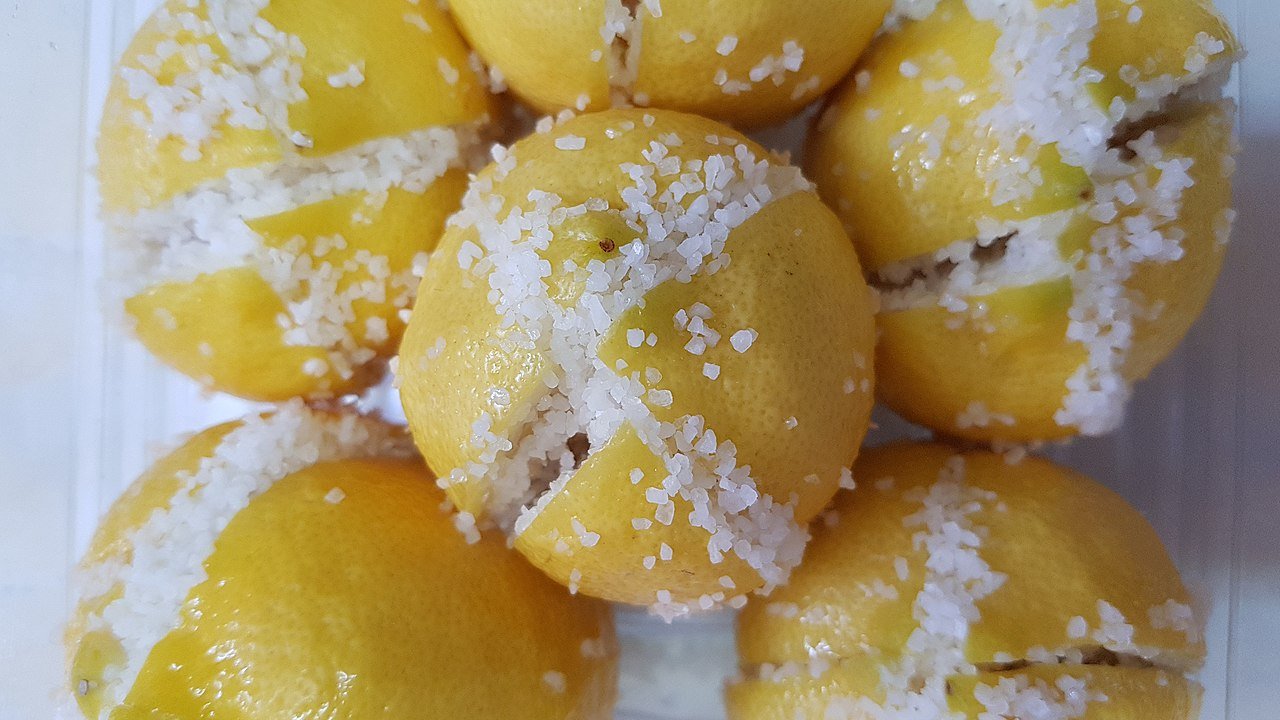
- Cut the lemons. Trim the stem tip. Stand each lemon on its end and cut it into quarters from the top, stopping about 1/2 inch from the base so the pieces stay joined.
- Salt each lemon. Gently open the lemon like a flower and pack about 1 tablespoon of salt inside. Close it again.
- Pack the jar. Press each lemon firmly into the jar so it releases juice. Add any spices between the layers and sprinkle a little salt over each layer.
- Cover with juice. Pour in fresh lemon juice until every lemon is fully submerged. Leave about 1/2 inch of headspace and top with a final tablespoon of salt.
- Seal and cure. Close the jar and keep it at cool room temperature, out of direct sun, for about 3 to 4 weeks. Turn or shake it every day or two to spread the salt.
- Refrigerate. When the peel is soft enough to cut easily with a spoon, move the jar to the fridge.
Preserved Lemons Curing Timeline
Preserved lemons change a lot over the first month. Use this rough guide, and remember that thin-skinned fruit softens faster than thick-skinned lemons.
| Time | What you will see | What to do |
|---|---|---|
| Day 1 to 3 | Juice rises, salt starts to dissolve | Press the lemons down and top up with juice |
| Week 1 | Peel still firm, color bright yellow | Turn the jar every day or two |
| Week 2 to 3 | Peel darkens slightly and starts to soften | Keep turning; check that lemons stay covered |
| Week 3 to 4 | Peel soft, pith almost translucent, brine slightly thick | Taste a piece, then refrigerate |
| Months 2 to 6 | Flavor grows deeper and rounder | Store in the fridge and use clean utensils |
The University of California Master Food Preserver program shares several tested-style methods, from a two-week cupboard cure to longer cures, all with refrigerated storage of up to six months. You can read them in this UC Agriculture and Natural Resources guide.
Spiced and Quick Preserved Lemons
Plain salt and lemon is the classic Moroccan way, and many cooks never add anything else. Still, a few whole spices give your jar a personal touch.
Salt and lemon only
The purest flavor and the most versatile jar. Perfect for tagines and anything with olives.
Cinnamon and bay
Tuck in one cinnamon stick and a bay leaf for a gentle warmth that suits chicken and lamb.
Coriander and pepper
A spoon of coriander seeds and black peppercorns adds a citrusy, peppery note for fish and salads.
More ideas for your jar
Dried chili
One small dried chili gives the brine a mild kick, great for dressings.
Mix in limes
Small limes cure the same way and add a sharper edge.
Meyer only
An all-Meyer jar is softer and more floral, lovely in desserts and drinks.
Quick versions
Some cooks simmer sliced lemons in salted water for a fast shortcut. It is handy, but the flavor is flatter than a true cure.
Pint jar
Halve the recipe with 2 to 3 lemons in a pint jar to test your favorite spice mix.

How to Use Preserved Lemons in Your Cooking
Preserved lemons are salty and intense, so a little goes a long way. A quarter of a lemon is often enough for a dish that serves four.
Prep in three steps
- Lift out a piece with a clean fork or spoon, never your fingers.
- Rinse it under cold water to remove excess salt.
- Scrape away the pulp if you want a cleaner flavor, then slice or mince the peel.
Do not waste the pulp and brine
The pulp is very salty but full of flavor. Mash a little into sauces, marinades and stews. The brine works like seasoned lemon juice in dressings, but use it instead of salt, not on top of it.
Adjust the salt in your recipe
When you add preserved lemons, taste before adding any extra salt. Olives, stock cubes and spice blends already bring salt of their own.
10 Delicious Ways to Use Preserved Lemons
Once you have a jar, you will reach for it constantly. These ten uses go from classic Moroccan dishes to everyday weeknight cooking.
Chicken tagine with olives
The best-known pairing: chicken, onions, ginger, saffron or turmeric, olives and strips of lemon peel added near the end. Our ground ginger is a must here.
Fish with chermoula
Mix minced peel into chermoula with cilantro, garlic, cumin and paprika, then bake white fish. A ready fish chermoula spice saves time.
Moroccan salads
Fold thin slivers into carrot, tomato or cucumber salads with olive oil and cumin.
Lemon vinaigrette
Blend 1 tablespoon minced peel, 3 tablespoons olive oil, 1 tablespoon vinegar and a pinch of pepper.
Couscous and rice
Stir chopped peel, herbs and toasted almonds into hot couscous or rice for a bright side dish.
Roasted vegetables
Toss potatoes, carrots or cauliflower with olive oil, ground cumin and minced peel before roasting.
Hummus and yogurt
Blend a little peel into hummus or stir it into thick yogurt with garlic and mint.
Lamb and beef stews
Add peel to slow-cooked lamb with ras el hanout for a lift that cuts through the richness.
Quick pantry pasta
Warm olive oil with garlic, chili and minced peel, then toss with spaghetti, parsley and canned tuna.
Lemon herb butter
Mash minced peel and parsley into soft butter and melt it over grilled fish, chicken or corn.

Preserved Lemons Problems and Safety Tips
Most batches of preserved lemons go smoothly. When something looks off, it is usually one of the issues below.
| Problem | Likely cause | Fix |
|---|---|---|
| Lemons poke above the brine | Not enough juice or loose packing | Press down, add fresh juice and use a weight |
| Peel still hard after 4 weeks | Thick-skinned lemons or cold room | Give it 1 to 2 more weeks before refrigerating |
| Too salty to eat | Normal for this pickle | Rinse well, remove pulp, use less in recipes |
| Bitter taste | Not fully cured, or very thick pith | Cure longer; trim some pith before using |
| Cloudy or thick brine | Natural pectin and salt | This is normal and expected |
| Fuzzy, colored mold or bad smell | Lemons exposed to air or a dirty utensil | Throw the batch away |
Simple safety rules
- Start with a very clean jar and scrubbed lemons.
- Keep every lemon under the brine at all times.
- Use a clean utensil each time you take some out.
- Refrigerate once cured and use within about 6 months.
- When in doubt, throw it out.
A note on salt
General information only, not medical advice. Preserved lemons are high in sodium. If you follow a low-sodium diet, rinse them well, use small amounts and ask your health care provider how they fit your plan.

Best Preserved Lemons Pantry Picks to Buy in the USA
You only need fresh lemons from your local store, plus these pantry basics for curing and cooking. Everything ships to all 50 states.
 Best for curingCasablanca Natural Sea Salt
Fine sea salt in a big jar, enough for several batches.
Shop now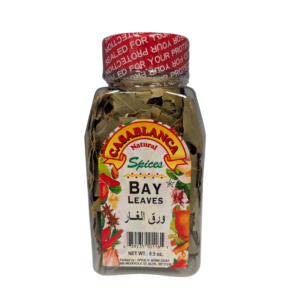
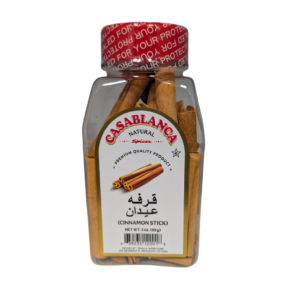 Best warm spiceCasablanca Cinnamon Sticks
For a gently spiced jar that suits chicken and lamb.
Shop now
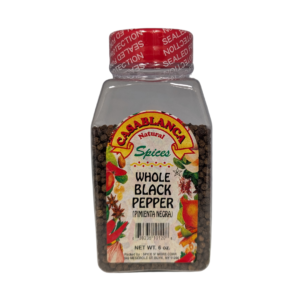 Best everydayCasablanca Whole Black Pepper
A few peppercorns per jar, or freshly ground on top.
Shop now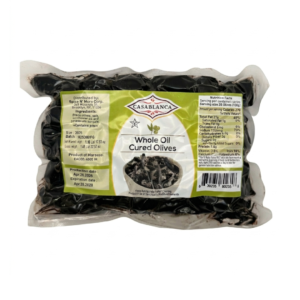
Cooking for a crowd? A 2 lb tub of El Morocco oil cured olives goes a long way. Browse all Moroccan olives and pickles, and see our shipping policy for delivery times.
Preserved Lemons FAQs
What are preserved lemons?
Preserved lemons are lemons cured in salt and their own juice for several weeks. The process softens the peel, removes most of the bitterness and gives a salty, savory and floral flavor used widely in Moroccan cooking.
How long do preserved lemons take to make?
Plan on about 3 to 4 weeks at cool room temperature. Thin-skinned lemons such as Meyer lemons may be ready a little sooner, while thick-skinned lemons can need 5 to 6 weeks. They are ready when the peel is soft enough to cut with a spoon.
Do preserved lemons need to be refrigerated?
Once they are cured, store the jar in the refrigerator. Kept cold, covered with brine and handled with clean utensils, preserved lemons are commonly used for up to about 6 months.
What salt is best for preserved lemons?
Use salt without iodine or anti-caking agents, such as pickling salt, kosher salt or pure sea salt. Fine salt is denser than flaky kosher salt, so use slightly less by volume.
Do you eat the peel or the pulp of preserved lemons?
The peel is the main part used. Rinse it, scrape off the pulp if you like and slice or mince the peel. The pulp and brine are very salty but can be added in small amounts to sauces, stews and dressings.
Can I use Meyer lemons for preserved lemons?
Yes. Meyer lemons have thin skins and a sweet, floral flavor, so they make tender preserved lemons and are a good match for the small local lemons used in Morocco.
Is the white film on my preserved lemons safe?
A cloudy or slightly thick brine is normal. Fuzzy or colored mold, a rotten smell or slimy lemons mean the batch should be thrown away. Keeping the lemons fully covered with brine is the best way to prevent problems.
What can I substitute for preserved lemons?
There is no perfect substitute, but finely grated lemon zest with a squeeze of lemon juice and a pinch of salt gives a bright, if less complex, lemon flavor in a pinch.
Further reading: UC ANR Master Food Preservers: Preserved Lemons · Preserved lemon (Wikipedia)
Start Your First Jar This Weekend
Salt, whole spices, olives and everything else for Moroccan cooking, delivered to your door anywhere in the USA.
Shop Moroccan Spices Shop All Products