Orange Blossom Water Uses 15 Ways to Cook, Sip and Refresh
What orange blossom water is, how it is made, how much to use and 15 practical ways to use it in pastries, drinks, salads and North African traditions, plus buying and storage tips.
Orange blossom water is a fragrant floral water made by distilling the fresh blossoms of the bitter orange tree, and it is used a few drops at a time to perfume pastries, syrups, drinks and fruit salads. Start with ¼ to 1 teaspoon per recipe, add it near the end of cooking and taste as you go. In Morocco it scents cookies, seffa and coffee, in Lebanon it flavors syrups and white coffee, and in New Orleans it is a key part of the Ramos Gin Fizz.
Your Complete Orange Blossom Water Guide
Open a bottle of orange blossom water and the kitchen smells like an orchard in spring. Moroccan grandmothers call it mazhar, French bakers call it eau de fleur d’oranger, and cooks from Beirut to Mexico City keep a bottle near the sugar. It costs little and lasts for months.
The catch is that it is powerful. A teaspoon too much and your cookies taste like soap. This guide shows you exactly how much to use, the 15 most useful ways to cook and drink with it, and the North African staples from our Moroccan baking essentials collection that pair with it best.
Orange Blossom Water at a Glance
What Is Orange Blossom Water?
Orange blossom water is a clear, alcohol-free floral water. It is not juice and it is not made from orange peel. It comes from the small white flowers of the bitter orange tree, the same tree that gives us Seville oranges for marmalade.
The flowers are distilled with water. The steam carries their aromatic compounds, and when it cools it separates into a tiny amount of essential oil, called neroli, and a much larger amount of scented water. That water is what you buy in the bottle.
Why cooks love it
It adds aroma rather than sweetness or acidity, so it lifts a recipe without changing its texture. A few drops make honey taste richer, almonds taste nuttier and dairy taste creamier.
Is orange blossom water the same as orange extract?
No. Orange extract is made from the oils in orange peel and tastes like zest. Orange blossom water tastes like the flower, with a soft, perfumed note closer to honey and jasmine.

How Orange Blossom Water Is Made
In the Mediterranean, bitter orange trees bloom in spring. According to the Neroli article on Wikipedia, the blossoms are usually picked by hand from late April to early May, and Tunisia, Morocco and Egypt are among the leading producers.
The fresh flowers go into a still with water. As the mixture heats, steam rises through the petals, then passes through a cooled pipe where it condenses. The neroli oil floats on top and is drawn off for perfumery. The fragrant water underneath is bottled as orange blossom water.
In Tunisia, families in the Cap Bon region near Nabeul have long distilled their own flower water each spring at home, using a traditional copper or metal still. Home-distilled bottles are kept for the whole year and used for sweets, weddings and guests.
One flower, many names
Because it is used in so many cuisines, you will see several names on labels. Knowing them helps when you shop in US stores and online.
| Name | Language or region | Where you see it |
|---|---|---|
| Ma zhar, mazhar | Arabic (Morocco, Algeria, Tunisia, Levant) | North African and Middle Eastern labels |
| Eau de fleur d’oranger | French | Moroccan and French bottles |
| Agua de azahar | Spanish | Spanish and Latin American stores |
| Orange flower water | English | US and UK recipes |
| Neroli | Perfumery term | The essential oil, not the cooking water |
How Much Orange Blossom Water Should You Use?
The aroma is sweet, floral and slightly bitter, like walking past a blooming citrus tree. Brands vary a lot in strength, so the same teaspoon can be gentle in one bottle and overpowering in another. Always start small, taste and add more.
Heat drives off the fragrance. For cooked syrups, custards and fillings, stir it in after you take the pan off the heat. For doughs and cookies, mix it in with the wet ingredients so it spreads evenly.
| Recipe | Starting amount | When to add |
|---|---|---|
| Fruit salad for 4 | ½ to 1 teaspoon | Just before serving |
| Sugar syrup (1 cup sugar) | 1 teaspoon | Off the heat, once slightly cooled |
| Cookie dough (about 3 cups flour) | 1 to 2 tablespoons | With the wet ingredients |
| Whipped cream (1 cup) | ¼ to ½ teaspoon | At soft peaks |
| Cocktail or lemonade (1 glass) | 2 to 4 drops | In the shaker or glass |
| Cup of coffee or hot water | ¼ to ½ teaspoon | After pouring |
15 Orange Blossom Water Uses for Every Day
From breakfast to cocktails, these are the most useful ways to put a bottle to work. Each one needs only a splash.
Moroccan cookies
Ghriba, fekkas and almond-filled gazelle horns all use it in the dough or filling. Add 1 to 2 tablespoons per batch with the eggs or butter.
Honey and sugar syrups
Stir a teaspoon into warm syrup for baklava, chebakia or briouats. It cuts the heaviness of honey and adds a bright floral finish.
Sweet seffa
Sprinkle a little over steamed fine couscous or vermicelli with butter, cinnamon and powdered sugar for a festive Moroccan seffa.
Orange and fruit salads
Sliced oranges with cinnamon and a few drops of orange blossom water is one of Morocco’s simplest desserts. It also lifts strawberries, melon and dates.
Moroccan coffee
Add a few drops to a cup of spiced coffee with milk. It is a traditional way to scent coffee in Morocco.
Lebanese white coffee
Despite the name, white coffee contains no coffee. It is a cup of hot water with a teaspoon of the flower water and sugar to taste, often served after dinner.
Lemonade and almond milk
Add ½ teaspoon per pitcher of fresh lemonade, or blend it into Moroccan almond milk with a little sugar and cinnamon.
Ramos Gin Fizz
The famous New Orleans cocktail uses a few drops with gin, citrus, cream and egg white. It also works in gin sours and sparkling wine.
Yogurt, cream and custard
Fold it into whipped cream, rice pudding, panna cotta or homemade raib, the set Moroccan yogurt.
Milk pastilla and jawhara
Moroccan milk pastry desserts layer crisp sheets of pastry with a light custard that is often perfumed with the flower water.
Sweet breads and brioche
Spanish roscón de reyes, Mexican pan de muerto and French gibassier all use it. Try a tablespoon in your own brioche dough.
Icing and glazes
Replace a teaspoon of the milk or lemon juice in a powdered sugar glaze for scones, cakes and doughnuts.
Tagines and rice
A few drops at the end can round out sweet-savory dishes such as lamb with prunes or a fragrant rice pilaf. Use a very light hand.
Scented water for guests
Add a splash to a pitcher of chilled drinking water. In parts of the Middle East it is a traditional way to freshen water.
Linen and room spray
Mix it with water in a spray bottle for pillows, linens and the air before guests arrive. The scent is soft and fades in a few hours.
Orange Blossom Water in the North African Kitchen
Across Morocco, Algeria and Tunisia, mazhar is as basic as vanilla is in the US. It shows up at breakfast, at weddings and on every holiday cookie tray.
Cookies, seffa and coffee
Moroccan cooks add it to gazelle horns, ghriba, chebakia and milk pastilla, sprinkle it on seffa and use it to scent coffee.
Makroud and samsa
Algerian semolina makroud, almond samsa and many Eid pastries use it in dough or syrup. Wikipedia also notes it is traditionally dabbed on the head to cool off in the heat.
Home distillation
The Cap Bon region is famous for its bitter orange orchards. Families distill their own flower water in spring and use it in samsa, bambalouni syrup and drinks.

A sign of welcome
In many Moroccan homes, guests were traditionally offered a little flower water to rinse their hands on arrival or before tea, poured from a silver or metal sprinkler that matches the tea set. The custom is less common today, but the sprinklers still appear at weddings.
Sweet couscous with orange blossom water
For a simple seffa, steam Dalia fine couscous, toss it with butter, then mound it on a platter. Sprinkle with a teaspoon of the flower water, powdered sugar and ground cinnamon, and add fried almonds on top.
Sweeter shortcuts
For quick desserts, Alsa orange blossom sugar adds the same aroma to crêpes and cakes, and Idéal orange blossom raïb mix makes a set yogurt-style dessert in minutes.
Orange Blossom Water Around the World
Wherever bitter oranges grew or Arab and Andalusian traders traveled, the flower water followed. Here are some of its best-known roles.
Maamoul and ashta
Semolina maamoul cookies, stuffed with dates or nuts, often use it in the dough, and it perfumes ashta cream and atar syrup.
Baklava syrup
Many Arab bakers flavor baklava syrup with it. White orange blossoms are also linked with brides and celebrations.
Gibassier and madeleines
Provence uses it in gibassier and pompe à l’huile at Christmas, and some madeleine recipes add a few drops.
Roscón de reyes
The ring-shaped Three Kings cake of January 6 is scented with agua de azahar.
Pastiera
The Neapolitan Easter tart of ricotta and cooked wheat berries gets its signature perfume from flower water.
Pan de muerto
The sweet bread baked for the Day of the Dead often carries a hint of azahar in the dough.
Ramos Gin Fizz
Created in New Orleans in the late 1800s, this frothy drink relies on a few drops of the flower water. Saveur’s Ramos Gin Fizz recipe shows the classic method.


Moroccan Orange Salad With Orange Blossom Water
This five-minute dessert is served after heavy tagines and couscous all over Morocco. It is the easiest way to taste what the flower water does. Serves 4.
Ingredients
- 4 large navel oranges, or a mix of navel and blood oranges
- 1 teaspoon orange blossom water
- 1 to 2 tablespoons powdered sugar or honey
- ½ teaspoon ground cinnamon
- A few fresh mint leaves
- Optional: 2 tablespoons chopped toasted almonds or chopped dates
- Optional: 1 teaspoon toasted sesame seeds
Method
- Peel. Cut the top and bottom off each orange, then slice away the peel and white pith with a sharp knife.
- Slice. Cut the oranges into thin rounds, about ¼ inch thick, and remove any seeds.
- Arrange. Overlap the slices on a platter and pour over any juice from the board.
- Scent. Sprinkle the flower water evenly over the slices. Start with ¾ teaspoon if your bottle is strong.
- Sweeten. Dust with powdered sugar or drizzle with honey, then dust with cinnamon.
- Chill and finish. Chill for 15 to 30 minutes, then scatter mint, nuts and sesame just before serving.
Make it your own
For a winter version, add pomegranate seeds. For a breakfast bowl, spoon the slices over plain yogurt. A drizzle of Tayeb eucalyptus honey and a sprinkle of Casablanca sesame seeds make it richer, and a pot of mint tea brewed with Sultan Grain Ambar green tea finishes the meal the Moroccan way.
Beyond the Kitchen: Skin, Home and Tradition
Floral waters have a long history in North African beauty routines, next to argan oil and black soap. Some people mist cosmetic-grade flower water on the face as a light toner or use it to refresh the skin on hot days.
Choose the right bottle
Many kitchen bottles are labeled “arôme” or aroma, which means they are made for flavoring food. For skin, look for a product sold as a cosmetic hydrosol with a clear ingredient list. Explore our Moroccan cosmetics for other traditional beauty staples.
Traditional home remedies
In Malta, North Africa and the Middle East, a spoonful of flower water in water has long been a folk remedy for an upset stomach, and some people find the scent calming. These are traditions, not proven treatments.

Buying, Storing and Orange Blossom Water Substitutes
In the US you will find it in Middle Eastern, North African and Mediterranean grocery stores, in some liquor stores and online. Bottles usually hold between 5 and 17 ounces. A small bottle goes a long way, since most recipes use a teaspoon or less.
What to look for
Check the label. Some bottles are pure distilled flower water, while others are “aroma” waters with added flavoring. Both work well in cooking, but strength differs, so taste a drop on a sugar cube before you measure. Glass bottles protect the aroma better than thin plastic.
How to store it
Keep the bottle tightly closed in a cool, dark cupboard, away from the stove. Many cooks refrigerate it after opening to keep the scent fresh longer. Over time the fragrance fades, so if a two-year-old bottle smells weak, replace it rather than doubling the dose.
| Substitute | Use instead of 1 teaspoon | Result |
|---|---|---|
| Rose water | ½ to 1 teaspoon | Floral but rosier, good in syrups and puddings |
| Orange zest | ½ teaspoon finely grated | Citrusy, less perfumed |
| Orange extract | 1 to 2 drops | Much stronger, tastes of peel |
| Vanilla extract | ½ teaspoon | Warm and sweet, not floral |
For rose water ideas, our Samra rose water is the classic partner, and many Moroccan cooks keep both bottles side by side. Never use neroli essential oil as a substitute. It is highly concentrated and not made for eating.
Best Orange Blossom Water Picks to Buy in the USA
Everything you need to bring the scent of a Moroccan pastry shop home, from the flower water itself to the spices and honey that go with it.


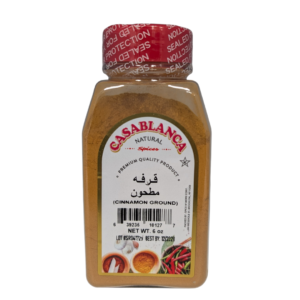
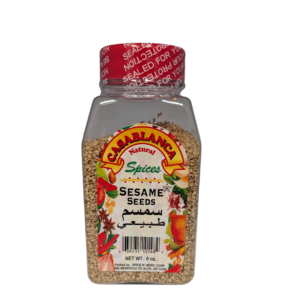

Baking for Eid, a wedding or a holiday tray? Browse all baking essentials and check our shipping policy for delivery times to your state.
Orange Blossom Water FAQs
What is orange blossom water used for?
It is used to perfume pastries, cookies, syrups, puddings, fruit salads, coffee, lemonade and cocktails. In North Africa it flavors gazelle horns, ghriba, chebakia and seffa, and it is also used to scent drinking water and linens.
What does orange blossom water taste like?
It tastes floral, honeyed and slightly bitter, much like the smell of citrus blossoms. It does not taste like orange juice or zest, and too much can taste soapy.
How much orange blossom water should I use?
Start with about ¼ to 1 teaspoon for most recipes and a few drops for a single drink. Cookie doughs for a large batch may take 1 to 2 tablespoons. Brands vary, so taste and add more gradually.
Is orange blossom water the same as rose water?
No. Rose water is distilled from rose petals and tastes rosy, while orange blossom water comes from bitter orange flowers and tastes like citrus blossom. They are used in similar ways and can stand in for each other in small amounts.
Can you drink orange blossom water?
Food-grade flower water is safe to drink diluted in small amounts, such as a teaspoon in a cup of hot water or a pitcher of cold water. Check that the bottle is sold for food use, and ask a doctor about any health concerns.
Does orange blossom water go bad?
It does not spoil quickly, but the aroma fades over time and after opening. Store it tightly closed in a cool, dark place or the refrigerator, and replace it if it smells weak, cloudy or off.
What can I use instead of orange blossom water?
Rose water is the closest floral swap. Finely grated orange zest, a drop or two of orange extract or a little vanilla also work, though the flavor will be less perfumed.
Further reading: Orange flower water (Wikipedia) · Neroli (Wikipedia) · Saveur: Henry C. Ramos’s Gin Fizz
Bring Home the Scent of Moroccan Sweets
Flower waters, spices, honey and baking staples from North Africa, delivered to all 50 states.
Shop Baking Essentials Shop All Products