Natural Henna vs Black Henna How to Tell Them Apart and Stay Safe
What real henna is made of, why so-called black henna can burn the skin, eight quick checks before any design touches your hands, and how to enjoy the North African henna tradition safely at home.
Natural henna is a paste of dried, powdered Lawsonia inermis leaves that stains skin orange at first, then darkens to reddish brown over one to two days. So-called black henna is usually not henna at all: it often contains PPD, a hair dye chemical that is not allowed in US cosmetics applied to skin and can cause blistering allergic reactions. If a paste promises a jet-black stain in under an hour, walk away.
Your Complete Henna Safety Guide
Natural henna has decorated hands and feet across North Africa, the Middle East and South Asia for centuries. At Moroccan, Algerian and Tunisian weddings, Eid mornings and baby celebrations, a fresh design is part of the joy. Yet every summer, dermatologists see painful skin reactions from pastes sold as “henna” that are nothing of the sort.
This guide explains the real difference between natural henna and black henna, what the stain should look like hour by hour, and how to read a label. You will also find tips for using ready-made henna cones at home, plus the simple aftercare that gives the deepest color.
Natural Henna at a Glance
What Is Natural Henna?
Natural henna comes from a single plant: Lawsonia inermis, a hardy shrub that thrives in hot, dry climates from Morocco to India. Its leaves are harvested, dried and milled into a fine green powder. Mixed with a mild acid such as lemon juice and left to rest, that powder becomes a smooth paste.
The coloring agent is lawsone, a reddish-orange molecule that binds to the keratin in the outer layer of the skin, hair and nails. Because it only stains the dead top layer, the design fades naturally as skin renews itself. That is why the design is temporary, usually lasting one to three weeks.
There is an important limit to how dark it can go. On its own, natural henna produces orange, orange-brown or reddish-brown tones. The US Food and Drug Administration notes this in its fact sheet on henna and black henna, adding that other colors require added ingredients.

What Is Black Henna Really?
Black henna is a marketing name, not a plant. Pure henna cannot stain skin black, so pastes sold this way usually get their color from para-phenylenediamine, or PPD, a coal tar dye used in permanent black hair color.
PPD is allowed in hair dye with strict directions, but by US law it is not permitted in cosmetics applied to the skin. Vendors at beaches, fairs and tourist markets sometimes use it because it stains in minutes, gives crisp black lines and lasts a long time.
A review of cases in the Canadian Medical Association Journal reported PPD levels in some black henna pastes far higher than the levels found in hair dyes. Some artists skip henna completely and paint with hair dye alone.
Black henna vs natural henna in one line
Natural henna stains slowly and turns reddish brown. Black henna stains quickly and stays inky black, and it may come with a chemical smell instead of the earthy, hay-like scent of real henna.

Natural Henna vs Black Henna Side by Side
Use this table to compare natural henna with black henna before you book an artist or buy a cone.
| Feature | Natural henna | Black henna |
|---|---|---|
| Main ingredient | Dried, powdered Lawsonia inermis leaves | Often PPD hair dye, with or without henna |
| Paste color | Green, greenish brown or dark brown | Jet black |
| Smell | Earthy, grassy, sometimes essential oils | Can smell chemical or have little scent |
| Time on skin | Several hours, often overnight | Often 15 to 60 minutes |
| Fresh stain | Bright orange | Black right away |
| Final color | Reddish brown to deep maroon brown | Black |
| Typical reaction risk | Allergy is uncommon but possible | Higher risk of allergic dermatitis and lasting sensitization |
| US legal status on skin | Henna approved only for hair dye | PPD not permitted in skin cosmetics |
Why PPD Is a Problem for Your Skin
General information only, not medical advice. PPD is a strong skin sensitizer. That means one exposure can teach the immune system to react to it, and later contact, even at low levels, can set off an allergic rash. With black henna, the paste sits on the skin for a long time at high strength, which raises the risk.
What a reaction can look like
Symptoms can appear within hours or up to a few weeks after application. Reported signs include itching, burning, redness, raised welts, blisters, oozing and scabbing that follows the outline of the design. Some people are left with lighter or darker patches or scars in the shape of the tattoo.
The long-term catch
Once sensitized, a person may react badly to permanent hair dye years later, since many dark dyes contain PPD or related chemicals. In the CMAJ case series, patients developed swelling of the scalp, face and eyelids after dyeing their hair, and none had connected it to an earlier black henna tattoo.
Florida’s health department warns travelers to ask to see the ingredients before any black henna design. If you notice a reaction, stop using the product, see a doctor promptly and keep the packaging. You can also report problems to the FDA at 1-888-INFO-FDA.
Can natural henna cause reactions too?
Yes, though it is far less common. A small number of people are allergic to henna itself or to oils added to a paste. Doctors also advise extra caution using henna on babies and young children, especially those with G6PD deficiency. A patch test is always a smart first step.
8 Checks to Confirm Natural Henna
Run through these eight checks at a market stall, salon or online store. If a product fails more than one, choose a different paste.
Read the ingredient list
Retail cosmetics sold in the US must list ingredients. Look for Lawsonia inermis or henna powder near the top, and avoid PPD, p-phenylenediamine or “para-dye.”
Check the paste color
Real henna paste is green to dark brown. A shiny, pitch-black paste is a warning sign.
Doubt “black” claims
Any product promising a black stain is not plain henna. The darkest plain henna gets is a deep maroon brown.
Be wary of instant results
Plant henna needs hours on the skin. A design that is “done” in 20 minutes usually relies on dye.
Use your nose
Real henna smells earthy, like hay or spinach. A harsh chemical odor is a reason to stop.
Ask the artist directly
Professional-use pastes do not need a retail label, so ask what is in the paste. A good artist will tell you.
Note how it is stored
Fresh homemade paste is often kept cool or frozen, because lawsone fades over time. Ready-made cones should be within date.
Do a patch test
Place a small dot on your inner arm and wait 24 to 48 hours. Any itching, redness or swelling means skip it.
The Natural Henna Stain Timeline
The single best proof of natural henna is how it changes color. The stain starts light and slowly deepens as lawsone oxidizes. Here is what to expect.
| Time after removal | What you see |
|---|---|
| Right away | Bright orange, sometimes pale yellow-orange |
| 6 to 12 hours | Orange deepens toward rust |
| 24 hours | Reddish brown appears |
| 48 hours | Peak color: reddish brown to maroon |
| 1 to 3 weeks | Gradual fading as skin renews |
Why palms stain darker
Palms and soles have the thickest outer skin, so they hold the most lawsone and stain darkest. Arms, the backs of hands and the face stain lighter and fade faster.

Other “Henna” Colors Explained
Many products borrow the henna name. Some are safe plant powders for hair, others are not henna at all. Here is how they compare.
Indigo, sometimes called “black henna”
Powdered Indigofera leaves are used after henna to dye hair brown or black. Some brands label it black henna, which adds to the confusion. Pure indigo is a plant powder, but always read the label.
Neutral henna
Usually cassia obovata, a plant powder used as a conditioning hair treatment. It adds little or no color on most hair.
Jagua
A blue-black stain made from the fruit of a South American tree. It is a different plant, not henna, and should be patch tested like any new product.
White “henna”
Usually a body paint or adhesive with glitter. It sits on top of the skin and does not stain, so it is not henna.
Red or burgundy henna
Pure henna can look red on light skin. A bright cherry or purple shade, though, suggests added dyes.
Compound henna
Hair products that mix henna with metallic salts or synthetic dyes. They can react badly with later chemical coloring.

Natural Henna in North African Tradition
In 2024, UNESCO added henna rituals and social practices to its list of intangible cultural heritage, in a joint nomination by 16 Arab countries including Morocco, Algeria and Tunisia. You can read the UNESCO decision online.
The henna night
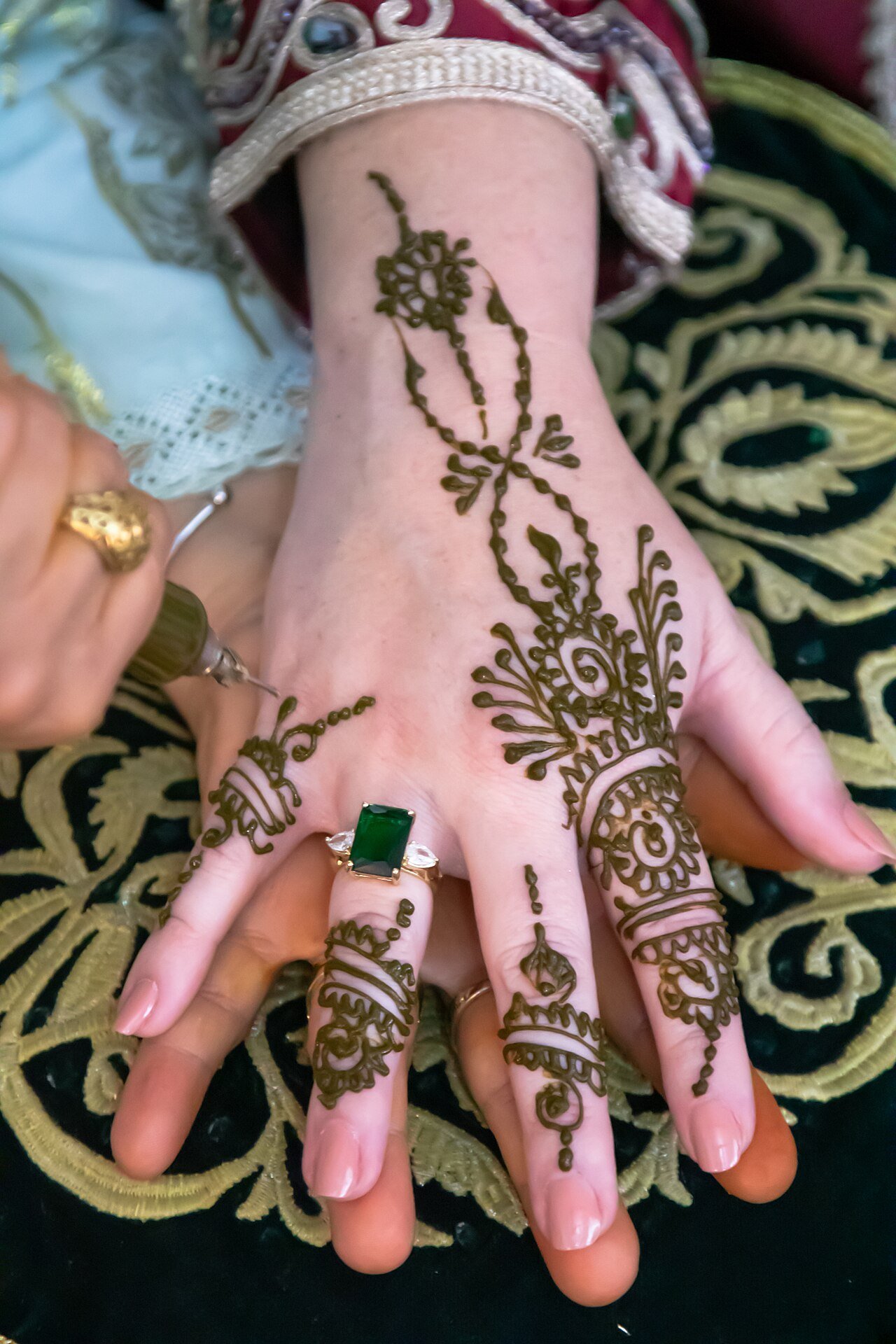
Before a Moroccan wedding, the bride’s hands and feet are decorated at a lively henna party with music and sweets. A skilled artist, often called a nekkacha, draws fine geometric and floral patterns.
Henna for blessings
In Algeria, henna marks weddings, Eid and other milestones. Guests at a henna night may receive a small dab on the palm, a gesture of good wishes shared with the family.
A long heritage
Tunisia’s southern oases have a long history of growing henna, and dried leaves are still sold in local markets. Brides traditionally wear henna on their hands and feet for the wedding days.
Why tradition favors natural henna
Families have always used the real plant because the slow stain is part of the ritual. The bride rests while the paste dries, relatives sing and share food, and the deepening color over the next days is seen as a good sign.
Black henna has no place in that tradition. It is a modern shortcut that copies the look of a design while skipping the plant itself.
Design styles you may see
Moroccan work often features bold geometric shapes, diamonds and lattice patterns. Gulf and South Asian styles lean toward large florals and dense lace-like fills. Many modern artists mix these styles freely.
How to Use Natural Henna Safely at Home
Whether you mix powder yourself or use a ready-made cone, these steps help you get a rich stain and avoid problems. Our store does not sell loose henna powder, so the method below is written for cones.
You will need
- 1 natural henna cone, at room temperature
- Mild soap and a clean towel
- Small scissors to snip the cone tip
- Paper towels or cotton swabs for mistakes
- Optional: a few drops of lemon juice mixed with sugar to seal the paste
- Optional: a light oil such as argan oil for aftercare
Before you start
- Patch test a small dot 24 to 48 hours ahead
- Skip broken, sunburned or irritated skin
- Remove lotion so the paste can touch bare skin
Method
- Clean the skin. Wash with mild soap, rinse and dry completely. Oils and creams act as a barrier and weaken the stain.
- Prepare the cone. Knead the cone gently, then snip a tiny opening at the tip. Test the flow on a paper towel.
- Draw your design. Hold the cone like a pen and squeeze with steady pressure. Start with simple dots and lines if you are new.
- Let it dry. The paste dries in about 20 to 30 minutes. Keep still so the lines do not smear.
- Seal it. Dab on a little lemon and sugar mixture to help the paste stick and stay moist longer.
- Wait. Leave the paste on for at least 4 to 6 hours. Many people keep it overnight for the darkest color.
- Scrape, do not wash. Remove the dry paste with a blunt edge or your fingers. Avoid water for the next 12 to 24 hours.
Aftercare for a deeper natural henna stain
Keep the area warm, since warmth helps lawsone develop. Once the paste is off, a light layer of oil can protect the design from water. A few drops of ITTO pure argan oil or any plain oil works well. Avoid scrubbing, chlorine pools and harsh soaps for the first few days.
Some North African families also warm hands over the steam of cloves, an old trick for richer color. If you try it, keep a safe distance from heat. Our whole cloves are the same ones used in the kitchen.

Best Natural Henna Picks to Buy in the USA
Ready-to-use cones described on our product pages as natural henna, plus two North African beauty staples for prep and aftercare. As with any henna product, read the pack and patch test first.
 Best for fine linesLajwa Natural Henna Cone
A fine tip for detailed mehndi; “black and gold” refers to the packaging.
Shop now Best for big designsGolecha Jumbo Cone (Maroon)
A large cone for bold designs on hands and feet.
Shop now
 Beginner friendlyKangana Jumbo Cone (Green)
An easy-squeeze cone for practicing simple patterns.
Shop now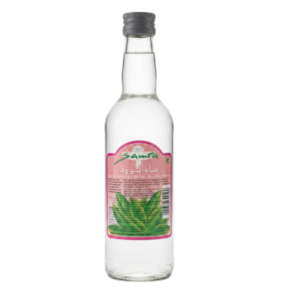 Prep and refreshSamra Rose Water
A gentle floral water many families use to refresh skin before and after henna.
Shop now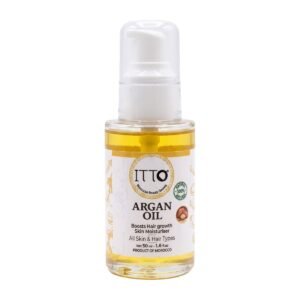
Planning a full henna night? Add Mazyana rose water, browse our argan oil collection and check our shipping policy so everything arrives in time.
Natural Henna FAQs
What is the difference between natural henna and black henna?
Natural henna is made only from dried, powdered henna leaves and stains skin orange, then reddish brown over one to two days. Black henna usually contains PPD, a hair dye chemical, which stains black within minutes and carries a much higher risk of allergic skin reactions.
What color is natural henna?
The paste is green to dark brown. The stain is bright orange right after removal and darkens to reddish brown or maroon brown over 24 to 48 hours. Natural henna never turns black on skin.
Is natural henna safe for skin?
Natural henna is generally well tolerated, but allergies are possible and the FDA has approved henna only as a hair dye, not for skin. Do a patch test first, avoid broken skin and take extra care with young children. This is general information only, not medical advice.
How can I tell if henna contains PPD?
Check the ingredient list for p-phenylenediamine or PPD, and be wary of any paste that is jet black, smells chemical or promises a dark stain in under an hour. If there is no label, ask the artist what is in the paste.
How long does natural henna last?
A natural henna stain usually lasts about one to three weeks. Palms and soles hold color longest, while arms and the backs of hands fade sooner. Avoiding water, scrubbing and chlorine in the first days helps it last.
Why is my natural henna stain orange?
Orange is normal for a fresh stain. The color deepens to reddish brown as it oxidizes over the next one to two days. Leaving the paste on longer and keeping the skin warm and dry helps it darken.
What should I do if I react to black henna?
Stop using the product, keep the packaging and see a doctor promptly, especially if you have blisters or swelling. You can report the reaction to the FDA at 1-888-INFO-FDA. Tell your hairdresser too, because PPD sensitivity can affect hair dye use later.
Further reading: FDA: Henna and Black Henna Fact Sheet · CMAJ: Black henna and hair dye allergy · UNESCO: Henna rituals
Choose Real Henna for Your Next Celebration
Ready-to-use natural henna cones and North African beauty staples, shipped to all 50 states.
Shop Henna Shop All Products