Msemen Flaky Moroccan Square Pancakes at Home
How to make msemen step by step: a soft dough, paper-thin stretching, the classic square fold and a hot griddle, plus fillings, toppings, freezing tips and fixes for common mistakes.
Msemen are square, layered Moroccan pancakes made from a flour and semolina dough that is stretched paper thin, brushed with butter and oil, sprinkled with semolina and folded into a square before cooking on a hot griddle. Each square cooks in about 4 to 6 minutes and comes out crisp outside and soft and flaky inside. Serve warm with honey and butter, olive oil or jam, and a glass of mint tea.
Your Complete Msemen Guide
Walk past any breakfast cart in Fez or Casablanca and you will smell them before you see them. These golden, flaky squares are one of Morocco’s favorite breads, eaten at breakfast, with afternoon tea and at sunset during Ramadan. They are also loved in Algeria, where the name is often spelled msemmen.
The technique looks impressive, but it is easy once you understand the dough and the fold. Below you will find a tested home recipe, the reasons each step matters, savory and sweet variations, and the pantry staples from our Moroccan baking essentials and tea time collections that turn a batch into a real Moroccan spread.
Msemen at a Glance
What Is Msemen and Where Does It Come From?
Msemen is a laminated flatbread from the Maghreb, the region of North Africa that includes Morocco, Algeria and Tunisia. The name is often linked to the Arabic word for butter or fat, a nod to the generous layers of fat folded inside. In Morocco it is also called rghaif, a broader word for folded, griddle-cooked breads.
The small square pancakes are generally described as having Amazigh, or Berber, roots. They are part of a family of folded breads that includes meloui, a round coiled version, and Algerian mhadjeb, which is stuffed. You can read a short overview in the Msemmen entry on Wikipedia.
What makes these squares special is lamination. Thin sheets of dough are separated by fat and grains of semolina, so the layers puff and flake apart as they cook, a little like a rustic puff pastry made in a skillet.

Msemen Ingredients and Why They Matter
The recipe uses simple ingredients you can find in most US supermarkets. Each one has a job.
Flour
All-purpose flour gives a soft, stretchy dough. Bread flour works too and makes slightly chewier squares. Our store does not sell flour, so use your favorite supermarket brand.
Fine semolina
A little fine durum semolina in the dough adds bite and a golden color. More semolina sprinkled between the layers keeps them separate so they flake. Look for “fine semolina” or “semolina flour” in the baking aisle.
Fat for folding
Moroccan cooks use a mix of soft butter, or the aged butter called smen, and neutral oil. Butter brings flavor, oil keeps the dough slick for stretching.
Yeast, or not
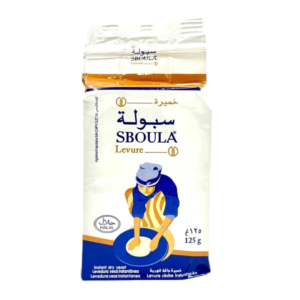
Many families add a pinch of yeast for extra tenderness, while others skip it. A small amount of Sboula instant dry yeast is plenty.
How to Make Msemen Step by Step
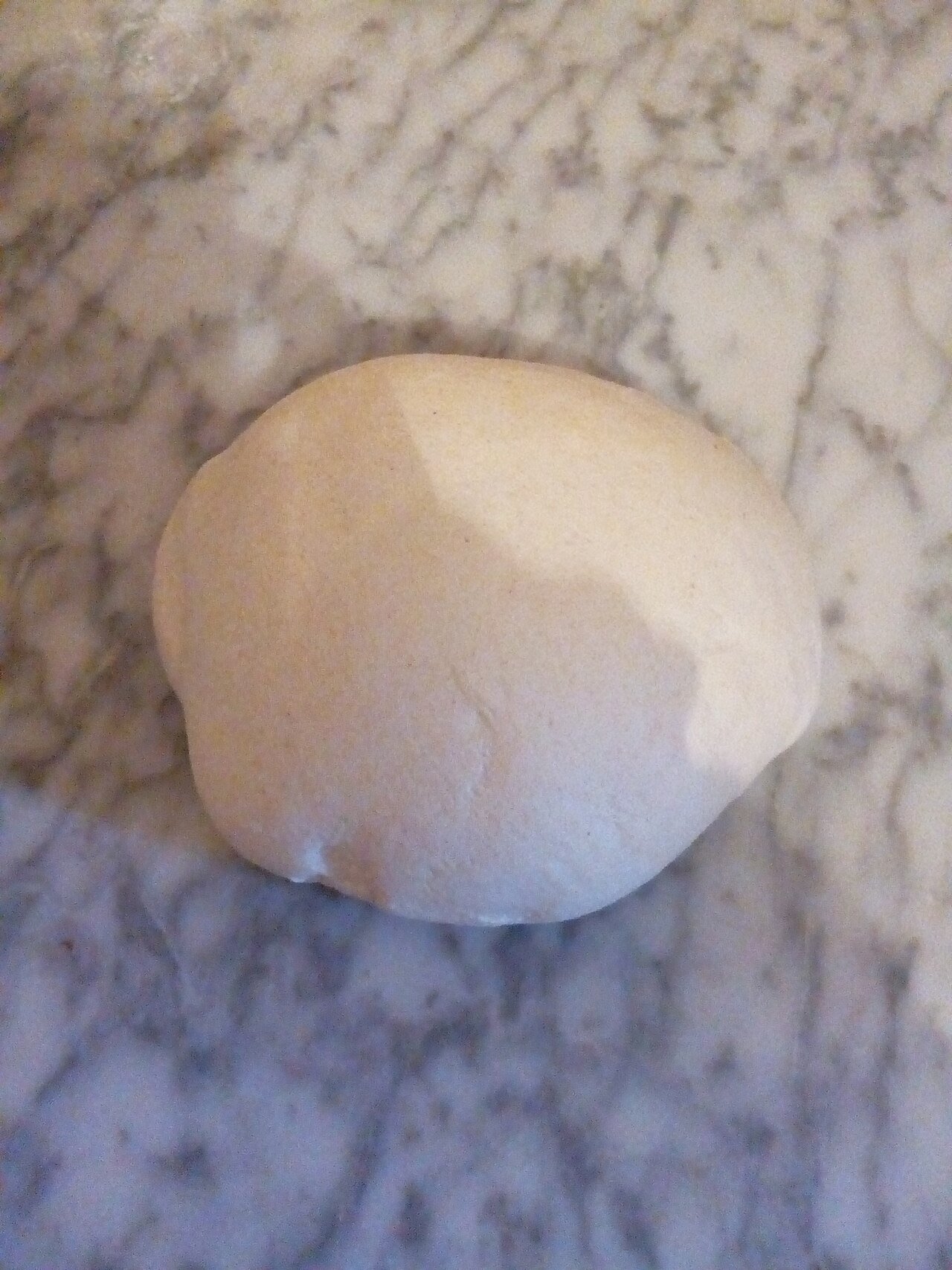
This recipe makes 12 squares of about 5 inches. Plan about 30 minutes of hands-on work, 25 minutes of resting and 25 minutes at the stove.
Dough
- 3 cups (375 g) all-purpose flour
- ½ cup (85 g) fine semolina
- 1 teaspoon salt
- 1 teaspoon sugar
- ½ teaspoon instant dry yeast (optional)
- About 1¼ cups (300 ml) warm water
For folding
- ½ cup (120 ml) neutral oil, such as sunflower or canola
- 4 tablespoons (55 g) very soft unsalted butter or smen
- ⅓ cup (55 g) fine semolina
You will need
- A large flat griddle or cast-iron skillet
- A wide, smooth work surface
- An oiled tray and a clean kitchen towel
Method
- Mix the dough. Combine flour, semolina, salt, sugar and yeast. Add warm water gradually and mix until a soft dough forms. Add a spoonful of water or flour if needed.
- Knead well. Knead for 8 to 10 minutes, by hand or with a stand mixer, until the dough is very smooth and elastic. This is what lets it stretch thin without tearing.
- Divide and rest. Oil your hands and pinch the dough into 12 smooth balls about the size of a small plum. Set them on an oiled tray, cover and rest for 15 minutes.
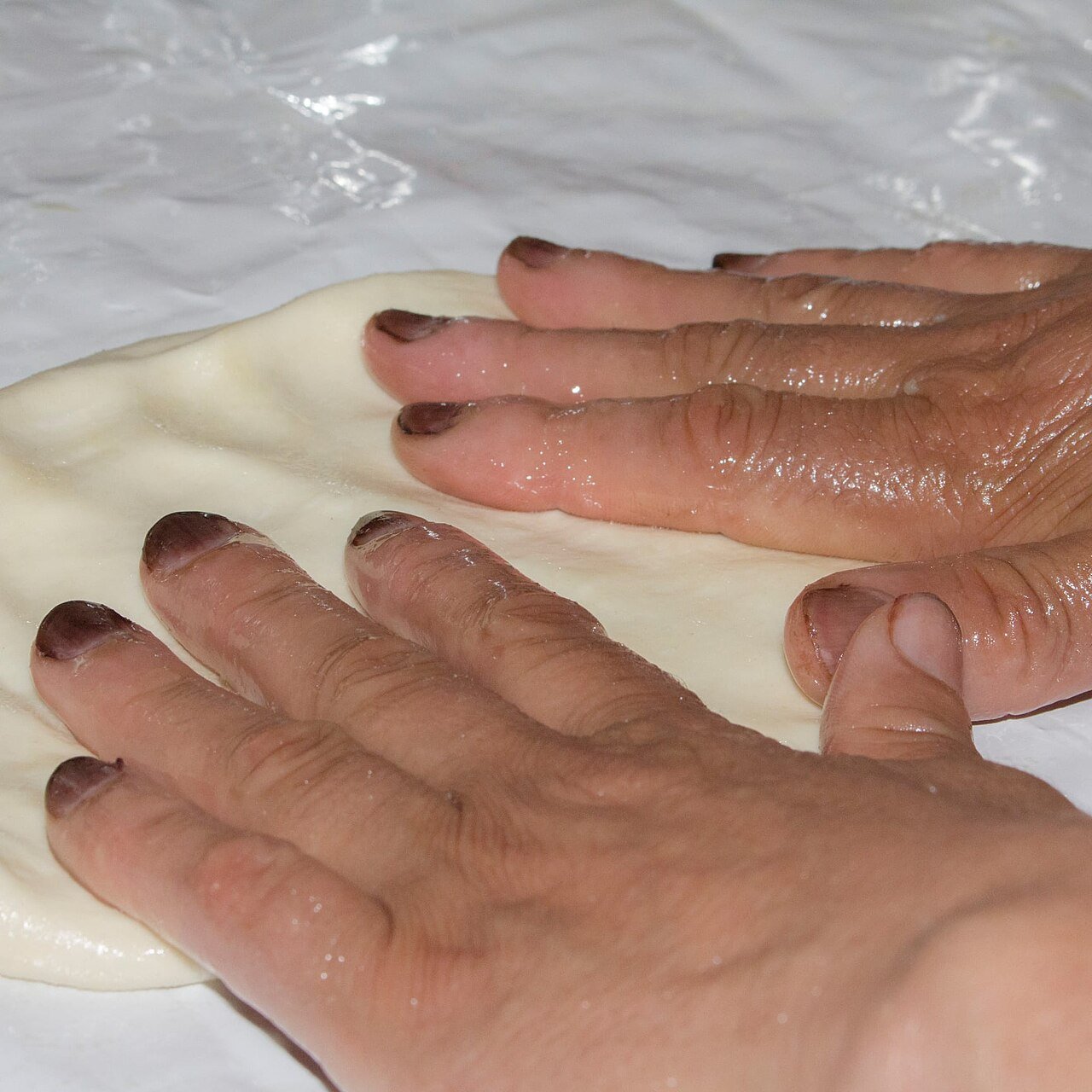
- Stretch paper thin. Oil the work surface. Flatten one ball, then spread it outward with oiled fingers until you can almost see through it. Small holes are fine.
- Butter, sprinkle and fold. Dot with butter and sprinkle with semolina. Fold the top and bottom thirds over the center to make a long strip, butter and sprinkle again, then fold the sides in to form a square.
- Rest again. Place the squares on the oiled tray, cover and rest for 10 minutes. Start with the first one you folded, so each has rested.
- Pat and cook. Heat the griddle over medium heat. Pat each square out to about 5 to 6 inches and cook for 4 to 6 minutes, turning several times, until golden and crisp on both sides.
Equipment that helps
A heavy cast-iron skillet or a flat griddle holds steady heat, which is the secret to even browning. Nonstick pans work, but the edges crisp less. A large marble, granite or laminate counter gives you room to stretch, and a bench scraper helps lift thin dough without tearing.
Plan your timing
If you want warm pancakes for breakfast, make the dough the night before, shape it into balls, coat them in oil and refrigerate in a covered container. Bring them back to room temperature for about 30 minutes before stretching. Cold dough is stiff and tears easily.
Stretching and Folding Msemen Like a Pro
The fold is what turns a plain dough into something special. When you stretch the dough very thin and layer it with fat, every fold creates more layers. A square folded twice holds around nine stacked sheets of dough.
Use oil, not flour, on the counter
Flour makes the dough stiff and tears it. A slick of oil lets it glide outward. Keep a small bowl of oil nearby and re-oil your hands often.
Stretch from the center
Press the ball flat, then work from the middle outward with your fingertips and palms, as if you were smoothing a sheet. Lift and pull the edges gently.
Keep the semolina light
A thin, even sprinkle is enough. Too much semolina makes the inside gritty and dry.
Mind the size
For 5-inch squares, the stretched circle should be about 12 to 14 inches across. Bigger is fine, the square just becomes thinner.
8 Fixes for Better Msemen
Most problems at home come down to dough texture, heat or resting time. These fixes cover the common ones.
Dough tears when stretched
It needs more kneading or more rest. Cover the balls and wait another 10 minutes, then try again.
Dough is sticky
Oil your hands rather than adding lots of flour. If it is truly wet, knead in a spoonful of flour at a time.
Burnt outside, raw inside
The pan is too hot. Lower to medium and turn the square more often.
Pale and tough
The pan is too cool. A drop of water should sizzle right away when it hits the surface.
Not flaky enough
Stretch thinner, use enough butter and fluff each square after cooking.
Too greasy
Use a dry or barely oiled pan. The fat inside the folds is usually enough.
Squares spring back
Let the folded squares rest a few more minutes so the gluten relaxes before you pat them out.
Batch goes stale fast
Stack cooked squares in a towel-lined basket to keep them soft, and freeze any you will not eat the same day.
Stuffed Msemen and Other Variations
Once you are comfortable with the plain version, try these favorites. They use the same dough and fold.
Onion and herb filling
Before the last fold, spread a spoonful of finely chopped onion, parsley, cilantro, a pinch of ground cumin and sweet paprika. Squeeze the onion dry first.
Spicy harissa filling
Stir a little Casablanca harissa into the onion filling for heat. A thin layer goes a long way.
Khlii filling
In Morocco, shredded khlii, a preserved spiced meat, is a classic filling. Finely chopped cooked beef or lamb with spices works as a substitute.
Honey-soaked squares
Dip hot squares in a warm mix of honey and melted butter. This is a favorite treat during Ramadan.
Meloui
The same dough is rolled into a rope, coiled like a snail and flattened, giving a round, spiral-layered bread.
Rghaif mlewi
Some cooks pull the stretched dough into thin strands, then gather them into a disk for an extra-airy texture.

Msemen Across North Africa
The basic idea is shared across the Maghreb, but each country has its own names and favorite ways to eat it.
Squares for breakfast and iftar
In Morocco the bread is usually square, served at breakfast and with afternoon tea, and piled high on the table at sunset in Ramadan. Street stalls sell it hot with honey or stuffed with onion and khlii.
Msemmen and mhadjeb
In Algeria, msemmen is a breakfast and coffee-time staple, while mhadjeb is stuffed with a cooked tomato and onion filling. Kabyle families have their own homestyle versions.
Mlewi
Tunisia is known for mlewi, a thin, layered griddle bread often wrapped around fillings such as tuna, egg, harissa and olives as a quick sandwich.
Msemen vs baghrir vs harcha
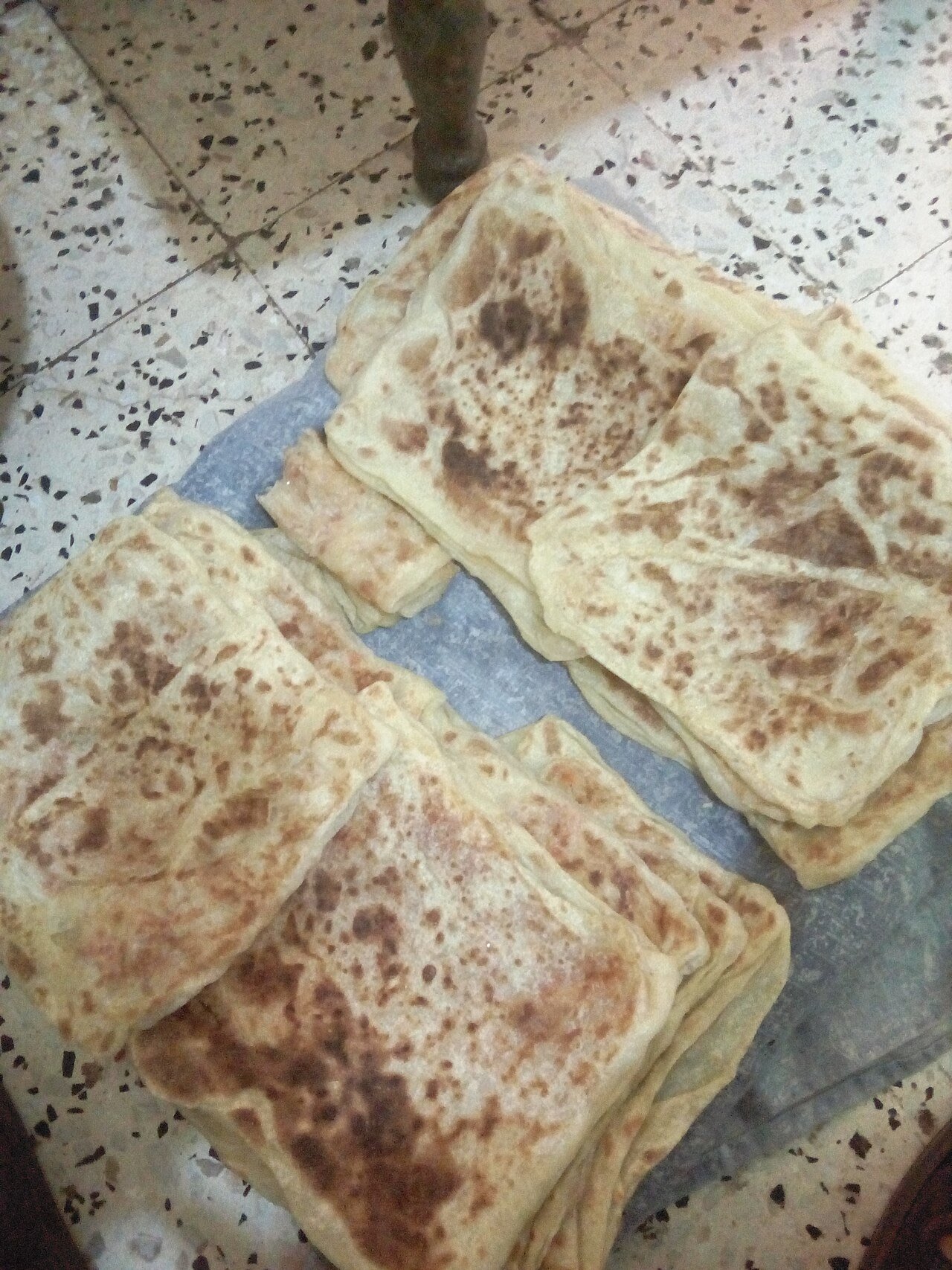
These three Moroccan breakfast breads are often confused. Msemen is folded and layered. Baghrir is a spongy, yeasted pancake with many tiny holes on top. Harcha is a crumbly semolina griddle bread, closer to a scone.
| Bread | Texture | Main grain |
|---|---|---|
| Msemen | Flaky, layered, crisp edges | Flour plus semolina |
| Baghrir | Spongy, full of holes | Semolina and flour batter |
| Harcha | Crumbly, buttery | Semolina |
| Meloui | Spiral, flaky | Flour plus semolina |
How to Serve Msemen
The squares are best eaten within minutes of leaving the pan. Tear it with your fingers and let the layers fall open.
Sweet toppings
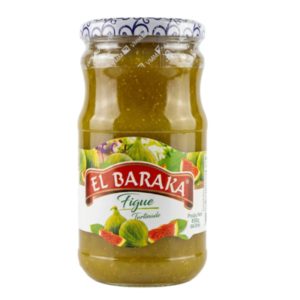
Honey is the classic choice. A thick, aromatic honey like Tayeb eucalyptus honey pairs well with salted butter. Fruit spreads such as El Baraka fig jam or Aïcha strawberry jam are favorites with children.
Savory toppings
Dip a warm square in good olive oil, such as Mina Moroccan extra virgin olive oil, and serve with olives, soft cheese or eggs. A fried egg on a crisp square makes a quick lunch.
The drink
Mint tea is the traditional partner. Brew a pot with Sultan Grain Ambar green tea and fresh mint, or serve it with coffee and milk as many Algerian families do.

Storing and Freezing Msemen
Msemen freezes very well, which is why many Moroccan families cook a big batch on the weekend. Let the squares cool completely, stack them with parchment paper between each one, then seal them in a freezer bag.
The USDA notes that food kept at 0°F stays safe indefinitely, though quality slowly declines, according to its freezing and food safety guide. For the best texture, enjoy frozen squares within about 2 to 3 months.
| Storage | How long | How to reheat |
|---|---|---|
| Room temperature, wrapped | Same day to overnight | Dry skillet, 1 minute per side |
| Refrigerator | 2 to 3 days | Skillet over medium-low heat |
| Freezer | Best within 2 to 3 months | From frozen in a skillet, or 350°F oven for 8 to 10 minutes |
| Uncooked folded squares | Freeze flat, then bag | Cook from frozen over medium heat, a little longer |
For a detailed traditional take on the technique, the recipe at Taste of Maroc is a helpful reference from a Morocco-based cook.
Best Msemen Pantry Picks to Buy in the USA
You will find flour, semolina and butter at any supermarket. These North African staples make your pancakes and everything served with it taste like home.


 Perfect pairingSultan Grain Ambar No.16
Gunpowder green tea for the mint tea that goes with it.
Shop now
Stocking up for Ramadan or a weekend brunch? Add a few extras to your cart and check our shipping policy for delivery times to your state.
Msemen FAQs
What is msemen made of?
Msemen is made from all-purpose flour, a little fine semolina, salt, water and sometimes a pinch of yeast or sugar. The dough is stretched thin and folded with butter, oil and more semolina to create flaky layers.
Is msemen the same as rghaif?
Rghaif is a broader Moroccan name for folded, griddle-cooked breads, and many people use it for msemen. Some families use rghaif for the round or strand-style versions and msemen for the square ones.
Why is my msemen not flaky?
Usually the dough was not stretched thin enough, there was too little fat between the layers or the squares were not fluffed after cooking. Stretch until almost see-through, use enough butter and push the edges together gently once cooked.
Can I make msemen without semolina?
Yes. You can use only all-purpose flour in the dough and sprinkle a little flour or fine cornmeal between the layers. The texture will be slightly softer and less crisp than the traditional version.
Can I freeze msemen?
Yes. Cool the squares completely, stack them with parchment between each, and freeze in a sealed bag. For the best texture, use them within about 2 to 3 months and reheat from frozen in a dry skillet.
What do you eat msemen with?
Classic pairings are honey and butter, olive oil, jam, soft cheese or eggs, with mint tea or coffee. Savory stuffed versions with onion, herbs, spices or khlii are eaten on their own as a snack.
What is the difference between msemen and meloui?
Both use the same layered dough. Msemen is folded into a square, while meloui is rolled into a rope, coiled into a spiral and flattened into a round.
Further reading: Msemmen (Wikipedia) · Taste of Maroc: Msemen recipe · USDA: Freezing and Food Safety
Start Your Msemen Breakfast This Weekend
Honey, jams, olive oil, tea and spices for a true Moroccan breakfast, delivered anywhere in the USA.
Shop Baking Essentials Shop All Products