Moroccan Tea Set Teapot, Glasses and Tray Explained
Everything you need to choose, use and care for a traditional Moroccan tea set at home, from the berrad teapot and decorated glasses to the round siniya tray.
A Moroccan tea set is the group of pieces used to brew and serve mint tea: a metal teapot called a berrad, small tea glasses, and a round metal tray called a siniya. Fuller sets add small boxes for tea, sugar and mint, and a kettle for boiling water. For home use, choose a stovetop-safe teapot of about 24 to 34 oz, six thick-based glasses and a tray wide enough to hold them all.
Your Complete Tea Set Guide
Walk through any Moroccan souk and you will see them stacked high: gleaming teapots, rows of jewel-colored glasses and engraved trays that catch the light. A Moroccan tea set is more than kitchen gear. It is the centerpiece of hospitality in millions of homes, brought out for family, neighbors and guests.
If you are buying your first Moroccan tea set in the US, the choices can feel overwhelming. This guide explains what each piece does, where the design came from, how to pick a teapot and glasses that last, and how to keep them shining. Then fill your pot with green tea from our tea time collection.
Moroccan Tea Set at a Glance
What Is in a Moroccan Tea Set?
A basic Moroccan tea set has three parts. Everything else is a nice extra that makes the ritual smoother or more beautiful.
The berrad (teapot)
The heart of the set. A berrad is a metal pot with a rounded belly, a domed lid and a long, curved spout. Many have a small built-in strainer where the spout meets the body, which holds back leaves and mint as you pour.
The kisan (glasses)
Tea is served in small glasses rather than mugs. Each glass is called a kas, and the plural is kisan. They are short, slightly flared and often decorated with gold or colored patterns.
The siniya (tray)
A round tray, usually brass or silver-tone metal, holds the pot and glasses. It catches drips from the high pour and makes it easy to carry the whole service to guests.
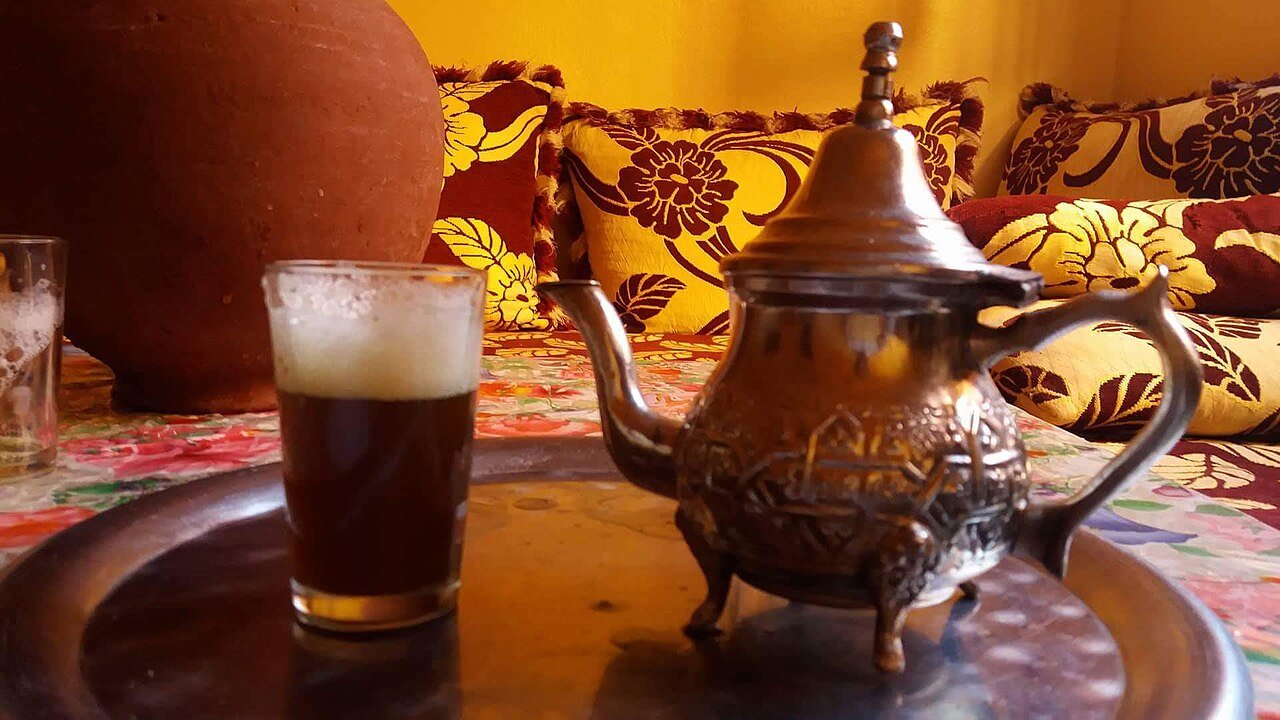
Every piece of a Moroccan tea set compared
| Piece | Local name | What it does | What to look for |
|---|---|---|---|
| Teapot | Berrad | Brews and pours the tea | Stovetop-safe base, tight lid, built-in strainer |
| Glasses | Kas / kisan | Serve small rounds | Thick base, heat-resistant glass, decoration below the rim |
| Tray | Siniya | Holds the service and catches drips | Wide enough for pot plus 6 glasses, raised edge or feet |
| Storage boxes | Often a set of three | Keep tea, sugar and mint at hand | Tight-fitting lids, matching finish |
| Kettle | Any style | Boils water for the pot | Holds at least 1 quart |
Where the Moroccan Tea Set Design Came From
Tea itself came to Morocco through trade with Britain, spreading from the royal court to cities and then across the country, as described in the Wikipedia article on Maghrebi mint tea. The equipment followed a similar path.
In the 19th century, English silverware shaped the look of the Moroccan tea set. An article from the City University of New York explains that a Moroccan merchant in Manchester worked with the silversmith Richard Wright to supply silver trays and tea services to Morocco.
The same article notes that the Moroccan word rayt, used for fine white metal, is said to come from Wright’s name. A siniya d-er-rayt is a tray of silver or silver-plated metal.
From British import to Moroccan craft
Over time, Moroccan metalworkers adopted the British shapes and made them their own, adding hand engraving, domed lids and decorative finials. According to the same article, mechanization and the disruption of European exports during the Second World War helped blur the foreign origins of these pieces. Today the Moroccan tea set is seen as a fully Moroccan object, made in workshops across the country.
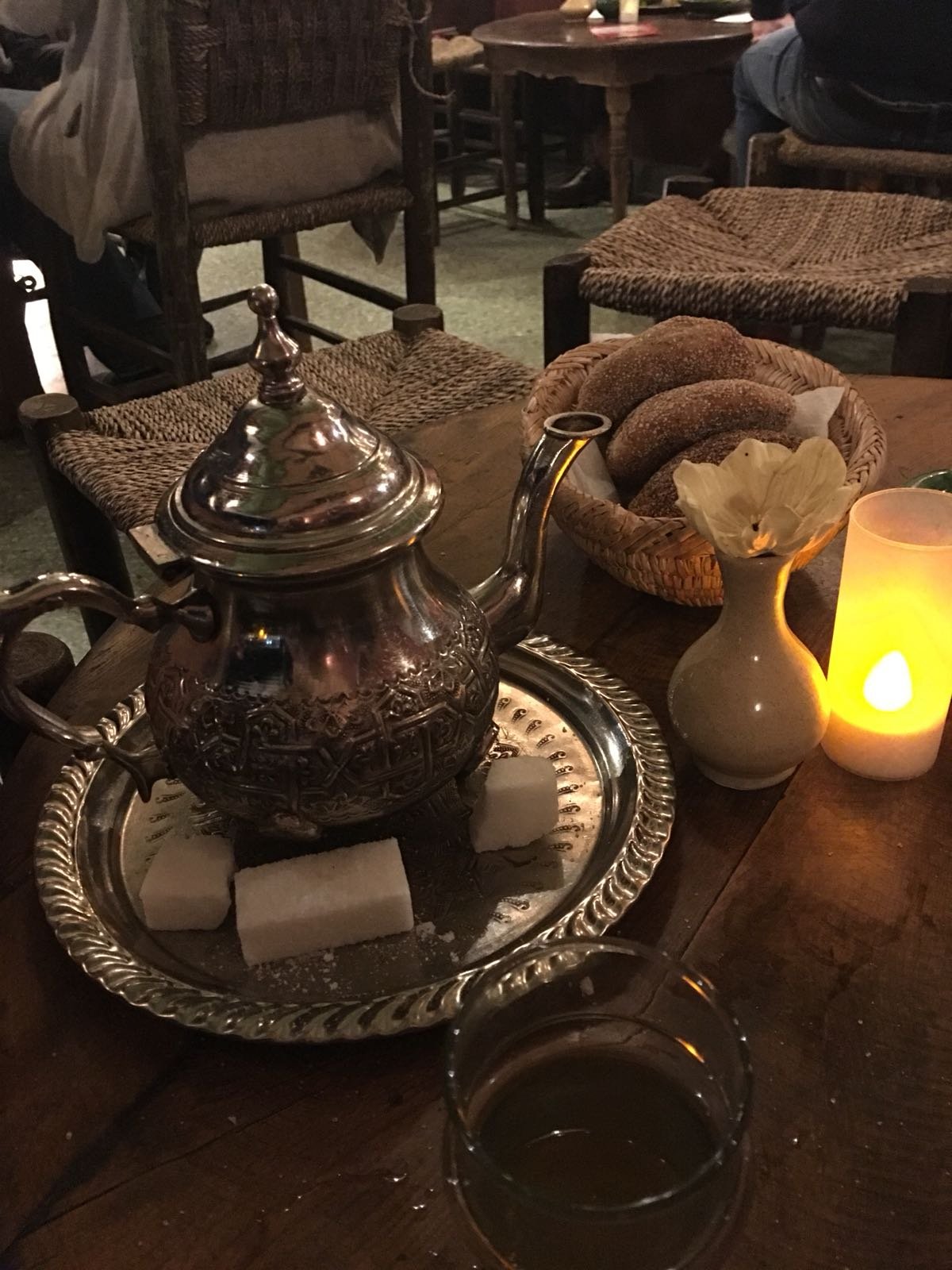
How to Choose the Teapot
The teapot is the piece you will use most, so spend most of your budget here. Traditional Moroccan mint tea is briefly heated on the stove after the pot is filled, so the berrad must handle direct heat.
Material
Most modern teapots are stainless steel, or brass and other alloys plated with silver or nickel. Stainless steel is the most durable everyday choice. Plated pots look stunning but the finish can wear with heavy use, so check the maker’s guidance on stovetop use.
Size
Sizes are often listed in ounces or liters. A small pot of about 12 to 20 oz pours 3 to 5 small glasses; a 24 to 34 oz pot serves roughly 6 to 8; larger pots suit big gatherings.
Details that matter
Look for a lid that sits firmly, a spout that pours in a clean stream without dripping, and a handle that stays cool enough to hold with a cloth. A built-in strainer saves you from fishing leaves out of glasses.
If you cook on induction, check that the base is induction-compatible; many traditional pots are not.
How to Choose Moroccan Tea Glasses
Glasses give a Moroccan tea set its color and personality. They come plain, etched, painted with gold patterns or in bright tints from ruby red to emerald green.
Size and shape
Most tea glasses hold about 3 to 6 oz. The small size keeps tea hot and makes several rounds feel generous. A thick base and slightly flared rim make a hot glass easier to hold by the top edge.
Heat resistance
Tea is poured very hot, so choose sturdy glass. Warm thin glasses with hot water first so they do not crack from the sudden change in temperature.
Decorated glasses and safety
Painted glasses are beautiful, but Consumer Reports has warned that some painted drinking glasses tested abroad contained lead or cadmium in the decoration. Its advice: favor glasses whose decoration stays below the lip area, hand-wash them, skip chipped or faded pieces, and keep heavily painted ones for display.

| Glass style | Best for | Keep in mind |
|---|---|---|
| Clear, plain | Everyday use, showing off the tea’s color | Easiest to clean and most durable |
| Etched or embossed | Guests, a classic look without paint | Pattern is in the glass itself |
| Gold-painted rim band | Special occasions | Hand wash; prefer decoration below the lip |
| Colored tinted glass | A bright, festive tray | Check it is food-safe and heat-resistant |
Trays, Boxes and Moroccan Tea Set Extras
Once you have the teapot and glasses, the tray and a few small extras turn a simple pot of tea into a full Moroccan tea set service.
The starter set
A stainless steel pot of about 24 oz, six clear glasses and a plain round tray. Durable, easy to clean and perfect for daily tea after meals.
The hosting set
A larger engraved pot, eight to twelve decorated glasses, an engraved siniya and matching boxes for tea, sugar and mint.
The gift set
A small pot with two to four glasses on a mini tray, paired with a pack of green tea. A lovely wedding, Eid or housewarming present.
Choosing the siniya
Measure before you buy: the tray should hold the teapot plus all your glasses without crowding. Trays of about 12 to 14 inches suit a small set, while hosting trays can be much larger. A raised rim keeps drips contained, and small feet protect your table from heat.
Storage boxes and kettle
Many sets include a group of lidded boxes for loose tea, sugar and dried mint, such as Tayeb dried mint leaves or herbs from our Moroccan herbs range. They keep everything on the tray, ready for the next pot. Add a kettle that holds at least a quart so you can refill the berrad quickly.
Optional touches
Some families add a small dish of nuts or cookies, a cloth for holding the hot handle, and a bowl of fresh mint. For sweets that suit the tray, browse our Moroccan biscuits.
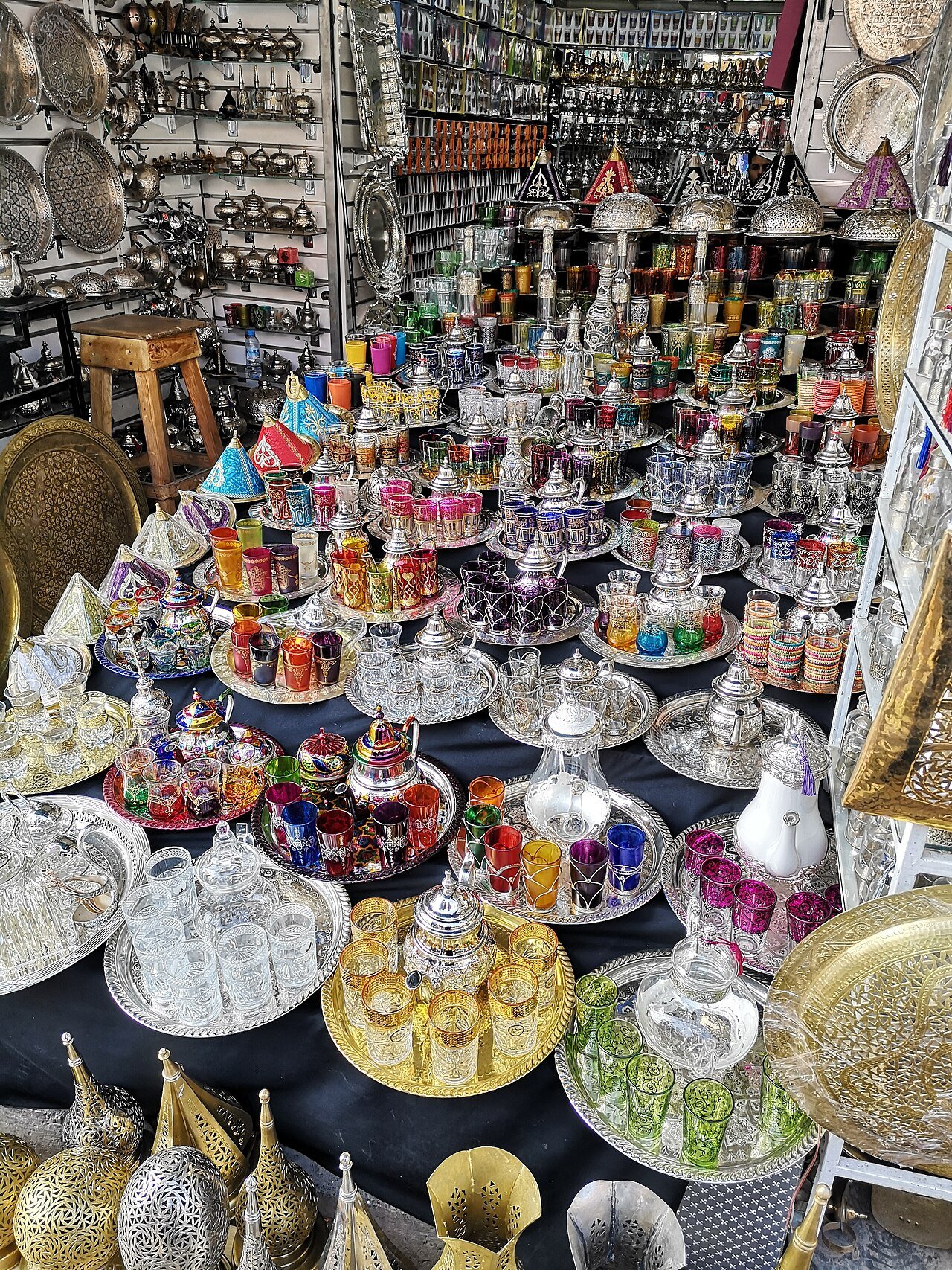
8-Point Moroccan Tea Set Buying Checklist
Run through this list in a shop or when reading an online listing. It separates a Moroccan tea set you will use for years from one that only looks good in photos.
Confirm stovetop use
The listing should say the teapot can go on a gas or electric burner. Avoid pots marked decorative only.
Feel the heft
A heavier pot usually means thicker metal that holds heat and resists dents.
Test the lid
It should sit snugly and stay put when you tilt the pot to pour.
Check the pour
A long, smooth spout gives the clean, high stream the ritual is known for.
Look inside
A built-in strainer at the spout keeps leaves and mint out of glasses.
Know the metal
Stainless steel for low upkeep; silver or nickel plate for shine with gentle care.
Count your guests
Buy at least six glasses, plus spares, since glasses are the piece that breaks most.
Read care notes
Hand-wash-only pieces are normal. Skip sets with no care or material information at all.
How to Clean and Care for a Moroccan Tea Set
A well-kept Moroccan tea set can last for decades. The secret is gentle washing and drying everything straight away so water spots and tarnish never build up.
Before the first use
Wash the teapot with warm soapy water, rinse well, then fill it with water, bring it to a boil and pour it away. This removes any manufacturing residue and dust from storage.
| Task | How often | How to do it |
|---|---|---|
| Empty and rinse the pot | After every use | Discard leaves and mint, rinse with hot water, dry the outside with a soft cloth |
| Clean the strainer | Weekly | Use a small bottle brush to clear leaves from the spout holes |
| Remove tea stains | Monthly or as needed | Soak inside with hot water and a spoonful of baking soda, then rinse well |
| Descale hard-water deposits | Every few months | Fill with equal parts white vinegar and water, let sit for an hour, rinse thoroughly |
| Polish plated metal | When it dulls | Use a gentle silver polish or cloth; avoid scouring pads that strip the plating |
| Wash glasses and tray | After every use | Hand wash in warm soapy water, dry with a lint-free towel |
Storing your set
Store the teapot with the lid slightly open so it can air out and never smells stale. Keep glasses upright on a shelf or in a box with dividers. Wrap plated pieces in a soft cloth if you only bring them out for guests.
Setting the Tray and Brewing the First Pot
Once your Moroccan tea set arrives, give it a proper first outing. Here is the classic layout and a short version of the brewing routine.
How to lay out the tray
- Place the teapot at the back or center of the siniya.
- Arrange glasses in a neat row or circle in front of it.
- Keep tea, sugar and mint boxes to one side, or on a second tray.
- Have a kettle of boiling water and a cloth for the handle nearby.
The short brewing routine
Add about one heaping tablespoon of green tea to the berrad, rinse it with a little boiling water and discard the rinse. Add sugar and a big bunch of spearmint, fill with boiling water and heat gently for a few minutes. Pour a glass and return it to the pot a few times to mix, then serve from a height.
Traditionally, the host serves several rounds. As the Peace Corps notes in its guide from volunteers in Morocco, the high pour is what gives each glass its light foam.

What to Brew in Your Moroccan Tea Set
A beautiful Moroccan tea set deserves the right tea and sugar. These North African favorites ship to all 50 states.



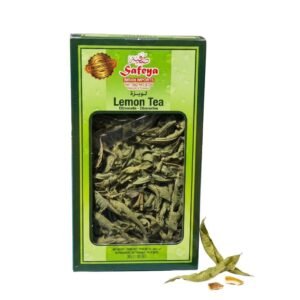
Want a floral pot? Try Sultan Jasmine N°25, sweeten with Tayeb eucalyptus honey, and check our shipping policy for delivery times.
Moroccan Tea Set FAQs
What comes in a Moroccan tea set?
A basic Moroccan tea set includes a metal teapot called a berrad, a set of small tea glasses and a round serving tray called a siniya. Larger sets add lidded boxes for tea, sugar and mint, and sometimes a kettle.
Can a Moroccan teapot go on the stove?
Most traditional teapots are made to be heated briefly on a gas or electric burner, because the classic recipe simmers the filled pot for a few minutes. Always check the product description, as some decorative pots are not meant for direct heat, and many do not work on induction.
What size Moroccan teapot should I buy?
For most homes, a pot of about 24 to 34 oz is the sweet spot, serving roughly 6 to 8 small glasses. A 12 to 20 oz pot suits one or two people, and larger pots are best for big gatherings.
Are painted Moroccan tea glasses safe?
Many are made for daily use, but Consumer Reports has warned that some painted glassware can contain lead or cadmium in the decoration. Choose glasses with decoration below the rim, hand wash them, and avoid chipped, faded or decoration-only pieces.
How do I clean a Moroccan teapot?
Empty and rinse it after each use and dry the outside with a soft cloth. Remove stains with hot water and baking soda, descale with diluted white vinegar, and polish plated metal gently with a silver cloth. Avoid scouring pads and the dishwasher for plated pieces.
Why do Moroccan teapots have such long spouts?
The long, curved spout makes it easier to pour tea from a height in a smooth stream. The high pour mixes the tea, cools it slightly and creates the light foam that hosts are proud of.
Is a Moroccan tea set a good gift?
Yes. A small pot with a few glasses on a mini tray, paired with a pack of green tea and sugar, is a popular gift for weddings, Eid and housewarmings, and it is useful as well as decorative.
Further reading: Why Moroccan teapots look British (CUNY) · Peace Corps: How to make Moroccan mint tea · Maghrebi mint tea (Wikipedia)
Fill Your Teapot Tonight
Authentic North African green teas, sugar and herbs for your tea set, delivered anywhere in the USA.
Shop Tea Time Shop All Products