Moroccan Herbal Tea Guide Shiba, Louiza, Mint and More
Meet the herbs Moroccans add to their teapot through the seasons, learn how to brew each one, and find out which blends to try first and how to use them safely.
Moroccan herbal tea means either green tea brewed with herbs such as mint, shiba (wormwood) or louiza (lemon verbena), or a caffeine-free infusion of those herbs on their own. Mint rules in warm months, while bitter shiba, marjoram and sage take over in winter. For an herb-only cup, steep 1 to 2 teaspoons of dried leaves in 8 oz of hot water for 5 to 7 minutes, and use strong herbs like wormwood only in small amounts.
Your Complete Herbal Tea Guide
Walk into any Moroccan spice market and you will see sacks of dried leaves, flowers and twigs waiting to go into a teapot. Moroccan herbal tea is a whole world beyond the famous mint tea. Families switch herbs with the seasons, mix them for flavor and reach for certain cups after a heavy meal or before bed.
This guide covers the herbs that matter most, how they taste, how much to use and how to brew them with or without green tea. You can find most of them dried in our Moroccan herbs collection, alongside green teas in tea time.
Moroccan Herbal Tea at a Glance
What Is Moroccan Herbal Tea? Two Traditions
When Moroccans talk about herbal tea, they can mean two different drinks. The first is atay, the everyday green tea, brewed with one or more herbs pushed into the pot. The second is a pure herbal infusion with no tea leaves at all.
1. Atay with herbs
Chinese green tea, sugar and fresh spearmint make the classic pot. Swap or add other herbs and the drink changes character: a sprig of shiba makes it bitter and warming, a few louiza leaves make it lemony. Because it contains green tea, this version has caffeine.
2. Herb-only infusions
For a caffeine-free cup, many families steep louiza, chamomile, sage or marjoram on their own, often in the evening. A splash of honey or a little sugar is common.
According to the Wikipedia entry on Maghrebi mint tea, warming herbs such as marjoram, sage, verbena and wormwood are added in the cold season, when fresh mint is harder to find.

10 Moroccan Herbal Tea Herbs to Know
These are the herbs you will see most often in Moroccan herbal tea, with their local names and how each one tastes in the glass.
Spearmint
Sweet, fresh and soft. The heart of everyday atay, best used fresh by the bunch.
Wormwood
Very bitter, silvery and aromatic. A winter favorite used by the pinch with mint and green tea.
Lemon verbena
Bright lemon scent with no sourness. Lovely alone at night or mixed with mint.
Marjoram
Sweet, floral and a little piney. Often added to the winter pot with shiba.
Sage
Warm, earthy and slightly camphor-like. A classic after a rich meal.
Moroccan oregano
A wild oregano (Origanum compactum) with a bold, peppery taste, used in tea and in cooking.
Thyme
Warm and savory. Brewed on cold days, sometimes with a spoon of honey.
Chamomile
Mild, apple-like and gentle. A popular evening Moroccan herbal tea on its own.
Lavender
Strongly floral. Use only a few buds, or the tea tastes soapy.
Pennyroyal
A strong, minty herb used in some homes in winter. It needs real caution; see the safety section below.
Shiba: The Bitter Heart of Moroccan Herbal Tea
Shiba is the Moroccan name for wormwood, usually tree wormwood (Artemisia arborescens) or common wormwood (Artemisia absinthium). Its gray-green leaves are feathery and soft, and they smell sharp and herbal even before they meet hot water.
In winter, when mint is scarce or less fragrant, families add shiba to the teapot or use it in place of mint. The result, often called atay b’shiba, is bitter, warming and very aromatic. Plenty of sugar balances it, which is why shiba tea is often sweeter than summer tea.
How much shiba to use
Less is more. For a standard Moroccan teapot, one small sprig of fresh shiba or about ½ teaspoon of dried leaves is plenty. Push it into the pot with the mint after rinsing the green tea, then heat gently for 2 to 3 minutes.
Taste before you add more. Too much shiba turns the whole pot harsh. Dried Safeya wormwood and Mazyana dried wormwood make it easy to keep a winter supply on hand.

Louiza and Mint: The Gentle Pair
If shiba is the bold winter herb, louiza and mint are the easygoing ones. Both are friendly to anyone new to Moroccan herbal tea, and they work well together.
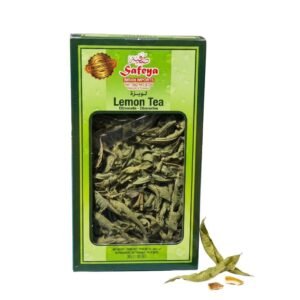
Lemon verbena
Louiza has a clean lemon perfume that many people love at night. Brew 1 to 2 teaspoons of dried leaves alone for a caffeine-free cup, or add 5 or 6 leaves to a pot of atay.
Spearmint
Fresh spearmint is always best, but dried mint is a good winter backup. Use about 1 tablespoon of dried leaves per pot instead of a fresh bunch.
Mint and louiza
Mixing the two gives a soft, layered Moroccan herbal tea. Try a 2 to 1 ratio of mint to louiza, with or without green tea.
Green tea for the classic pot
For the atay version, a rolled gunpowder tea such as Sultan Grain Ambar No.16 is a reliable base. Use about one heaping tablespoon per pot and rinse it once with boiling water before adding herbs and sugar.

Za’atar, Thyme and Sage in the Teapot
Morocco’s hills and mountains are rich in aromatic wild herbs. Several of them end up in Moroccan herbal tea, especially in rural homes and in the cold months.
Za’atar
In Morocco, za’atar usually means a wild oregano, Origanum compactum, rather than the Middle Eastern spice blend. It is brewed in small amounts for a peppery, warming Moroccan herbal tea and is also used in cooking. Dried Moroccan oregano gives a similar flavor.
Thyme
Thyme tea is a simple winter drink: 1 teaspoon of dried leaves, 8 oz of hot water and honey to taste. Safeya dried thyme works for both tea and tagines.
Sage
Salmiya is often served after a big meal. Use it alone or add 2 or 3 leaves to a pot of atay. Try Jadis dried sage or the larger Tayeb sage bag.
Marjoram
Merdedouch is softer than oregano, with a sweet, floral note. It pairs well with shiba in winter. Jadis marjoram comes in a resealable pouch.
Moroccan Herbal Tea by Season
Herb choice follows the weather and what grows nearby. This table is a general guide; every family has its own habits.
| Season | Typical herbs | Taste |
|---|---|---|
| Spring | Fresh mint, louiza, orange blossom | Fresh, floral and light |
| Summer | Fresh mint, louiza | Cool, sweet and lemony; also served iced |
| Autumn | Mint with za’atar, thyme or sage | Warmer and more savory |
| Winter | Shiba, marjoram, sage, dried mint | Bitter, warming and strongly aromatic |
| Evenings, any season | Louiza, chamomile, lavender (a few buds) | Soft and caffeine-free |

Why winter tea tastes so different
Fresh mint is a warm-weather crop. In colder months it is less fragrant and more expensive, so families lean on dried herbs and hardy plants like shiba. That is why a winter pot of Moroccan herbal tea can taste almost nothing like the summer version.
How to Brew Moroccan Herbal Tea Two Ways
Use the first method for a classic pot with green tea, and the second for a caffeine-free Moroccan herbal tea you can drink at night.
Method A: Atay with herbs (serves 6)
- 1 heaping tablespoon gunpowder green tea
- 1 bunch fresh mint, or 1 tablespoon dried mint
- Your herb: 1 small sprig shiba, or 5 to 6 louiza leaves, or 2 to 3 sage leaves, or ½ teaspoon marjoram
- 4 to 6 sugar cubes, to taste
- About 4 cups boiling water
- Rinse the tea. Put the tea in the pot, add ½ cup boiling water, swirl and pour it into a glass. Rinse again with a little water and discard.
- Build the pot. Return the first glass, then add sugar, mint and your chosen herb.
- Heat gently. Fill with boiling water and warm on low heat for 2 to 4 minutes. Do not boil hard.
- Mix and pour. Pour a glass and return it to the pot 2 or 3 times, taste, then serve.
Method B: Herb-only infusion (1 cup)
- 1 to 2 teaspoons dried louiza, chamomile, sage, thyme or marjoram
- 8 oz water just off the boil (about 200 to 212°F)
- Honey or sugar, optional
- A slice of lemon or a few drops of orange blossom water, optional
- Heat the water. Bring fresh water to a boil and let it rest a few seconds.
- Steep covered. Pour over the herbs, cover the cup to keep the aroma in and steep for 5 to 7 minutes.
- Strain and sweeten. Strain, then add honey once it cools slightly.
- Adjust. Too weak? Add more herb next time rather than steeping much longer, which can bring out bitterness.
6 Moroccan Herbal Tea Blends to Try
Start with one of these classic combinations, then adjust to your own taste.
Shiba and mint atay
Green tea, a fresh mint bunch and a small pinch of shiba, sweetened well. The classic cold-weather pot.
Louiza and chamomile
1 teaspoon each, steeped together. Caffeine-free, soft and lemony. Try Casablanca camomile.
Sage and mint
2 sage leaves with a handful of mint, with or without green tea. Earthy and refreshing.
Za’atar and thyme
A small pinch of each with honey. Savory and warming, good on rainy evenings.
Mint with orange blossom
Classic atay with 3 or 4 drops of orange blossom water in the pot for guests.
Herb blend box
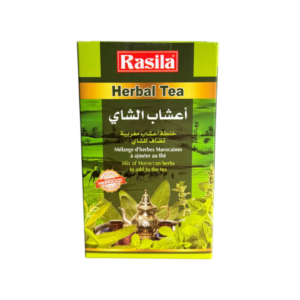
A ready-made mix like Rasila herbal tea takes the guesswork out. Add a small pinch to your green tea.
Moroccan Herbal Tea Safety and Health Notes
General information only, not medical advice. Herbs are natural, but that does not make every herb safe in any amount. Most Moroccan herbal tea habits use small quantities as a flavoring, which is the safest way to enjoy them.
Wormwood (shiba)
Wormwood contains thujone, which can be toxic to the nervous system in high doses. A European Medicines Agency assessment does not recommend wormwood during pregnancy or breastfeeding or for people under 18, and warns against people with liver or bile duct problems using it.
Pennyroyal (fliyou)
Pennyroyal oil is known to be dangerous and has caused serious liver damage. Even as a tea, many experts advise avoiding it, and it should never be used during pregnancy. We do not recommend it.
Chamomile and others
Chamomile is generally considered safe as a tea, though people allergic to ragweed or daisies may react, according to the National Center for Complementary and Integrative Health. Ask a health care provider before using any herb regularly if you take medication, are pregnant or have a health condition.

Buying and Storing Dried Herbs
Dried herbs lose aroma over time. These habits keep your Moroccan herbal tea fragrant for months.
Choose good color
Leaves should look green or gray-green, not brown or dusty.
Trust your nose
Rub a leaf between your fingers. A strong scent means fresh herbs.
Check the name
Local names vary. Look for the botanical name on the pack when in doubt.
Keep it airtight
Use jars or resealable bags away from light, heat and the stove.
Store tea apart
Keep strong herbs away from green tea, which absorbs smells easily.
Use within a year
Most dried herbs for Moroccan herbal tea taste best within 6 to 12 months of opening.
Prefer a milder lavender note? A few buds of Tayeb dried lavender go a long way. Check our shipping policy for delivery times across the USA.
Best Moroccan Herbal Tea Herbs to Buy in the USA
Six easy ways to build your own Moroccan herbal tea shelf, shipped to all 50 states.



Moroccan Herbal Tea FAQs
What herbs are in Moroccan herbal tea?
The most common are spearmint, shiba (wormwood), louiza (lemon verbena), marjoram, sage, za’atar (wild oregano), thyme and chamomile. They are brewed with green tea and sugar, or steeped on their own as a caffeine-free infusion.
Does Moroccan herbal tea have caffeine?
Only when it is brewed with green tea, as in classic atay. An infusion of herbs alone, such as louiza or chamomile, is naturally caffeine-free.
What is shiba tea?
Shiba tea is Moroccan green tea brewed with wormwood, usually in winter. It tastes bitter and strongly herbal, so it is used in small amounts and balanced with mint and sugar.
Is shiba (wormwood) tea safe?
Small amounts used as a flavoring are traditional, but wormwood contains thujone. European regulators do not recommend it during pregnancy or breastfeeding or for anyone under 18, and people with liver or bile problems should avoid it. Ask a health care provider if unsure.
How do I make a caffeine-free Moroccan herbal tea?
Steep 1 to 2 teaspoons of dried louiza, chamomile, sage or marjoram in 8 oz of water just off the boil for 5 to 7 minutes, covered. Strain and sweeten with honey or sugar if you like.
Can I use dried mint instead of fresh?
Yes. Use about 1 tablespoon of dried mint per teapot instead of a fresh bunch. The flavor is milder, so many people add a little louiza or marjoram for extra aroma.
Is za’atar in Moroccan tea the same as the za’atar spice blend?
Not usually. In Morocco, za’atar often refers to a wild oregano, Origanum compactum, used as a single herb. The Middle Eastern za’atar blend with sesame and sumac is a different product.
Further reading: Maghrebi mint tea (Wikipedia) · EMA: Wormwood assessment · NCCIH: Chamomile
Fill Your Teapot With Morocco
Shiba, louiza, mint, sage and more dried Moroccan herbs, delivered to your door anywhere in the USA.
Shop Moroccan Herbs Shop All Products