Moroccan Hammam at Home A Step-by-Step Spa Ritual
Create a Moroccan hammam at home with black soap, a kessa glove, ghassoul clay and argan oil. Here is the full routine, timing and aftercare.
To do a Moroccan hammam at home, steam up your bathroom with a warm shower, coat damp skin in black soap for 5 to 10 minutes, rinse, then scrub with a kessa glove. Follow with a ghassoul clay mask, rinse again and finish with argan oil and rose water. The whole ritual takes about 60 to 90 minutes and most people repeat it every one to two weeks.
Your Complete Home Hammam Guide
In Morocco, the neighborhood hammam is more than a place to wash. It is where friends catch up, mothers bring their daughters and brides are pampered before the wedding. A Moroccan hammam at home cannot copy the tiled domes and the gossip, but it can bring you the same deep clean and soft, glowing skin.
You do not need a steam room. A hot shower, a closed door and a few traditional products are enough. This guide walks you through each step of a Moroccan hammam at home in order, with timings, product tips for different skin types and safety notes. Everything you need is in our Moroccan black soap and Moroccan cosmetics collections.
Moroccan Hammam at Home at a Glance
What Is a Moroccan Hammam?
A hammam is a public steam bath. The Moroccan version descends from the Roman bathhouse, adapted over centuries to Islamic customs of cleanliness and to everyday city life. Many hammams were built close to mosques, and most neighborhoods in older cities still have one.
A classic hammam has a changing room and a row of rooms that grow hotter as you move inside: a cool room, a warm room and a hot room. There is no pool. Bathers sit on the warm tiled floor with buckets of hot and cold water, soften their skin in the steam and wash in stages.
One of the best-known examples is the Hammam Saffarin in Fez, a 14th-century bathhouse from the Marinid period that is still in use and has separate sections for men and women. Many Moroccans visit a hammam about once a week, often with family or friends.

Why recreate a Moroccan hammam at home?
Most Americans do not have a hammam down the street. The good news is that the core of the ritual is simple: heat, soap, scrub, clay and oil. Doing a Moroccan hammam at home lets you control the temperature, the pace and the products, and it turns an ordinary Sunday shower into real self-care.
Your Moroccan Hammam at Home Kit
You only need a handful of items for a Moroccan hammam at home. Most of them last for many sessions.
Moroccan black soap
Savon noir, or beldi soap, is a soft olive oil paste that melts on wet skin. A traditional jar like Terre d’Oleane Savon Noir is the heart of the ritual.
Kessa glove
A rough woven mitt that lifts away softened dead skin. Look for one at beauty supply stores or online; any firm exfoliating mitt works.
Ghassoul clay
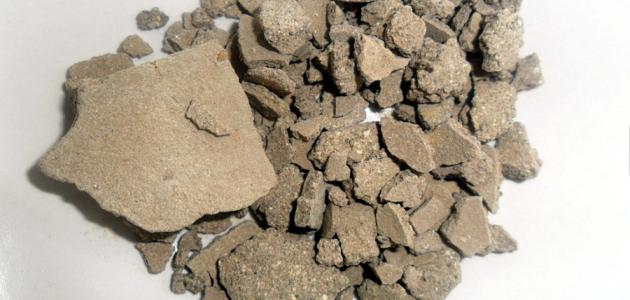
A mineral clay from the Atlas Mountains, mixed with water or rose water into a silky paste for skin and hair.
Argan oil
A few drops on damp skin seal in moisture. ITTO Pure Argan Oil is a cold-pressed favorite.
Rose water
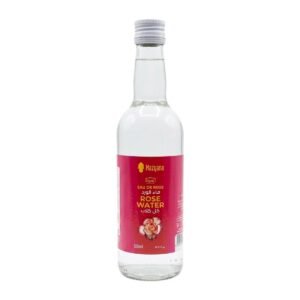
Use it to mix the clay and as a final spritz. Mazyana rose water comes in a generous bottle.
Towels and a stool
Two large towels, a small plastic stool for the shower and a bowl or jug for rinsing make the routine easier.
The kessa glove explained
The kessa (also written kees or kassa) is the tool that gives the hammam its famous results. After the black soap softens the outer layer of skin, a few firm strokes with the glove roll away gray flakes of dead skin.
For a Moroccan hammam at home, wet the glove before use, wrap it snugly around your hand and work in long, straight strokes. Rinse it well afterward and hang it to dry so it stays fresh between sessions.

Prepare the Space Before You Start
Before a Moroccan hammam at home, a little setup turns a regular bathroom into a calm, warm retreat. Give yourself at least an hour with no interruptions.
1. Warm the room
Close the door and window, and if your bathroom is cold, run the shower for a few minutes before you step in. A small space heater outside the wet area can help in winter, but never place electrical devices near water.
2. Lay out your products
Scoop about one tablespoon of black soap into a small bowl. Mix two to three tablespoons of ghassoul with rose water in another bowl (see the recipe below). Keep argan oil and a towel within reach outside the shower.
3. Set the mood
Dim the lights for your Moroccan hammam at home, play soft music and keep a glass of water nearby. Some people light a candle in a safe spot away from towels. In Morocco, a glass of tea often follows the hammam, so brew a pot from our tea time collection for afterward.
Moroccan Hammam at Home Step by Step
Follow these steps in order. Each one prepares the skin for the next, which is why a Moroccan hammam at home works best when you do not rush.
Open up with warm water
Take a warm, comfortable shower with the door closed for about 10 minutes. Let the steam build and your skin soften. Warm, not scalding, is the goal.
Apply black soap
Turn off the water. Spread a thin layer of black soap over damp skin from neck to feet, avoiding the eyes and any broken skin.
Let it work
Leave the soap on for 5 to 10 minutes. Sit on your stool, breathe and enjoy the warmth. This softens the outer layer of skin.
Rinse thoroughly
Rinse off every trace of soap with warm water. The skin should feel slippery and soft, not tight.
Use the kessa
With the glove damp, scrub one area at a time in long, firm but gentle strokes, starting at the feet and moving up. Rinse the glove often.
Wash away the flakes
Rinse your whole body again. You will often see rolled flakes of dead skin, a sign the soap and scrub worked.
Apply ghassoul
Smooth the clay paste over your body, face and, if you like, your hair. Leave it for 5 to 10 minutes, before it dries completely.
Rinse and shampoo
Rinse the clay with lukewarm water. Shampoo and condition your hair if you used clay on it.
Finish with cooler water
End with a short splash of cool water, as Moroccans do when they move back to the cool room. It feels refreshing after the heat.
Oil and rose water
Pat dry gently and, while skin is still damp, massage in a few drops of argan oil. Mist your face with rose water and rest for a while.
Ghassoul Clay Mask for Face, Body and Hair
This simple mask is the classic final cleanse of a Moroccan hammam at home. It makes enough for the face and body; double it for long hair.
Ingredients
- 3 tablespoons ghassoul clay powder or crushed pieces
- About 4 to 6 tablespoons rose water or warm water
- Optional: 3 to 5 drops argan oil for dry skin
- Optional: 1 teaspoon honey for a softer feel
You will need
- A glass or ceramic bowl (avoid metal)
- A wooden or plastic spoon
Method
- Hydrate the clay. Place the ghassoul in the bowl and pour over the rose water a little at a time.
- Rest. Leave it for 5 minutes so the clay absorbs the liquid. Pieces will soften and break down.
- Mix smooth. Stir into a creamy, yogurt-like paste. Add more liquid if it is too thick.
- Enrich if needed. Stir in argan oil or honey if your skin tends to be dry.
- Apply. Spread a thin, even layer on damp skin and hair, avoiding the eyes.
- Rinse. After 5 to 10 minutes, rinse with lukewarm water before the clay cracks.
No ghassoul on hand?
A black soap that already contains clay, such as Savon Noir with Ghassoul and Rose, combines cleansing and a gentle clay finish in one product. It is a practical shortcut for busy weeks.
Want a scent? Rose, eucalyptus and jasmine versions of black soap give the routine a different mood. Try rose black soap for a floral session or eucalyptus black soap for a fresh, spa-like feel.
Adapting Your Moroccan Hammam at Home to Your Skin
The traditional scrub can be intense. Adjust the pressure, timing and products to your skin type.
The full ritual
Follow every step, with the black soap on for up to 10 minutes and a firm kessa scrub. Clay helps absorb excess oil. Repeat weekly if your skin is happy.
Shorter and richer
Keep the shower warm, not hot, shorten the soap time to 5 minutes and add argan oil to the clay. Moisturize right away and space sessions every two weeks.
Gentle version
Patch test new products first, use very light strokes or a soft washcloth instead of the kessa, and skip the scrub on your face. Choose fragrance-light products.
What about the face?
Facial skin is thinner than the skin on your body. During a Moroccan hammam at home, skip the kessa on your face or use only the lightest touch, and keep black soap away from the eyes. A thin layer of ghassoul and a mist of rose water are usually enough for the face.
Brightening extras
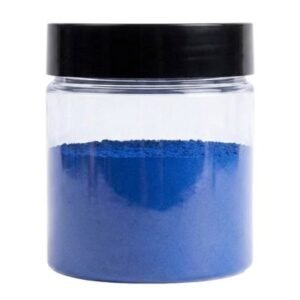
Some Moroccan women add nila, a blue plant-based powder, to their black soap for a brightening touch. Moroccan nila powder is popular for this, and scented soaps such as jasmine black soap make the ritual feel even more special. Results vary from person to person.
Moroccan Hammam at Home Aftercare and Safety
General information only, not medical advice. A Moroccan hammam at home combines heat and exfoliation, so a few precautions keep it comfortable and safe.
Be gentle with exfoliation
The American Academy of Dermatology advises gentle pressure, moisturizing right after exfoliating and avoiding exfoliation on cuts, wounds or sunburned skin. It also notes that aggressive scrubbing can cause dark spots on darker skin tones, and that people using retinoids or benzoyl peroxide may be more sensitive.
Watch the heat
Hot water can dry the skin. The AAD’s tips for dry skin recommend short, warm showers and applying moisturizer while skin is still damp. If you are pregnant, have a heart condition, low blood pressure or any medical condition, check with your doctor before long, hot sessions, and get out if you feel dizzy.
| Do | Avoid |
|---|---|
| Drink water before and after | Very hot water for long periods |
| Patch test new soaps and clays | Scrubbing irritated, sunburned or broken skin |
| Moisturize on damp skin | Shaving or waxing right before or after |
| Rest for a few minutes afterward | Strong sun exposure on freshly scrubbed skin |
| Space sessions 1 to 2 weeks apart | Daily kessa scrubs |

Common Mistakes to Avoid
Most disappointing results come from rushing or scrubbing too hard. Keep these points in mind for your next Moroccan hammam at home.
Scrubbing dry skin
The kessa only works on skin softened by steam and soap. Scrubbing dry or barely damp skin causes redness without lifting much dead skin.
Leaving the soap on too long
More is not better. Ten minutes is plenty; longer can leave sensitive skin irritated.
Pressing too hard
Firm strokes are fine, but your skin should feel tingly and fresh, not sore. If it turns bright red, ease up.
Letting the clay crack
Rinse the ghassoul while it is still slightly damp. Fully dried clay can feel tight and harder to wash off.
Skipping moisturizer
Freshly exfoliated skin loses water quickly. Oil or cream within a few minutes keeps the glow.

Best Hammam Products to Buy in the USA
Everything for a Moroccan hammam at home, shipped to all 50 states.
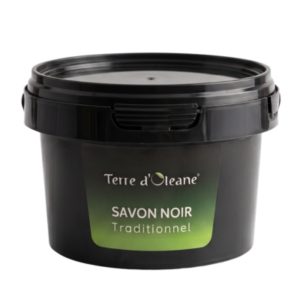 Best classic soapTerre d’Oleane Savon Noir
Traditional olive oil black soap for the first step.
Shop now
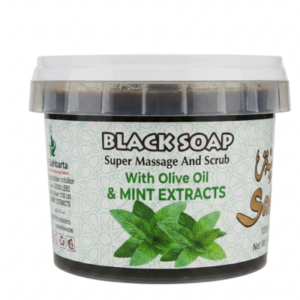
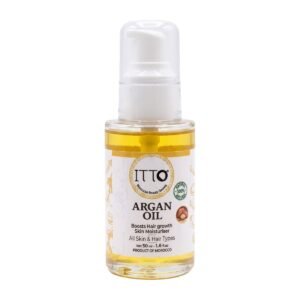
Prefer a different scent? Try argan oil with oud, browse all Moroccan argan oil, and see our shipping policy for delivery times.
Moroccan Hammam at Home FAQs
How do I do a Moroccan hammam at home without a steam room?
Run a warm shower with the bathroom door closed for about 10 minutes to build steam. Then apply black soap, rinse, scrub with a kessa glove, apply a ghassoul mask, rinse and finish with argan oil.
How often should I do a Moroccan hammam at home?
Most people do it every one to two weeks. People with dry or sensitive skin may prefer every two weeks or less, with lighter scrubbing.
How long should I leave black soap on my skin?
About 5 to 10 minutes is enough to soften the skin before scrubbing. Use the shorter time if your skin is dry or sensitive.
Can I use a kessa glove on my face?
It is best to skip the kessa on your face or use only a very light touch, because facial skin is thinner. A thin ghassoul mask and rose water are gentler options.
What can I use instead of a kessa glove?
Any firm exfoliating mitt or a rough washcloth can work. Use light strokes and stop if the skin becomes red or sore.
Is a Moroccan hammam at home safe during pregnancy?
Check with your doctor first. Long, hot sessions are not recommended for everyone, so keep the water warm rather than hot, keep sessions short and stop if you feel dizzy or unwell.
What should I do after a Moroccan hammam at home?
Moisturize while your skin is still damp, drink a glass of water, rest for a few minutes and avoid strong sun on freshly scrubbed skin.
Further reading: Hammam Saffarin (Wikipedia) · AAD: How to safely exfoliate at home · Morocco World News: The traditional Moroccan hammam
Plan Your First Home Hammam
Everything for a Moroccan hammam at home: black soap, argan oil and rose water, delivered to your door anywhere in the USA.
Shop Black Soap Shop All Products