Moroccan Coffee The Warm Spiced Cup of the Maghreb
What goes into spiced Moroccan coffee, how to blend and brew it at home, how coffee is ordered in a Moroccan café, and the regional twists from Algeria and Tunisia.
Moroccan coffee usually means a dark roast coffee brewed with warm spices such as cinnamon, ginger, nutmeg, cloves and black pepper, then sweetened and often softened with milk. Mix about 2 tablespoons of ground coffee with a pinch of each spice, brew it the way you normally do, and add sugar and hot milk to taste. In Moroccan cafés you will also find simple black coffee and nous-nous, a glass of half espresso and half milk.
Your Complete Spiced Coffee Guide
Mint tea may be the national drink, but Moroccan coffee has its own loyal following. At home, many families make a spiced version known as qahwa ma’atra, a dark, fragrant cup scented with cinnamon, ginger and cloves. In city cafés, coffee is short, strong and sweet, served in small glasses on busy terraces.
The best part is that Moroccan coffee is easy to make in any US kitchen. You need a good dark roast, a few spices from our Moroccan spices collection, some sugar and a little milk. This guide covers the blend, the brewing, the café vocabulary and what to serve alongside.
Moroccan Coffee at a Glance
What Is Moroccan Coffee and Where Does It Come From?
There is no single official recipe. The phrase Moroccan coffee covers two things: the spiced coffee many families brew at home, and the plain café coffee served across the country. Both start with a dark roast and both are usually served sweet.
The spiced home version is the one most people search for. It typically contains five or more warm spices, and every household has its own balance. Some like it mild and sweet with cinnamon in front. Others add black pepper and extra ginger for a cup that bites back.
Coffee is a newer arrival in Morocco than many people assume. According to a Tasting Table overview of spiced Moroccan coffee, coffee beans reached Morocco in the 18th century, and cafés spread widely in the 20th century during the French colonial period. Spiced coffee developed as a home tradition and is still rarely found on café menus.
Tea still rules daily life, but coffee has grown fast in cities, especially as a morning drink and an afternoon pick-me-up. Many Moroccans happily drink both: coffee to start the day, mint tea after lunch.
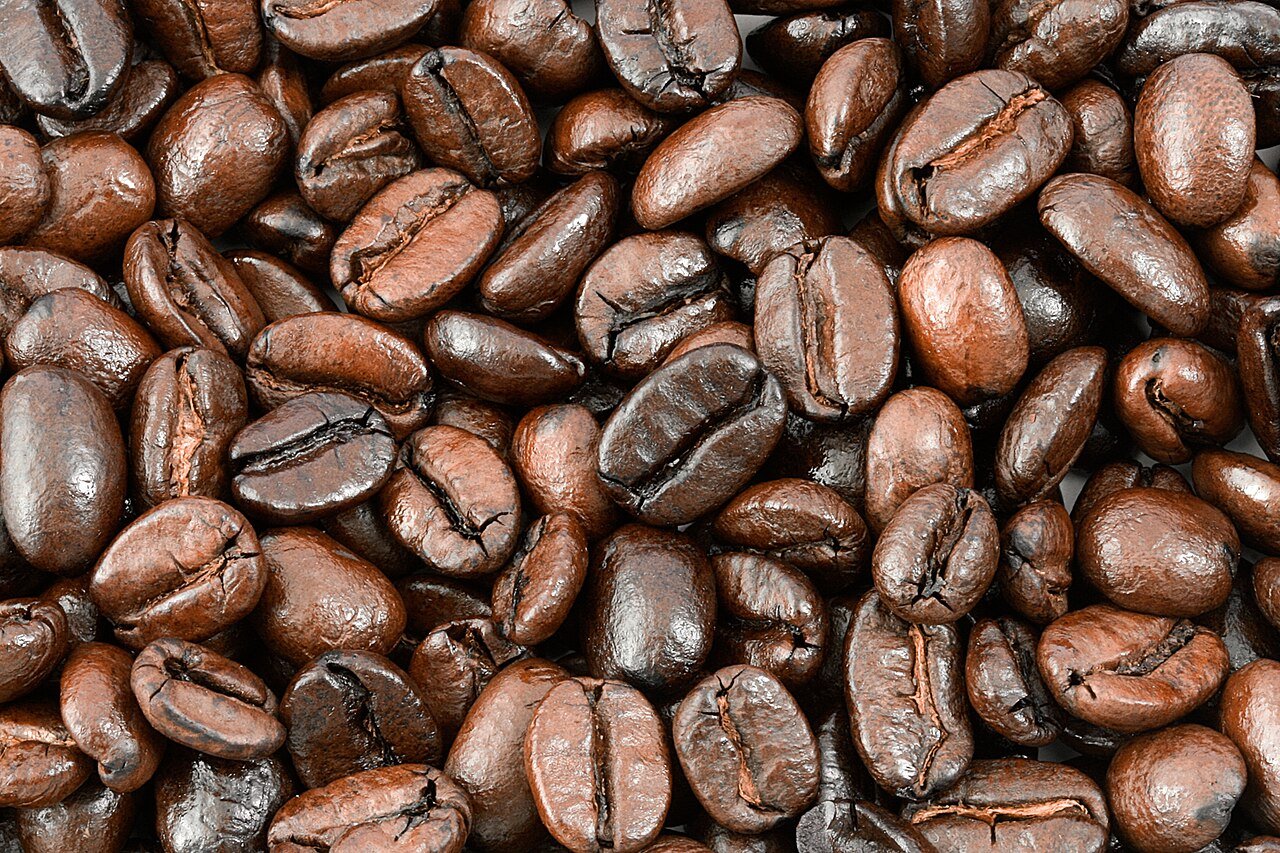
The Moroccan Coffee Spice Blend
The spices in Moroccan coffee overlap with the ones used in tagines and pastries, so you may already have most of them. Warm, sweet spices form the base, and one or two sharp ones add lift.
The core four
Cinnamon, ginger, nutmeg and cloves appear in most versions. Cinnamon brings sweetness, ginger brings warmth, nutmeg adds a soft, nutty depth and cloves give a strong, almost numbing aroma, so use them sparingly.
The supporting cast
Black pepper is common in bolder blends. Anise or fennel seeds add a gentle licorice note, and cardamom gives a floral lift. Some families toast a few sesame seeds with the coffee for a nutty finish, though that is a personal touch rather than a rule.
Our store does not sell cardamom, so if you love it, pick some up locally. Everything else is in our spice range, including cinnamon sticks, ground ginger and whole cloves.

What each spice does in Moroccan coffee
| Spice | Flavor it adds | Per 1/2 cup ground coffee | Shop |
|---|---|---|---|
| Cinnamon | Sweet, woody warmth | 1 teaspoon ground | Ground cinnamon |
| Ginger | Gentle heat, bright finish | 1 teaspoon ground | Ground ginger |
| Nutmeg | Soft, nutty depth | 1/2 teaspoon, freshly grated | Whole nutmeg |
| Cloves | Strong, sweet aroma | 1/4 to 1/2 teaspoon ground | Whole cloves |
| Black pepper | Sharp kick | 1/4 to 1/2 teaspoon | Whole black pepper |
| Anise | Light licorice note | 1/4 teaspoon | Ground anise |
| Cardamom | Floral, citrusy lift | 1/2 teaspoon | Buy locally |
How to Make Moroccan Coffee Step by Step
This Moroccan coffee recipe makes a small jar of spiced grounds, enough for about 6 to 8 mugs, plus the stovetop method many families use. Adjust the spices and sugar to taste.
Spice blend
- 1/2 cup dark roast coffee, finely ground (or whole beans to grind)
- 1 teaspoon ground cinnamon
- 1 teaspoon ground ginger
- 1/2 teaspoon freshly grated nutmeg
- 1/4 to 1/2 teaspoon ground cloves
- 1/4 teaspoon ground black pepper
- Optional: 1/4 teaspoon ground anise or 1/2 teaspoon cardamom
For each mug
- About 2 tablespoons spiced grounds
- 1 cup (8 oz) water
- 1 to 2 teaspoons sugar, or 1 to 2 sugar cubes
- 1/4 to 1/2 cup hot milk (optional)
Method
- Grind the spices. If you use whole spices, grind them in a spice grinder or mortar separately from the coffee so the flavors do not linger in your coffee grinder.
- Mix the blend. Stir the ground coffee and spices together in a bowl until the color is even. Taste a pinch: it should smell warm and sweet, not dusty.
- Store it. Spoon the blend into a small airtight jar. It tastes best within a week or two.
- Heat the water. For the stovetop method, add water and sugar to a small pot and bring it almost to a boil.
- Add the coffee. Take the pot off the heat, stir in the spiced grounds and return it to low heat for 2 to 3 minutes. Do not let it boil hard, or it will turn bitter.
- Rest and settle. Turn off the heat and let the pot sit for 1 to 2 minutes so the grounds sink to the bottom.
- Pour and finish. Pour slowly into cups or glasses, leaving the sediment behind, or strain through a fine sieve. Add hot milk if you like.
Six Ways to Brew Moroccan Coffee
The spiced grounds work in almost any brewer. Pick the method you already own; the blend does the heavy lifting.
Small stovetop pot
The traditional home method: coffee, spices, sugar and water heated together, then left to settle. Rich and full bodied.
French press
Use 2 tablespoons per 8 oz of water just off the boil and steep for 4 minutes. Press gently, and do not force the plunger all the way down into the grounds.
Drip machine
Add the spiced grounds to the filter as you would plain coffee. Use a paper filter to keep the fine spice dust out of the cup.
Moka pot
Fill the basket with the blend without tamping. You get a short, intense coffee that is perfect topped with hot milk.
Espresso machine
Spices can clog fine screens, so use only a light pinch in the basket, or brew plain espresso and stir a tiny pinch of cinnamon into the milk instead.
Instant coffee
Whisk 1 to 2 teaspoons of instant coffee with a small pinch of each spice and sugar, then add hot water and milk. Instant coffee is a common, affordable choice in Morocco.
How to Order in a Moroccan Café
Walk into a Moroccan café, often called a kahwa, and you will rarely see spiced coffee on the menu. Instead you will find a short list of simple, strong drinks, usually served with sugar on the side.
Café noir, or “normale”
A strong black coffee, essentially an espresso, served in a small cup or glass. It is the default order for many regulars.
Nous-nous (half-half)
Nous-nous means “half-half” in Darija, the Moroccan Arabic dialect. It is half espresso and half steamed milk, often served in a clear glass so you can see the layers. It is a favorite for people who want a softer cup.
Instant coffee
Nescafé is so common that many people use the brand name for instant coffee in general. It is mixed with sugar and milk at home, at work and in small shops.
A Morocco World News lifestyle guide notes that ordering a latte or cappuccino works in most cafés, but the local orders above are what you will hear at the counter.


Café etiquette in brief
- Sugar usually comes on the side, so taste before you sweeten.
- Cafés are places to linger. Nobody will rush you after one glass.
- A glass of water is often served with coffee.
- Mint tea is always on the menu if you want to switch later.
At home, hospitality matters most. Offering a drink is a basic part of being a good host, and turning one down can feel impolite, so accept at least a small cup of Moroccan coffee or tea when it is offered.
Coffee Across North Africa
Moroccan coffee has close cousins across the Maghreb. Each country leans on a different twist, and all of them are easy to try at home.
Spiced and sweet
At home, a dark roast brewed with cinnamon, ginger, nutmeg and cloves. In cafés, short black coffee or nous-nous in a glass.
A strong café habit
Algerian cities have a deep café culture. Coffee is often strong and sweet, and coffee with milk is a breakfast staple next to bread, msemen or cake.
Coffee with orange blossom
Tunisians often brew finely ground coffee in a small pot called a zezwa and add a few drops of orange blossom water, known as zhar.
Try the Tunisian orange blossom twist
Brew a small, strong pot of coffee, then add 2 or 3 drops of orange blossom water to each cup. Start with less than you think: the floral aroma is powerful. A Middle East Eye feature on Tunisian floral waters describes this habit as a family tradition.
The same trick works with Moroccan coffee. A drop of orange blossom water on top of a spiced cup with milk tastes like a festive pastry.

More ways to vary your cup
Honey instead of sugar
Stir in a spoon of Tayeb eucalyptus honey after brewing for a rounder sweetness.
Extra pepper
Double the black pepper or add a tiny pinch of cayenne for a cup with real heat.
Cinnamon only
For kids at heart or first-timers, skip the pepper and cloves and keep just cinnamon and a little ginger.
Iced spiced coffee
Brew double strength, sweeten while hot, cool and pour over ice with cold milk.
7 Tips for Better Moroccan Coffee
Most problems with homemade Moroccan coffee come from too much clove, boiling the pot or stale spices. These tips fix them.
Start with a dark roast
Light roasts get lost under the spices. A bold, dark roast gives the cup its backbone.
Go easy on cloves
Cloves are the strongest spice in the mix. Too much makes the cup taste medicinal, so add them last and taste.
Grind small batches
Ground coffee and ground spices lose aroma quickly. Make a jar you will finish in one or two weeks.
Never boil hard
A gentle simmer extracts flavor. A rolling boil pulls out bitterness and dulls the spices.
Sweeten in the pot
Sugar added with the water dissolves evenly and rounds out the spices. Enmer sugar cubes make portions easy.
Heat the milk separately
Warm milk until steaming but not boiling, then pour it in. Cold milk flattens the aroma.
Keep it airtight
Store the blend in a sealed jar away from heat and light, and away from your tea, which absorbs strong smells.
What to Serve With Moroccan Coffee
Like tea, Moroccan coffee is rarely served on its own. A small plate of something sweet or a full breakfast spread usually comes with it.
Breakfast
Coffee with milk sits naturally next to msemen, baghrir, bread with olive oil, honey, jam or soft cheese. A glass of fresh orange juice is a classic companion on weekend mornings.
Afternoon sweets
Almond cookies, gazelle horns and sesame cookies all suit spiced coffee. On busy days, store-bought treats are just as welcome. Soft Spofy madeleines and the wider range of Moroccan biscuits are easy pairings.
Dates and nuts
A few dates and a handful of almonds or walnuts balance the bitterness of a strong cup. Browse our Algerian dates for a naturally sweet partner.
Prefer tea after dinner? Many families switch to mint tea in the evening. Our tea time collection has the green teas and sugar for a classic pot.
Caffeine and Health Notes
General information only, not medical advice. Spiced Moroccan coffee contains the same caffeine as the coffee you brew it with. The spices add flavor, not caffeine. The amount in your cup depends on the coffee, the dose and the brewing method.
The US Food and Drug Administration estimates that an 8 oz cup of coffee has roughly 80 to 100 milligrams of caffeine, and cites 400 milligrams a day as an amount not generally linked to negative effects in healthy adults. People who are pregnant, nursing, sensitive to caffeine or taking medication should ask a health care provider.
The spices are used in small amounts, but people taking blood thinners or other medication may want to check with a doctor before drinking spiced coffee every day, since some spices are sometimes noted for possible interactions in larger doses.
| Question | Short answer |
|---|---|
| Is it caffeinated? | Yes, from the coffee. The spices are caffeine free. |
| Is it very sweet? | Home versions often are. You can cut or skip the sugar. |
| Decaf option? | Use the same blend with decaf dark roast. |
| Dairy-free? | Yes. Use oat or almond milk, or drink it black. |
Best Moroccan Coffee Essentials to Buy in the USA
We do not sell coffee beans or ground coffee, but we stock instant coffee and every key spice for the blend, shipped to all 50 states.


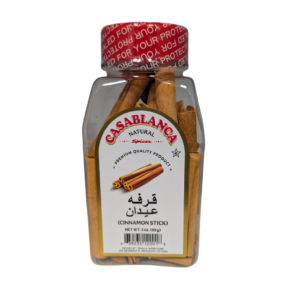


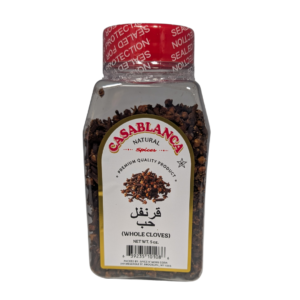
Planning a gift box? Add orange blossom water for the Tunisian twist and check our shipping policy for delivery times.
Moroccan Coffee FAQs
What spices are in Moroccan coffee?
Most home blends use cinnamon, ginger, nutmeg and cloves. Bolder versions add black pepper, and some families include anise, fennel or cardamom. Every household has its own balance, so there is no single correct mix.
How do you make Moroccan coffee at home?
Mix about half a cup of ground dark roast coffee with 1 teaspoon each of cinnamon and ginger, half a teaspoon of nutmeg and a little clove and black pepper. Use about 2 tablespoons of the blend per 8 oz of water, brew it on the stove or in your usual coffee maker, then add sugar and hot milk to taste.
Is Moroccan coffee the same as Turkish coffee?
No. Turkish coffee is a very fine, unfiltered coffee usually flavored only with sugar or sometimes cardamom. Spiced Moroccan coffee uses a blend of several warm spices and can be brewed in many ways, including drip and French press.
What is nous-nous coffee?
Nous-nous means half-half in Moroccan Arabic. It is a café drink made of half espresso and half steamed milk, often served in a clear glass. It is milder than a straight black coffee.
Can I make Moroccan coffee with instant coffee?
Yes. Whisk 1 to 2 teaspoons of instant coffee with a small pinch of each spice and some sugar, add hot water and top with warm milk. Instant coffee is common in Morocco, so this is a very authentic shortcut.
Does Moroccan coffee have more caffeine than regular coffee?
No. The spices do not add caffeine, so the caffeine depends only on the coffee you use and how much you brew. Use decaf dark roast if you want the same flavor without the caffeine.
How long does a homemade Moroccan coffee blend last?
Store it in an airtight jar away from heat and light and use it within one to two weeks for the best aroma. Ground coffee and ground spices both fade quickly, so small batches taste better.
Do Moroccans drink more tea or coffee?
Mint tea remains the most important drink in Moroccan daily life and hospitality. Coffee has grown popular in cities, especially in the morning, and many people happily drink both every day.
Further reading: Tasting Table: spiced Moroccan coffee · Morocco World News: ordering coffee · FDA: caffeine
Blend Your First Batch This Weekend
Cinnamon, ginger, nutmeg, cloves and instant coffee for spiced Moroccan coffee, delivered to your door anywhere in the USA.
Shop Moroccan Spices Shop All Products