Moroccan Breakfast Ideas Breads, Spreads and Mint Tea
What Moroccans really eat in the morning, from msemen and baghrir to bissara, cumin eggs and fresh orange juice, plus easy ways to build the spread at home in the USA.
A traditional Moroccan breakfast is a spread of bread or griddle breads like msemen and baghrir, served with olive oil, honey, butter, olives and fresh cheese, alongside sweet mint tea or coffee. Eggs fried with cumin, fresh orange juice and, in cold months, a bowl of bissara soup are also common. Weekdays are simple; weekends and holidays bring a bigger table.
Your Complete Moroccan Breakfast Guide
A Moroccan breakfast is less about one dish and more about a table to share. Warm bread, a little bowl of golden olive oil, a jar of honey, some olives and a pot of mint tea can turn an ordinary morning into a small celebration. Most of it takes minutes to set out.
Many families in the US recreate the same table with a few pantry staples from our Moroccan products collection. This guide explains what goes on the table, how the morning meal changes from weekday to weekend, and gives you ten easy ideas to try this week.
Moroccan Breakfast at a Glance
What Is on a Moroccan Breakfast Table?
Most mornings start with bread. Round khobz, baked at home or bought from the local bakery, is torn by hand and dipped into olive oil, honey or butter. A bowl of olives and a soft fresh cheese often sit nearby.
On slower days, the table fills up with griddle breads such as msemen and baghrir, a pot of mint tea and glasses of fresh orange juice. Cereal and toast are not traditional, although French-style baguettes and croissants are popular in cities.
Weekday vs weekend Moroccan breakfast
On a weekday, a Moroccan breakfast can be as simple as bread, olive oil and a glass of tea or coffee with milk. Friday and weekend mornings, family visits and holidays like Eid bring out homemade pancakes, several spreads, eggs and sometimes a savory soup.
Breakfast is also a time for hospitality. Guests who drop by in the morning are usually offered tea and something to eat, even if it is just bread, honey and olives.

Regional twists on the Moroccan breakfast
The basic Moroccan breakfast looks similar across the country, but local touches change the table. In the Souss region around Agadir, amlou and argan oil are morning favorites. In the north, around Chefchaouen and Tetouan, fresh goat cheese wrapped in palm leaves is a well-loved treat. In many homes, a bowl of hot barley or semolina soup is common on cold mornings.
Rural families often bake bread in clay ovens and eat it simply with butter, honey or dates. In big cities, a quick Moroccan breakfast at a café, with a coffee and a pastry, is part of the daily routine.
Moroccan Breakfast Breads and Pancakes
Bread is so central that many Moroccans treat it with real respect: it is never wasted, and leftover pieces are often toasted or reused. These are the breads you will meet most often.
Msemen, the flaky square
Msemen is a square, layered flatbread made from a soft dough of flour and fine semolina. The dough is stretched paper-thin, brushed with butter or oil, folded into a square and cooked on a griddle. It is eaten plain, with honey and butter, or stuffed with onions, herbs and spices.
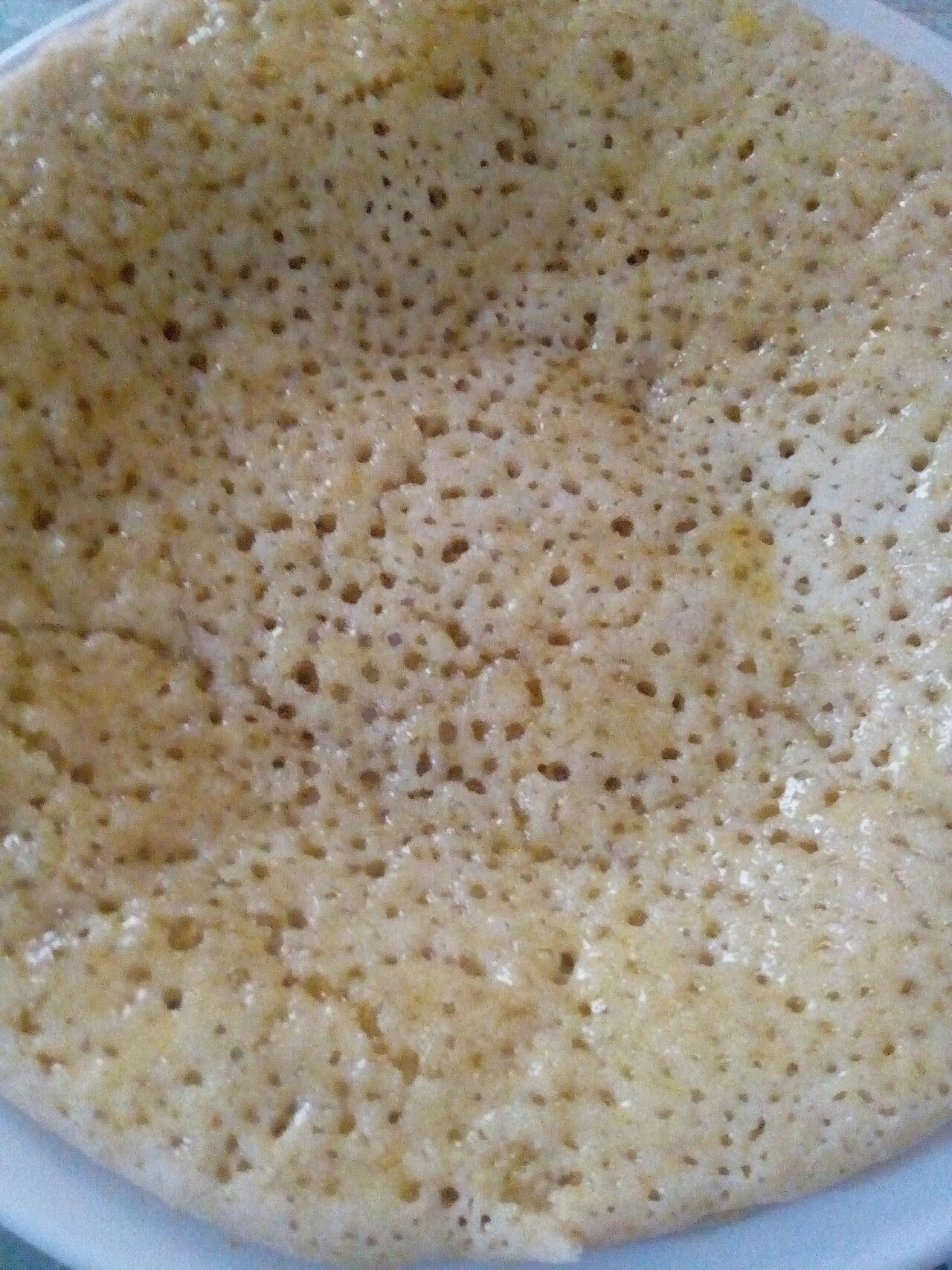
Baghrir, the pancake with a thousand holes
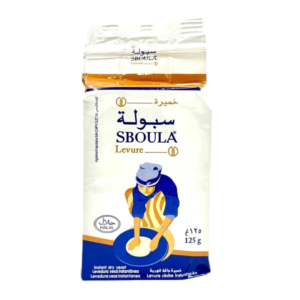
Baghrir is a soft semolina pancake leavened with yeast and baking powder and cooked on one side only. Hundreds of tiny holes form on top as it cooks, ready to soak up melted butter and honey. Instant yeast such as Sboula instant dry yeast makes the batter easy.

Khobz
The round, slightly flat bread found at every meal. Great torn and dipped in olive oil or honey.
Harcha
A thick, crumbly semolina griddle bread, a bit like a cross between cornbread and an English muffin.
Meloui
A round cousin of msemen, made by rolling the layered dough into a coil before flattening it.
Batbout
Small, soft pan-cooked breads that puff up like pita. Perfect for filling with eggs or cheese.
Rghaif with filling
Layered breads stuffed with onion, parsley, cumin and paprika, or with spiced ground meat.
Baguette and croissant
Common in city cafés, often served with butter, jam and a coffee with milk.
Spreads and Toppings for Bread
The toppings are what make a Moroccan breakfast feel generous. Set out three or four small bowls and let everyone mix sweet and savory as they like.
Olive oil and honey
Good olive oil is a breakfast staple. Pour it into a shallow bowl and dip bread straight in, or drizzle it over warm msemen. Honey is the classic partner, often warmed with butter for baghrir. Try a fruity oil like Mina Moroccan extra virgin olive oil with Tayeb eucalyptus honey.
Amlou
Amlou is a rich spread from southwest Morocco made with roasted almonds, honey and culinary argan oil. It is often called Moroccan nut butter. Note that culinary argan oil is pressed from roasted kernels and is different from the cosmetic oil used on skin and hair.
Jams, cheese and olives
Jams, especially strawberry, apricot and fig, are popular with butter and bread. A soft fresh cheese called jben, or wedges of processed cheese, adds a salty note. Oil-cured black olives complete the table.
| Topping | Taste | Best with | From our shelves |
|---|---|---|---|
| Extra virgin olive oil | Fruity, peppery | Khobz, msemen, harcha | Moroccan cooking oils |
| Honey with butter | Sweet, rich | Baghrir, msemen | Tayeb eucalyptus honey |
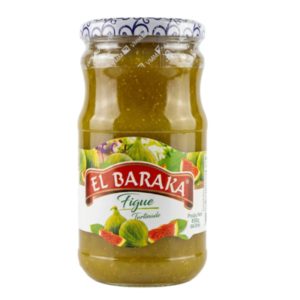
| Fig or strawberry jam | Fruity, sweet | Bread, harcha, croissants | El Baraka fig jam |
| Oil-cured olives | Salty, deep, slightly bitter | Bread, eggs, cheese | Olives and pickles |
| Fresh cheese (jben) | Mild, tangy | Bread with olive oil | Local Middle Eastern grocers |
| Amlou | Nutty, sweet, toasty | Bread, msemen, baghrir | Homemade or specialty shops |
Savory Moroccan Breakfast Dishes and Eggs
Not every Moroccan breakfast is sweet. Eggs, soups and preserved meat give the meal staying power, especially on cold mornings or before a long day of work.
Bissara
Bissara is a thick soup or dip of dried fava beans, sometimes with split peas, cooked with garlic and finished with olive oil, cumin and paprika. It is a winter favorite, sold from street stalls in the early morning and eaten with bread. The Wikipedia entry on bissara lists ancient Egypt as its origin and links the name to a Coptic word for cooked beans.
Eggs with khlii
Khlii (also spelled khlea) is beef or lamb that is seasoned, dried and preserved in fat. A spoonful in the pan with eggs makes a hearty, salty dish served with bread. If you cannot find it, eggs with cumin are a simple alternative.

Recipe: Moroccan cumin eggs (bid b’kamoun)
Ingredients (2 servings)
- 4 large eggs
- 2 tablespoons olive oil or 1 tablespoon butter
- 1/2 teaspoon ground cumin, plus extra to serve
- 1/4 teaspoon sweet paprika
- Salt and black pepper
- Optional: 1 chopped tomato, parsley or a pinch of chili
- Bread, olives and mint tea to serve
Method
- Heat the pan. Warm the oil in a small skillet or clay tagine over medium heat.
- Add the tomato. If using, cook the chopped tomato for 3 to 4 minutes until soft.
- Crack the eggs. Break the eggs into the pan and season with salt, pepper, cumin and paprika.
- Cook gently. Cover and cook for 3 to 5 minutes, until the whites are set and the yolks are as runny as you like.
- Serve hot. Dust with a little more cumin and eat straight from the pan with torn bread.
Use fresh, fragrant spices for the best flavor: Casablanca ground cumin and sweet paprika are the classic pair.
Tea, Coffee and Fresh Juice
Mint tea
Sweet mint tea, made with Chinese green tea, fresh spearmint and sugar, is the most iconic drink of a Moroccan breakfast. Many families keep the pot going all morning. A classic gunpowder tea such as Sultan Grain Ambar No.16 and Enmer sugar cubes give the traditional taste. Browse more in our tea time collection.
Coffee with milk
Coffee is just as common, especially in cities. In cafés, a popular order is nous-nous, meaning “half-half,” which is roughly equal parts espresso and steamed milk served in a glass. Some homes also brew coffee with warm spices like cinnamon and cardamom.
Fresh orange juice
Morocco grows a lot of citrus, and freshly squeezed orange juice is a breakfast favorite in homes, cafés and market stalls.


Street Food for Breakfast
Early mornings in Moroccan towns smell of frying dough and simmering beans. Workers and students often grab breakfast from a stall on the way to school or work.
Sfenj
Sfenj are light, chewy ring doughnuts made from a simple yeasted dough. Vendors stretch each ring by hand and drop it straight into hot oil, then thread the finished doughnuts on a palm frond or serve them with sugar or honey.
Bissara and harcha stalls
Small stalls ladle bowls of bissara with a drizzle of oil and a shake of cumin, served with bread. Others sell warm harcha and msemen straight from the griddle, sometimes with a smear of cheese or honey.
How breakfast differs across North Africa
Bread and pancakes
Msemen, baghrir and harcha with olive oil and honey, mint tea, and bissara on cold days.
Coffee and galette
Coffee with milk is very popular, served with semolina galette, msemen and dates.
Lablabi and bambalouni
Hearty chickpea soup and sugared doughnuts are favorite morning street foods.
10 Easy Moroccan Breakfast Ideas
These Moroccan breakfast ideas range from a two-minute snack to a full weekend brunch. Mix and match them through the week.
Bread, olive oil and olives
Warm bread, a bowl of olive oil for dipping and a handful of oil-cured olives. Simple and satisfying.
Honey and butter on toast
Melt butter and honey together and spoon over toasted bread or leftover msemen.
Cumin eggs in a pan
Fried eggs with cumin, paprika and tomato, eaten with bread straight from the skillet.
Baghrir with honey butter
Make the batter the night before, then cook the pancakes in the morning and pour over warm honey butter.
Msemen with jam and cheese
Flaky squares served with fig jam and a soft cheese for a sweet and salty bite.
Bissara with bread
A warming bowl of fava bean soup with olive oil and cumin. It reheats well, so make a big pot.
Harcha with fresh cheese
Semolina griddle breads split and filled with cheese or spread with jam.
Yogurt, dates and nuts
Plain yogurt topped with chopped dates, almonds and a drizzle of honey.
Nous-nous and a croissant
Half coffee, half hot milk in a glass, with a croissant or biscuits from our Moroccan biscuits range.
The full spread
Mint tea, orange juice, two breads, eggs, olives, cheese, honey, jam and olive oil. Perfect for a weekend brunch.
How to Build a Moroccan Breakfast Spread at Home
You do not need special equipment to host a Moroccan breakfast. A few small bowls, a teapot or kettle and a large tray are enough. The secret is variety: something warm, something sweet, something salty and something to drink.
A simple plan for 4 people
- Night before: make baghrir batter or msemen dough and refrigerate it; soak beans if you plan to make bissara.
- 30 minutes before: cook the breads and keep them warm under a clean towel.
- 15 minutes before: brew the mint tea and squeeze the oranges.
- Last 5 minutes: fry the eggs and pour olive oil and honey into small bowls.
Moroccan breakfast shopping list
| Pantry item | Why you need it | Tip |
|---|---|---|
| Green tea and sugar | For mint tea | Gunpowder or chunmee tea works best |
| Olive oil | Dipping and cooking | Pick extra virgin for dipping |
| Honey and jam | Sweet toppings | Warm honey with butter for pancakes |
| Olives | Salty side | Oil-cured black olives are traditional |
| Instant yeast | Baghrir, harcha, sfenj | Store sealed in a cool, dry place |
| Cumin and paprika | Eggs and bissara | Buy small amounts often for freshness |
| Fine semolina and flour | Breads and pancakes | Find them at most supermarkets |
Moroccan breakfast for kids and picky eaters
Children usually love a Moroccan breakfast because so much of it is bread with something sweet. Small baghrir with honey, msemen rolled around a little jam, or bread with butter and a glass of milk are easy wins. Offer mild, unspiced eggs and fresh fruit alongside, and save the strong mint tea for adults, since it contains caffeine from the green tea.
Turning it into brunch
A Moroccan breakfast also makes an impressive brunch for friends. Add one hot dish, such as a pan of cumin eggs with tomato or a shakshuka-style skillet, and one sweet bake, like baghrir or a tray of harcha. Put everything in the center so guests can share.
For more background on what Moroccans eat in the morning, this Tasting Table guide to breakfast in Morocco is a good read.
Best Moroccan Breakfast Essentials to Buy in the USA
Stock your pantry for an authentic morning table, delivered to all 50 states.



Browse all our North African groceries and see our shipping policy for delivery times.
Moroccan Breakfast FAQs
What do Moroccans eat for breakfast?
Most Moroccans eat bread or griddle breads such as msemen, baghrir and harcha with olive oil, honey, butter, jam, olives and fresh cheese. Eggs, bissara soup, mint tea, coffee with milk and fresh orange juice are also common.
Is a Moroccan breakfast sweet or savory?
Both. Sweet toppings like honey and jam sit next to salty olives, cheese, eggs and olive oil, and most people mix the two on the same plate.
What is the most popular Moroccan breakfast drink?
Sweet mint tea is the most iconic, but coffee with milk is just as common in many homes and cafés. Fresh orange juice is a favorite too.
What is msemen?
Msemen is a square, flaky flatbread made by stretching a soft dough very thin, brushing it with butter or oil, folding it and cooking it on a griddle. It is served plain, with honey or stuffed.
What is bissara and when is it eaten?
Bissara is a thick soup or dip of dried fava beans, sometimes with split peas, finished with olive oil, cumin and paprika. It is especially popular as a warming breakfast in winter.
Can I make a Moroccan breakfast with US grocery store ingredients?
Yes. Bread, eggs, olive oil, honey, jam, cumin, flour and semolina are easy to find. For mint tea, Moroccan olives and traditional spreads, a North African grocery helps you get the authentic taste.
Is a Moroccan breakfast healthy?
It can be balanced, with olive oil, eggs, beans and fruit juice, but griddle breads, honey and sweet tea add calories and sugar. This is general information only, not medical advice; adjust portions and sugar to your own needs.
Further reading: Tasting Table: Breakfast in Morocco · Bissara (Wikipedia) · Chowhound: Traditional Breakfast in Morocco
Set Your Breakfast Table the Moroccan Way
Olive oil, honey, olives, tea and more, shipped to your door anywhere in the USA.
Shop Moroccan Products Shop All Products