Moroccan Black Soap Guide The Beldi Soap Hammam Ritual at Home
What beldi soap is made of, how it differs from African black soap, the right way to use it with a kessa glove, which skin types it suits and how to buy a good jar in the USA.
Moroccan black soap is a soft, gel-like olive oil soap, called savon noir or beldi soap, that is used in the hammam to cleanse the skin and prepare it for exfoliation. You apply a small amount to damp, steamed skin, leave it on for about 5 to 10 minutes, rinse, and then scrub with a kessa glove to lift away dead skin. Finish with a moisturizer such as argan oil.
Your Complete Beldi Soap Guide
Walk into any neighborhood hammam in Morocco and you will see small tubs of dark, glossy paste on every bench. That paste is Moroccan black soap, and for generations it has been the first step of the weekly bath ritual. It looks like thick honey, smells faintly of olives and turns into a light, slippery lather on wet skin.
Moroccan black soap is simple to use once you know the steps, and it brings a real spa feeling to an ordinary shower. In this guide you will learn what it is made of, how to use it safely, how often to scrub and how to choose a jar from our Moroccan black soap collection, from classic unscented paste to eucalyptus, rose and argan blends.
Moroccan Black Soap at a Glance
What Is Moroccan Black Soap?
Moroccan black soap is a traditional soft soap made mainly from olive oil and macerated olives. In Morocco it is called sabon beldi, and in French-speaking shops it is sold as savon noir. The word beldi means “of the country” or traditional, the same word Moroccans use for homemade bread, farm eggs and old-style houses.
Unlike a hard bar, Moroccan black soap is a paste. You scoop a little with your fingers, spread it on wet skin and let it sit. Its main job is to soften the outer layer of the skin so that the kessa glove can remove dead cells easily in the next step.
The soap is part of a wider North African bathing culture. You will find similar olive soap pastes in Algerian and Tunisian markets, often sold by weight from large tubs. The Wikipedia entry on Moroccan black soap gives a short overview of its ingredients and hammam use.

How Moroccan Black Soap Is Made
All true soap is made by reacting fats or oils with an alkali, a process called saponification. Hard bar soaps are usually made with sodium hydroxide. Soft soaps such as Moroccan black soap are made with a potassium-based alkali, which is why the finished product stays soft and spreadable.
Traditional makers used olive oil and the dark pulp of crushed olives. The olives are what give the paste its deep color and its gel-like body. Many modern jars add other plant oils, essential oils, herbal extracts or clay for scent and texture.
What to look for on the label
A classic jar of Moroccan black soap has a short ingredient list: olive oil or olive pulp, water and potassium hydroxide (the alkali, which is used up in the reaction). Scented versions add things like eucalyptus oil, rose extract or argan oil. If you have sensitive skin, an unscented, traditional recipe is the safest place to start.

Common ingredients in Moroccan black soap
| Ingredient | Why it is there | Find it in |
|---|---|---|
| Olive oil and olive pulp | The base fat; gives color and a soft, rich lather | Terre d’Oleane Traditional |
| Potassium hydroxide | The alkali that turns oil into a soft soap | All true black soaps |
| Eucalyptus oil | Fresh, steamy scent that feels great in a hot shower | Eucalyptus blends |
| Argan oil | A Moroccan skin oil added for a more cushioned feel | Argan blends |
| Ghassoul clay | Mineral clay from the Atlas Mountains, used in the hammam | Savon Noir with Ghassoul |
| Flower extracts | Rose, jasmine or lavender for scent | Rose and jasmine blends |
Moroccan Black Soap vs African Black Soap
The two names sound alike, but they are very different products. Moroccan black soap comes from North Africa and is an olive-based paste. African black soap comes from West Africa, especially Ghana and Nigeria, and is traditionally made from the ash of plant materials such as plantain skins or cocoa pods, mixed with oils like palm kernel oil or shea butter.
African black soap is usually sold as a crumbly, dark brown bar. Moroccan black soap is sold in tubs or jars as a smooth gel. They are used differently too: West African black soap is often a daily face and body wash, while the Moroccan version is mostly a pre-scrub treatment for the hammam.
| Feature | Moroccan black soap | African black soap | Regular bar soap |
|---|---|---|---|
| Region | Morocco and the Maghreb | West Africa | Worldwide |
| Main base | Olive oil and olives | Plant ash, palm or shea oils | Various oils and fats |
| Form | Soft gel or paste | Soft, crumbly bar | Hard bar |
| Main use | Softens skin before a kessa scrub | Everyday cleansing | Everyday cleansing |
| Leave on? | Yes, about 5 to 10 minutes | No, rinse after washing | No |
What Moroccan Black Soap Does for Your Skin
General information only, not medical advice. Most of what we know about Moroccan black soap comes from long tradition and everyday experience, not from large clinical studies. Here is what people commonly use it for, and what to keep in mind.
Deep, gentle-feeling wash
Like any true soap, it lifts away sweat, oil and dirt. Many people say the olive base leaves skin feeling less tight than some harsh bar soaps.
Softens skin before scrubbing
Leaving the soap on warm, damp skin for a few minutes softens the outer layer, which makes the kessa scrub more effective and comfortable.
Smoother-feeling skin
When paired with exfoliation, the routine removes dull surface cells, so skin often looks brighter and feels smoother right after.
A relaxing weekly habit
Steam, soap, scrub and oil turn a normal shower into a slow, calming ritual, which is a big part of why the hammam is so loved.
Better absorption of oils
Freshly exfoliated skin is ready for moisturizer. A few drops of argan oil after the scrub feel especially rich.
Aromatic versions
Eucalyptus, rose, lavender and mint blends add a spa-like scent, which many people enjoy in a hot, steamy bathroom.
Is Moroccan black soap safe for everyone?
Soap is naturally alkaline, and scrubbing removes part of the outer skin layer, so this ritual is not right for every skin. The American Academy of Dermatology advises against exfoliating open cuts, wounds or sunburned skin, notes that strong scrubbing can be too harsh for dry, sensitive or acne-prone skin, and recommends moisturizing right after. People with eczema, psoriasis, rosacea or very reactive skin, and anyone using retinoids or other strong skin medicines, should ask a dermatologist first.
How to Use Moroccan Black Soap at Home
You do not need a steam room. A hot shower, a jar of Moroccan black soap and a kessa glove are enough. Plan on 30 to 45 minutes for the full ritual.
You will need
- 1 to 2 teaspoons Moroccan black soap
- A kessa glove or other exfoliating mitt
- A warm, steamy bathroom (close the door and run the shower)
- Optional: ghassoul clay and rose water
- Argan oil or your usual body moisturizer
Method
- Steam first. Take a warm shower for about 10 minutes so your skin is fully wet and softened. Keep the bathroom door closed to hold the steam.
- Apply the soap. Do a patch test on your inner arm the first time. Turn off the water. Scoop a small amount of black soap and rub it between wet palms. Spread a thin layer over damp skin, avoiding the eyes and any sensitive areas.
- Let it sit. Leave it on for about 5 to 10 minutes. Stay in the warm room, sit on a stool and relax. If your skin tingles or burns, rinse right away.
- Rinse well. Rinse all of the soap off with warm, not hot, water. Your skin should feel slippery and soft.
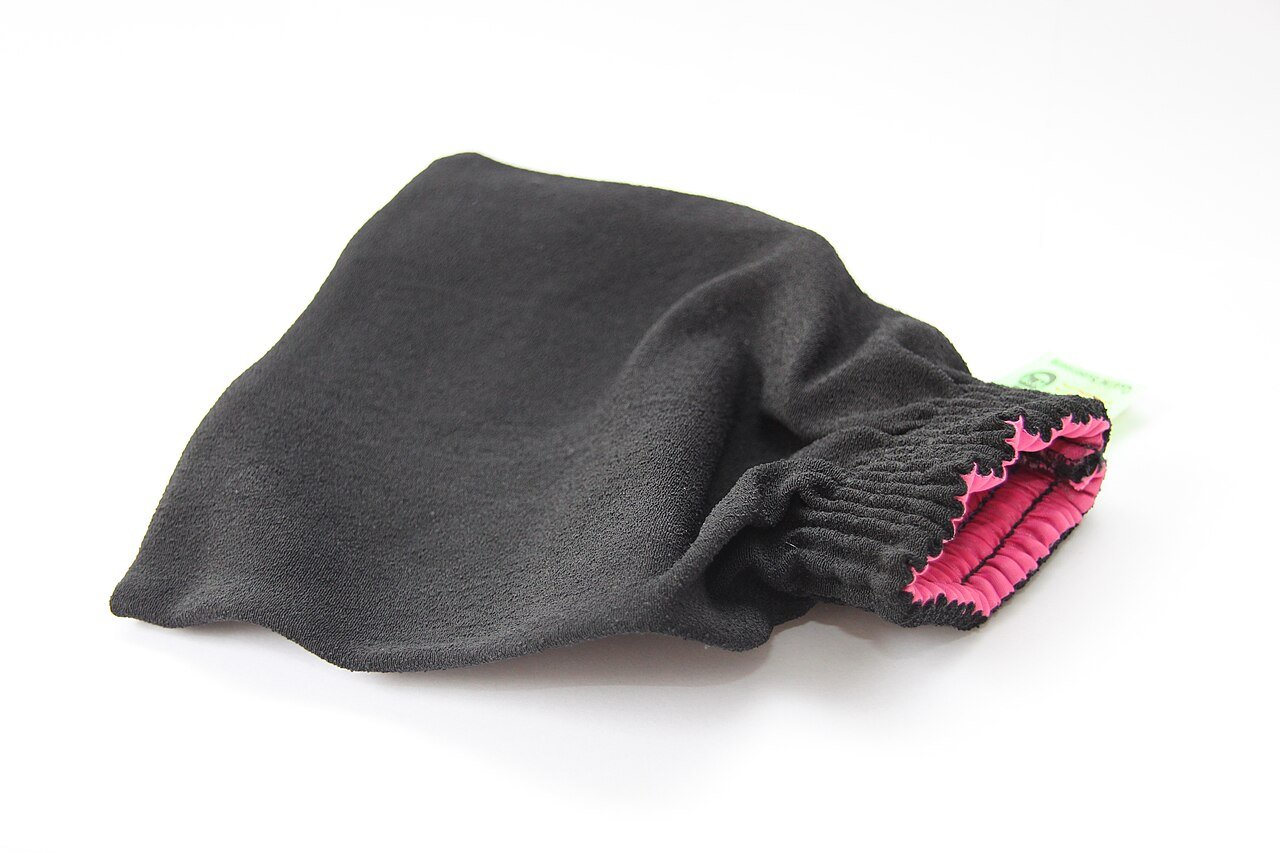
- Scrub with the kessa. Put on the glove and wet it. Use firm but comfortable strokes in one direction or small circles, section by section. Gray rolls of dead skin are normal for a first scrub.
- Optional clay mask. Mix ghassoul clay with water or rose water into a creamy paste, apply for about 10 minutes, then rinse.
- Moisturize. Pat dry and massage in argan oil or a rich lotion while skin is still a little damp. Drink a glass of water.
How hard should you scrub?
Firm enough to feel it, never hard enough to hurt. Skin may look pink briefly, but it should not sting, bleed or stay red. Go lighter where skin is thinner.
Wash the glove after each use, rinse out all the soap and let it dry completely before you store it. A damp glove left in a closed bag can grow mold.
How often should you use it?
For the full Moroccan black soap and kessa routine, once a week is the traditional rhythm, and once every two weeks is plenty for drier or more sensitive skin. Between scrubs you can use a little soap as a regular body wash and simply rinse it off.
Using Moroccan Black Soap on Face, Body and Different Skin
The body is where Moroccan black soap shines, especially on the back, legs, arms, elbows and heels. The face needs more care, because facial skin is thinner and more reactive.
Can you use Moroccan black soap on your face?
Many people do, but gently. Use a very small amount, keep it away from the eyes, leave it on for only a minute or two and rinse well. Skip the rough kessa on the face; use your fingertips or a soft cloth instead. If you use acne products or retinoids, check with your dermatologist first.
| Skin type | How to use it | How often to scrub |
|---|---|---|
| Normal | Full ritual with 5 to 10 minutes contact time | About once a week |
| Oily or body acne | Body use is popular; go gentle on active breakouts | Once a week; never scrub inflamed spots |
| Dry | Shorter contact time, warm (not hot) water, lots of oil after | Every 1 to 2 weeks |
| Sensitive | Unscented traditional soap, patch test, very light pressure | Every 2 weeks, or skip scrubbing |
| Darker skin tones | Light pressure to avoid irritation that may leave dark marks | Every 1 to 2 weeks |
The Hammam Tradition Behind the Soap
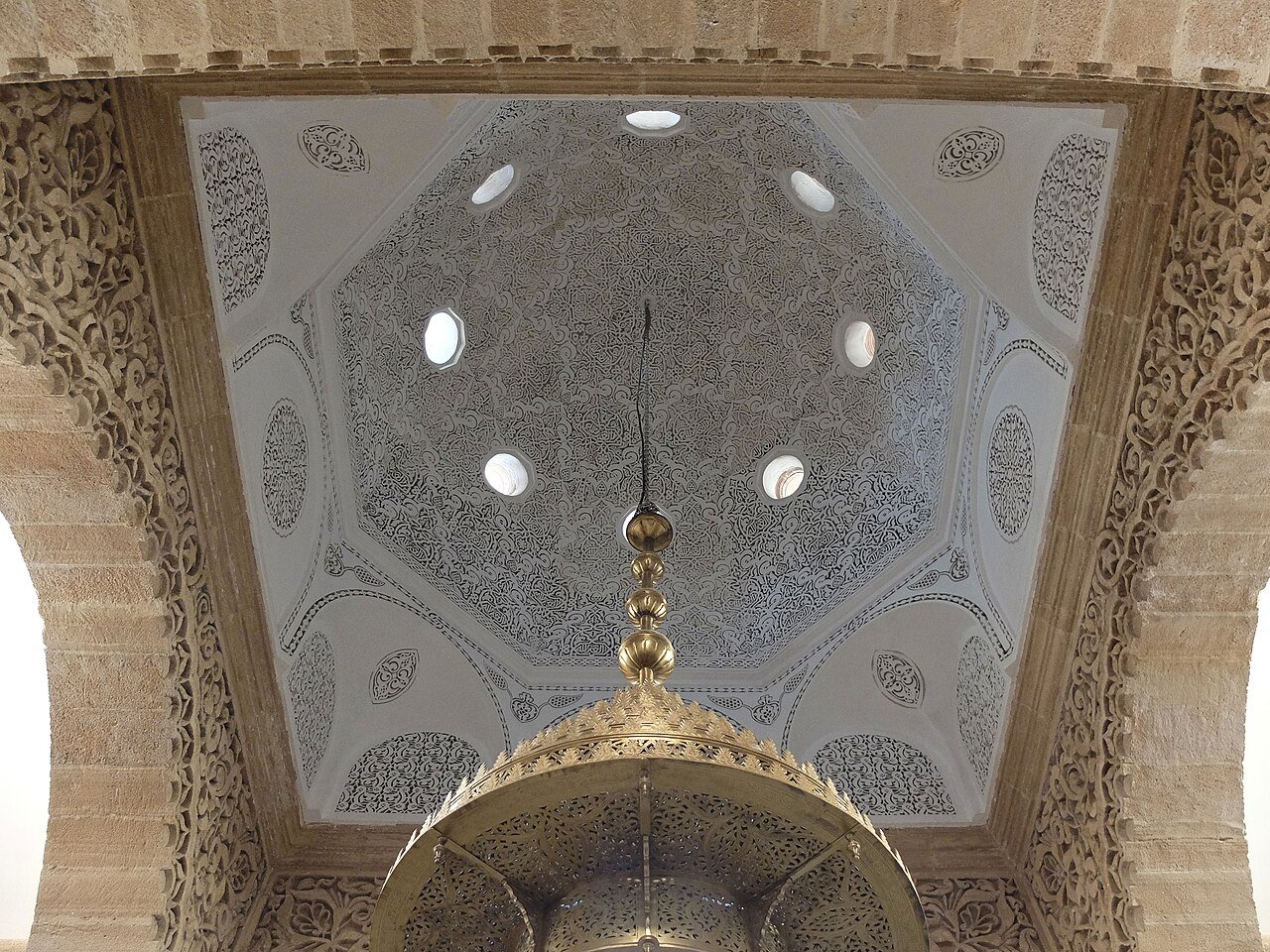
The hammam is a public steam bath, and in Moroccan cities it has long been a neighborhood institution, usually built close to the mosque, the bakery and the fountain. Families go weekly, often on Thursday or Friday, and the visit is as much about talking and relaxing as it is about getting clean.
A visit follows a clear order of rooms, from warm to hot. Bathers sit in the steam, cover themselves in Moroccan black soap, rest, and then scrub, either on their own or with the help of an attendant. You can read about the wider bathhouse tradition in the Wikipedia article on the hammam.
Hammams in daily life
Brides visit the hammam with friends and family before the wedding, mothers take their children, and many people go before Eid. The bath kit is often carried in a small bucket: soap, kessa, clay, a comb and a towel.
Moroccan Black Soap Scents and Varieties
Traditional beldi soap is plain olive, but today you will find many blends. The method is the same for all of them; the difference is scent and feel.
Traditional olive
The original unscented paste. Best for first-timers, sensitive skin and anyone who wants the true beldi experience.
Eucalyptus
The most popular hammam scent. It smells clean and cooling in a steamy shower.
Rose
Soft and feminine, a nod to the rose valleys of southern Morocco and a favorite before weddings.
More black soap blends to try
Lavender
A gentle, relaxing scent for an evening ritual. A good match for bedtime.
Argan oil
Blended with the famous Moroccan oil for a softer, more cushioned feel.
Ghassoul and rose
Soap and clay in one jar, a shortcut to the full hammam.
Mint
A fresh, tingly scent that feels cooling on hot summer days.
Jasmine
Sweet and floral, inspired by Moroccan courtyard gardens.
Nila (indigo)
Nila is a blue plant powder long used by Moroccan women in the hammam. Try black soap with nila.
Prickly pear
Made with the cactus fruit of southern Morocco.
Almond
A mild, sweet blend that many people find soft on skin.
8 Tips for Buying and Storing Moroccan Black Soap
A good jar of Moroccan black soap lasts for many weeks of rituals if you choose well and store it properly.
Read the ingredients
Look for olive oil or olive pulp near the top of the list. A short list is a good sign of a traditional recipe.
Expect a gel, not a bar
Authentic Moroccan black soap is soft and spreadable. Color ranges from dark olive green to brown-black.
Begin unscented
If you are new to the ritual or have sensitive skin, try a plain version before moving to scented blends.
Use dry hands or a spoon
Water dripping into the jar can spoil the paste. Scoop what you need with a dry spoon before you step into the shower.
Close the lid tightly
Keep the jar sealed and away from direct sun and heat so the paste does not dry out or change color.
Use less than you think
One to two teaspoons covers the body. Using more does not soften skin faster; it only makes rinsing harder.
Pair it with a kessa
The soap and glove work as a team. Without scrubbing, black soap is simply a pleasant body wash.
Always moisturize after
Follow every scrub with oil or lotion. ITTO pure argan oil is a classic Moroccan choice.
Complete the hammam kit
The traditional bath does not end with soap. Moroccans finish with argan oil and often spritz rose water on the face. Explore our Moroccan argan oil range, gentle Samra rose water and the full Moroccan cosmetics shelf.

Best Moroccan Black Soap to Buy in the USA
Our favorite jars and hammam finishers, shipped from our store to all 50 states. Browse the full black soap collection for every scent.
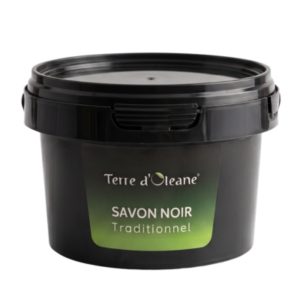 Best classicTerre d’Oleane Traditional
The original unscented olive paste for a true beldi ritual.
Shop now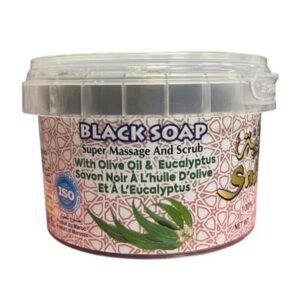
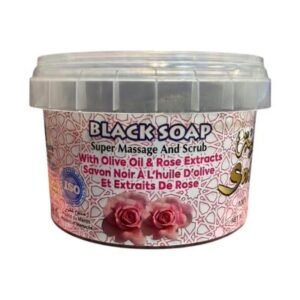

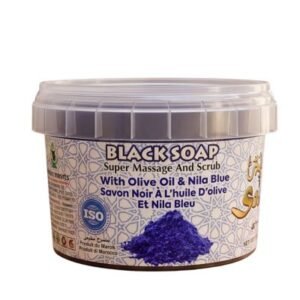
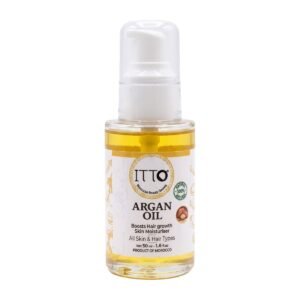
Looking for more? See every jar in our black soap shop and check our shipping policy for delivery times.
Moroccan Black Soap FAQs
What is Moroccan black soap made of?
It is a soft soap made mainly from olive oil and crushed olives that are saponified with a potassium-based alkali. Many modern versions add essential oils, flower extracts, argan oil or ghassoul clay.
How do you use Moroccan black soap?
Steam your skin in a warm shower, apply a thin layer of soap to damp skin, leave it on for about 5 to 10 minutes, rinse, then scrub with a kessa glove. Finish with a moisturizer such as argan oil.
Is Moroccan black soap the same as African black soap?
No. The Moroccan version is an olive-based gel from North Africa, used mainly before exfoliation. African black soap comes from West Africa and is traditionally made from plant ash with oils such as shea butter or palm kernel oil.
How often should I use Moroccan black soap?
For the full soap and kessa scrub, about once a week is traditional, and every two weeks is enough for dry or sensitive skin. Between scrubs you can use a small amount as a regular body wash.
Can I use Moroccan black soap on my face?
Many people do, but gently. Use a tiny amount, avoid the eyes, leave it on for only a minute or two and do not use a kessa glove on the face. People with sensitive or acne-prone skin should check with a dermatologist first.
Why does dead skin roll off when I use a kessa?
The soap and steam soften the top layer of skin, and the rough glove lifts it away in small gray rolls. This is normal, especially on a first scrub. Stop if your skin stings, bleeds or stays red.
How should I store Moroccan black soap?
Keep the lid tightly closed, store the jar away from heat and direct sun, and scoop the paste with dry hands or a spoon so water does not drip into the jar.
Further reading: Moroccan black soap (Wikipedia) · AAD: How to safely exfoliate at home · Hammam (Wikipedia)
Bring the Hammam Home This Week
Authentic Moroccan black soap, argan oil and hammam essentials, delivered to your door anywhere in the USA.
Shop Black Soap Shop All Products