Lemon Verbena Tea (Louiza) How to Brew the Moroccan Favorite
What louiza is, how it differs from vervain and lemon balm, exact brewing ratios for fresh and dried leaves, Moroccan ways to serve it and what the research really says.
Lemon verbena tea is a caffeine-free herbal infusion made from the leaves of Aloysia citrodora, a lemon-scented shrub that Moroccans call louiza. Steep 1 to 2 teaspoons of dried leaves, or 8 to 10 fresh leaves, in 8 oz of water just off the boil for 5 to 7 minutes with the cup covered. Drink it plain, sweeten it with honey, or add a few leaves to a pot of Moroccan mint tea.
Your Complete Louiza Guide
Lemon verbena tea smells like a lemon grove and tastes softer than the fruit itself, with none of the sourness. In Morocco it is known as louiza, and it shows up in the evening teapot, in glasses of warm milk and in the herb stalls of every souk. It contains no caffeine, so it is a favorite after dinner.
This guide explains how to make lemon verbena tea with fresh or dried leaves, how to blend it with green tea and mint, and how to store the leaves so they keep their scent. You can find dried louiza and other infusion herbs in our Moroccan herbs collection, next to the teas and sugar in our tea time aisle.
Lemon Verbena Tea at a Glance
What Is Lemon Verbena Tea and How Does It Taste?
Lemon verbena tea, or louiza, is an infusion of the leaves of a woody shrub in the verbena family. The plant grows up to about 7 to 10 feet tall where winters are mild, and its long, glossy, pointed leaves release a strong lemon scent the moment you brush them.
That aroma comes mainly from citral, the same compound that gives lemongrass and lemon peel their smell. Oil from the leaves is roughly one third citral, with smaller amounts of nerol and geraniol, which add a soft floral note.
In the cup, a good lemon verbena tea is pale gold to light green. It tastes clean and lemony with a hint of sweetness, and it has almost no bitterness even if you steep it a little long. That gentle profile is why it works so well for people who find green tea or black tea too strong.

From South America to the Moroccan Teapot
Lemon verbena is native to South America, where it has long been used as a household herb. European botanists collected it in the 18th century, and Spanish and Portuguese traders carried it to Europe, where it was grown for its fragrant oil.
In 1797 botanists at the Madrid botanical garden named the genus Aloysia in honor of Maria Luisa of Parma, who became queen of Spain. The Spanish common name, hierba luisa, keeps her name too, and the Moroccan word louiza is widely believed to echo it.
How louiza became a Maghreb staple
The shrub loves warm, sunny climates with mild winters, so it thrives in Moroccan courtyards and gardens. Over time it joined mint, sage, thyme and wormwood in the bundle of fresh herbs that families tuck into the teapot.
Today you will see bunches of fresh louiza for sale in markets alongside mint, and dried leaves in the herbalist’s jars. Many households keep a bush near the kitchen door so a few sprigs are always on hand.

Lemon Verbena vs Vervain and Lemon Balm
Herb names get confusing, especially in French, where “verveine” can mean two different plants. Lemon verbena tea is made from Aloysia citrodora, sometimes labeled verveine odorante. Common vervain (Verbena officinalis), labeled verveine officinale, is a different, more bitter plant. Lemon balm is a mint relative with a milder lemon note.
| Herb | Latin name | Taste in tea | Leaf clue |
|---|---|---|---|
| Lemon verbena (louiza) | Aloysia citrodora | Strong, sweet lemon; very little bitterness | Long, narrow, pointed, slightly rough leaves |
| Common vervain | Verbena officinalis | Grassy and bitter, faint scent | Deeply lobed leaves on stiff stems |
| Lemon balm | Melissa officinalis | Soft lemon with a minty edge | Rounded, wrinkled, toothed leaves on square stems |
| Lemongrass | Cymbopogon citratus | Citrusy and slightly gingery | Tall grass blades and pale stalks |
When you shop for lemon verbena tea, check the Latin name on the pack if you can. A label that says Aloysia citrodora, Aloysia triphylla or Lippia citriodora is the right plant, since all three are names that have been used for the same species.
How to Make Lemon Verbena Tea Step by Step
This basic lemon verbena tea recipe makes two 8 oz mugs or four small Moroccan glasses. It takes about 10 minutes, most of it hands-off steeping.
Ingredients
- 2 to 4 teaspoons dried louiza leaves, or 16 to 20 fresh leaves
- 2 cups (16 oz) fresh, cold water
- Optional: 1 to 2 teaspoons honey or 1 to 2 sugar cubes
- Optional: a few fresh mint leaves or a thin strip of orange peel
You will need
- A kettle and a teapot or heatproof jar with a lid
- A fine strainer
- Mugs or tea glasses
Method
- Heat the water. Bring the water to a boil, then let it rest for about 30 seconds so it sits just below boiling.
- Prepare the leaves. If using fresh leaves, rinse them and tear or bruise them lightly to release the oil. Dried leaves can be crumbled a little between your fingers.
- Warm the pot. Swirl a splash of hot water in the teapot and pour it out. A warm pot keeps the temperature steady.
- Steep covered. Add the leaves, pour over the water and put the lid on right away. Covering the pot traps the aromatic oils that would otherwise float off with the steam.
- Wait 5 to 7 minutes. Five minutes gives a light, floral cup. Seven to ten minutes gives a deeper lemon flavor without much bitterness.
- Strain and sweeten. Strain into mugs and stir in honey or sugar if you like. Taste first, since many people enjoy louiza unsweetened.
Iced lemon verbena tea
For a summer pitcher, brew a double-strength batch using 4 teaspoons of dried leaves per cup of water. Steep 8 minutes, strain, sweeten while warm, then pour over a full glass of ice. Garnish with a fresh sprig and a slice of lemon.
You can also cold brew it. Put about 2 tablespoons of dried leaves in a quart of cold water and refrigerate for 8 to 12 hours. Cold brewing gives a very smooth, sweet lemon verbena tea that keeps for about two days in the fridge.

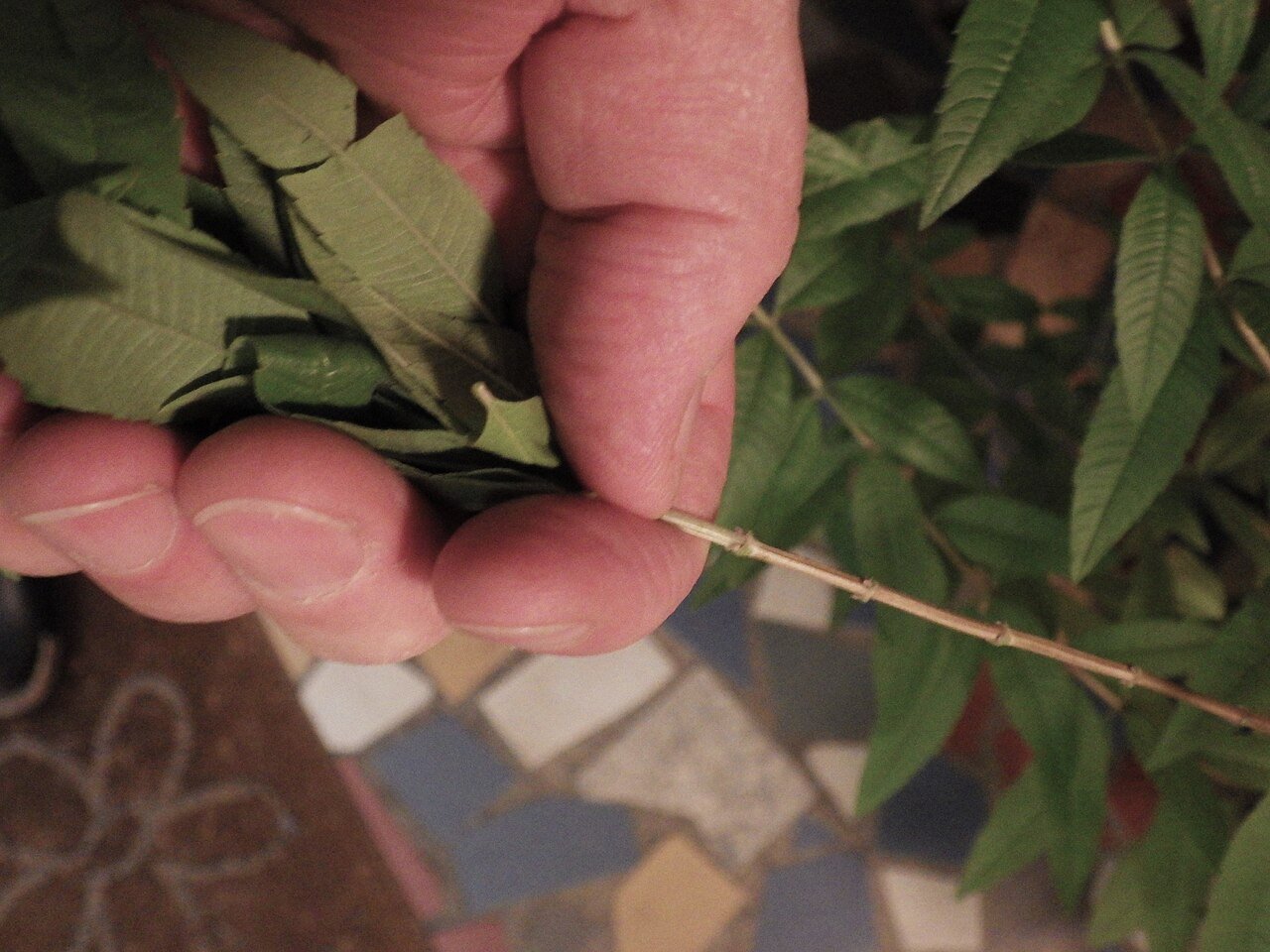
Fresh vs Dried Lemon Verbena Leaves
Both forms make excellent lemon verbena tea, but they behave a little differently. Fresh leaves give a greener, brighter cup. Dried leaves are more concentrated by weight and taste slightly rounder and sweeter.
Fresh leaves
Use 8 to 10 medium leaves per 8 oz cup, about one small sprig. Bruise them first. Fresh leaves stay fragrant for several days wrapped in a damp paper towel in the fridge.
Dried leaves
Use 1 to 2 teaspoons per cup, or roughly 1 to 2 grams. Whole dried leaves hold their aroma longer than finely crushed ones, so crumble them only just before brewing.
Good dried louiza should be green rather than brown and should smell clearly of lemon when you open the bag. If it smells like hay, it is old.
| Style | Amount per 8 oz | Water | Steep |
|---|---|---|---|
| Light and floral | 1 tsp dried or 6 fresh leaves | Just off the boil | 4 to 5 minutes |
| Classic cup | 1.5 tsp dried or 8 to 10 fresh leaves | Just off the boil | 5 to 7 minutes |
| Strong, for iced tea | 2 tsp dried or 15 fresh leaves | Just off the boil | 8 to 10 minutes |
| Cold brew | About 1.5 tsp dried | Cold, filtered | 8 to 12 hours in the fridge |
Moroccan Ways to Serve Lemon Verbena Tea
In Moroccan homes louiza is rarely an afterthought. It has three classic roles, and each one is easy to recreate in an American kitchen.
Atay with louiza
Add 3 or 4 fresh sprigs, or a teaspoon of dried leaves, to a pot of green tea with mint. The verbena rounds off the bite of the tea and adds a citrus top note. Brew it with a gunpowder tea such as Sultan Al Ambar.
The evening tisane
Brewed alone, lemon verbena tea is a caffeine-free choice for after dinner. Many families serve it with a little sugar or honey, in the same small glasses used for mint tea.
Louiza with milk
Some Moroccan families warm milk with a few verbena leaves, then sweeten it lightly. It is a cozy winter drink and a gentle bedtime treat. Keep the milk at a bare simmer so it does not scorch.
More lemon verbena tea blends to try
Louiza and mint
Equal parts verbena and spearmint, no green tea. A soft, fully caffeine-free version of atay. Tayeb dried mint works well off-season.
Verbena and lavender
Add a small pinch of dried lavender to a pot of louiza. Go light, as lavender quickly turns soapy.
Verbena and sage
A sprig of sage gives an earthy contrast to the lemon. Try it with Jadis dried sage.
Moroccan herb mix
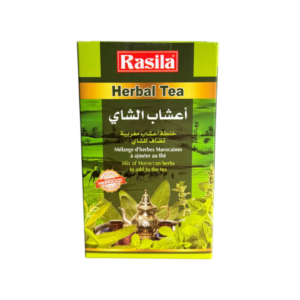
Pre-mixed bundles such as Rasila herbal tea combine several herbs for a quick pot.
Verbena and orange peel
A strip of orange peel and a few drops of orange blossom water make a fragrant festive cup.
Honeyed louiza
Stir in eucalyptus honey once the tea has cooled a little, so the honey keeps its flavor.
8 Tips for Better Lemon Verbena Tea
Most flat or dull cups of lemon verbena tea come from old leaves, an open pot or water that is too cool. These simple habits fix that.
Always cover the pot
The lemon scent lives in volatile oils. A lid or saucer keeps them in the cup instead of the kitchen air.
Use hot, not tepid, water
Unlike delicate green tea, lemon verbena tea likes water just below a boil. Cooler water gives a weak, grassy cup.
Smell before you brew
Dried leaves should smell bright and lemony. If the scent is faint, use a little more or buy a fresh bag.
Bruise fresh leaves
Tearing or gently crushing fresh leaves opens the oil glands and speeds up flavor release.
Taste before sugar
Lemon verbena has a natural sweetness. Try a sip plain, then add sugar or honey a little at a time.
Steep twice
Whole dried leaves often give a pleasant second infusion. Add hot water and steep a few minutes longer.
Store airtight and dark
Keep leaves in a sealed jar away from light, heat and strong spices. Try to use them within about a year.
Use filtered water
Very hard or chlorinated tap water can mute delicate citrus aromas. Filtered water lets the herb shine.
Lemon Verbena Tea Health and Safety Notes
General information only, not medical advice. Lemon verbena tea has a long history as a soothing household drink, but traditional use is not the same as proof. Treat it as a pleasant, caffeine-free beverage rather than a remedy.
The European Medicines Agency reviewed the leaf and published an EU herbal monograph on lemon verbena leaf. It recognizes the herb only as a traditional herbal medicinal product, based on long-standing use, for relief of mild symptoms of mental stress, as a sleep aid, and for mild digestive complaints such as bloating and flatulence.
The same monograph notes that safety in pregnancy and breastfeeding has not been established and that use in children has not been established either. People allergic to plants in the verbena family should avoid it. If any symptoms last more than two weeks, see a health care provider.
| Question | Short answer |
|---|---|
| Does it contain caffeine? | No. Brewed on its own, lemon verbena tea is caffeine free. Blended with green tea, it contains the tea’s caffeine. |
| Is it safe every day? | A cup or two is a common part of many diets. Ask your doctor if you take medication or have a health condition. |
| Pregnant or nursing? | Safety has not been established, so check with your doctor or midwife first. |
| Is the essential oil the same? | No. The concentrated oil can irritate skin and is not a substitute for tea. Never drink essential oils. |
Grow and Dry Your Own Louiza
A single lemon verbena plant can supply leaves for many pots of lemon verbena tea. It is a tender perennial that dislikes frost, so in most of the US it is easiest to grow in a large container you can bring indoors for winter.
Growing basics
- Give it full sun and a pot with plenty of drainage holes.
- Keep the soil evenly moist but never waterlogged.
- Feed it regularly during the growing season, since it is a hungry plant.
- Pinch or harvest the tips often to keep it bushy.
The University of Illinois Extension recommends moving the pot to a bright spot indoors before frost and watering less over winter. Do not panic if it drops its leaves in the cold; the woody stems often leaf out again in spring.

How to dry leaves for lemon verbena tea
Cut in the morning
Harvest stems after the dew dries, when the leaf oils are at their best.
Hang or spread out
Hang small bunches upside down, or spread leaves on a screen, in a warm, dark, airy room for about a week.
Test for crispness
Leaves are ready when they crumble easily. Any softness means they need more time.
Jar them whole
Strip the leaves, keep them whole and store in an airtight glass jar out of sunlight.
Best Lemon Verbena Tea Essentials to Buy in the USA
Everything you need for louiza, from the dried leaves to the green tea and honey that pair with it, shipped to all 50 states.
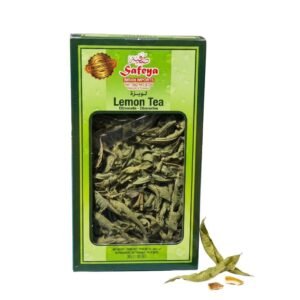 Best louizaSafeya Verbena (Louiza)
Dried Moroccan lemon verbena leaves for a pure, caffeine-free cup.
Shop now



Planning a full tea tray? Browse the whole shop and check our shipping policy for delivery times to your state.
Lemon Verbena Tea FAQs
What does lemon verbena tea taste like?
It tastes bright and lemony with a soft floral, slightly sweet finish and very little bitterness. It has the aroma of lemon peel without the sourness of lemon juice.
Does lemon verbena tea have caffeine?
No. Brewed on its own, lemon verbena tea is caffeine free, which makes it a popular evening drink. If you add the leaves to green tea, the cup will contain the caffeine from the green tea.
Is louiza the same as lemon balm or vervain?
No. Louiza is lemon verbena, Aloysia citrodora. Lemon balm (Melissa officinalis) is a mint relative with a milder lemon note, and common vervain (Verbena officinalis) is a bitter herb with little scent. Check the Latin name on the label.
How much dried lemon verbena should I use per cup?
Use 1 to 2 teaspoons of dried leaves, roughly 1 to 2 grams, per 8 oz cup of water just off the boil. Steep covered for 5 to 7 minutes, or up to 10 minutes for a stronger cup.
Can I add lemon verbena to Moroccan mint tea?
Yes. Add 3 or 4 fresh sprigs or about a teaspoon of dried leaves to the pot along with the mint. The verbena softens the green tea and adds a citrus top note.
Is it safe to drink lemon verbena tea during pregnancy?
Safety during pregnancy and breastfeeding has not been established, according to the European Medicines Agency monograph. Talk to your doctor or midwife before drinking it regularly. This is general information only, not medical advice.
How long do dried lemon verbena leaves keep?
Stored whole in an airtight jar away from light and heat, dried leaves keep good flavor for about a year. If they look brown or smell like hay instead of lemon, replace them.
Can I make iced lemon verbena tea?
Yes. Brew a double-strength batch, strain, sweeten while warm and pour over ice. Or cold brew about 2 tablespoons of dried leaves in a quart of cold water in the fridge for 8 to 12 hours.
Further reading: Aloysia citrodora (Wikipedia) · European Medicines Agency · University of Illinois Extension
Brew a Pot of Louiza Tonight
Dried lemon verbena, Moroccan green teas, mint and honey, delivered to your door anywhere in the USA.
Shop Moroccan Herbs Shop All Products