Henna for Hair The Complete North African Guide
How henna colors hair, the shades you can expect, a step-by-step application method, the Moroccan mix-ins families swear by and the safety checks to do first.
Henna for hair is a plant dye made from the dried, powdered leaves of Lawsonia inermis that stains each strand a permanent copper, red or auburn shade. Mix the pure powder with warm water or a mild acid into a smooth paste, let it rest until the dye releases, then apply it to clean hair and leave it on for 2 to 4 hours. The color deepens over the next 2 to 3 days. Pair it with indigo for brown or black, and always do a patch and strand test first.
Your Complete Henna Hair Guide
Long before boxed dyes, women in Morocco, Algeria and Tunisia reached for a bowl of green paste. Henna for hair is still part of everyday beauty across North Africa, from a quick touch-up before Eid to the henna night before a wedding. It is a single plant, a little patience and a lot of tradition.
Henna is also easy to get wrong. The shade depends on your starting color, the paste needs time to release its dye, and some products sold as “henna” are not pure at all. This guide walks you through every step, plus the gentle extras from our Moroccan cosmetics and Moroccan herbs collections that fit naturally into the ritual.
Henna for Hair at a Glance
What Is Henna for Hair and How Does It Work?
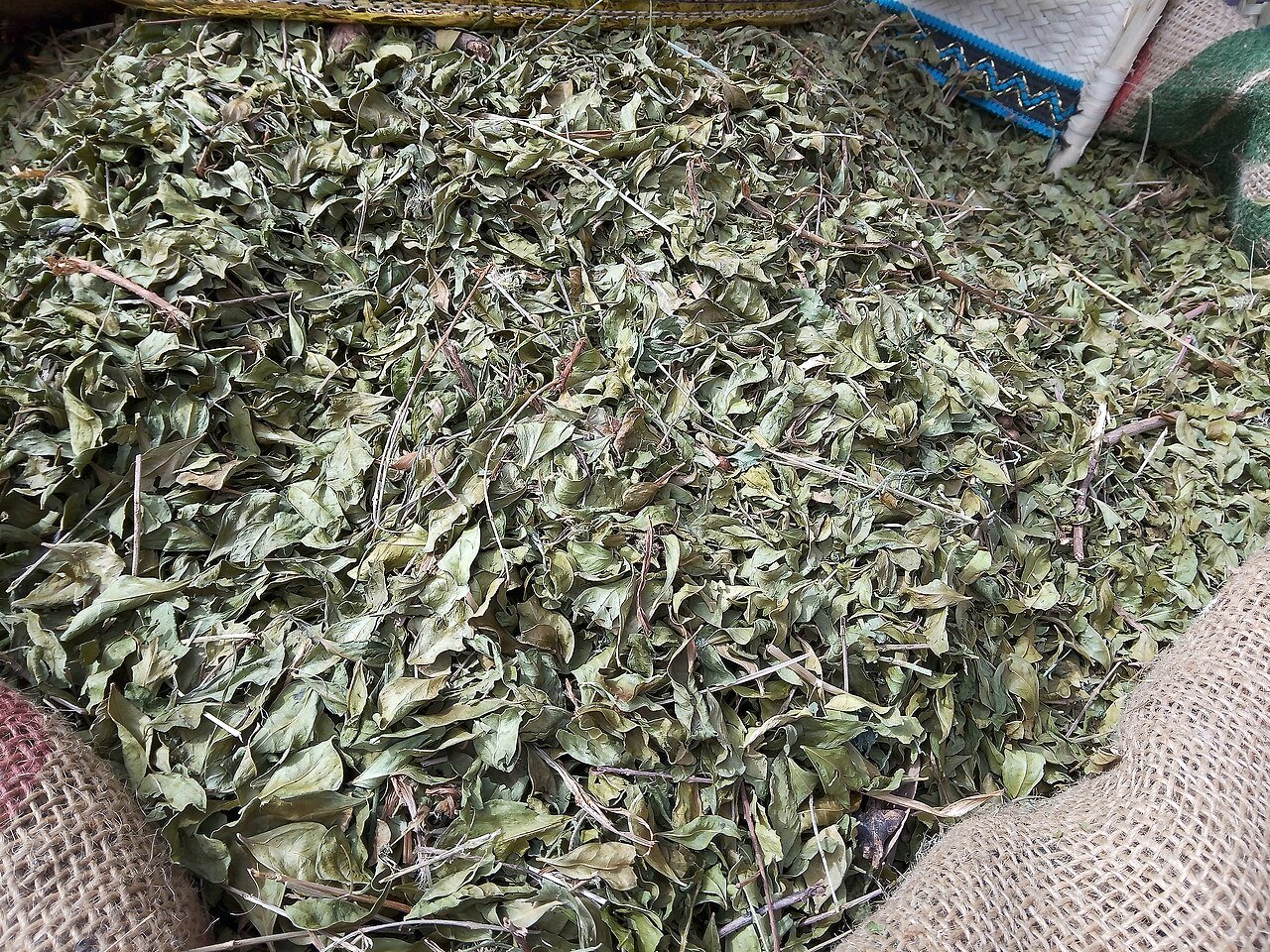
Henna comes from a flowering shrub called Lawsonia inermis that grows in hot, dry regions of North Africa, the Middle East and South Asia. Its leaves hold an orange-red dye molecule called lawsone. Whole leaves do not stain much, so they are dried and ground into a fine green powder.
When you mix the powder with liquid, lawsone slowly leaves the plant material. This is what people mean by “dye release.” Spread on hair, the dye binds to the keratin protein in each strand and stays there. That is why henna for hair is permanent: it does not wash out, it simply grows out.
Why the color changes after rinsing
Freshly rinsed henna for hair often looks bright orange. Over the next two to three days, the color oxidizes and deepens toward copper, red or auburn. Judge your result on day three, not in the shower.
Henna is translucent
Henna does not cover your natural color like paint. It layers a red tint over what is already there, much like a glaze. Dark brown hair gets a red glow in sunlight, while light or gray hair turns vivid orange-copper.

The North African Henna Tradition
Henna has been used in the region for a very long time. Hair from some ancient Egyptian mummies shows signs of henna dye, and the plant spread west across the Maghreb over the centuries. Today, souks from Marrakech to Gabès sell henna as dried leaves or freshly milled powder.
In 2024, UNESCO added “Henna: rituals, aesthetic and social practices” to its list of intangible cultural heritage, after a joint nomination by 16 Arab states including Morocco, Algeria and Tunisia. The UNESCO decision notes that women use the paste to dye hair as well as to decorate hands and feet.
Henna for hair at home
In many North African homes, henna for hair is a family affair. Mothers and aunts mix the paste, often with rose water, and apply it on a relaxed day, sometimes after a hammam visit. The hair is wrapped and left for hours while the family drinks tea and talks.
Henna is also central to celebrations. Brides have their hands painted at the henna night before a wedding, and many women color their hair before Eid. For designs on skin, see our henna collection.
Benefits and Limits of Henna for Hair
People love henna for hair because it is a single plant ingredient, it gives a rich, multi-tonal red and it does not require bleach or ammonia. Many users also say their hair feels thicker and glossier afterward, because the dye coats the outside of each strand.
It also has real limits. It can only add color, never lift it, and the result is hard to undo. Here is an honest comparison to help you decide whether henna for hair suits you.
| What people like | What to keep in mind |
|---|---|
| One plant ingredient when you buy 100% pure powder | Many products add other dyes or metallic salts; read the label |
| Rich red and copper shades with natural depth | It cannot lighten hair or give ash or cool tones |
| Hair often feels fuller and looks shinier | Some people find it drying; frizzy hair may need extra moisture |
| Builds color with each application | Very hard to remove; usually it has to grow out |
| No bleach or ammonia step | Messy, slow process that takes an afternoon |
Henna for Hair Colors: Red, Brown and Black
Pure henna for hair gives only one family of color: orange through deep red. Every “brown henna” or “black henna” hair product gets its darker shade from another plant or from added dyes. The most common natural partner is indigo, from the Indigofera tinctoria plant.
Indigo on its own gives a blue-black tint. Mixed with henna, it shifts the red toward brown. Applied over fresh henna in a second step, it can give true black.
How to get each shade
The ratios below are common starting points used by many natural hair dye sellers. Your starting color, porosity and the freshness of the powder will change the result, so treat them as a guide and strand test first.

| Goal | Mix | How |
|---|---|---|
| Copper to red | 100% henna | One step; deepens with repeat use |
| Auburn to reddish brown | About 70% henna, 30% indigo | Mix both pastes, apply together |
| Medium brown | About 50% henna, 50% indigo | Mix both pastes, apply together |
| Dark brown | About 30% henna, 70% indigo | Mix both pastes, apply together |
| Black | 100% henna, then 100% indigo | Two steps; indigo within a day or two of henna |
What henna for hair looks like on different starting colors
Subtle red glow
You will see a warm red shine mostly in sunlight. Great if you want depth without an obvious color change.
Auburn to deep red
The most dramatic natural result. Two or three applications build a rich, even auburn.
Bright copper
Light hair takes henna fast and can turn very orange. Shorten the time on your first try.
Orange to copper
Grays turn bright first and soften with repeat use. Add indigo if you want brown instead of red.
Same rules apply
Men in many Muslim communities color beards with henna. Use pure powder and a shorter time for a softer copper.
Before You Start: Buying and Testing
Good results start with good powder. Henna for hair should be 100% Lawsonia inermis, finely sifted and fresh. Look for a clear ingredient list, a recent crop or packing date and a green, grassy smell. Old henna turns brown and dull and releases less dye.
We do not currently stock hair henna powder, so buy it from a specialist seller that lists a single ingredient. Skip any “henna” hair product that lists PPD, para-phenylenediamine or metallic salts, or that promises black in one step.
Do a patch test
Dab a little paste behind your ear or inside your elbow, leave it for the time stated on the pack, and watch for itching, redness or swelling over the next 48 hours. Pure henna allergy is uncommon but it does happen.
Do a strand test
Save some hair from your brush, or snip a small lock from underneath. Apply paste, wait, rinse and let it sit for two to three days. This shows the real shade and whether your henna for hair needs indigo.
How much powder do you need?
| Hair length | Henna powder |
|---|---|
| Short, above the ears | About 50 to 75 g (2 to 2.5 oz) |
| Chin to shoulder | About 100 to 125 g (3.5 to 4.5 oz) |
| Mid-back | About 150 to 175 g (5.5 to 6 oz) |
| Lower back | About 200 to 225 g (7 to 8 oz) |
| Waist or hip length | About 250 to 300 g (9 to 10.5 oz) |
How to Apply Henna for Hair Step by Step
This henna for hair method is for shoulder-length hair and pure powder. Plan for an afternoon: about 1 to 4 hours of dye release, an hour to apply, and 2 to 4 hours on the hair.
You will need
- 100 to 125 g pure henna powder
- About 1 to 1.5 cups warm (not boiling) water, or a mild acidic liquid
- Optional: 2 to 3 tablespoons rose water for scent
- Optional: 1 teaspoon argan oil if your hair runs dry
- A glass, ceramic or plastic bowl and a spoon
- Gloves, an old towel, hair clips and a shower cap or plastic wrap
- A little oil or balm for your hairline and ears
Method
- Mix the paste. Add liquid to the powder a little at a time and stir until smooth, like thick yogurt or pancake batter. Lumps make application patchy.
- Let it rest. Cover the bowl and leave it at room temperature until the dye releases. Fast-releasing henna may need 1 to 2 hours; others need 3 to 4. Follow the pack.
- Check dye release. When the surface turns slightly darker brown, press a little paste on your palm for a minute and wipe it off. An orange stain means it is ready.
- Prepare your hair. Wash with a simple shampoo and skip conditioner, which can leave a film. Towel dry or let hair dry, then detangle.
- Protect your skin. Put on gloves and old clothes. Apply oil along your hairline, ears and neck so stray paste does not stain skin.
- Apply in sections. Part hair into four to six sections. Start at the roots, then work paste generously down to the ends. Each strand should be fully coated.
- Wrap and wait. Pile the hair up, cover with a shower cap or plastic wrap and leave for 2 to 4 hours. Gentle warmth, like a scarf over the cap, helps.
- Rinse well. Rinse with plenty of warm water until it runs clear. A cheap conditioner can help slide the grit out. Leave shampoo for a day or two.
Traditional Mix-Ins for Henna for Hair
North African families rarely mix henna for hair with plain water alone. Each household has its own mix, usually chosen for scent, conditioning or tone. None of these are required; pure henna and warm water already work well.
Rose water
The most classic Moroccan touch. A few spoonfuls soften henna’s earthy, hay-like smell. Try Mazyana rose water or Samra rose water.
Argan oil
A teaspoon in the paste, or a few drops on the ends afterward, helps counter dryness. Our ITTO pure argan oil is a good match.
Fenugreek
Some recipes add a spoon of ground fenugreek for a silkier paste that is easier to spread. Strain fine powder well.
Sidr (jujube) leaves
Ground jujube leaves are a traditional hair wash in parts of the Arab world. Our Tayeb dried jujube leaves are sold as an herbal tea; grind them if you try this.
Strong black tea
Cooled black tea or coffee is sometimes used as the liquid for a slightly deeper tone. The effect is mild and varies.
Lemon juice, with care
Many grandmothers add lemon. It is acidic and can help release dye, but it may dry hair, so many sellers now suggest warm water or diluted vinegar instead.
Aftercare and Common Mistakes
The first few days after henna for hair matter most. The color is still developing, and hair can feel a little stiff or dry. Gentle care now gives a richer, longer-lasting result.
The first 72 hours after henna for hair
- Wait 24 to 48 hours before shampooing so the color can settle.
- Expect some orange on your towel and pillowcase at first; use dark fabrics.
- Avoid swimming pools and heavy heat styling for a few days.
- Seal dry ends with a few drops of argan oil.
Touching up henna for hair
Henna builds up, so you do not need to cover all your hair every time. Most people apply to new roots every 4 to 6 weeks and do a full head only when the ends look faded.

Six henna for hair mistakes to avoid
Skipping dye release
Applying paste straight after mixing gives a weak, patchy result. Give it time and test on your palm.
Too little paste
Thin layers leave light streaks. Be generous, especially at the roots and on gray areas.
Judging too early
Fresh henna looks orange on day one. Wait three days before deciding to add more or switch to indigo.
Buying compound henna
Blends with metallic salts can react badly with later perms, bleach or chemical color. Choose pure powder.
Applying over conditioner
Silicone and conditioner films can block the dye. Start with freshly washed, product-free hair.
Hoping to go lighter
Henna never lifts color. If you want to go lighter or cooler, henna is not the right tool.
Is Henna for Hair Safe? Health Notes
General information only, not medical advice. Pure henna for hair is widely used, but it is not risk-free. Allergic reactions, though uncommon, can cause scalp itching, redness or swelling. Always patch test, and stop and rinse if your scalp burns or itches during application.
In the United States, the FDA fact sheet on henna explains that henna is approved as a color additive only for hair dye. It also warns about so-called black henna, which often contains PPD, a coal-tar hair dye ingredient that can cause serious skin reactions in some people.
Who should talk to a doctor first
- People with G6PD deficiency, and parents of young children. Henna has been linked to serious reactions in G6PD-deficient infants, so do not use it on babies or small children.
- Anyone who has reacted to henna, hair dye or temporary tattoos before.
- Anyone with a sensitive, broken or inflamed scalp.
- Pregnant or nursing people who are unsure about any cosmetic product.
Henna for hair vs henna on skin
The same plant is used for hand and foot designs, which fade in one to three weeks. On hair, the dye stays until it grows out. The Wikipedia henna entry covers the history of both uses.

Best Henna Ritual Essentials to Buy in the USA
We do not sell henna for hair powder itself, but these North African staples fit around a henna day, from the paste to the aftercare. All ship to every US state.
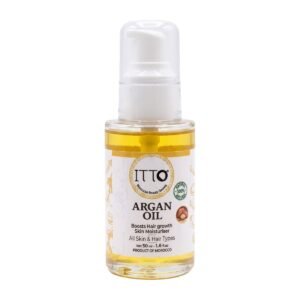
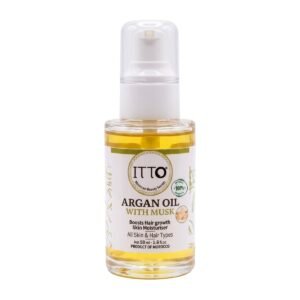 Best scentedITTO Argan Oil with Musk
Argan with a soft musk scent to cover henna’s earthy smell.
Shop now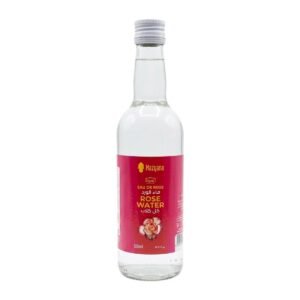


Browse all Moroccan argan oil and check our shipping policy for delivery times.
Henna for Hair FAQs
Is henna for hair permanent?
Yes. Henna bonds to the keratin in each strand and does not wash out. It may soften a little over weeks, but it usually has to grow out or be cut off.
How long should I leave henna on my hair?
Most people leave it on for 2 to 4 hours. Shorter times give a lighter result. Longer times rarely add much once the dye has fully released.
Can henna cover gray hair?
It can, but pure henna turns gray hair bright orange to copper at first. The color deepens with repeat use. For brown or black coverage, follow henna with indigo or mix the two.
Can henna for hair make my hair black?
Not on its own. Pure henna only gives red tones. Black needs a two-step method: henna first, then indigo applied within a day or two. Avoid any product that promises black in one step.
Does henna damage or dry out hair?
Pure henna for hair does not use bleach or ammonia, and many people find their hair feels thicker. Some find it drying, though, so add a little oil to the paste or condition the ends afterward.
Can I use chemical hair dye after henna?
Usually yes with pure henna, but results are less predictable. Wait several weeks, tell your stylist and do a strand test first. Henna with metallic salts can react badly with bleach or perms.
What can I mix with henna for hair?
Warm water is enough. North African families often add rose water for scent, a little argan oil for dryness, or ground fenugreek for a smoother paste. Avoid yogurt and heavy conditioners.
Is henna safe during pregnancy?
Pure henna is widely used, but there is little research on pregnancy. Ask your health care provider first, avoid black henna, and always patch test.
Further reading: FDA: Henna and black henna · UNESCO: Henna rituals · Henna (Wikipedia)
Plan Your Henna Day at Home
Argan oil, rose water and herbs from Morocco for the whole henna for hair ritual, delivered anywhere in the USA.
Shop Moroccan Cosmetics Shop All Products